Central Bank of Iran provided nearly 30 billion foreign currency for imports by October
Read more
Tehran Times
www.tehrantimes.com

Central Bank of Iran provided nearly 30 billion foreign currency for imports by October

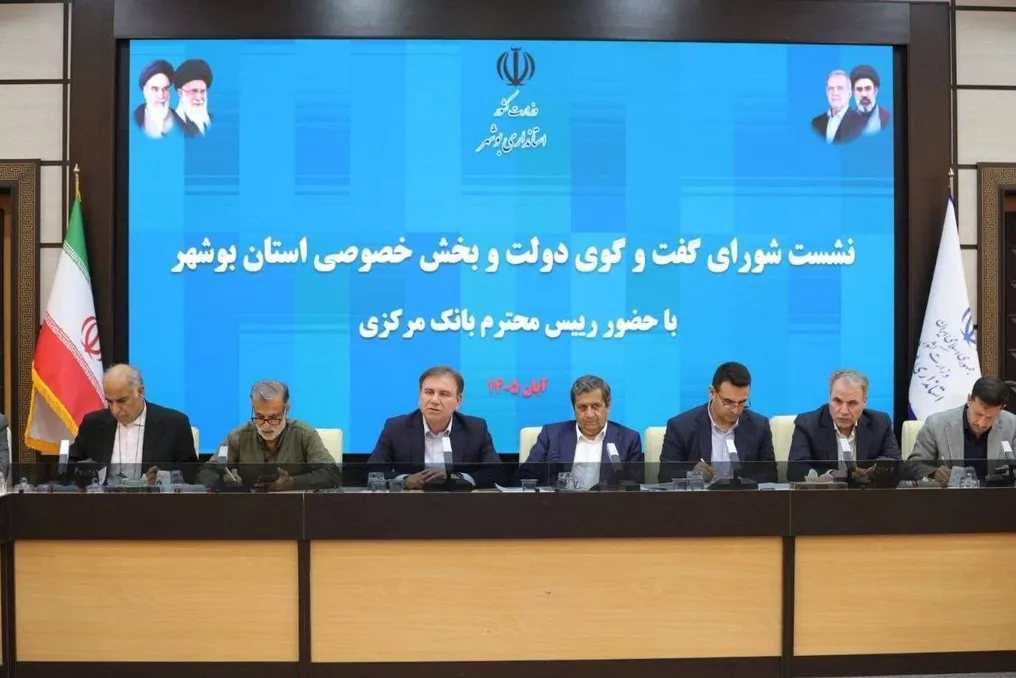
The head of the Central Bank of Iran, Abdolnaser Hemmati, reported that from the beginning of the current Iranian year (end of March) until October 7, the Central Bank of Iran (CBI) has provided nearly 30 billion dollars in foreign currency to finance the import of essential goods and other required products.

Speaking at a dialogue council meeting between the public and private sectors of Bushehr province, Hemmati noted that the central bank managed to provide these funds over a period of seven months and fifteen days, despite the country's foreign currency restrictions.

He emphasized the need for careful management of currency resources. Hemmati stated that despite limited revenues and difficult conditions for exporting both oil and non-oil goods, the central bank focused on importing vital goods, forecasting domestic needs and managing available resources.

According to him, there is currently no shortage of basic goods in the domestic market, and the supply of production resources and medicines will continue. Hemmati identified inflation management, monetary discipline, ensuring foreign currency for imports, and supporting domestic production as key priorities, stressing the need to balance business support with liquidity management and inflation control.

He warned that abandoning monetary discipline could trigger inflation growth and further undermine household purchasing power. Furthermore, he reported that the country's banking network has extended over 9,000 trillion rials in loans since the beginning of the year, with more than 75 percent allocated to enterprises, mainly to cover companies' working capital needs.

Referring to the economic goals of the recent war, Hemmati noted that the adversary attempted to cause economic collapse and hyperinflation, cut off foreign currency earnings from exports, and halt domestic production. However, according to him, these goals were not achieved.

The central bank chief added that measures taken in the last 40 days to counteract pressure on the currency market have yielded positive results, evidenced by a decrease in exchange rates during this period. He confirmed that financing production and preventing damage to business activity in difficult economic conditions remain the central bank's priorities, while emphasizing that credit allocation must reflect available resources and national priorities, rather than attempts to satisfy every financing request.

Hemmati also stated the central bank's readiness to assist in financing the recovery of businesses affected in Asaluyeh, following his visit to the affected economic sites. He added that the bank would consider the issues raised by business representatives and provincial officials through specialized meetings.
Similar stories

Mirziyoyev presented $30 billion initiatives for the development of Bukhara region
Read more
podrobno.uz

Mirziyoyev presented $30 billion initiatives for the development of Bukhara region

The implementation of new projects and initiatives totaling $30 billion is planned in the Bukhara region. These measures are designed to promote regional economic development and improve the quality of life for the local population.

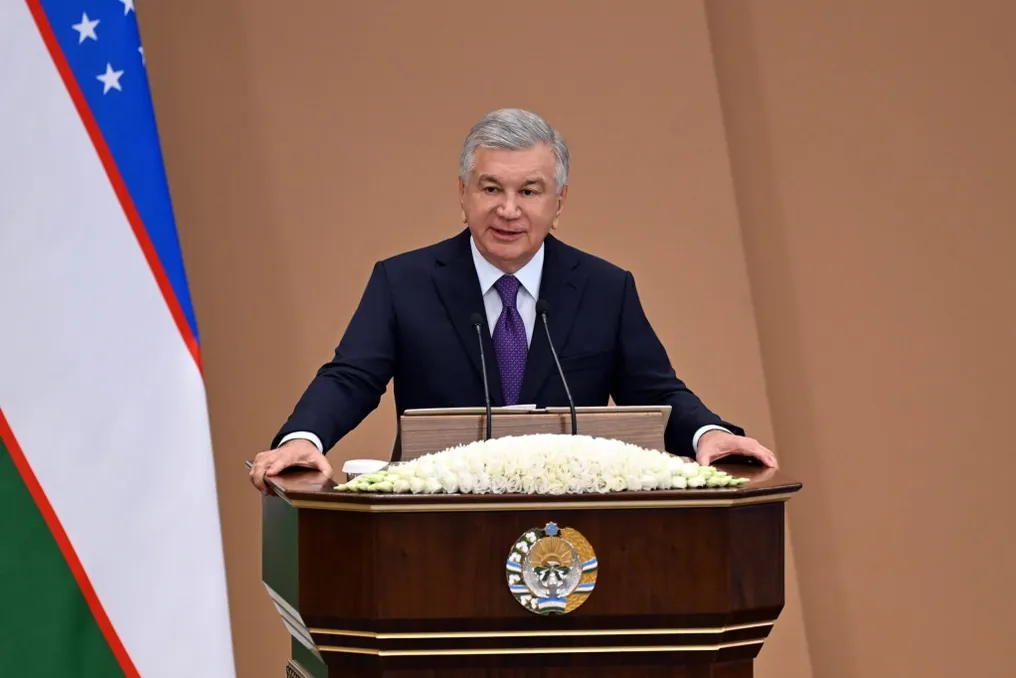
President Shavkat Mirziyoyev announced these plans during a meeting dedicated to the socio-economic development of the region. The head of state noted that the new $30 billion initiatives will lead to positive transformations in the economy of Bukhara and improve the daily living conditions of citizens.

Key areas of development

One of the priority areas is the modernization of water supply and sewage systems. Currently, a project in this area is being implemented jointly with the Asian Infrastructure Investment Bank, valued at $385 million. An additional $248 million is planned to be attracted for the second phase of this project.

Thanks to these measures, water supply will be improved for 1.7 million residents across all settlements in the region, and 775 thousand people will be connected to the sewage system. The goal is to raise the share of the population with access to centralized drinking water from the current 80% to 95%.

The President emphasized the residents' expectations regarding these changes and instructed responsible persons to ensure the accelerated implementation of the planned projects.

Thousands of loans worth 35.9 billion soums issued in Uzbekistan under a program to support small businesses
Read more
podrobno.uz

Thousands of loans worth 35.9 billion soums issued in Uzbekistan under a program to support small businesses

In Uzbekistan, the 'From Poverty to Prosperity' program is being implemented, under which over 2,300 loans totaling 35.9 billion soums have been provided to citizens. These funds are intended for the purchase of equipment and machinery, enabling residents to start their own businesses, work for themselves, and develop small-scale production.

According to Central Bank data as of October 1, 2026, a significant portion of the loans was allocated for the purchase of sewing machines—925 units amounting to 13.2 billion soums. Additionally, 419 loans totaling 7.1 billion soums were used to procure equipment sets for food production. Citizens also acquired 496 laptops worth 5.6 billion soums and 272 motor vehicles valued at 5.4 billion soums. An additional 4.5 billion soums was allocated for other types of equipment through 250 processed loans.

Leaders in Support Volume

Among the financial institutions providing support, People's Bank provided the largest volume of loans, issuing 1,600 loans worth 23.6 billion soums. 'Microcreditbank' processed 569 loans for 8.6 billion soums, and 'Agrobank' provided 206 loans for 3.6 billion.

Regional Indicators

In terms of regional performance, Jizzakh region leads with 321 loans received by its residents. It is followed by Tashkent region with 307 loans and Syrdarya region with 262 loans.

The regulator emphasizes that this initiative not only provides financial assistance to the population but also helps realize personal ideas into a sustainable source of income. The main goal of the program is to support small entrepreneurship and increase family incomes. Furthermore, Uzbekistan plans to provide greenhouse farms and private greenhouse owners with preferential loans of up to three billion soums, as well as subsidies, tax benefits, and compensation for part of electricity costs.

Popular