Researchers have identified elevated concentrations of mercury in the lake sediments located near two ancient Mayan archaeological sites on the Yucatán Peninsula, Mexico. This contamination persisted for centuries and affected various aquatic organisms, indicating an impact on local ecosystems.
According to the study published in Science Advances, samples from Cobá and Sacch were analyzed. Some of the highest mercury levels ever recorded in sites dating back to the Mayan era were found. The results also suggest that the population may have been exposed to this metal through the consumption of water and fish.
The analysis was conducted on samples collected from the bottom of lakes situated near two old Mayan cities. One of them, Cobá, is a well-studied archaeological site, while the other, Sacch, is less known.
In Cobá, researchers recorded a spike in mercury around 250 CE, which lasted for about 150 years. This period coincides with the beginning of the Classic Period, considered the golden age of Mayan civilization.
In Sacch, three periods of peak contamination were identified: one between 125 and 200 CE, before the Classic Period; a second during the same time as the peak recorded in Cobá; and a third approximately between 535 and 820 CE, closer to the end of that period.
This research expands knowledge about the presence of mercury in the plains of the northern part of the Mayan region, where data was previously scarce.
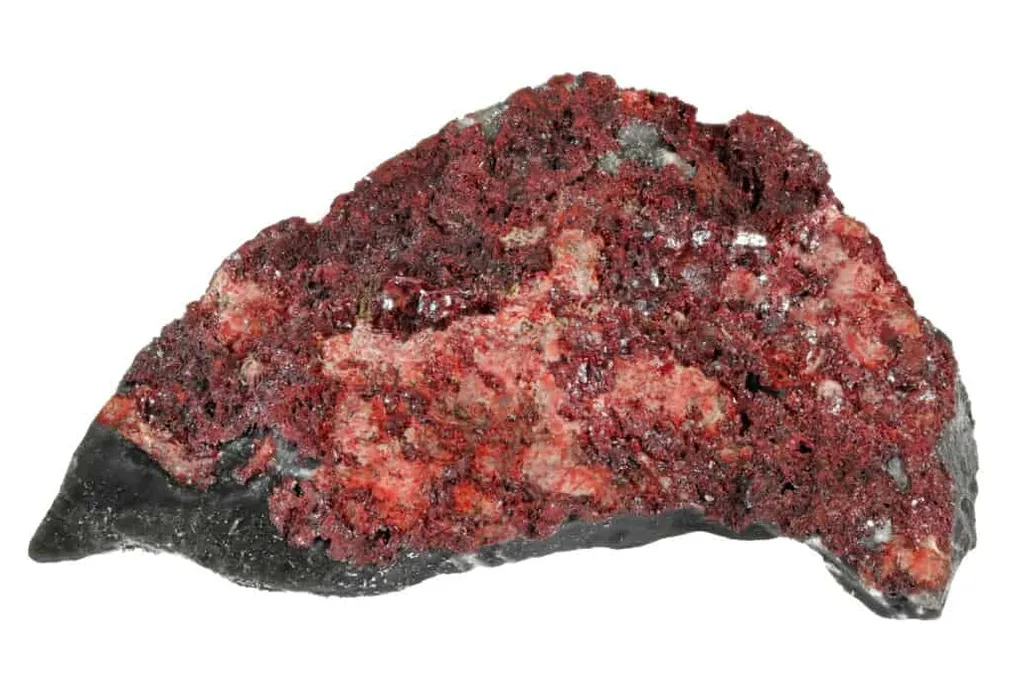
The contamination is linked to the use of cinnabar—a bright red mineral that held immense religious and cultural significance for the Maya. It was associated with concepts such as blood, life, and soul, and was used as a pigment on frescoes and temples, as well as appearing in ceremonies and burial rituals.
The civilization was unaware of the risks of this material, which consists mainly of mercury—a highly toxic element capable of contaminating soil and water bodies.
According to Matt Waters, Professor of Environmental Sciences at the University of Auburn and the study's lead author, the detected concentrations significantly exceeded the limits set by modern toxicological and pollution standards.
The team also found changes in the populations of bacteria, algae, cyanobacteria, mollusks, and mosquitoes in the lake sediments. Many of these organisms decreased in number or disappeared, suggesting that mercury reached various levels of the food chain.
Mercury exposure can cause damage to the central nervous system, brain, kidneys, lungs, and heart.
Savanna Uuten, a postdoctoral researcher at the Jones Center and co-author of the study, noted that the contamination of the aquatic environment suggests a possible exposure of the Maya to the metal through the consumption of water or fish. However, the team could not directly confirm this exposure in the sediment records.
The discovery also adds a potential factor to investigations into the decline of major Mayan cities. Many of them were abandoned at the end of the Classic Period, and among the hypotheses explaining this process are climate change and warfare.
However, the researchers emphasize that there is no sufficient evidence for a direct link between mercury contamination and the abandonment of the cities. In Uuten's opinion, the study merely adds another stress factor to the list of environmental and climatic pressures experienced by the civilization during that period.