In Tehran, representatives from Iran and South Korea examined opportunities to expand interaction in the fields of community-based ecotourism and sustainable ecotourism. A joint initiative was proposed that could encompass around twenty accommodation sites in both countries.
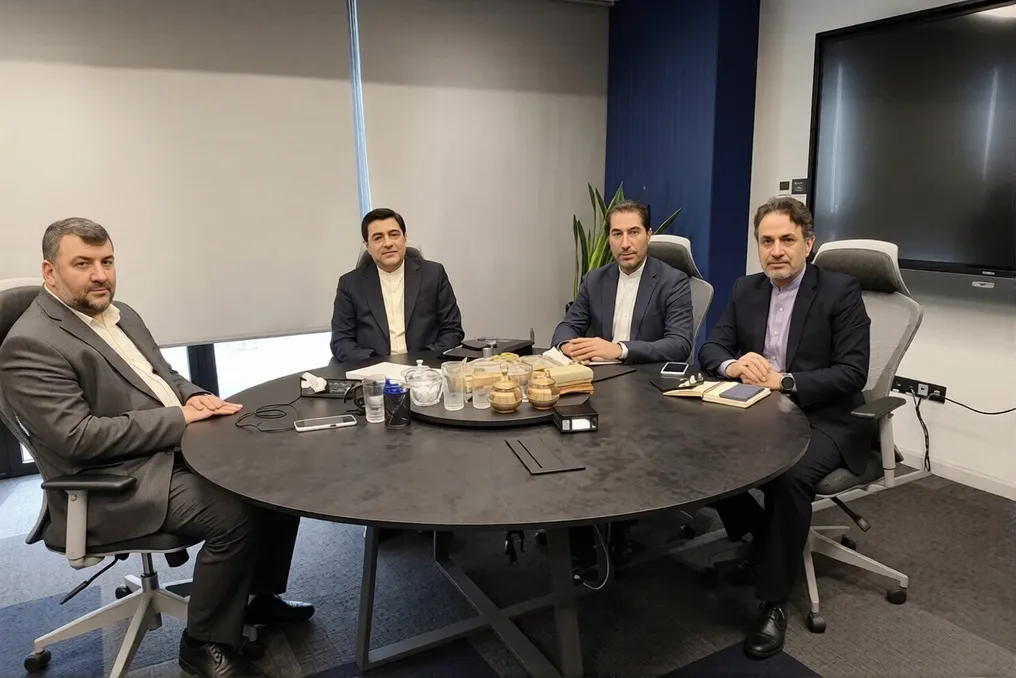
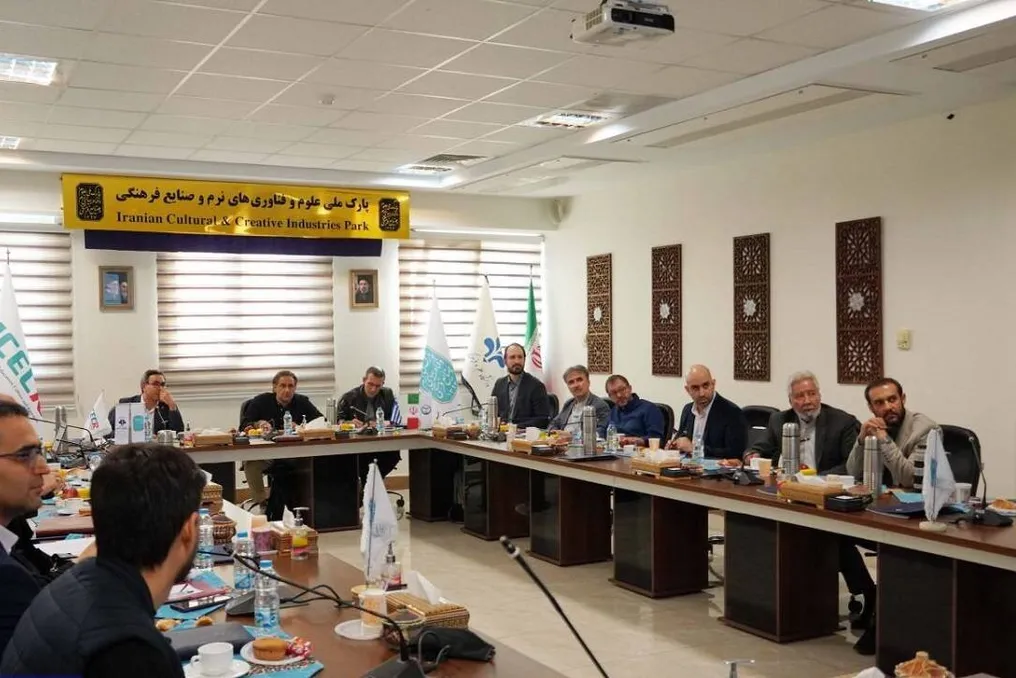
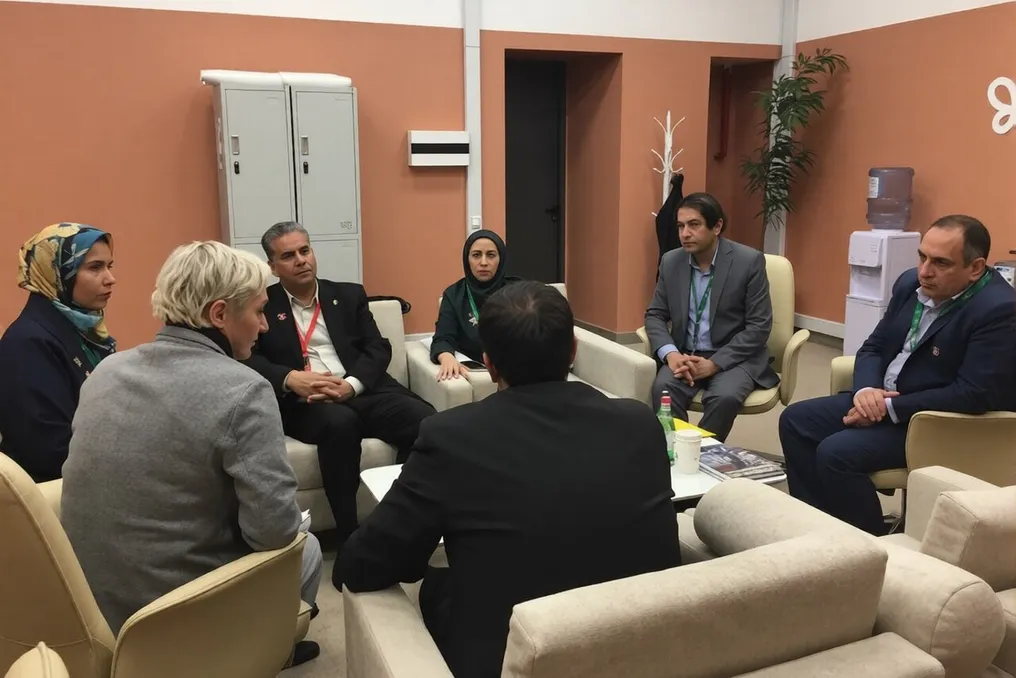
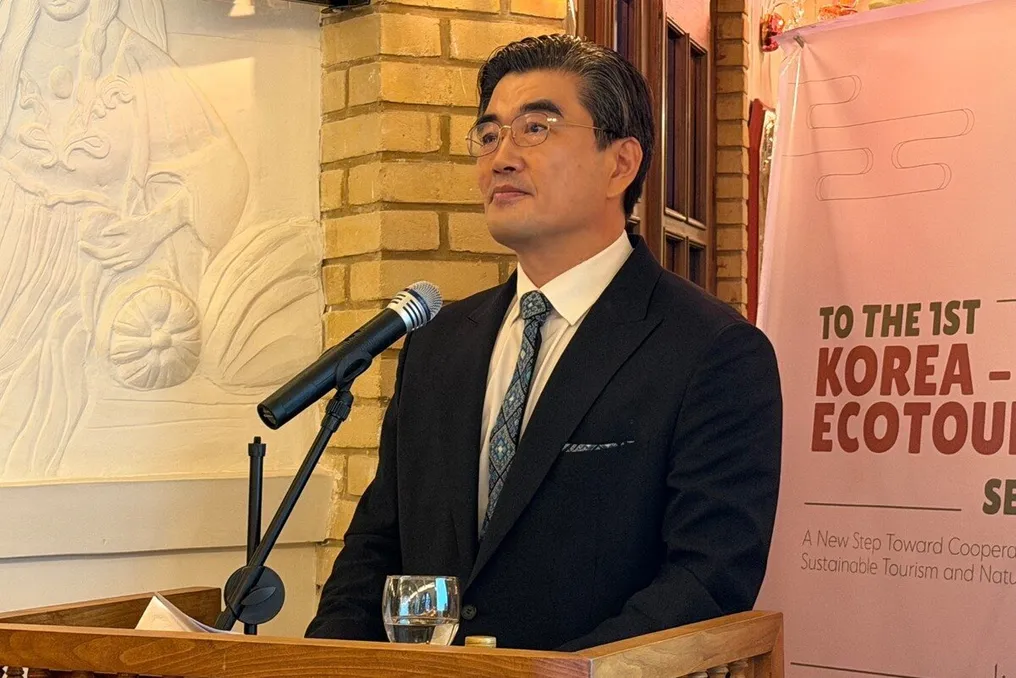
The discussion took place at the Iran-South Korea Ecotourism Seminar, held at the Gran Miras Rashidieh Hotel in Tehran. Participants included Mostafa Fatemi, Director General for Domestic Tourism of the Iranian Ministry of Cultural Heritage, Tourism and Handicrafts; Yavar Abiri, head of the Iranian Association of Eco-Hotels; and South Korean Ambassador Kim Joonpyo.
The main theme of the seminar was the exchange of experience in community-oriented tourism, establishing links between the two countries' ecotourism sites, and promoting the principles of sustainable development.
Iran's Approach to Tourism Development
Fatemi noted that Iran aims to create a tourism model that showcases the country's cultural heritage and hospitality traditions while encouraging visitors to interact with local residents. He described Iranian ecotourism sites as a unique hospitality model where travelers are hosted in homeowners' residences, introduced to local culture, daily life, and traditions.
Fatemi also emphasized the significance of Iranian music and cultural traditions in establishing contact with Korean guests, calling community-based tourism an increasingly important direction in global tourism development. He highly praised the interest shown by the South Korean ambassador in ecotourism, referring to him as the 'ambassador of ecotourism' among foreign diplomats based in Iran.
Yavar Abiri reported that there are over 4000 ecotourism sites across Iran, reflecting the diversity of architecture, ethnic traditions, culture, and music. Most of these are located in rural areas and managed by local families. According to him, these sites contribute to generating income for local communities and supporting small business networks, thereby contributing to sustainable development.
He also highlighted initiatives related to the use of solar panels and greywater management systems, adding that a green tourism program was launched this year to award green labels to ecotourism sites that meet sustainability criteria. Abiri expressed Iran's readiness to host rural tourism operators from South Korea and facilitate knowledge exchange between the two nations. Furthermore, he announced the presentation of an ecotourism award to Kim, naming him the 'ambassador of ecotourism.'
For his part, the South Korean representative welcomed the meeting, calling it an important moment for strengthening friendship between the two countries. Quoting a Korean proverb that 'seeing is better than hearing a hundred times,' the ambassador stated that tourism is rooted in personal contact with people, their lives, and cultures.
He recounted visiting an ecotourism site in Sanganeh, near Tehran, where he spoke with owner Mr. Amiri about Iran's tourism potential. Kim noted that this experience went beyond the natural landscape and traditional architecture, as local residents introduced him to regional cuisine and crafts, and demonstrated efforts toward a deeper understanding of local life.
Drawing on South Korea's experience on an island where locals act as guides and help visitors understand the surrounding nature, the ambassador suggested that sustainable ecotourism can protect nature while supporting local economies. He noted that this approach shares similarities with the work of Iranian ecotourism associations. The ambassador also mentioned the recognition by UN Tourism of rural areas in Iran and South Korea as some of the world's best tourist villages.
Architectural and Cultural Connections
The seminar also reviewed similarities between traditional Iranian and Korean architecture, particularly how both cultures adapt buildings to the environment. Participants discussed Iran's use of underground water systems and wind catchers for cooling, as well as the integration of natural landscapes into Korean urban planning. Traditional materials such as stone, wood, and straw were cited as common features. Speakers also pointed out the use of thick walls to mitigate temperature fluctuations between day and night.
It was emphasized that traditional architecture represents an important part of the cultural identity of both countries and serves as a foundation for ecotourism. The event also highlighted Iran's cultural and culinary diversity, including over 2500 local dishes and more than 350 regional dishes in Gilan province. Attention was also drawn to the role of women in managing family accommodation businesses, creating jobs, and transmitting traditional knowledge.
Speakers noted that Iranian ecotourism sites have evolved over the last 15 years from traditional hospitality practices to increasingly digitized services. They offer visitors experiences such as cooking local food, baking bread, participating in rural life, enjoying traditional music, and purchasing handicrafts.
Proposed Joint Initiative
Participants proposed that Iran and South Korea launch a joint sustainable tourism project, initially involving around twenty ecotourism sites. The proposed cooperation would include technology transfer, training, and experience sharing from South Korea, as well as participation in selecting sites in Iran based on community principles. Speakers also stressed the need to enhance the resilience of ecotourism sites to climate change, drought, rising temperatures, and wildfires, while expanding the use of renewable energy sources and green tourism practices. The seminar was presented as an opportunity to deepen tourism cooperation between Iran and South Korea through cultural exchange and sustainable development.