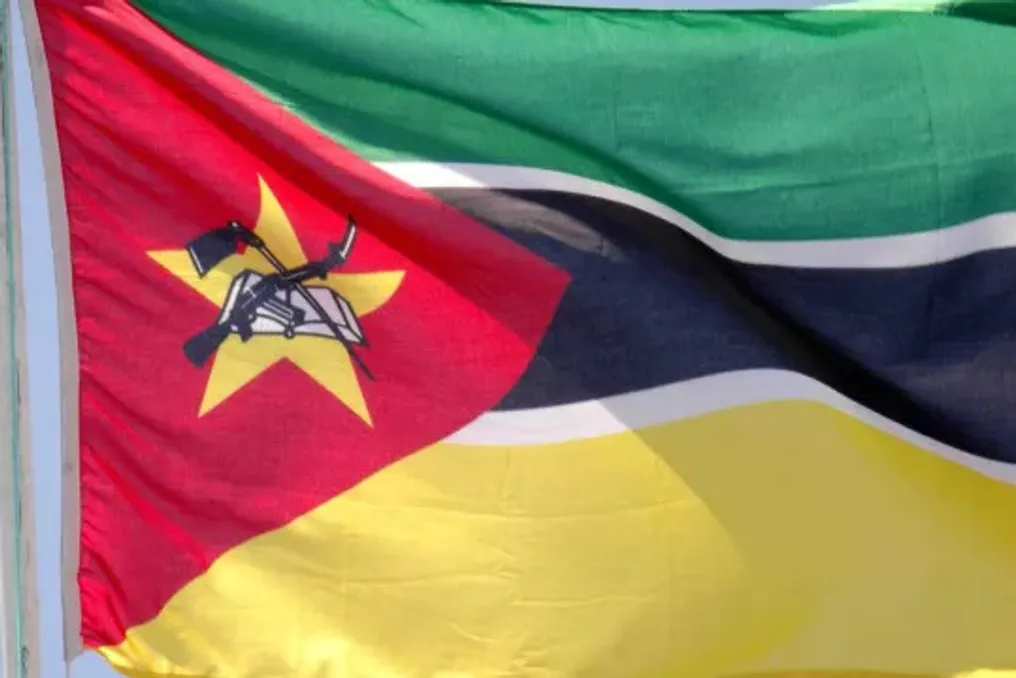
Mozambique launches construction of fields for the development of golf tourism
Read more
Noticias ao Minuto
noticiasaominuto.com

Mozambique launches construction of fields for the development of golf tourism

The Government of Mozambique has announced plans to transform Chigamane, located in Vilanculo district, into a new center for golf tourism. Construction of this project began today and aims to strengthen the tourism offering, attract visitors, and create local employment.

The initiative was presented by the President of the Republic after the laying of the first stone for the construction of the golf courses by Mozambican President Daniel Chapo during a ceremony held in Chigamane, a settlement within the tourism district of Inhambane province.

In its statement, the Presidency indicated that this venture is a bet on diversifying Vilanculo's tourism offerings, striving to increase the district's attractiveness and strengthen its position as a benchmark destination in national and international tourism markets.

According to the report, the project is intended to attract tourists from various regions of Mozambique, as well as from countries such as South Africa, Zimbabwe, Tanzania, and Zambia. This will create conditions for revitalizing the local economy, stimulating entrepreneurial development, and expanding the participation of local operators in the tourism value chain.

The project aligns with a broader strategy developed by the Government for developing golf tourism in Inhambane province. In October, the executive branch approved the legal framework for a new Special Golf Tourism Zone (ZETG), created to attract both domestic and foreign investment capital and develop the high value-added tourism segment.

Established by Decree No. 56/2026, the ZETG covers the districts of Vilanculo, Inhassoro, Massinga, Jangamo, Zavala, and Govuro, with the possibility of future expansion to other areas of the province. This document defines the goal of transforming Inhambane into an 'international platform of excellence in golf tourism, high-end hospitality, fine leisure, and specialized tourism investments,' while strengthening the province's status as Mozambique's 'National Capital and Tourism Hub.'

Within this special zone, approved projects receive a special incentive regime, including access to land reserved for investment, tax benefits, non-financial guarantees, and priority for dividend repatriation for foreign investors.

The model also provides for the creation of a Golf Tourism Development Fund (FDTG), which is intended to finance infrastructure, technical training, international promotion, tournaments, youth public programs, and initiatives for environmental protection and local content usage.

Zone management is entrusted to the state company National Agency for Integrated Tourism Development (Anditur), which is responsible for supporting investors, facilitating licensing processes, issuing project opinions, and seeking funding sources for approved enterprises.

According to information published today by the Presidency, the necessary equipment and machinery for carrying out work in Chigamane are already on site, allowing the project to commence implementation.

In addition to the tourism component, the investments are expected to bring economic and social benefits to local communities through job creation, especially for youth and women, as well as through the promotion of professional training and upskilling programs. Among the planned areas of study is English language learning, which the Government considers an important tool for improving the quality of service to international guests.

In July, the Governor of Inhambane, Francisco Pagula, told Lusa that the province plans to start building the first golf course this year through private investment estimated at five million dollars (4.3 million euros), and that negotiations are also underway for a second project as part of the strategy to turn Inhambane into a regional hub in this discipline.
Similar stories

Mozambique launches agricultural program worth 170 million euros
Read more
noticiasaominuto.com

Mozambique launches agricultural program worth 170 million euros

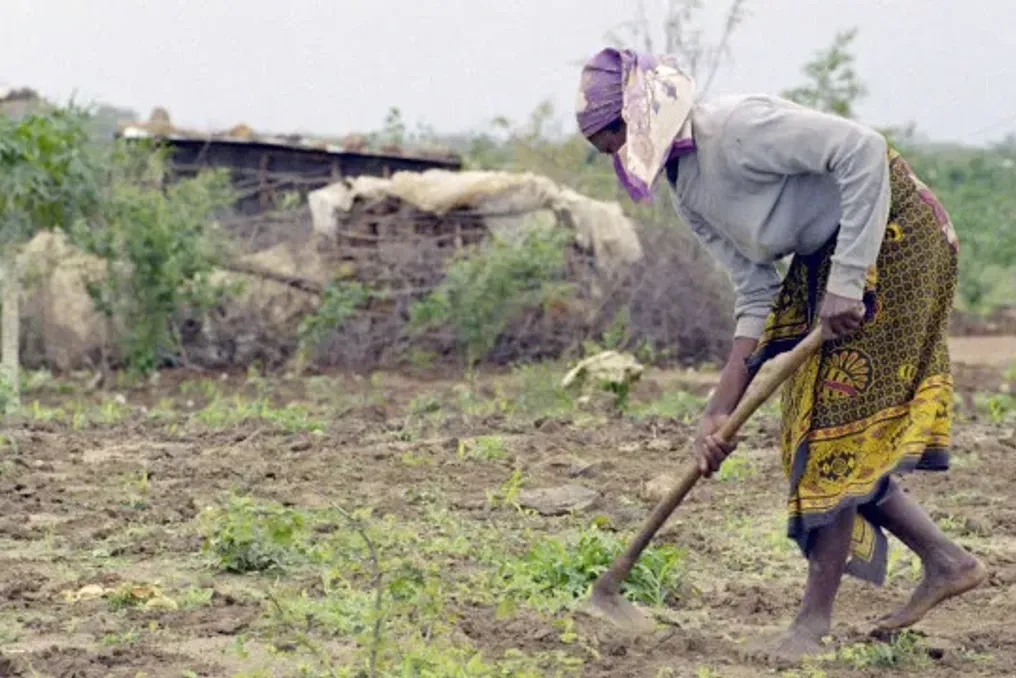
The Government of Mozambique has announced the launch of an agricultural transformation program for the 2026/27 season, valued at $189.8 million (170 million euros). This program is financed by both international institutions and the state and aims to support producers threatened by the El Niño phenomenon.

The program's funding is provided by the state, as well as the World Bank, the African Development Bank, and the International Fund for Agricultural Development (IFAD), according to a statement from Mozambique's Ministry of Agriculture, Environment and Fisheries (MAAP).

The program covers areas such as agriculture, livestock, fisheries, and forestry, as well as development and commercialization. Additionally, it includes policies designed to strengthen production capabilities, ensure food security, and promote the development of agricultural value chains.

Of the total funds, $94.7 million (84.7 million euros) will be allocated for emergency response. This will be carried out through direct and free assistance to producers at risk due to the effects of El Niño. The aid includes agricultural kits, silos, irrigation kits, and feed supplements to ensure food security and increase climate resilience.

The remaining $95.1 million (85 million euros) will be used for the development and agribusiness support component. These funds provide credit lines and institutional support in the areas of seeds, resources, mechanization, irrigation, livestock, fisheries, forestry, and agricultural extension.

Under this plan, the delivery of 905 tillers, 251 tractors, 2,075 tons of seeds, 3,532 irrigation systems, and 3,363 motor pumps and irrigation systems is planned, which can cover areas of 2.5 and 10 hectares, respectively.

The Minister of Agriculture, Environment and Fisheries, Roberto Albino, stated that the plan is mandatory to implement, emphasizing the need to accelerate its execution as these efforts will help fulfill the mandate. He also called on project leaders within the Ministry to ensure consistency in their actions to achieve the goals of the 2026/27 agricultural campaign, following an operational model focused on the private sector.

Through this plan, the Government aims for sustainable growth in production and productivity, integration of value chains, and increased competitiveness of producers, thereby facilitating the transition from subsistence farming to a market-oriented commercial sector. For the executive branch, the 2026/27 agricultural campaign is viewed as an opportunity to enhance production and productivity, stimulate agribusiness, and promote more sustainable, competitive, and market-oriented agriculture.

Cape Verde Tourism Focuses on Improving Inter-Island Connectivity to Distribute Tourist Flows
Read more
noticiasaominuto.com

Cape Verde Tourism Focuses on Improving Inter-Island Connectivity to Distribute Tourist Flows

The State Secretary for Tourism of Cape Verde stated that the priority for the tourism sector is ensuring connectivity between islands so that tourists can move freely throughout the country.

José Pimenta Lima noted during a panel discussion at the 2nd Forum of African Portuguese-Speaking Business, concluding in Cape Verde, that the main goal is to enhance island connectivity. This will allow for the redistribution of the entire flow of visitors arriving at the two main centers of the country—Sal and Boa Vista—where most hotels are concentrated.

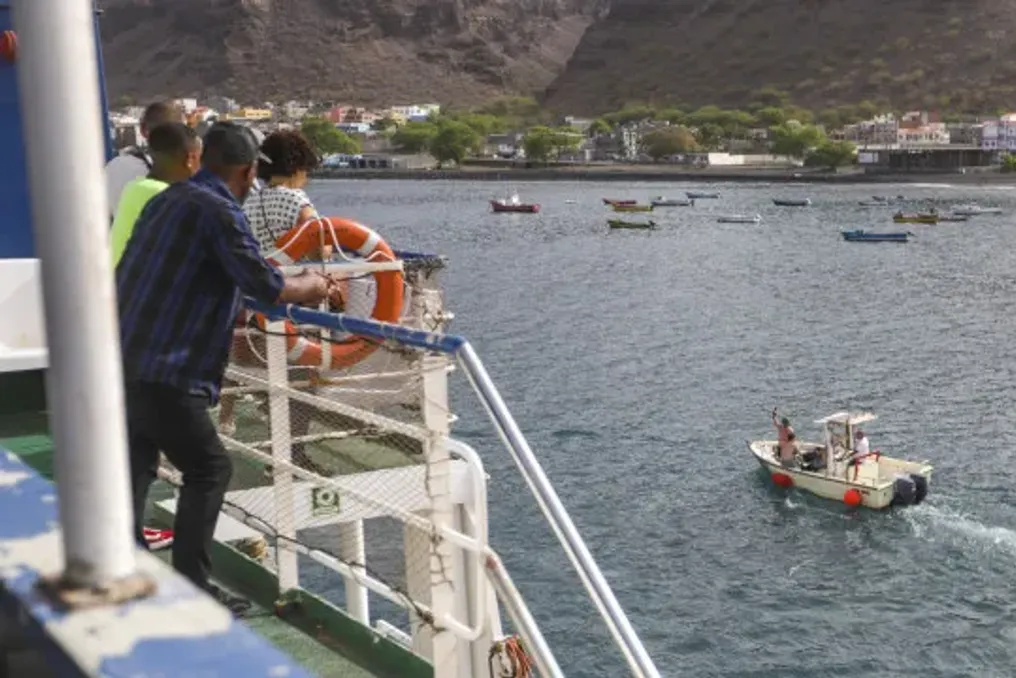
The country, consisting of ten islands (nine inhabited), faces chronic difficulties in maintaining reliable domestic air and sea routes, despite repeated government promises to resolve these issues.

Simultaneously, the government advocated for creating proposals that attract tourists to other islands, as the number of self-guided travelers is growing alongside the expansion of low-cost flights.

Lima cited sport fishing as an example of an activity that attracts visitors with high economic potential. Diversification across islands is considered a critically important measure for evenly distributing income throughout the archipelago.

The State Secretary emphasized that Cape Verde aims not only to increase tourism but also to ensure that more benefits from tourism return to the country itself.

António Baptista, Minister of Economy, added that the country is at a 'turning point,' and tourism can no longer be viewed solely as attracting guests. He specified: 'Tourism is not people; it is a flow of consumption, money that circulates.'

Cape Verde is demonstrating tourism growth, reaching a record of 1.25 million visitors in 2025, and this sector accounts for 25% of the gross domestic product (GDP). However, other sectors, such as agriculture, are not keeping pace to meet the regular needs of hotels.

Baptista noted that the current task is to organize local content so that producers understand the required quality level, while the state must provide incentives.

According to António Baptista, the ultimate goal is to achieve a 'virtual circle' in the economy, where tourism generates revenue for the state treasury through direct taxes and also enriches the pockets of workers who spend money in local shops.

Due to the growth in tourism, especially on the islands of Sal and Boa Vista, where resorts and most visitors are located, there is huge demand for infrastructure and labor.

Pimenta Lima announced that the government is preparing housing programs for sector workers arriving from other islands, as well as strengthening water and energy supplies, since these resources may soon become insufficient.

Both government representatives pointed to public-private partnerships as one way to finance investments. Albert Pascual, Director of Institutional Relations for the hotel group RIU, stated that 'public-private cooperation in Cape Verde works, but it does not work in Spain.'

Infrastructure is one of the four pillars, he said, that justifies the brand's investment in the archipelago, alongside location, culture, and security (institutional and political).

The African Portuguese-Speaking Business Investment Forum, which began on Monday and concludes today on the island of Sal, is organized by the IFC, a World Bank Group member focused on the private sector. According to updated IFC data, over the past five years, this organization has mobilized approximately $1.2 billion (about one billion euros) in 10 projects in Portuguese-speaking African countries.

Popular