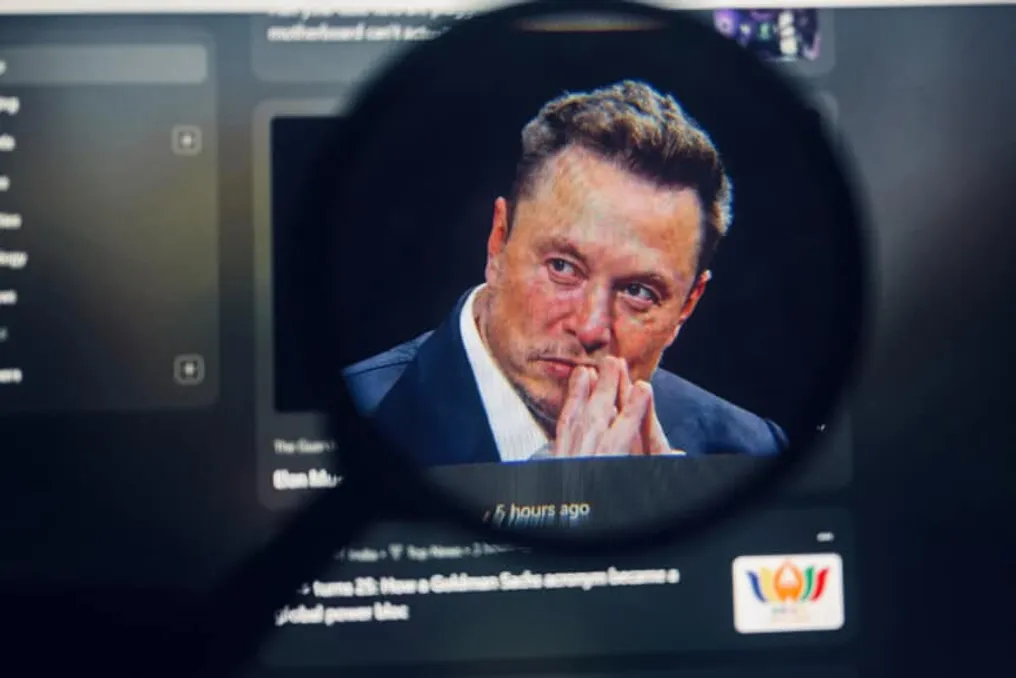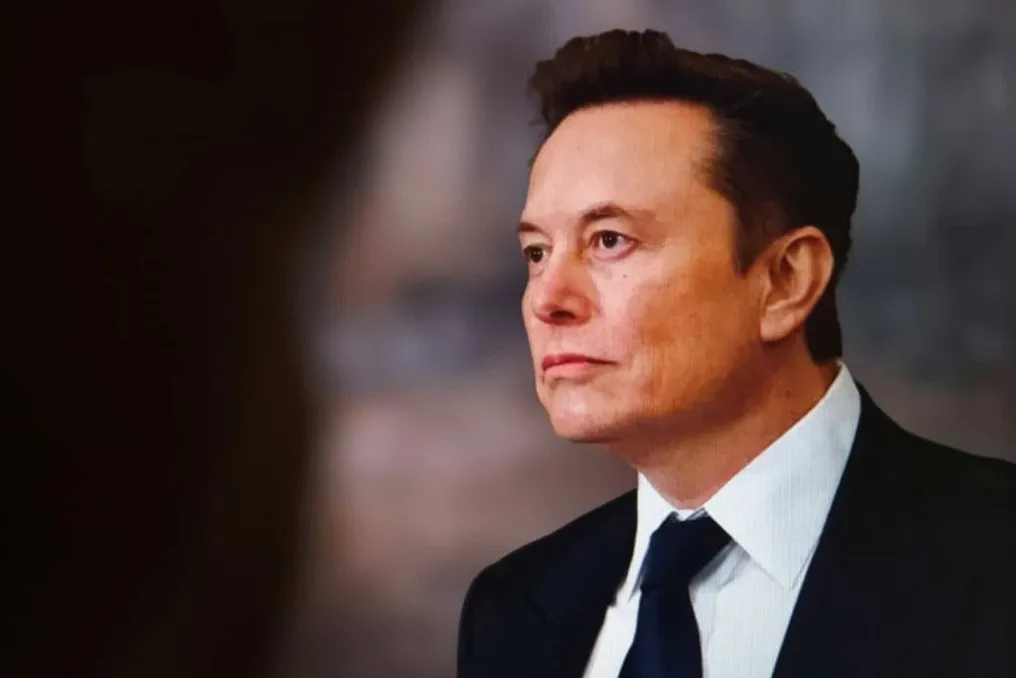
Elon Musk invested nearly half a billion dollars to try to influence the results of the recent midterm elections in the United States. Most of this amount was allocated to support Republican Ken Paxton in the Senate race in Texas against Democrat James Talarico, but Talarico ultimately won.
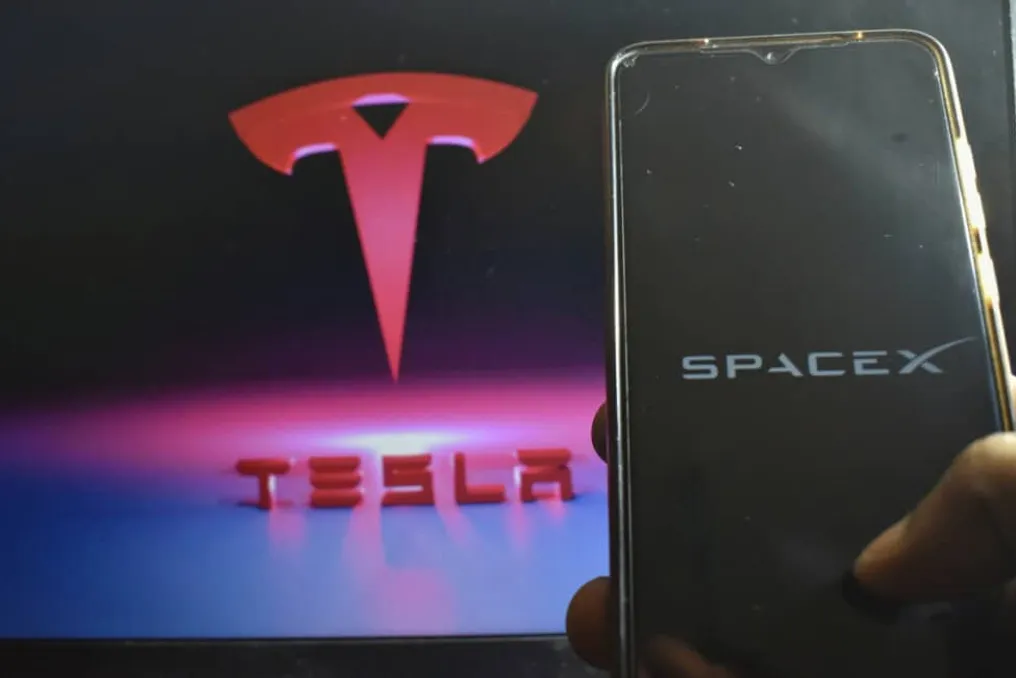
The victories of other Democrats in the state, including for governor and attorney general, could pose challenges for Musk, given that he has two companies based in Texas: SpaceX, which focuses on rockets, and Tesla, which specializes in electric cars.
Nathan Johnson, a Democrat, will take over as the Texas Attorney General, replacing Paxton. In July, Johnson stated that if elected, he would initiate an investigation to verify whether SpaceX's Starlink service received undue subsidies intended for broadband expansion in rural areas.
Furthermore, one of the central points of Gina Hinojosa's campaign, which surpassed Greg Abbott in the gubernatorial race, was strong opposition to data centers, which are essential components for the functioning of artificial intelligence (AI).
SpaceX has ambitious plans to invest in data centers by 2027, including the Colossal 3 project, which will be built near Brownsville, Texas. However, Hinojosa's stance against data centers represents a threat that extends beyond just SpaceX.
Daniel Ives, a technology analyst, informed investors in a statement on Wednesday (04) that Hinojosa is known for her resistance to data centers and her negative view regarding AI expansion. He emphasized that this creates a real concern for technology sector investors regarding the future of data center infrastructure in Texas.
Another issue that could become a major problem for Musk is increased scrutiny. SpaceX already faces criticism due to its operations at the Starbase spaceport, located on the Gulf Coast in Texas. Residents have expressed concerns for some time about the sonic booms generated, culminating in a class-action lawsuit in 2026.
With Hinojosa as governor, these residents' complaints may find a more receptive interlocutor than Abbott demonstrated when he was in office.
Tesla maintains a significant operation in Texas. To illustrate the scale, the company's autonomous vehicles operate in seven US cities, four of which are located in Texas. Municipal governments determine which vehicles, whether autonomous or not, can travel on their roads. In this new political context, the activity of