Iran proposes creating a network for regional educational cooperation within ECO
Read more
Tehran Times
www.tehrantimes.com

Iran proposes creating a network for regional educational cooperation within ECO

Iran has put forward a proposal to establish a network for educational cooperation within the Economic Cooperation Organization (ECO). The goal of this network is to stimulate the exchange of experience, joint research, and scientific and academic interaction among member states, utilizing existing capacities with minimal costs.

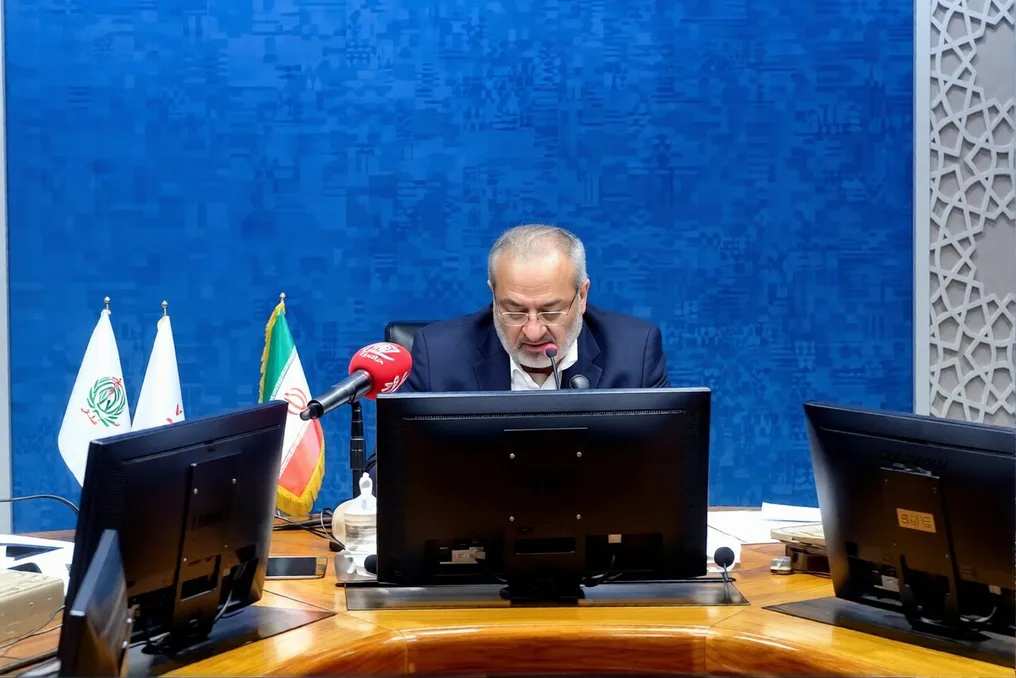
This proposal was presented by Education Minister Alireza Kazemi during the fifth meeting of the Board of Trustees of the ECO Educational Institute, which took place on Friday with the participation of education ministers from member countries.

Speaking at the meeting, Kazemi emphasized the common historical, civilizational, and cultural heritage of the region's peoples, asserting that the ECO zone is not merely a common geographical area, but a land with a shared history, civilization, culture, knowledge, and aspirations.

He stated that the task of the current generation is to transform this valuable heritage into an asset for building a future based on knowledge, education, and solidarity among nations. The minister views education not only as a tool for development but also as an investment in peace, sustainability, and the common future of states.

Kazemi also drew attention to the rapid development of technologies, artificial intelligence, the digital economy, and changes in labor markets, stressing the need to transform educational approaches. In his opinion, modern education must go beyond the simple transmission of knowledge and focus on nurturing capable, creative, and responsible individuals equipped with critical thinking and problem-solving skills.

Highlighting the potential of the ECO Educational Institute to become an active platform for regional cooperation, Kazemi outlined three Iranian initiatives to strengthen educational ties between member states.

The first proposal concerned the creation of an ECO educational cooperation network that would cover universities, teacher training institutions, and research centers across the region. Such a network, according to Kazemi, could facilitate the exchange of experience, joint research projects, and broader academic interaction by leveraging existing resources and incurring minimal additional costs.

The second proposal focused on expanding cooperation in new technologies and artificial intelligence in education. Kazemi noted that the region's countries should act not just as consumers of technology, but as partners in knowledge creation and the development of innovative educational solutions.

As the third priority, he named strengthening technical and vocational education, equipping youth with practical skills, and ensuring the right of children and adolescents to education during crises. He particularly stressed that no child should become a victim of war or crisis.

Kazemi also regarded the exchange of students, teachers, experts, and educational experience among member states as an important opportunity for regional interaction. These contacts, he said, go beyond academic cooperation and represent a form of educational diplomacy that promotes mutual understanding, unity, solidarity, and friendship among the region's peoples.

Expressing Iran's readiness to share its educational experience and capabilities with other ECO members, the minister called for translating joint decisions and agreements into practical cooperation. He added that the ECO Educational Institute can only become a true community of educational cooperation when its decisions lead to the creation of effective networks connecting teachers, schools, teacher training centers, and educational institutions in member countries.

Emphasizing the significance of knowledge and education in shaping the region's future, Kazemi concluded that the future of the ECO region will be determined not by wars and conflicts, but by knowledge, education, creativity, cooperation, and the will of its peoples. He urged member states to activate educational cooperation and transform the ECO Educational Institute into a symbol of the region's collective determination to achieve progress, peace, and development. In his view, sustainable peace must first germinate in the consciousness of future generations before it can take shape on geographical borders, and education is the most crucial means to achieving this goal.
Similar stories

Tehran and Baghdad to Implement Mutual Study Program for Students
Read more
www.tehrantimes.com

Tehran and Baghdad to Implement Mutual Study Program for Students

Iran and Iraq are set to begin implementing a memorandum providing mutual scholarships for students from both countries to expand educational cooperation.

Under this agreement, Iraq will provide 200 scholarships annually to Iranian students, while Iran will offer 100 scholarships to Iraqi students per year. This was reported by the Iraqi ambassador in Tehran, Yasser Abdul-Zahra Al-Hajjaj, citing IRNA.

These statements were made by the official during a meeting with Said Khabiba, head of the Students' Organization, on Monday. He also highly praised the Students' Organization's efforts in addressing the issues of Iraqi students studying at Iranian universities.

For his part, Khabiba emphasized the high academic level of Iranian higher education, which ranks 15th-16th globally. He noted that scholarships would be awarded to Iraqi students who achieved the highest scores on secondary school certificate exams (such as mathematics and geometry for engineering specialties).

If the first year proves successful, the number of scholarships will be increased in subsequent years. Selected students will have the opportunity to study at leading Iranian universities.

The official also stressed the necessity of knowing Persian for attracting foreign students, stating that Iraq could utilize Iranian Persian language instructors to conduct courses for Iraqi students and facilitate their stay in Iranian educational institutions.

Regarding the difficulties faced by international students, including Iraqis, the official stated that they have until December 2nd to upload documents to resolve accumulated issues.

Fostering Academic Ties

Iranian and Iraqi officials discussed ways to strengthen scientific and academic cooperation, promote the exchange of specialized experience, and expand partnerships between the universities and research institutes of the two countries.

The discussions took place during an academic session titled 'Horizons of Scientific and Professional Development,' organized by the Association of Iraqi Graduates of Iranian Universities in Baghdad. The meeting was attended by Iran's scientific advisor in Iraq, Mohammad Jawad Najafi, the head of Iraq's Center for Strategic Affairs, Salah Bushi, as well as several Iraqi graduates of Iranian universities.

The session provided an opportunity to explore paths toward closer academic interaction and the exchange of scientific and professional experience. Speaking at the event, Najafi characterized Iraqi graduates from Iran as valuable personnel playing a key role in developing scientific and technological cooperation, creating joint research projects, and exchanging knowledge between the two states.

He called on graduates to maintain constant contact with their home universities in Iran. For his part, Bushi spoke about the importance of Iranian university graduates for Iraq's scientific and professional progress. He emphasized that the value of higher education is demonstrated in the ability to solve problems, increase organizational productivity, and serve society, noting that obtaining an academic degree is a starting point for developing competencies and acquiring professional skills.

The official also deemed it necessary to utilize the scientific achievements of universities in major research projects and highlighted the need to enhance synergy between the higher education system, labor market demands, and national development priorities. Furthermore, Iraqi students shared their views and expressed concerns regarding postgraduate education, offering some ideas.

On October 20th, the Iraqi ambassador to Iran, Yasser Abdul-Zahra Al-Hajjaj, emphasized that scientific cooperation between the two countries must go beyond student enrollment and include joint research, the exchange of professors and researchers, and stronger technological links. He made these remarks during a speech at a national festival held at the Iran University of Science and Technology.

Referring to significant progress in bilateral scientific relations, Al-Hajjaj reported that thousands of Iraqi students study in over 80 Iranian universities, pursuing medical and non-medical specialties across the country. The past two weeks of Iranian and Iraqi science brought together more than 70 or 80 rectors from both nations, and over 250 memorandums of understanding were signed, indicating a positive experience in expanding scientific cooperation.

The official noted that the establishment of a branch of Tehran Medical University in Iraq has contributed to stabilizing academic relations between Iran and Iraq more than ever before. He added that branches of Tehran University will soon be opened in Karbala and Najaf, and he expressed hope for the opening of branches of Sharif University of Technology and Iran University of Science and Technology in Iraq.

According to the official, Iraq is expanding its educational and research infrastructure, and with the increase in local universities, most Iraqi students will likely study at home. Considering that 85 percent of Iraqi students in Iran are employees who, according to new Iraqi legislation, will face challenges studying abroad, the official suggested viewing this situation as an opportunity rather than a threat to revise the model of scientific interaction between the parties. Otherwise, a probable decrease in the number of Iraqi students in Iran could create new difficulties.

The Iraqi official called for the implementation of joint research projects in fields such as medicine, agriculture, sand and dust, oil, gas, and new technologies like artificial intelligence. The development of joint educational courses and joint supervision of dissertations were among other issues raised by Al-Hajjaj.

Mirziyoyev stated that quality education is a key condition for the development of Central Asia
Read more
podrobno.uz

Mirziyoyev stated that quality education is a key condition for the development of Central Asia

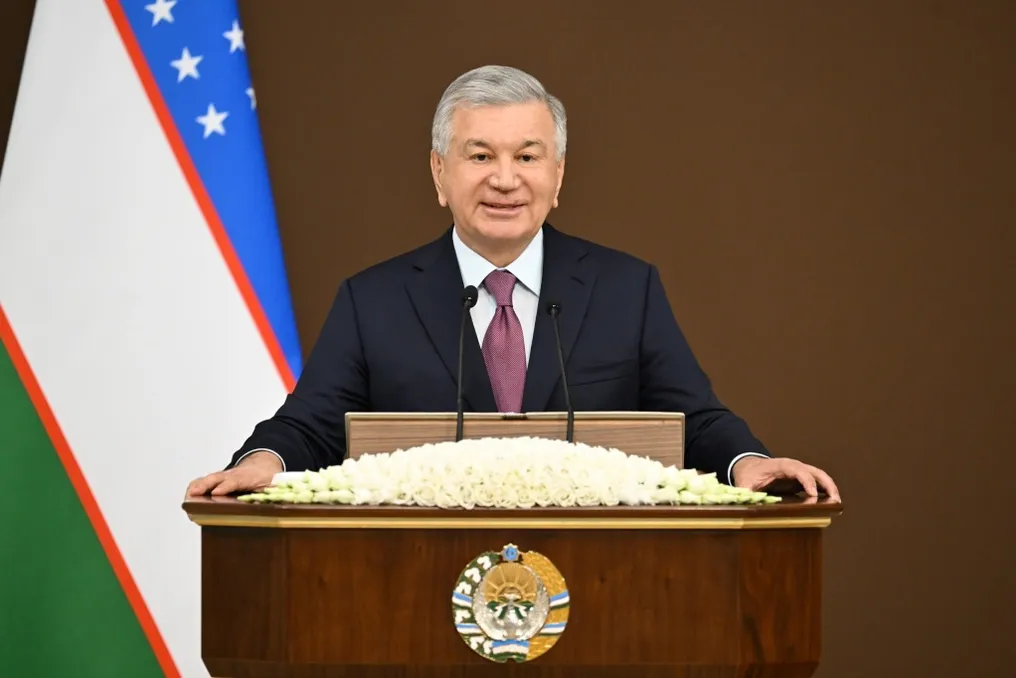
President Shavkat Mirziyoyev called for deepening educational and scientific cooperation between the states of Central Asia. He emphasized the need to implement joint programs as well as organize exchanges for students and researchers.

According to the head of state, modern and high-quality education should serve as the foundation for transforming the region's demographic potential into a powerful intellectual force. These statements were made by Mirziyoyev during his address to participants of the International Educational Forum of Central Asia, which took place in Tashkent on October 28.

The Importance of Education for Regional Development

Mirziyoyev noted that the countries of the region continue to strengthen good neighborly relations and mutual trust, which is why cooperation in the field of education gains critical importance for their further progress. According to World Bank forecasts, the economy of Central Asia will show growth of 5.8% by 2026. At the same time, the population of the region amounts to about 85 million people, and youth are considered the most important resource.

The head of state recalled that in Uzbekistan, education has been recognized as one of the main priorities of state policy. A decree was recently adopted that consolidated the management of preschool, school, vocational, and higher education, as well as scientific activity, into a single system. This decision is designed to guarantee the continuity of the educational process, from mastering basic knowledge to training highly qualified specialists and scientists.

The President stressed that many new specialties will emerge over the next ten years, and the requirements for existing ones will change. Therefore, the education system must not only function as a knowledge transfer mechanism but also promote qualities such as independent thinking, creativity, sense of responsibility, and readiness for continuous learning among young people.

Priorities and Directions for Development

Among the key tasks named by Mirziyoyev are increasing the status of teachers, developing professions demanded by the labor market, and strengthening ties between educational institutions (schools, technical colleges, universities) and industry. Special attention, he said, requires focusing efforts on expanding access to education for girls, residents of rural and remote areas, as well as for young people with special educational needs.

Furthermore, the president highlighted the need to promote artificial intelligence, digital technologies, and modern engineering, as well as to transform universities into centers of scientific research and support for young researchers.

A Comprehensive Approach to Challenges

Discussing regional interaction, the head of state pointed out that global problems such as water scarcity, ensuring energy security, climate change, and technological changes in the labor market require collective efforts. In light of this, he called for expanding partnerships between universities, launching joint scientific projects and educational programs, and supporting the exchange of scientists and students.

Mirziyoyev concluded his speech with a statement that the main strategic goal in this area is to transform Central Asia into a unified intellectual space based on mutual trust and friendship, which unites science, innovation, and high technology.

Central Asia International Education Forum Opens in Tashkent
Read more
uzdaily.uz

Central Asia International Education Forum Opens in Tashkent

The Central Asian International Education Forum opened in Tashkent on October 28. During his address to the participants, the President of Uzbekistan, Shavkat Mirziyoyev, called for strengthening cooperation between the region's universities, increasing the number of joint educational programs and scientific research, and expanding student and academic exchanges.

In his speech, Mirziyoyev emphasized that the strategic goal in this area is to transform Central Asia into a space of mutual trust and friendship, a unified intellectual field combining science, education, advanced technologies, and innovation.

The President noted that global problems cannot be solved alone. Issues of energy and water security, climate change, and shifts in the labor market require the region's countries to combine knowledge and resources.

He referred to a World Bank forecast stating that the Central Asian economy will grow by 5.8% by 2026. Mirziyoyev named the young generation the region's greatest asset, noting that the population is about 85 million people. He stated that high-quality modern education is the most effective way to transform this demographic potential into intellectual power.

Furthermore, the president mentioned a recently adopted decree that consolidates the management of preschool and school education, vocational and higher education, as well as science into a single system in Uzbekistan. This reform aims to ensure continuity at all stages, from acquiring basic knowledge to becoming a specialist or researcher.

Mirziyoyev predicted that attitudes towards many professions will change over the next decade, and entirely new specialties will emerge. Therefore, the education system must cultivate creativity, responsibility, independent thinking skills, and continuous learning in young people.

Key priorities include strengthening the role of teachers, updating curricula, providing career counseling for in-demand professions, and improving links between schools, technical colleges, universities, and industry.

In his speech, the necessity of expanding opportunities for girls, children from rural and remote areas, as well as young people with special educational needs, was also highlighted. Mirziyoyev called this an important condition for building a just and inclusive society. Other tasks include developing artificial intelligence, digital technologies, and modern engineering fields, transforming universities into research and development centers, and supporting young scientists.

Popular