Semnan Province in Iran: Natural Wealth with High Biodiversity Level
Read more
Tehran Times
www.tehrantimes.com

Semnan Province in Iran: Natural Wealth with High Biodiversity Level

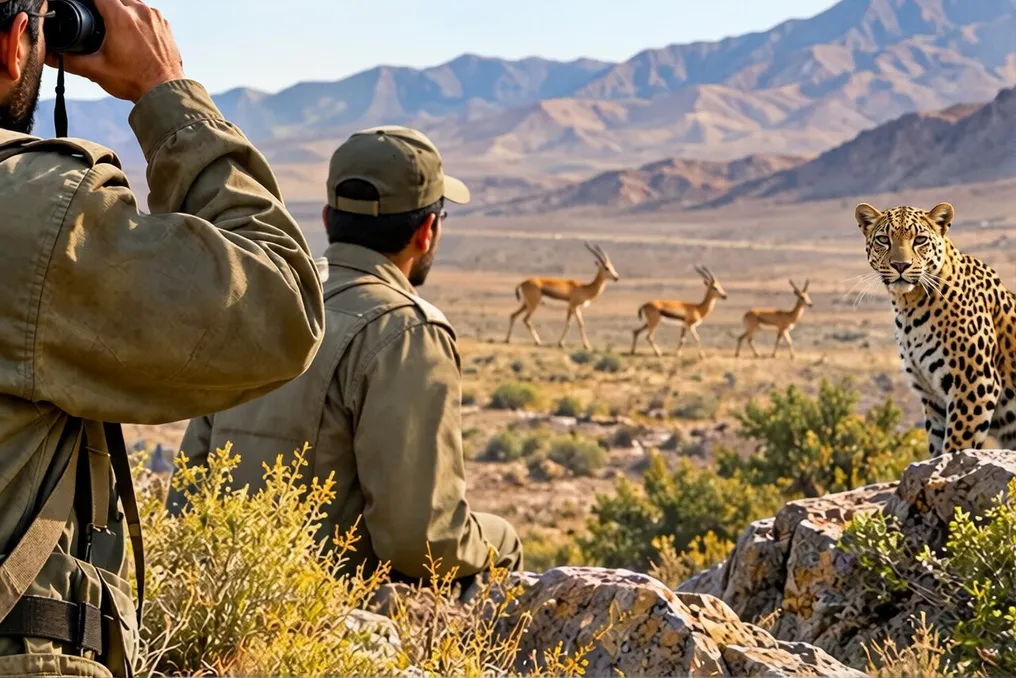
Semnan Province, located in the central-northern part of Iran, possesses an outstanding diversity of plant and animal species. This is due to a wide range of natural habitats, which extend from forests and mountains to wetlands and vast desert landscapes.

Although the province is often associated with the desert and wildlife, its climatic and natural diversity makes it a valuable reservoir of botanical and faunistic biodiversity. Semnan is home to 254 bird species, 69 reptile species, 67 mammal species, 10 fish species, and four amphibian species.

One of the most notable ecological features of Semnan is the presence of all eight species of cats found in Iran: the Asiatic cheetah, Persian leopard, Eurasian lynx, caracal, jungle cat, Pallass's cat, sand cat, and wild cat. Furthermore, the province is home to many other wild animals, including maral (Persian red deer), spotted deer, gazelles, Persian gazelle, wild sheep, wild goats, and the Persian ground jay, as well as drofa.

The preservation of this rich natural heritage depends on protecting wildlife habitats, conserving ecosystems, and ensuring the survival of species in their natural environment. To protect this natural asset, a large area of the province spanning 2.8 million hectares is managed by the Provincial Department of Environment (DOE). The protection network also includes national parks, wildlife reserves, protected areas, no-hunting zones, as well as private or joint protected areas.

Iran is among the 20 countries in the world with the highest level of biodiversity and is home to numerous plant and animal species. Nevertheless, certain actions in recent years have led to habitat destruction and placed many species on the brink of extinction.

To date, over two million plant and animal species have been identified globally, of which 43,000 are found in Iran. There are 11 types of ecosystems worldwide, including aquatic, terrestrial, natural, and artificial, and Iran hosts nine of them. Moreover, out of 42 types of wetlands globally, 41 types have been identified in Iran.

According to the DOE, approximately 2000 animal species have been identified in the country's ecosystems, including mammals, birds, reptiles, amphibians, and freshwater fish, as well as about 1200 fish species. Among these species are 210 mammal species, 640 bird species, 300 reptile species, 23 amphibian species, and 350 freshwater fish species. However, Iran's biodiversity, like that of the entire world, faces several challenges such as habitat destruction, overhunting, drought, and climate change.

To strengthen the protection of wildlife species and their habitats across the country based on a targeted and strategic approach, the DOE implements a comprehensive set of initiatives in conservation, science, law, and operational activities, whose priorities are determined by data and scientific research. According to Peyman Valizadeh, an official of the DOE, the department focuses on a more scientific approach to developing and implementing conservation measures adapted to the specific needs of each species and habitat.

Currently, plans for the conservation of 25 endangered species have been prepared, and another thirteen plans are under development. These plans create a clear framework for species conservation by defining the species status, main threats, conservation priorities, necessary actions, and evaluation indicators, he noted.

Nevertheless, the DOE faces some difficulties in implementing these measures at the national and provincial levels. One of the most serious problems is securing funding to execute the plans. Another problem is the development of specialized capacity for species conservation. A lack of trained, specialized personnel hinders the effective implementation of conservation plans. Therefore, training specialized personnel, developing expert potential in provinces, and strengthening the headquarters' scientific and technical capabilities are on the agenda, emphasized the official.

Regarding measures taken to combat illegal wildlife trade, Valizadeh stated that to promote greater coordination between responsible DOE agencies, he established a National Committee for Combating Illegal Wildlife Trade; the committee has already held three expert meetings. Additionally, the development of a comprehensive plan to combat illegal wildlife trade is nearing completion, and a comprehensive program to prevent this trade is being prepared.

Efforts are being made to manage human-wildlife conflicts by shifting from a reactive stance to identifying critical hotspots, understanding the causes of conflicts, and implementing preventive measures. The DOE has identified certain conflict hotspots for species such as leopards, black bears, and herbivores; data collection on black bears is underway in the Hormozgan and Kermanshah provinces.

Furthermore, Valizadeh added that the DOE has signed an agreement with the National Environmental Fund and the Agricultural Insurance Fund to support local communities and compensate for their losses. He also noted that precise information on species distribution, habitats, migration routes, and ecological corridors makes conservation efforts more effective.

In this regard, the DOE, in collaboration with Shiraz University, conducted research to prepare comprehensive distribution maps to determine migratory and dispersal corridors for herbivores and predators. These maps will serve as a management tool for habitat conservation, preventing and managing human-wildlife conflicts, determining conservation priorities, and properly utilizing intelligent monitoring systems and conservation programs, thereby providing a more accurate basis for conservation decision-making, concluded Valizadeh.

The official continued that the DOE will provide funding, train qualified personnel, and promote intersectoral cooperation to create an integrated system that utilizes scientific information, field data, local community capacities, and executive body potential to develop and implement conservation plans for each species and habitat.
Similar stories

Cham-Jangal Village in Iran: A Hidden Natural Corner Along the Seymareh River
Read more
www.tehrantimes.com

Cham-Jangal Village in Iran: A Hidden Natural Corner Along the Seymareh River

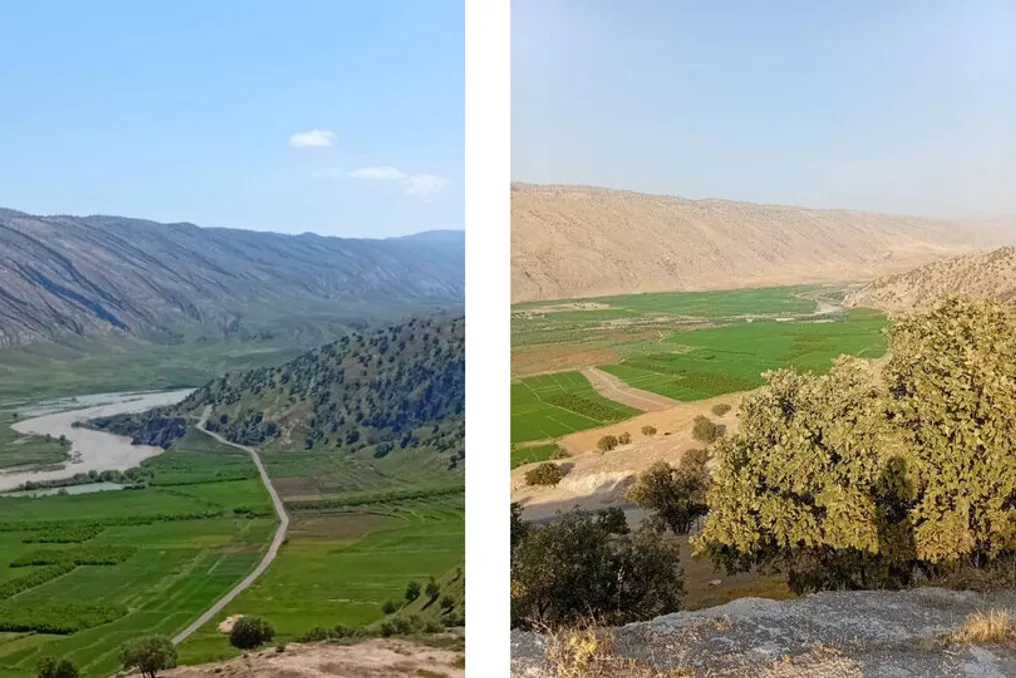
Located between oak-covered mountains and the picturesque Seymareh River in western Iran, Cham-Jangal village is a place where rugged mountains, lush forests, and traditional rural life converge.

Thanks to panoramic views of the river, agricultural heritage, and a remarkable natural attraction that cools the air even in the hottest months, the village has significant potential to become a destination for nature lovers. However, the agricultural landscape is marred by the loss of some historical pomegranate orchards due to rising water levels in the Seymareh dam reservoir.

Cham-Jangal is situated in Rudbar Rural District, Central Sirvan County, Ilam Province, approximately 11 kilometers from the county's main town of Lumar. The village lies near the Seymareh River, surrounded by the Zoreh, Tagtukh, and Lavala mountains, whose slopes are covered with local oak forests.

Its elevated position offers extensive views of the river and the surrounding area, making the village particularly attractive in spring when the mountains turn green and the oak forests create an impressive natural backdrop.

According to Lidy Mirzaei, the village head, the combination of mountainous terrain, forests, and proximity to the river gives Cham-Jangal unique potential for ecotourism.

A Natural Refuge from Summer Heat

One of the most distinctive features of the village is a natural formation located in the mountains. Resembling a small cave, this spot provides surprisingly cool air in the summer, serving as a natural refuge from the surrounding heat.

This unusual phenomenon has made the formation a popular gathering place for locals and an attraction for visitors seeking a cooler environment during the warmer months. Together with the nearby oak forests and mountain landscapes, this location could form the basis for developing small-scale eco-tourism, especially activities related to hiking, sightseeing, and visiting rural communities.

The surrounding Zoreh, Tagtukh, and Lavala mountains also offer opportunities to study the region's natural environment. Their forest cover and elevated viewpoints provide diverse landscapes in a relatively compact rural area.

Nevertheless, transforming these natural resources into a sustainable tourist destination will require improvements in basic infrastructure and careful environmental management.

Despite its tourism potential, Cham-Jangal remains predominantly an agricultural community.

According to the 2016 national census, the village had 203 inhabitants in 120 households. Of these, 71 households were permanent, while the rest were seasonal residents. The main agricultural products are wheat, barley, and rice, and animal husbandry has long played an important role in the local economy.

Agricultural lands and access to water traditionally supported farming and livestock, shaping the livelihoods and daily lives of the residents. Pomegranate orchards once also constituted an important part of the local agricultural landscape, contributing to household income and the rural character of the village. However, this agricultural heritage has suffered due to the Seymareh dam project.

The Cost of Rising Reservoirs

One of the most serious challenges facing Cham-Jangal is the impact of rising water levels in the Seymareh dam reservoir, which has affected parts of the village's agricultural land. Farzad Sharifi, Director General of the Department of Cultural Heritage, Tourism, and Handicrafts of Ilam, reported that some of the village's pomegranate orchards were damaged after being flooded due to the rise in reservoir levels.

These losses have affected not only farmers' incomes but also part of the village's agricultural potential and natural landscape. This situation highlights the problem faced by communities around large water infrastructure projects: the need to balance the benefits of development with the economic and ecological interests of people whose well-being depends on the land.

For Cham-Jangal, protecting remaining agricultural resources and addressing the consequences of rising reservoir levels are crucial aspects of any long-term development strategy.

Infrastructure Still Needs Attention

Basic infrastructure is another issue that needs to be addressed if the village wants to attract more visitors. Mirzaei noted that some streets in the village have been paved, while others still require preparation and paving. Some roads also need curb installation and drainage systems.

She also pointed to the need for environmental improvements, including better organized streets, green spaces, tree planting, and the installation of appropriate urban and recreational furniture. According to her, such improvements could enhance the village's appearance, improve the quality of life for residents, and make it more appealing to guests.

For a place whose appeal largely lies in its natural setting and rural atmosphere, maintaining cleanliness and ensuring that development is compatible with the village's character will be particularly important.

A Broader Landscape of History and Nature

The wider Seymareh region also holds significant historical importance, offering an additional dimension for travel in western Ilam. The ancient city of Seymareh, located in the Seymareh Valley in present-day Darre Shahr, is one of the region's most important archaeological sites. It covers an area of about 120 hectares and is considered one of the largest historical sites in western Iran.

It is believed that the settlement was the ancient Elamite city of Madakht, later known by other names, including Mehregan Kadak and Seymareh. Historical records describe it as a prosperous settlement with two fortresses, which was abandoned, possibly after a major earthquake about a thousand years ago.

British explorer and archaeologist Henry Robinson visited the site in 1836, followed by French archaeologist Jacques de Morgan in 1891. Hungarian-British archaeologist Aurel Stein also explored the area in 1936.

Semnan's Oral Heritage as a Reflection of the Region's History and Cultural Identity
Read more
www.tehrantimes.com

Semnan's Oral Heritage as a Reflection of the Region's History and Cultural Identity

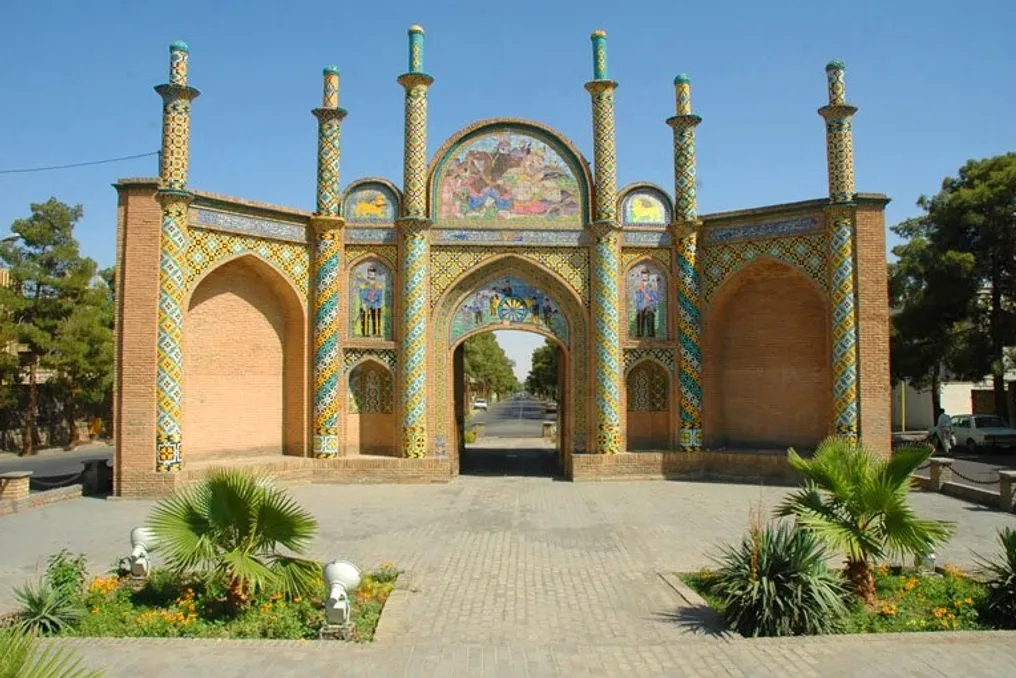
Semnan province, possessing ancient history and significant cultural heritage, is a repository of rich oral traditions, local narratives, customs, and traditional arts of Iran.

These intangible values, passed down from generation to generation, reflect the lifestyle and historical identity of the local population. To ensure the cultural heritage of the province is preserved for future generations, it is crucial to document and conserve it.

Fatemeh Zahra Hagighi, a tourism lecturer and postgraduate student at Semnan University, emphasized the importance of oral heritage as a means for the younger generation to connect with their ancestors and understand the historical and cultural roots of their homeland. This was reported by Miras Aria on Monday.

The historical significance of Semnan is confirmed by numerous archaeological and architectural monuments, such as the Tarikhaneh mosque in Damghan, Mirak, and the Hissar archaeological mounds, as well as the thousand-year-old Seljuk minaret in Semnan itself. These structures demonstrate the province's long-standing role in Iranian history. Nevertheless, Hagighi stresses that preserving only historical buildings is insufficient.

It is also necessary to document the traditional way of life, clothing, crafts, customs, and personal memories of the past. One effective method is conducting oral history interviews with elderly residents, traditional masters, experienced artisans, local researchers, and cultural heritage activists.

With the consent of participants, interviews should be recorded in audio or video format, carefully transcribed, classified, and stored in accessible archives. Collaboration with community councils, local associations, universities, and heritage preservation activists can help identify individuals whose knowledge and memories represent a valuable link to the past.

The linguistic diversity of the province is another important aspect of its cultural identity. Semnan is often described as a 'sea of accents' because many languages and dialects are observed here, which can differ significantly between neighboring settlements and villages.

For instance, distinct linguistic traditions can be heard in Semnan, Mahdishahr, historically known as Sangsar, and Shahmirzade. Similar variations exist in various villages and districts, including Shahrud and Sorche. This diversity is a valuable cultural resource that requires systematic documentation.

Recording daily conversations, local vocabulary, proverbs, folk songs, stories, and traditional expressions could contribute to creating a comprehensive archive of the province's linguistic heritage. Without such efforts, some dialects may gradually disappear as the younger generation begins to use more common languages.

Hagighi also insists that preserving oral heritage is a collective responsibility. By documenting the memories and experiences of the older generation, communities can strengthen their cultural identity and ensure that their traditions, knowledge, and historical narratives continue to reach future generations.

Popular