Photo exhibition of the Mehr Muharram XIX International Digital Media Contest opened in Semnan
Read more
Tehran Times
www.tehrantimes.com

Photo exhibition of the Mehr Muharram XIX International Digital Media Contest opened in Semnan

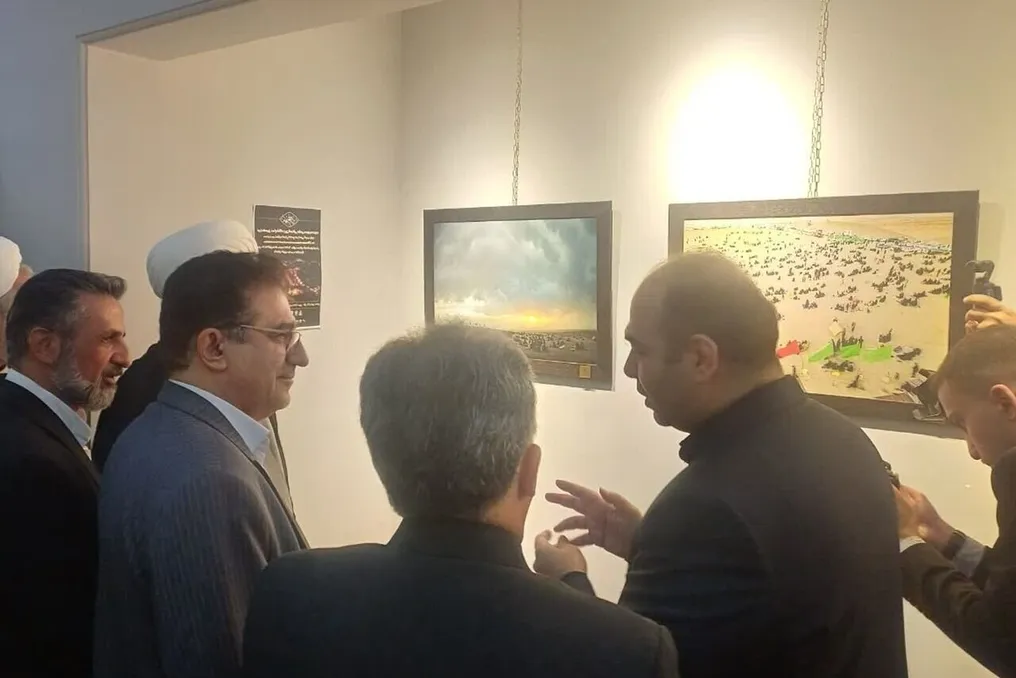
A photo exhibition dedicated to the XIX International Mehr Muharram Digital Media Contest was held in the city of Semnan. The exhibition features works by photographers from Iran and twelve other countries.

The event was organized at the Kumesh Cultural and Artistic Complex. According to IRNA, the exhibition displays 50 selected photographs, including 10 individual photos from a special provincial section, 24 national individual photos, 12 international individual photos, and 4 photo series.

The judges for the international section of the contest consisted of 35 photographers representing Iran, Iraq, Bahrain, and the United Kingdom. These works were selected by the judges from a total of 5294 applications received by the secretariat of the XIX Mehr Muharram Contest from 33 provinces in the country and 12 countries.

The themes focused on in the presented photographs include mourning rituals during the months of Muharram and Safar, Arba'een, domestic mourning gatherings (Rowzeh), and the image of the Martyr Leader.

Muharram is the first month of the Islamic calendar and one of the four sacred months in Islam. It holds special significance in Shia Islam as the Battle of Karbala took place in it in 680 AD, during which Imam Hussein (AS) and many of his family members and companions were brutally killed by the Umayyad Caliph Yazid.

The battle occurred on the 10th of Muharram, known as Ashura, and became one of the defining events in religious memory. For Shias, the first ten days of Muharram are a period of mourning and remembrance for Imam Hussein and other martyrs of Karbala.

Safar is the second month of the Islamic calendar. Arba'een falls on the 20th of Safar, which is forty days after Ashura, observed by Muslims as a traditional period of mourning in Islamic culture.

The photographs will be available to visitors at the Kumesh Cultural and Artistic Complex in Semnan until November 11. The grand closing ceremony of the XIX International Mehr Muharram Digital Media Contest will take place on November 11.

Similar stories

TMoCA Exhibition Explores the Representation and Conceptualization of Iran in Artworks
Read more
www.tehrantimes.com

TMoCA Exhibition Explores the Representation and Conceptualization of Iran in Artworks

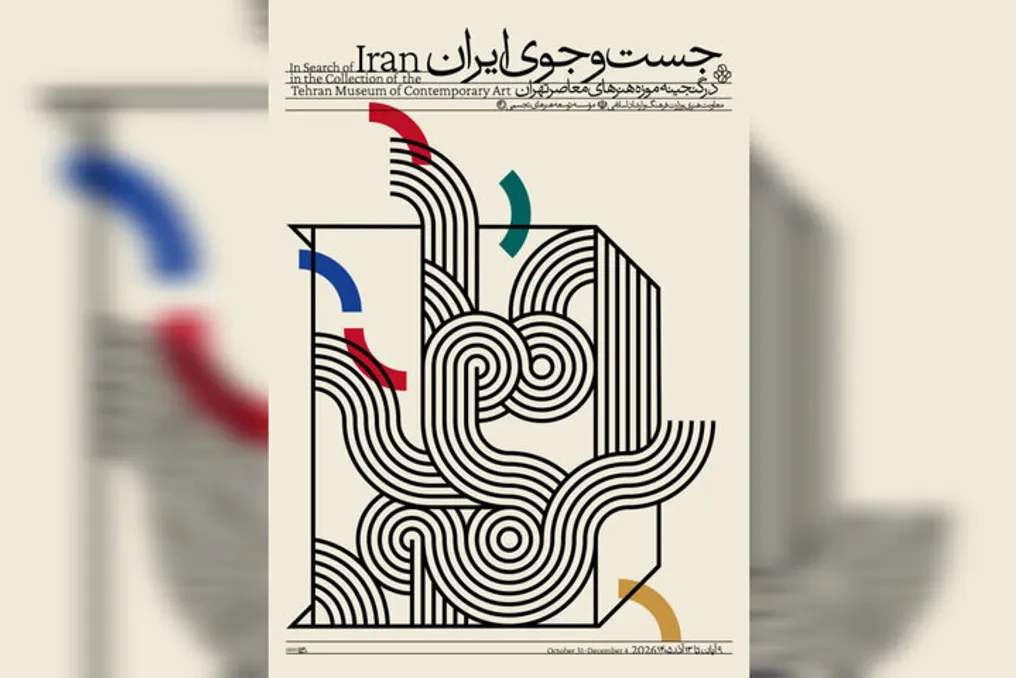
The Tehran Museum of Modern Art (TMoCA) will present an exhibition titled 'In Search of Iran: From the Collection of the Tehran Museum of Modern Art,' which opens on Saturday afternoon. According to Mehr, the exposition analyzes how the concept of 'Iran' is presented and understood through the lens of works by various artists held in TMoCA.

The exhibition touches upon the national significance of the TMoCA collection in the history of modern Iranian art, examining the diverse ways in which artists experience and interpret 'Iran.' A statement for the exhibition reads: 'We are not asking which work is more Iranian; rather, we are asking how Iran has served as an object of vision and representation, and how it persists in modes of seeing and creation. The exploration of Iranian identity in this exhibition begins with the unique experience of the artists—an experience that is sometimes explicitly the subject of the work, and sometimes manifests in the style of expression and construction. Belonging to Iran can be accompanied by memories of place, daily life, migration, or a sense of loss, taking various forms in each artist's work.'

'The 'In Search of Iran' exhibition invites the viewer to reconsider their own perception of Iran when encountering these works. In these pieces, the soil sometimes becomes the material of the work itself, writing transforms into a mode of seeing, and objects retain traces of life and human memory. The presence of familiar symbols does not predetermine the meaning of the work, just as their absence does not necessarily imply a detachment from the Iranian experience.'

The exposition is divided into seven sections, each curated around a specific question, offering the viewer parallel paths for interpreting the artworks. These paths do not follow the chronological sequence of art history; instead, visual and conceptual connections between the works allow for exposure to different interpretations. From this perspective, no single landscape, face, or motif serves as the sole representative of the Iranian experience.

More than one hundred pieces from the collection of modern Iranian art will be featured in the exhibition, including works by artists such as Sohrab Sepehri, Parviz Tanavoli, Parviz Kalantari, Hossein Zenderoudi, Farah Osuli, Reza Maafi, Mohammad Ehsaei, Bahman Mohasses, and others. The exhibition will be open to the public from Sunday until mid-December.

Founded in 1977, the museum houses over 4000 exhibits, including world-class Iranian, European, and American paintings, engravings, drawings, and sculptures from the 19th and 20th centuries. As the largest collection of Western art in the East, it encompasses works from almost all artistic periods and movements.

The museum was designed by Iranian architect Kamran Dibay, who incorporated elements of traditional Persian architecture. The building itself can be seen as an example of contemporary art in the style of the underground Guggenheim museum. Most of the museum grounds are underground, featuring a circular path descending below and galleries branching outwards. In the museum gardens, Western sculptures by artists such as Ernst, Giacometti, Magritte, and Moore can be found.

Tehran hosts international exhibition of mining, construction, and related industries
Read more
www.tehrantimes.com

Tehran hosts international exhibition of mining, construction, and related industries

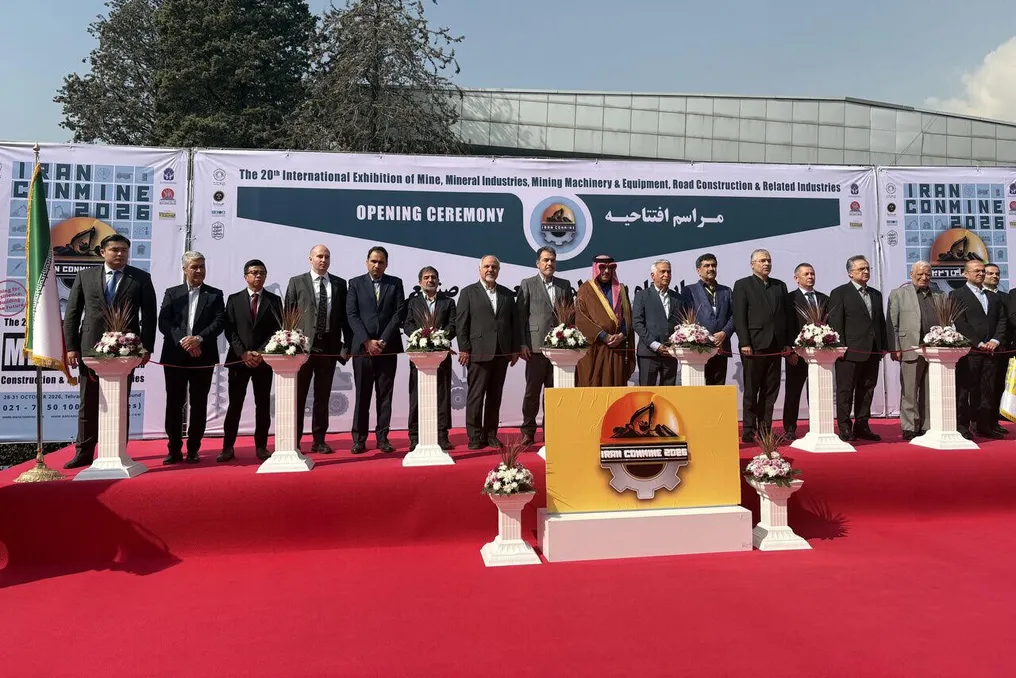
The 20th International Exhibition of Iranian Mining, Construction Equipment, and Related Industries (IRAN CONMINE 2026) opened in Tehran. The event began on Wednesday with the participation of Mohammad Reza Bahramian, Chairman of the Iranian Mining House, Kasra Nouri, CEO of the Iranian International Exhibition Company, as well as ambassadors from Saudi Arabia, Tajikistan, Kazakhstan, and Indonesia, a representative from the Russian embassy, members of the Iranian Chamber of Directors, and industry specialists.

During the ceremony, Mohammad Reza Bahramian emphasized that this exhibition is a crucial event for the country's mining sector and plays a significant role in achieving the state's economic goals. He noted that IRAN CONMINE serves as a platform for exchanging experience between domestic and foreign figures, developing international cooperation, and seeking new investment opportunities in mineral extraction.

The Chairman of the Iranian Mining House announced that under the Seventh Development Plan, the mining sector is projected to grow by 13 percent. This year's exhibition will focus primarily on finding practical solutions to achieve this goal and removing obstacles to the industry's development. Bahramian also announced an approximate 30 percent increase in the number of exhibitors compared to the previous edition, noting that through planning and optimal management of the exhibition space, it was possible to attract more companies and specialists covering the entire value chain in the mining industry—from exploration and extraction to processing.

Highlighting the international nature of the event, Bahramian stated that representatives from 36 countries will participate in this edition, and the presence of ambassadors and foreign economists will help strengthen international ties and expand cooperation in the mining industry. He also drew attention to the difficulties associated with sanctions, noting that overcoming these conditions requires realistic solutions and political stability, as well as attention to the sector's real and potential capacity.

According to an IRNA report, the 20th International Mining Exhibition of Iran took place over four days at the permanent site of the Tehran International Exhibition, with the participation of 128 domestic and foreign companies. Foreign participants included representatives from China, Japan, and India. IRAN CONMINE functions as a specialized event for the mining industry, showcasing equipment, machinery, products, and services related to mineral extraction.

At the beginning of September, the CEO of the Mining Investment Insurance Fund reported that the fund supports 960 private mines, and 2,815 mining machines have been allocated for procurement and modernization. Ali Khatibi explained in an exclusive interview with IRNA that most operating mines are in the hands of the private sector. Of the total 6,451 operating mines, 6,005 belong to this sector, and the fund has already provided support to 960 mines by issuing credit insurance policies. The purpose of this support is not only to provide financial resources but also to reduce investment risks, which allows mines to be equipped, production capacities to be increased, and production continuity to be guaranteed.

The CEO of the Fund also pointed out exploration as one of the riskiest stages of mining activities. The Fund has insured 1,141 exploration zones, and in the Iranian year 1404 (starting March 2025), 33 exploration investment policies were issued, under which over 65,000 hectares of covered areas entered the exploration phase. Khatibi added that reducing exploration risk enables investors to conduct operations such as drilling and trenching with greater confidence, increasing the probability of discovering and developing new reserves. The Fund also focuses on supporting deep drilling, especially operations at depths exceeding 1,000 meters.

Another area of the Fund's support is equipment modernization. Furthermore, at the end of July, a representative from the Ministry of Industry, Mining, and Trade announced the reactivation of 1,200 inactive mines in the country. A basis was laid for broader private sector participation in the mining industry by delegating some headquarters powers to provinces, streamlining administrative procedures, and offering investment packages.

Ezzatollah Zarei noted in an interview with IRNA that state financial resources alone cannot meet the sector's needs. Therefore, it is necessary to create economic attractiveness and pool resources to attract the private sector to exploration and exploitation of deposits. He emphasized that developing private investment benefits both economic entities and government interests, as mine operation generates revenues such as state royalties, ownership rights, and taxes.

Zarei also stated that the mining industry, alongside the oil industry, can play a significant role in the country's economy. He clarified that the mining industry cannot completely replace oil but has the potential to occupy a larger, or even larger, share in the economy and revenue generation alongside oil. The representative of the Ministry of Industry, Mining, and Trade, citing the goals of the Development Program Law, stated that the mining sector's growth should reach 13.5 percent by the end of the period. Measures have been initiated to achieve this goal, including mine activation, infrastructure development, and simplifying the investment process. Specifically, 1,200 inactive mines have been reactivated, and some powers related to mining areas, inactive mines, and permit transfers have been delegated to provinces to accelerate decision-making.
Exhibition in Tehran Dedicated to the Legacy of Hazrat Fatima Zahra Through Art
Read more
www.tehrantimes.com

Exhibition in Tehran Dedicated to the Legacy of Hazrat Fatima Zahra Through Art

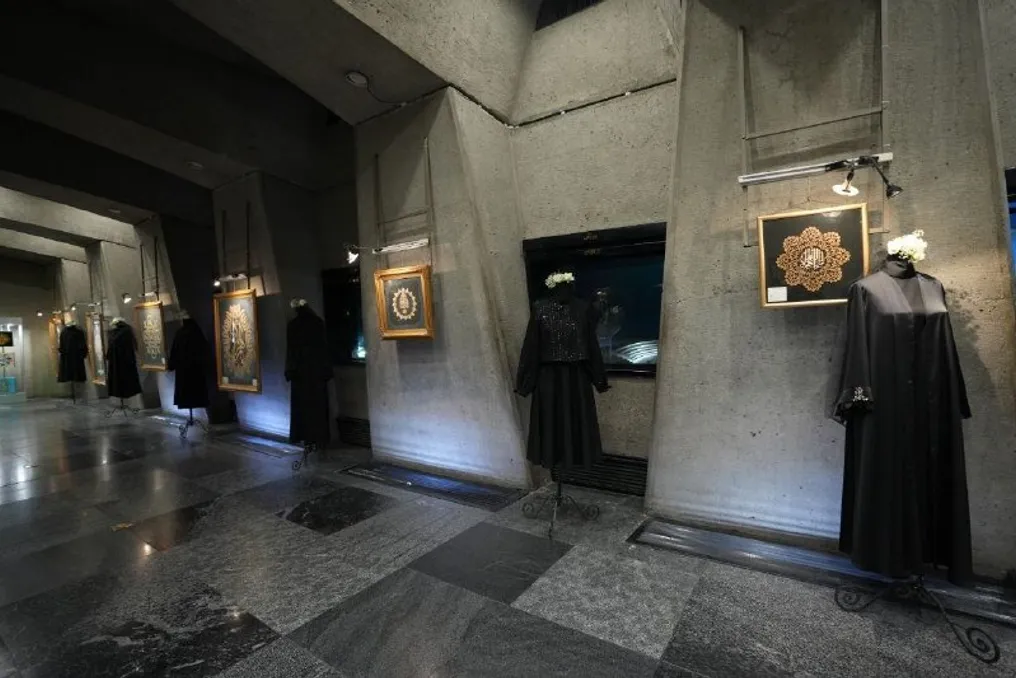
An exhibition dedicated to the legacy of Hazrat Fatima Zahra (peace be upon her), the daughter of Prophet Muhammad (peace and blessings of Allah be upon him), has opened in Tehran. The event brought together calligraphy, traditional crafts, fine arts, and religious concepts and took place at the Azadi Cultural and Artistic Complex on Monday.

The exhibition is titled 'Zahra's Wisdom Imprinted on the World' and showcases works inspired by the spiritual teachings and cultural heritage associated with Hazrat Fatima Zahra. She is revered in Islam as a significant figure whose life is associated with piety, compassion, modesty, and family devotion.

The opening ceremony gathered guests such as Mohammad Allahyari Fomani, CEO of the Rudaki Foundation; Aydin Mahdizadeh, Director General of the Fine Arts Directorate; Amirabbas Setaehsgar, Deputy of the Rudaki Foundation for Artistic Creativity; Reza Mardani, Deputy for Coordination of Halls and Centers; and Seyed Mohsen Hosseini, Director of the Azadi Cultural and Artistic Complex, alongside artists and cultural figures.

The program, organized by the Azadi Cultural and Artistic Complex, presented works by 110 artists from various fields. According to the Rudaki Foundation, visitors can view the exhibitions, participate in art workshops, and discuss their creative approaches and the religious concepts behind their works with the participating artists.

One of the central sections is an exhibition dedicated to Hadith al-Kisa—the narration about the moment when Prophet Muhammad gathered his close relatives under his cloak. In Islamic tradition, this narration is linked to the special status of the Prophet's family, known as Ahl al-Bayt. Seventy calligraphers participated in this part, writing the Arabic text of this narration and its translation into Persian.

Another twenty calligraphers contributed works depicting Ziyarat Ashura, a religious text related to Imam Hussein (peace be upon him), the third Shia Imam and grandson of Prophet Muhammad (peace and blessings of Allah be upon him). The opening ceremony also featured the presentation of the book Ziyarat Ashura, which contains the works of the participating calligraphers.

A separate workshop conducted as part of the event involved fifteen artists working in techniques of engraving, Kalamkari (traditional Persian textile printing), painting, miniature painting, and calligraphy. These artists created works based on Fatimid teachings and artistic traditions through which religious ideas were passed down and preserved from generation to generation.

The exhibition also includes a section dedicated to modesty and hijab, curated by artist Zohreh Abdollahi, who explores female identity and attire through an artistic lens. A ceremonial element of the program was the performance by the choir 'Daughters of the Revolution.'

Hazrat Fatima Zahra (peace be upon her) holds a key place in Islamic history and devotion. As the daughter of Prophet Muhammad and Khadijah, she is revered by Muslims, especially in the Shia tradition, as a model of faith, dignity, and moral purity. She was the wife of Imam Ali (peace be upon him) and the mother of Imam Hasan (peace be upon him) and Imam Hussein (peace be upon him).

The life and legacy of Hazrat Fatima Zahra have inspired centuries of religious literature, poetry, calligraphy, and other forms of art. Festivals in honor of Hazrat Fatima Zahra are often held in connection with Fatimiyyeh, a period of mourning and remembrance observed by many Shia Muslims in memory of her death. This occasion provides an opportunity to reflect on her place in Islamic tradition and the values associated with her life.

The combination of sacred texts, traditional crafts, and contemporary artistic expression in this exhibition provides a platform for studying these themes within the context of Iran's cultural heritage. The exhibition will be open to visitors for four days, until Friday, October 30.

Popular