Uzbekistan is refining the draft of a new Environmental Code to unify environmental protection legislation
Read more
UzDaily
uzdaily.uz

Uzbekistan is refining the draft of a new Environmental Code to unify environmental protection legislation

Uzbekistan continues work on the draft of a new Environmental Code. The goal of this document is to consolidate existing environmental legislation into a single legal framework, strengthen environmental protection mechanisms, and promote the rational use of natural resources.

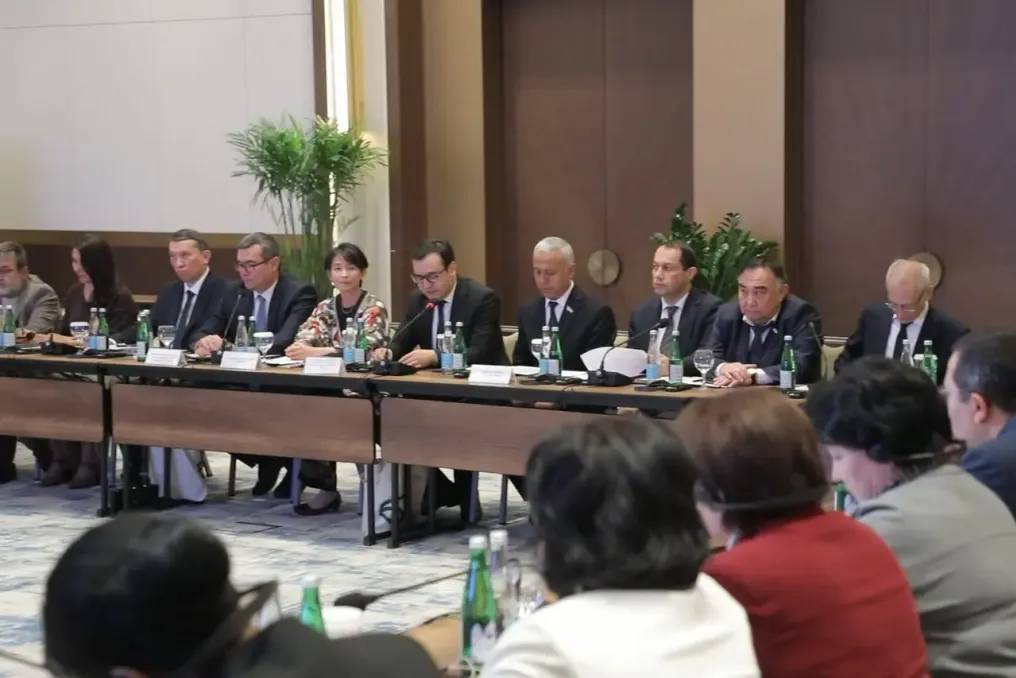
According to the commission, the project was discussed at a seminar organized by the National Committee on Ecology and Climate Change together with the United Nations Development Programme (UNDP).

Participants in the seminar included Iskandar Kutbiddinov, Deputy Chairman of the Ecology Committee; Akiko Fuji, UNDP representative in Uzbekistan; members of the Legislative Chamber of the Oliy Majlis; as well as representatives from the World Bank, the European Bank for Reconstruction and Development, the International Union for Conservation of Nature, the German Agency for International Cooperation (GIZ), the Global Institute for Green Growth, state bodies, and international organizations.

Speaking at the seminar, Kutbiddinov emphasized the need to take into account international experience and expert recommendations when preparing the Code. Fuji noted the close relationship between economic development and environmental protection.

The project provides for the consolidation of current environmental protection legislation, improvement of nature conservation measures, and the introduction of methods to ensure the rational use of natural wealth. Furthermore, the document aims to create a legal basis for fulfilling Uzbekistan's international environmental obligations and achieving sustainable development goals.

Seminar participants reviewed international approaches to biodiversity conservation, reducing negative impacts on natural ecosystems, compensating for environmental damage, and restoring natural territories. Representatives of international organizations presented their proposals and recommendations for improving this document.

According to the committee's report, almost all recommendations previously submitted by UNDP have already been incorporated into the draft Code. In the next stage, the document will be revised taking into account the comments and suggestions made by the seminar participants.

It is expected that the adoption of the new Environmental Code will strengthen Uzbekistan's environmental governance system in line with modern requirements, enhance the legal mechanisms for preserving natural resources, and ensure environmental protection for future generations.
Similar stories

Uzbekistan to change water tariff approval rules in 2027
Read more
uzdaily.uz

Uzbekistan to change water tariff approval rules in 2027

Starting January 1, 2027, Uzbekistan will transfer the authority for approving drinking water and sewage tariffs to the Interdepartmental Tariff Commission under the Cabinet of Ministers. This will replace separate regional price decisions with a unified system based on economically justified criteria.

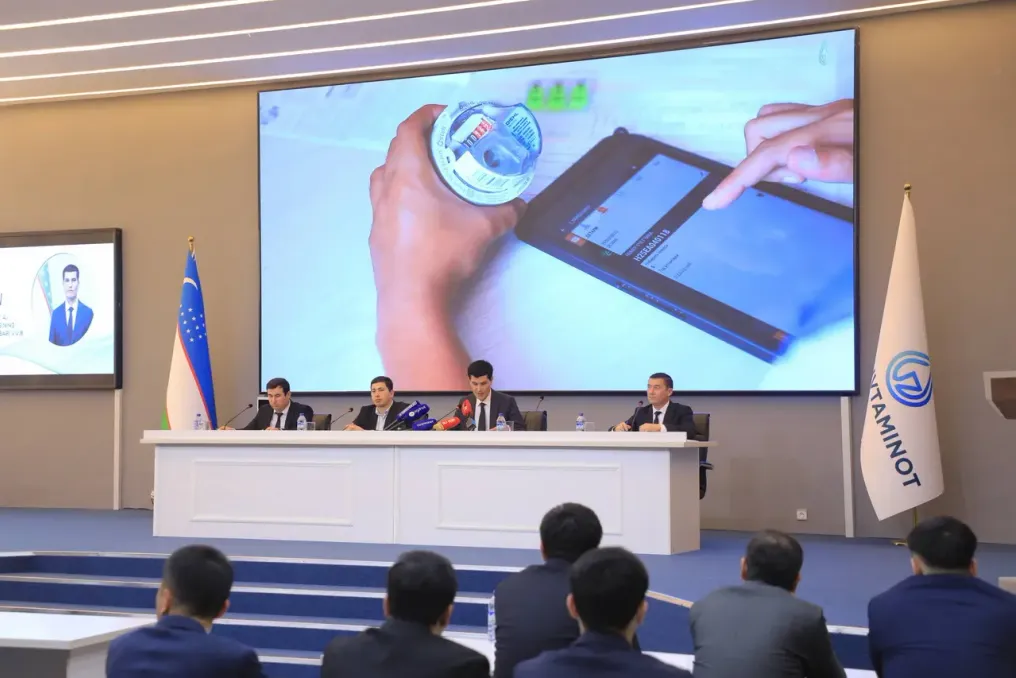
These changes were announced at a press conference attended by representatives of JSC "Uzsuvtimnot". The event also discussed the financial status of water supply companies, outstanding consumer debts, and planned reforms in the sector.

Another change is scheduled for April 1, 2027: authorities plan to introduce a single water tariff for state organizations.

Factors Affecting Service Costs

According to JSC "Uzsuvtimnot", the cost of providing water supply and sewage services depends on electricity prices, infrastructure maintenance costs, employee salaries, and debt servicing costs. The increase in electricity tariffs has become a significant factor affecting operating expenses.

The electricity tariff increased from 450 to 900 soms on October 1, 2023, then to 1,000 soms on May 1, 2025, and reached 1,100 soms on June 1, 2026. As a result, electricity costs have risen by 2.4 times over three years.

The average tariff for drinking water for households nationwide is currently 3,765 soms per cubic meter, or 4,217 soms including VAT. The average sewage tariff is 2,008 soms.

As of October 27, revised tariffs were approved for six water supply enterprises. In the Andijan region, the drinking water tariff increased from 1,650 to 2,500 soms per cubic meter, while in the Navoi region, the rate was raised from 3,500 to 4,200 soms. In the Samarkand region, the tariff increased from 2,800 to 3,600 soms per cubic meter. In the Surkhandarya region, the price rose from 5,300 to 6,800 soms, and in the Tashkent region, the tariff increased from 2,600 to 3,100 soms. The tariff for the main water supply enterprise Chimgan-Charvak was adjusted from 1,500 to 1,700 soms.

Consumer Debt Problem

Uzbekistan's water supply sector also faces a significant problem of unpaid consumer debts. According to JSC "Uzsuvtimnot", the total debt owed to enterprises in the system reached 542.6 billion soms as of October 1, 2026. Households are responsible for 430.7 billion soms of this amount, and legal entities for 111.8 billion soms.

The highest level of debt was recorded in Tashkent—92.9 billion soms. The Andijan region follows with 74.1 billion soms, while the Tashkent region had a debt of 61.6 billion soms, and the Fergana region had 57 billion soms.

To collect unpaid bills, water supply companies filed 167,783 applications with notary bodies and courts during 2026. Following their review, 114,305 enforcement acts were issued by notaries and court rulings. Of these, 110,563 enforcement documents were sent to the Enforcement Bureau.

New Payment Collection Mechanism

From 2027, Uzbekistan also plans to implement an updated mechanism for collecting debts related to water supply and sewage services. The procedure will depend on the size of the consumer's debt. Debts not exceeding 1,000 basic calculation units (BCU) will be collected through notarial procedures. Cases with debts above this threshold will be transferred to courts.

If a consumer fails to meet their payment obligations after an enforcement document is issued, legislation provides for the possibility of restricting electricity payments according to established procedures. However, this restriction does not apply to families included in the Unified Social Protection Register. Authorities clarified that restrictions will not be applied immediately upon the occurrence of the debt; consumers will be given time to settle their obligations according to the established order.

The planned reforms are linked to Presidential Decree No. UP-140 dated July 24, 2026, which defines measures to improve tariff regulation, strengthen the financial stability of water supply enterprises, and enhance service quality. The decree provides for shorter periods for tariff revisions when energy costs change, as well as greater transparency in pricing and advance notification to the public about tariff changes. It also provides for directing funds toward the repair and modernization of water supply systems. The transition to centralized tariff regulation should ensure uniformity in the criteria for approving water and sewage prices across Uzbekistan while improving the financial stability of companies in this sector.

Uzbekistan plans to introduce deposits for packaging and tighten waste management regulations
Read more
podrobno.uz

Uzbekistan plans to introduce deposits for packaging and tighten waste management regulations

A new version of the 'Waste Law' has been developed in Uzbekistan, which introduces a unified waste classification system, expands the responsibilities of producers and importers, and establishes new norms for handling construction, medical, and hazardous waste.

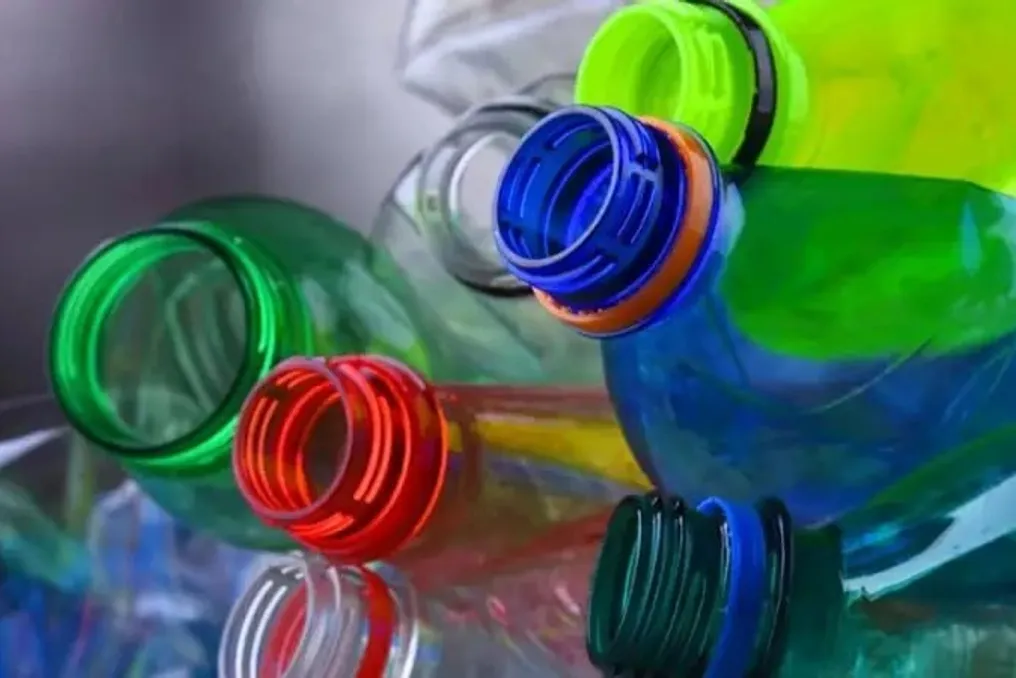
Key proposals include the introduction of a mandatory deposit system for plastic and glass bottles, as well as aluminum cans. Consumers will be able to receive a refund for the deposit when returning used packaging.

The draft law was reviewed in the Legislative Chamber of the Oliy Majlis on October 20. Iskandar Kutbiddinov, Deputy Chairman of the National Committee on Ecology and Climate Change, appealed to deputies to approve the document in the first reading.

The need to update the legislation is due to the fact that the current law was adopted 24 years ago. Over the past time, changes have occurred in the composition and volume of waste, more private operators have appeared, and public-private partnership mechanisms and digital accounting systems have developed.

According to data presented at the meeting, 15.1 million tons of household waste were generated in the country in 2025, but the sorting rate reached only 5.2%, while the recycling rate for plastic, glass packaging, and aluminum cans is only 6.2%.

To solve these problems, it is proposed to implement a mandatory deposit system: the buyer pays a deposit for the beverage packaging, which is returned after returning the empty packaging. A transition period will be provided to producers and trading organizations to create the necessary infrastructure.

The draft law also provides for changes regarding construction waste. According to Kutbiddinov, the volume of such waste increased from 1.2 million to 1.9 million tons between 2017 and 2025. The new law obliges consideration of costs for collecting and removing this waste in design and estimate documentation.

The document also provides for the introduction of a unified waste classification, divided into five hazard classes, licensing of its transportation, and establishing special requirements for transport of hazardous materials. Rules for the collection, transportation, and neutralization of medical and biological waste are specified separately.

Furthermore, it is proposed to prohibit the import of waste into Uzbekistan for storage or landfilling, and to clarify the rules for its transit and strengthen supervision over landfills, including those that have ceased operation. A minimum setback of 300 meters from residential buildings is established for transfer stations.

The draft law also affects the responsibility of producers and importers. Obligations for the collection and recycling of waste are established for certain types of products and packaging, and in relevant cases, the obligation to pay a recycling fee.

A separate section is dedicated to the payment of waste removal services. It enshrines requirements for the economic justification of tariffs, their approval by local kengashs, and mandatory publication for the public. Funds collected from payments are planned to be distributed among service providers proportionally to the work actually performed.

During the discussion, deputy Narimon Umarov proposed amendments to the document before the second reading. He insists on enshrining the principles of the circular economy and reuse of waste, as well as including the Cabinet of Ministers in the list of authorized bodies. Furthermore, he demands the specification of a state control and permanent monitoring mechanism for waste facilities, as compliance with new requirements would be difficult without such supervision. The deputy cited landfills and industrial accumulators requiring regular control as examples.

Earlier, the Minister of Construction, Sherzod Khidoyatov, reported in the Oliy Majlis about the existence of over 720 illegally built multi-story buildings in Tashkent, but later the Ministry of Construction corrected this figure, clarifying that there were only 61 such buildings.

Popular