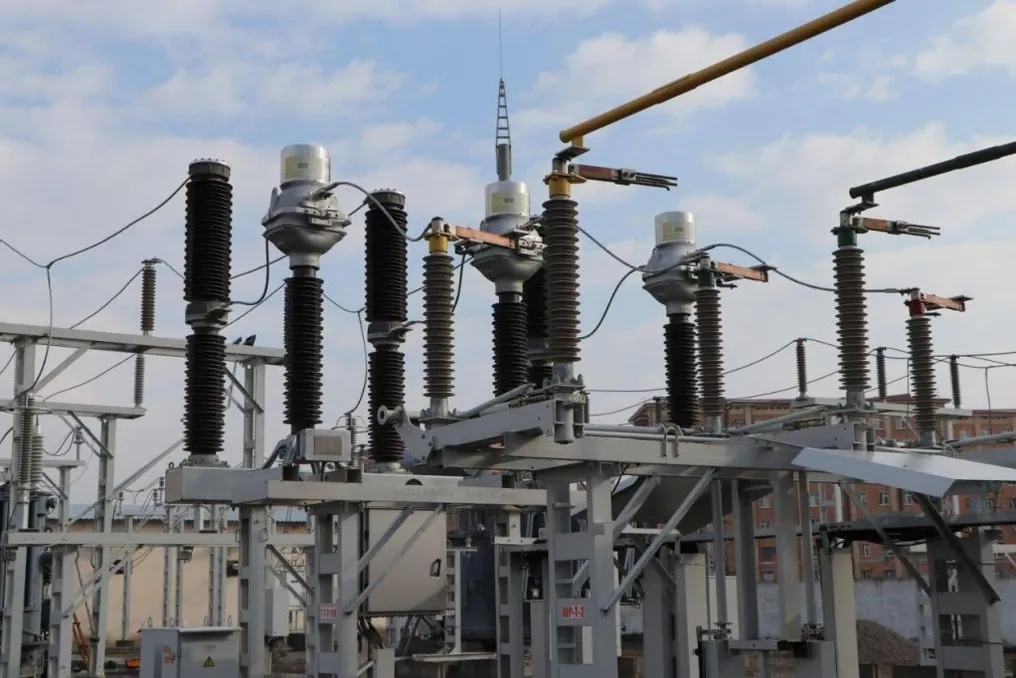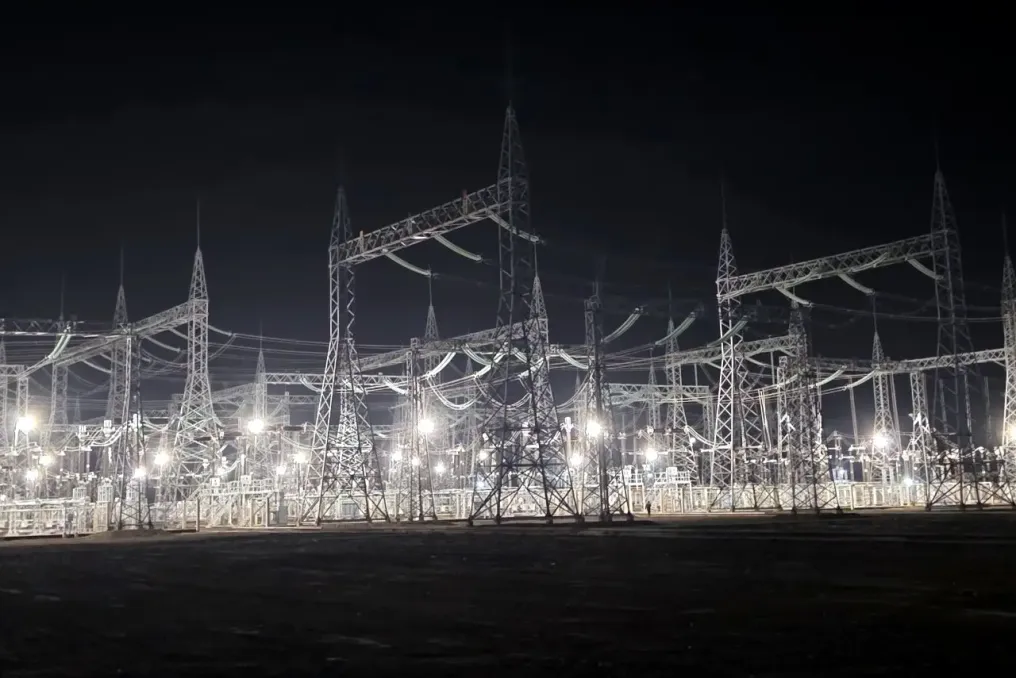
Uzbekistan commissioned Khalk substation with a capacity of 1.602 MVA
Read more
UzDaily
uzdaily.uz

Uzbekistan commissioned Khalk substation with a capacity of 1.602 MVA

Uzbekistan commissioned the new 500 kV Khalk substation with a total capacity of 1.602 MVA on November 7.

This facility is designed to increase the reliability of electricity supply to Tashkent and surrounding areas while reducing the load on existing power grids. This substation is one of the largest high-voltage infrastructure projects in the country, and its commissioning will allow for the redistribution of electrical loads between the capital and neighboring districts.

It is expected that the reduction in load on the Tashkent Thermal Power Plant will enable the cessation of using mazut as fuel. Thus, the project aims not only to strengthen energy supply stability but also to improve the environmental situation by reducing emissions of pollutants into the atmosphere.

The total cost of the project, in which the World Bank participated, amounted to 171.4 million US dollars. In addition to the Khalk substation itself, the project included the construction of 213 km of 220 kV overhead power lines and 72 km of 500 kV lines. The total length of the new high-voltage lines is 285 km.

The new infrastructure will expand the capabilities for electricity transmission in Uzbekistan's unified power system, ensure more efficient distribution of electric flows, and help meet the growing demand for electricity. Final work is currently underway to fully integrate the new facilities into the national power system.

Similar stories

Uzbekistan completes construction of 'Khalqa' substation at 500 kV
Read more
uzdaily.uz

Uzbekistan completes construction of 'Khalqa' substation at 500 kV

Within the framework of a major investment project to develop Uzbekistan's power transmission system, construction work has been completed in the Syrdarya and Tashkent regions. The new facilities are currently being connected to the Unified Energy System of Uzbekistan, and commissioning work is underway.

The project included the construction of the 'Khalqa' substation with a capacity of 1602 MVA, as well as the construction of 220 kV and 500 kV overhead power lines. The 213 km of 220 kV lines and the 72 km of 500 kV lines provide a total length of 285 km for the new network infrastructure.

The total cost of this investment project is 171.4 million US dollars, and it was implemented with the participation of the World Bank. The new infrastructure is expected to increase the capacity of the national power grid, improve electricity flow efficiency, and strengthen grid stability.

Furthermore, the project aims to ensure reliable electricity supply to the regions, optimize the load on existing networks, and create the possibility for connecting new generation capacities in the future. The final integration of the constructed facilities into the Unified Energy System of Uzbekistan is currently ongoing.

Modernization of Ten Substations Underway in Tashkent to Increase Power System Capacity
Read more
podrobno.uz

Modernization of Ten Substations Underway in Tashkent to Increase Power System Capacity

The modernization of ten electrical substations is being carried out in the city of Tashkent with the aim of increasing their throughput capacity and ensuring more stable electricity supply. The replacement of power transformers will lead to an increase in total additional capacity by 333.2 megavolt-amperes, allowing the entire system to cope with increased loads.

The work covered the following substations: 'Risovaya', 'SAZIIT', 'Istikbol', 'Yangi Tuzel', 'Tuzel', 'Karasu', 'Charogon', 'Gornaya', 'Bibliotechnaya', and 'Vystavochnaya'. More powerful transformers were installed at each of these stations, which contributed to the increase in throughput capacity and the creation of additional reserve.

The most significant increase in capacity was recorded at the 'Karasu' substation, where the indicator rose from 53.6 to 138.6 megavolt-amperes. Additionally, the capacity at 'Yangi Tuzel' increased almost fourfold—from 12.6 to 50 megavolt-amperes. At the 'Istikbol' station, after the completion of the work, the capacity will reach 126 megavolt-amperes, exceeding the previous 80 megavolt-amperes.

Overall, this modernization will enable Tashkent's energy infrastructure to better withstand loads, minimize the probability of outages, and improve the overall quality of electricity supply for all consumers. It should be noted that as of the end of 2025, Uzbekistan has commissioned 11 substations with a total capacity of 1,614 megavolt-amperes and 420 kilometers of electrical networks.

Popular