A major financial and political crisis has emerged in the South American country of Paraguay due to the collapse of a rapidly growing digital bank. Approximately 3 million clients out of the country's population of about 6.5 million cannot access their savings. As a result of this crisis, billions of dollars from state funds have been frozen.
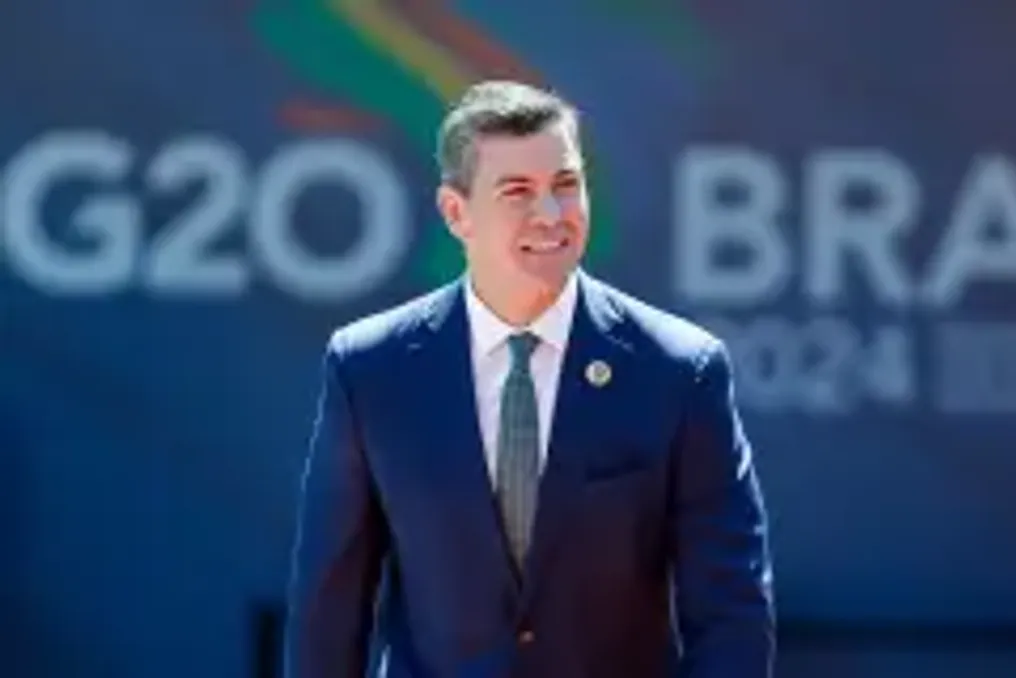
The Senate of Paraguay condemned Santiago Pena through impeachment proceedings, forcing him to step down as president. Following this, Vice President Pedro Eliana assumed the office of head of state. After the impeachment, Pena was detained and subsequently placed under house arrest.
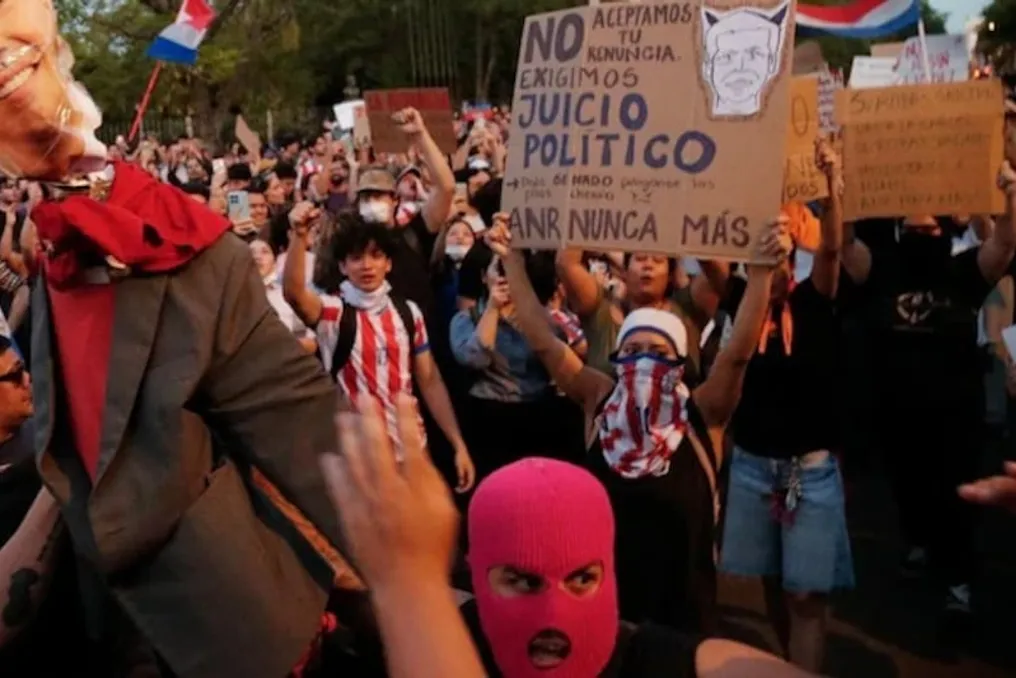
The center of this entire crisis was the bank Uno. This is a digital bank that was under the control of Grupo Vasquez. On November 3, the Central Bank of Paraguay took control of Uno Bank after regulators noted a sharp deterioration in the bank's financial condition. This led to an investigation against the bank, protests, and the impeachment process against the president.
Paraguay is a country in South America bordering Brazil, Argentina, and Bolivia. Its economy heavily relies on the export of agricultural products and hydroelectric power. In 2021, Grupo Vasquez acquired Financiera Comercio and converted it into Financiera Uno. In February 2022, the bank launched its digital banking brand, and in 2024, it absorbed Vision Bank, significantly expanding its client base and scope of operations.
According to Reuters, Uno Bank had about 3 million clients and managed state funds worth approximately $850 million. These funds included public institution funds and pension savings.
The primary reason cited for the deterioration of Uno Bank's financial position was the decline in the quality of its capital and debts. According to the Associated Press, the Central Bank of Paraguay identified deficiencies in the bank's assets, unregistered transactions, and loans issued to companies associated with Grupo Vasquez.
Central Bank inspectors had already identified risks related to the bank's internal debts in June. The bank is accused of issuing large loans to companies linked to its owners that exceeded legal limits and lacked sufficient guarantees. When regulators audited Uno's accounts, the bank's capital fell below half of the minimum legally required level. Consequently, on November 3, the Central Bank began action against the bank, initiating the process of transferring deposits and recoverable assets to other banks.
The bank crisis affected not only regular clients but also state funds. According to the Associated Press, about $380 million held in state social security and health funds were placed and invested in Uno Bank. About 32,000 pensioners receiving benefits through this bank were also affected. The government subsequently approved a law providing for the return of funds to affected depositors within five business days from a special state guarantee fund. Initial payments to clients with small accounts began on November 5.
President Santiago Pena's name became involved in this case due to his connections with Grupo Vasquez. Pena has experience working as an economist and at the International Monetary Fund. He became the president of Paraguay in August 2023. Reports indicate that Pena previously held a stake in Grupo Vasquez. However, he claimed to have sold his stake in March 2025 and denies direct investment in the bank.
Furthermore, Pena appointed Carlos Carvalho, the former head of Financiera Uno, as chairman of the Central Bank of Paraguay. Following criticism regarding the supervision of Uno Bank, Carvalho resigned on November 3 at the president's request. The day after the impeachment, on Saturday, former President Santiago Pena appeared at the Prosecutor General's office to give testimony. He faces an investigation related to the Uno Bank crisis. Prosecutors stated that accusations against Pena are not yet definitively established, and they may include charges of abuse of influence.
Paraguayan prosecutors issued an arrest warrant for Pena and former Central Bank head Carlos Carvalho on November 6. Pena was ordered to remain under house arrest until his appearance before the unit for combating economic crimes and corruption.