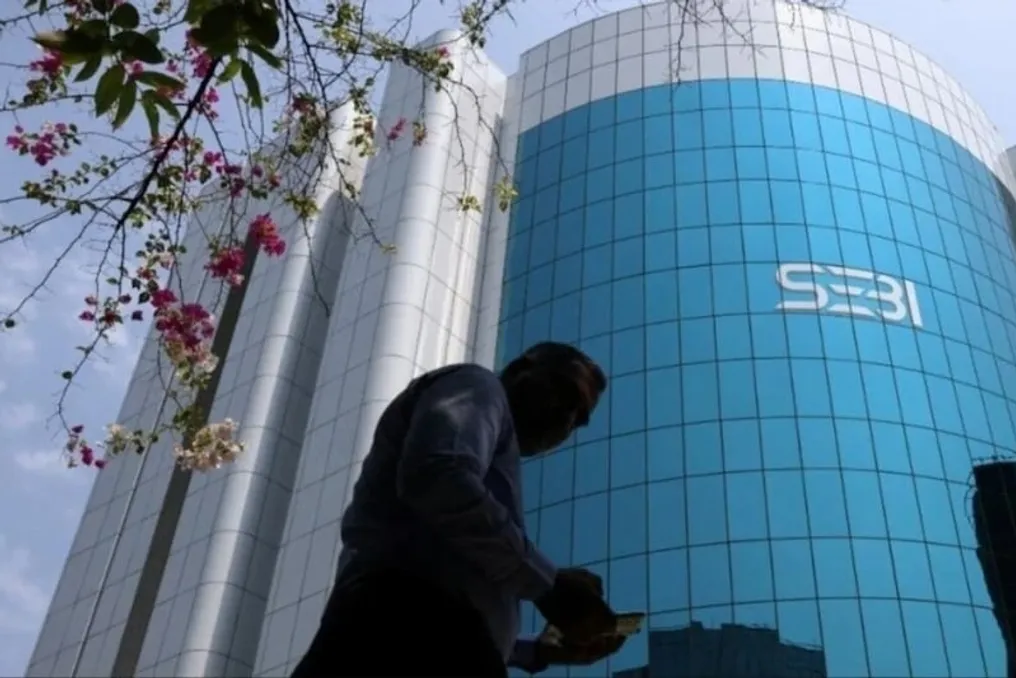
SEBI Implements New Settlement Framework; Know Detailed Information on New Rules
Read more
Aaj Tak
www.aajtak.in

SEBI Implements New Settlement Framework; Know Detailed Information on New Rules

The Securities and Exchange Board of India (SEBI) has implemented a new settlement framework effective from November 7, 2026. This new framework will allow eligible individuals and entities to resolve specific regulatory actions through a structured system. These revised rules include provisions for online applications, a settlement amount calculator, and expedited settlement in certain cases.

SEBI had issued the notification of this change on October 8. This new regulation, called the 'Settlement Regulation for Administrative and Civil Proceedings 2026', will replace the existing 2018 settlement framework, incorporating transitional and savings provisions.

To simplify the application process, SEBI has launched an online settlement application facility, a settlement amount calculator, Frequently Asked Questions (FAQs), and a dedicated help desk. The regulator has also released an explanatory video to help applicants understand how the settlement amount is calculated.

According to SEBI, eligible persons can apply for settlement under the Settlement Regulation, 2026. Under this framework, eligible applicants can request the settlement of determined actions in various stages, provided they meet the prescribed conditions.

As per the rules, the non-refundable application fee is set at ₹25,000 for general citizens, while it is ₹35,000 for other applicants. The minimum settlement amount is set at ₹3 lakh for first-time applicants and ₹7 lakh for other applicants.

However, the final amount will depend on several factors, including the original amount, the stage of the action, the nature and severity of the alleged violation, the regulatory action, and mitigating or aggravating circumstances. Applications related to proceedings pending before SEBI must generally be submitted within 120 days of receiving a show cause notice or supplementary show cause notice, but this timeline does not apply to special actions pending before the Securities Appellate Tribunal or the Supreme Court.

The new rules introduce violation-based and monetary limit-based fast-track settlement procedures. Under the monetary limit mechanism, applications with a settlement amount up to ₹10 lakh can qualify for expedited processing without any waiver, remedial measures, or additional regulatory conditions.

Some serious violations are excluded from the settlement framework. These include cases involving willfully defaulting debtors, fraudulent debtors, and absconding economic offenders. Based on the regulations, actions that threaten market-wide outcomes, significant investor losses, or market integrity may also be excluded.

Additionally, this rule allows settlement with confidentiality benefits for applicants who provide assistance in investigations or audits under certain conditions. The settlement application will be reviewed by an internal committee and a high-powered advisory committee, which will recommend appropriate terms. Subsequently, a panel of full-time members of SEBI will decide whether to accept or reject the application. The objective of this changed framework is to maintain safeguards against serious violations in the securities market while simplifying regulatory settlements.

Similar stories

SEBI fines Avadhut Sathe Academy and its directors 11.5 million rupees and orders repayment of 546.17 million rupees
Read more
www.aajtak.in

SEBI fines Avadhut Sathe Academy and its directors 11.5 million rupees and orders repayment of 546.17 million rupees

When an academy charges for stock market trading education, it is expected to provide quality training. However, the situation becomes complicated if instead of education, advice on buying and selling stocks is provided without the necessary registration. This is exactly what happened with the Avadhut Sathe Academy.

The Securities and Exchange Board of India (SEBI) imposed a total fine of 11.5 crore rupees on the academy itself and its directors. Furthermore, it was decided that the Academy and its founder, Avadhut Sathe, must return 546.17 crore rupees to clients who paid for services rendered without proper registration. SEBI also required the payment of interest amounting to 67.87 crore rupees.

Avadhut Sathe and his academy have been banned from engaging in stock market operations. SEBI assigned individual fines: 6 crore rupees to Avadhut Sathe Academy, 4 crore rupees to Trading Guru Avadhut Sathe, and 1.5 crore rupees to Gauri Avadhut Sathe. The total fine amounted to 11.5 crore rupees. Avadhut Sathe and his academy will be barred from operating in the stock market for two years; this restriction may be extended if the refund process takes more than two years. Gauri Sathe was restricted for six months.

According to SEBI data, the Academy did not just provide information about the stock market but also gave specific recommendations on buying and selling certain stocks. These tips were broadcast through live sessions and WhatsApp. Clients were told which asset to buy or sell, what its potential price might be, and at what level to sell the stock in case of losses. Providing such consultations requires SEBI registration.

The regulator noted that the Avadhut Sathe Academy provided such services without the requisite registration. SEBI also questioned the promotional materials and testimonials that featured promises of very high profits from trading. During the investigation, instances of trading losses were identified. Moreover, these statements continued to be circulated despite a warning from the Avadhut Sathe Academy in March 2024.

SEBI required the Academy and Avadhut Sathe to publish a notice regarding the refund within 30 days of receiving the order. This notice must be published in newspapers in English, Hindi, and local languages. It must specify who is entitled to claim a refund and what steps need to be taken to receive the money. Payments will be made through banking channels to track each transaction. The verification process will be monitored by an independent chartered accountant. To collect the required amount, SEBI also placed a ban on the sale of assets belonging to the Academy and Avadhut Sathe, except in necessary cases, and restricted withdrawals from their bank accounts until the required amount is transferred.

In the SEBI order, Gauri Avadhut Sathe's role was examined separately. The regulator found no evidence that she personally advised on investments, planned this activity, or gained illegal profits. Nevertheless, she was fined 1.5 crore rupees and restricted from participating in stock market trading operations for a period of six months. Individuals who paid for the Academy's services can apply for a refund based on the information published in the newspapers.

Popular