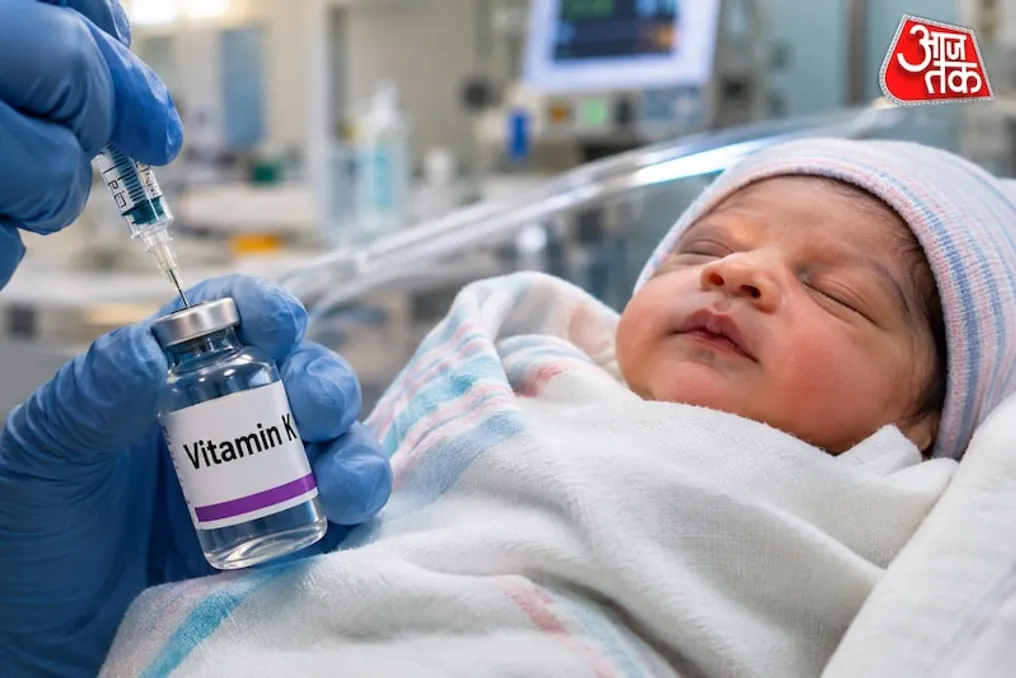
Study shows: lack of vitamin K injection in newborns increases bleeding risk
Read more
Aaj Tak
www.aajtak.in

Study shows: lack of vitamin K injection in newborns increases bleeding risk

After birth, newborns receive a series of necessary vaccinations and injections in the hospital, one of which is a vitamin K injection. Sometimes parents refuse this procedure due to lack of information, and in some small hospitals, it is not performed at all. However, such a decision can seriously affect the newborn's health.

A new study conducted on over 5.2 million newborns found that children who did not receive a vitamin K injection at birth had an increased risk of bleeding during the first six months of life. The results of this study were published in the medical journal JAMA.

This study was carried out in the USA and covered records of 5,240,780 children born in hospitals and healthcare systems across 50 US states between January 2017 and December 2025. By examining the data, researchers determined how often bleeding problems occurred in children who received and those who did not receive a vitamin K injection at birth.

According to the study, the number of children in the US who did not receive a vitamin K injection at birth was constantly increasing. If this figure was 3.1 percent of newborns in 2017, it rose to 6.8 percent by 2025. Simultaneously, the number of bleeding cases in these children also increased.

The study established that infants who did not receive a vitamin K injection at birth had a 47% higher risk of bleeding in the first six months of life compared to children who received the injection. Furthermore, the risk of intracranial hemorrhage in these children was approximately 2.4 times higher. It was also found that the risk of death from bleeding in the hospital at birth was higher among children who did not receive the injection.

Vitamin K plays a critically important role in the blood clotting process in the body. When the body sustains an injury or bleeding, coagulation is necessary to stop it, and vitamin K participates in this process. Newborns naturally have low levels of vitamin K. Additionally, its content in breast milk is also low. Moreover, in the first days of life, the baby's intestines have not yet developed bacteria capable of producing vitamin K, leading to a risk of bleeding due to vitamin K deficiency.
Similar stories

Study shows that COVID-19 vaccination during pregnancy does not affect children's neuropsychological development
Read more
nplus1.ru

Study shows that COVID-19 vaccination during pregnancy does not affect children's neuropsychological development

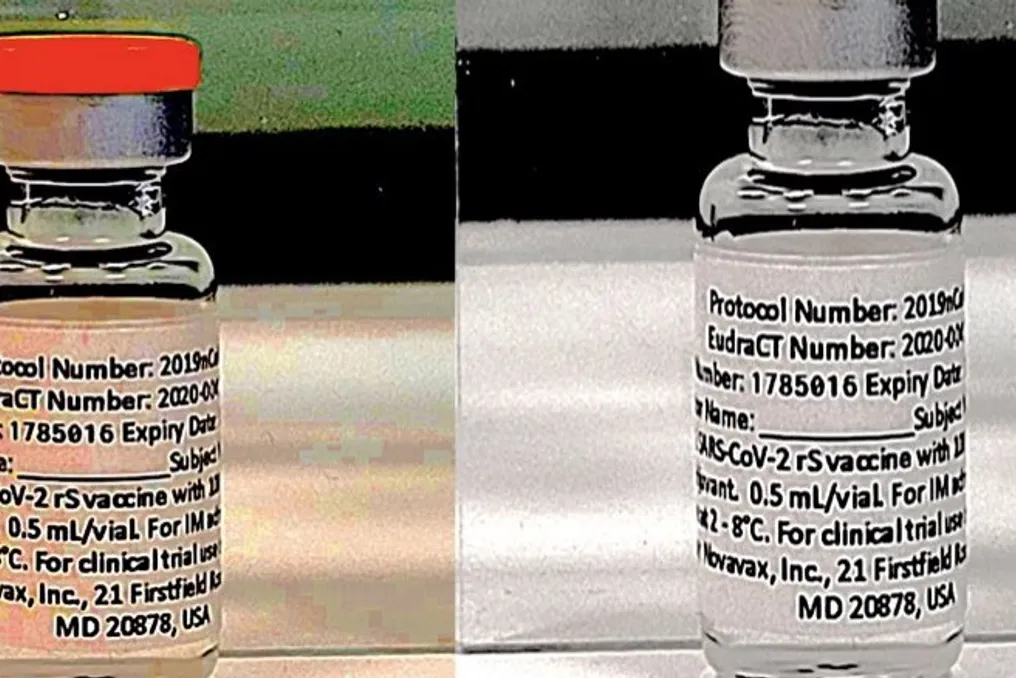
American researchers concluded that administering the mRNA vaccine against COVID during pregnancy does not negatively affect children's neuropsychological development.

It was found that the indicators of children's neuropsychological development in the age group from 18 to 30 months are similar for babies whose mothers received the vaccination during pregnancy and for those whose mothers did not receive the vaccination.

To assess child development, scientists used the ASQ-3 questionnaire and also applied a number of other methods. The results of this scientific study were officially published in the journal JAMA Pediatrics.

Study shows increased risk of hypertensive disorders during pregnancy in kidney donor women
Read more
nplus1.ru

Study shows increased risk of hypertensive disorders during pregnancy in kidney donor women

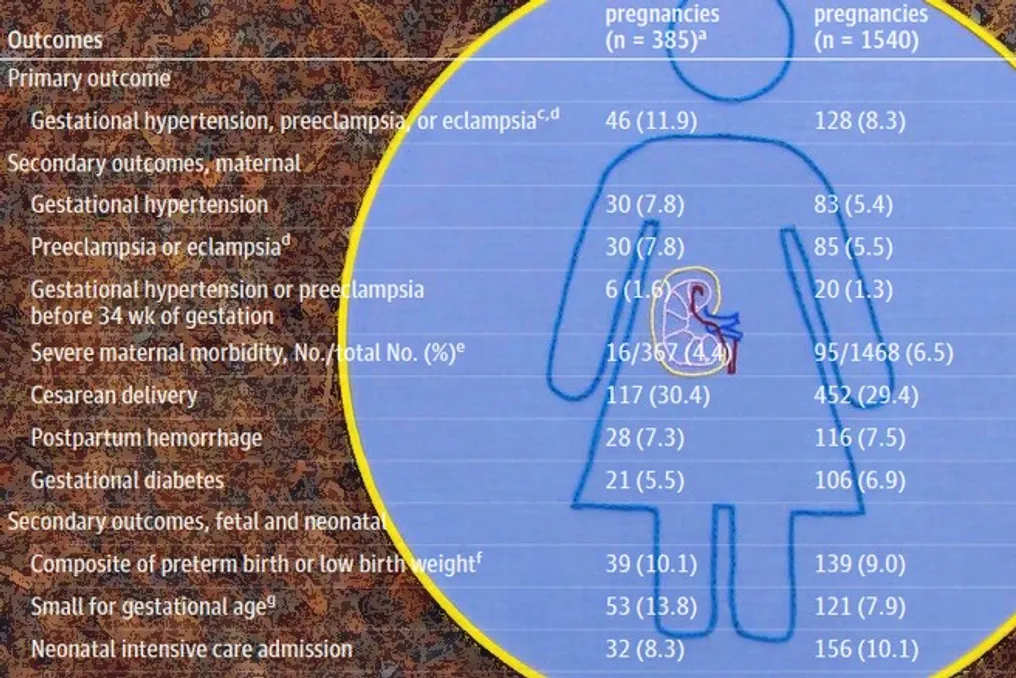
Colleagues of Amit Garg from the University of Western Ontario, along with researchers from Canada and the USA, have completed a cohort study. They found that women who became kidney donors have an increased probability of developing hypertensive disorders during pregnancy.

The analysis included 385 pregnancies lasting at least twenty weeks among 252 women. These women had previously been kidney donors between July 1992 and August 2021 in the provinces of Ontario, British Columbia, and Alberta, Canada. The average age of these women was 27.8 years.

A group of 1540 pregnancies, involving 1535 women whose characteristics generally matched those of the donor group, was selected for comparative analysis. Observation of these cases was conducted until March 2023.

The results of this study were officially published in JAMA: The Journal of the American Medical Association.

Popular