Rajasthani Fen Seed Sabzi Recipe: A Dish with Methi Dana to Serve with Roti or Puri
Read more
Aaj Tak
www.aajtak.in

Rajasthani Fen Seed Sabzi Recipe: A Dish with Methi Dana to Serve with Roti or Puri

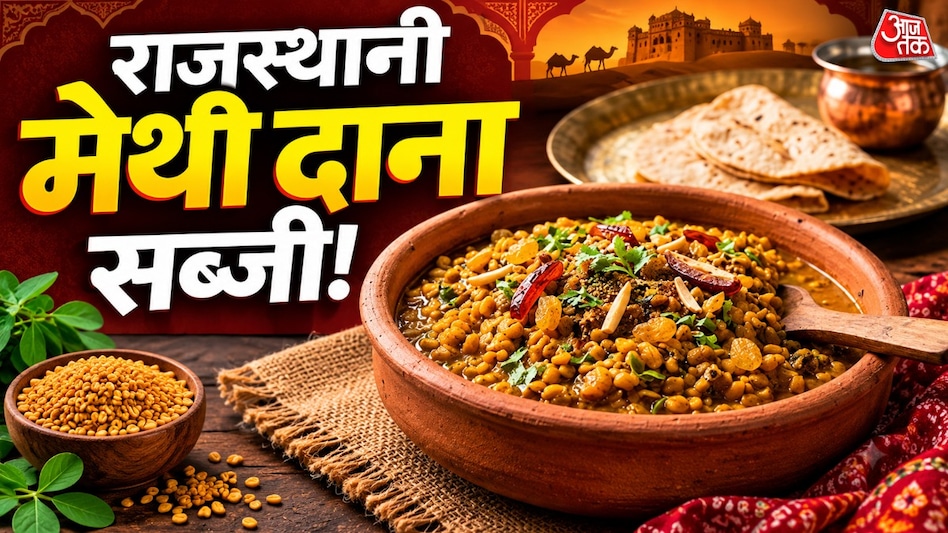
Rajasthani cuisine is known for its unique taste and traditional dishes. Many vegetable dishes are prepared here that differ from ordinary ones. Although many are familiar with dishes like Dal Bati Churma and Papads, they may never have tried fen seed sabzi.

This Rajasthani dish is made specifically from fen seeds. Dates, raisins, and special spices are added to it, giving it a flavor that combines sweetness, sourness, and spiciness. A distinctive feature is that not many ingredients are required to prepare this dish.

Fen seed sabzi can be served with roti, paratha, or puri. If you are tired of monotonous dishes, you can try this Rajasthani dish in this format.

To prepare fen seed sabzi, several steps must be followed. First, the fen seeds should be thoroughly washed. Then, they need to be soaked in water overnight or for at least 4-5 hours. Before cooking, all the water must be removed from the seeds, as this helps reduce the bitterness of the fen. If you want the seeds to become softer, they can be boiled for 2-3 minutes.

Next, an aromatic tempering should be prepared. In a pot, heat mustard oil or ghee, adding cumin, finely ground cardamom, and asafoetida. When the spices begin to release their aroma, the tempering is ready.

After this, finely chopped onions are added to the tempering and fried until lightly golden brown. It is important to ensure that the onions do not burn, as this can change the taste of the dish.

Then, the soaked fen seeds along with the chopped dates and raisins are added to the pot. The dish is simmered on low heat, stirring constantly, for 2-3 minutes.

After this, turmeric, red chili powder, coriander powder, and salt to taste are added. All ingredients are mixed thoroughly so that the spices evenly coat the fen seeds.

Half a cup of water is poured into the pot and covered, simmering on low or medium heat for about 5-7 minutes, stirring occasionally. When the seeds become soft and most of the liquid has evaporated, the lid is removed.

Finally, amchur powder is added and mixed well. The dish is simmered for one more minute without the lid. The finished Rajasthani fen seed sabzi is ready.

The taste of this dish combines slight bitterness, sweetness, and sourness. The addition of dates and raisins makes the flavor of the fen seeds even more special. It is recommended to serve it hot with roti, paratha, or puri.
Similar stories

Recipe for Rajasthani Vegetable Mix with Turmeric and Ghee for Winter Season
Read more
www.aajtak.in

Recipe for Rajasthani Vegetable Mix with Turmeric and Ghee for Winter Season

Turmeric is a magical spice of Indian cuisine that gives dishes color and flavor. Furthermore, it is known for its medicinal properties. People usually use turmeric as a seasoning, but with the arrival of winter, fresh raw turmeric appears in the market.

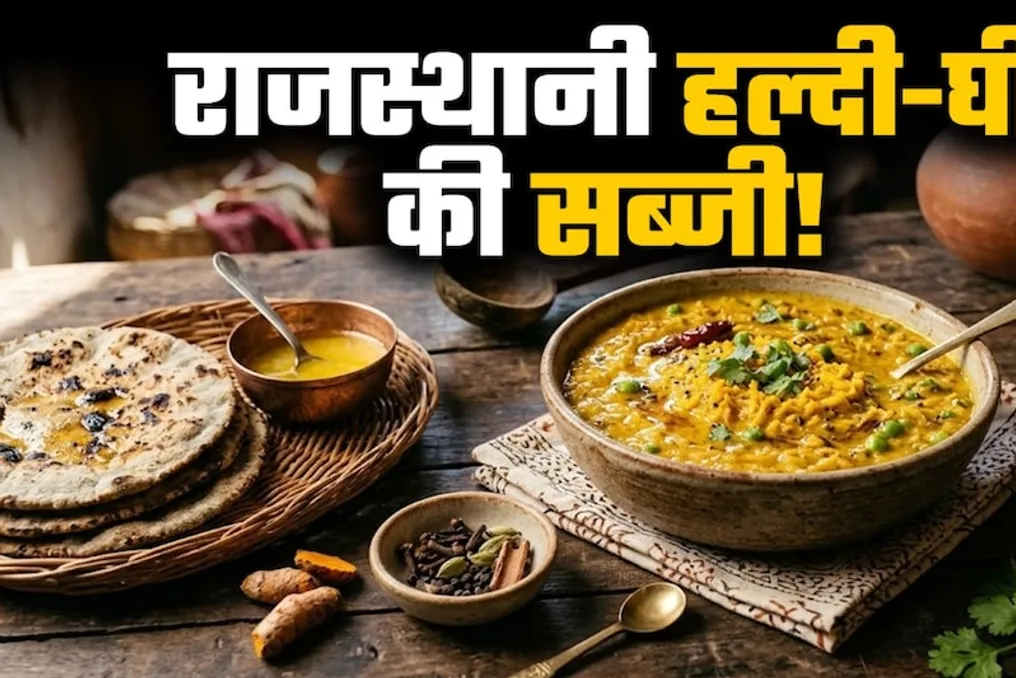
It is known that in Rajasthan, a special type of dish made from raw turmeric is prepared, called Rajasthani Raw Turmeric Vegetable. This is a traditional and popular winter dish of Rajasthan, prepared specifically using ghee (desi ghee).

The specialty of this vegetable mix lies in its unique taste and traditional method of preparation. It includes raw turmeric, yogurt, spices, green chili, and ghee. In winter, it is eaten with bread, paratha, or bajra (millet) bread. If you want to cook something new and traditional this season, you can easily make Rajasthani Raw Turmeric Vegetable at home.

How to prepare Rajasthani Raw Turmeric Vegetable?

Certain ingredients are used to prepare the raw turmeric vegetable mix. After cooking is complete, add garam masala and mix thoroughly. When oil starts separating from the vegetable mix, turn off the gas. It is served hot with bajra, missi, or paratha.

Why is raw turmeric vegetable special in winter?

Raw turmeric contains a natural component called curcumin, which has antioxidant and anti-inflammatory properties. Turmeric has been used for a long time in Indian cuisine. Nevertheless, it should not be considered a cure for any diseases. This vegetable mix, prepared with ghee and spices, can become a traditional and tasty option for winter dishes.

Rajasthani Panchmel Dal Recipe: How to Prepare a Delicious Dish from Five Types of Lentils
Read more
www.aajtak.in

Rajasthani Panchmel Dal Recipe: How to Prepare a Delicious Dish from Five Types of Lentils

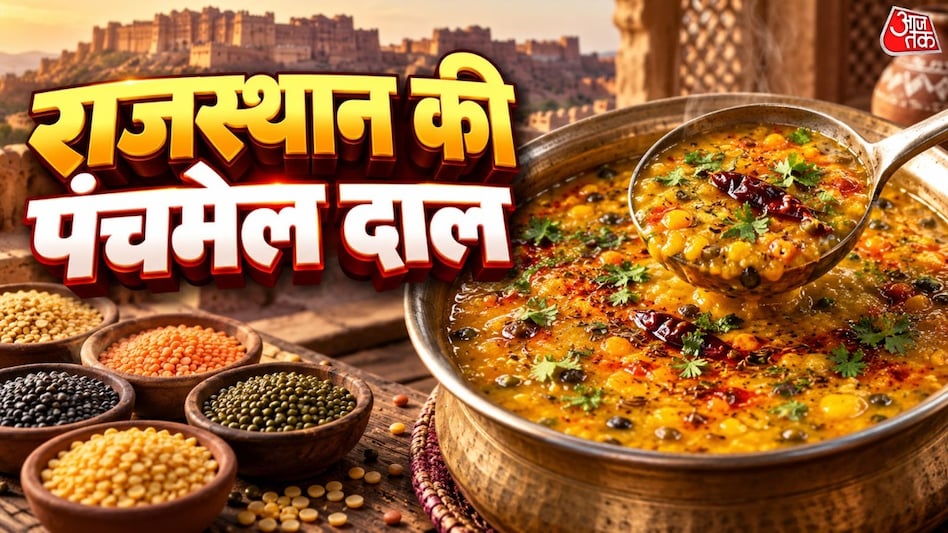
Dal is an integral part of Indian cuisine. Usually, dal is prepared at home using adhar, moong, masar, and chana. However, there is Rajasthani Panchmel Dal, made from five different types of lentils, which is distinguished by its exceptionally delicious taste.

This dal is enriched with aroma and flavor through frying using ghee (clarified butter) and spices. It can be eaten with roti, rice, bati, or paratha. If you wish to cook something new and appetizing at home, you can make Rajasthani Panchmel Dal for lunch or dinner.

Below is the recipe and list of necessary ingredients to prepare this dish.

For preparation, you will need: 2 tablespoons adhar dal, 2 tablespoons moong dal, 2 tablespoons chana dal, 2 tablespoons udd dal, 2 tablespoons masar dal, 1 finely chopped onion, 2 sliced tomatoes, 2 green chilies, 1 teaspoon ginger and garlic paste, 1 teaspoon turmeric powder, 1 teaspoon red chili powder, 1 teaspoon cumin, a pinch of hing, 2 tablespoons ghee, salt to taste, and a little fresh coriander.

To bring out the true flavor of Panchmel Dal, clarified butter should be used when preparing the tadka. It is crucial to soak all the lentils for at least 30 minutes before cooking. Furthermore, the taste and texture are improved by lightly mashing the lentils. The amount of spices can be adjusted according to your preferences.

Rajasthani Panchmel Dal is served hot with rice, jeera rice, roti, paratha, or bati. It pairs especially well with bati-dal. Adding a small amount of ghee on top further enhances the dining pleasure.

Rajasthani Corn Flour Rab Recipe: A Traditional Dish for Winter Breakfast
Read more
www.aajtak.in

Rajasthani Corn Flour Rab Recipe: A Traditional Dish for Winter Breakfast

The traditional Rajasthani dish, corn flour rab, is very popular as a winter breakfast. This local snack is made from corn flour and yogurt (chaach), and the addition of ghee and spices significantly enhances its flavor. Preparing this dish at home does not require much effort, and it can be served hot.

If you want to eat something tasty but easy on the stomach in the morning, you can try the traditional Rajasthani dish—corn flour rab. In some regions of North India, it is also known as maize mahari. It is made from corn flour and chaach. In the rural areas of Rajasthan, it is especially enjoyed during winter. It is quite simple to prepare, and all the necessary ingredients are easy to find at home.

To prepare rab, take corn flour into a pot and gradually mix in a little chaach, stirring thoroughly so that no lumps form in the mixture. Then, add the remaining chaach and one or two bowls of water, mixing the mixture well.

After this, place the pot on medium heat and stir constantly so that the mixture does not burn to the bottom and lumps do not form. When the mixture starts to boil, reduce the heat. Then, cook the dish for about 15–20 minutes, stirring occasionally. When the solution is completely cooked and has become slightly thicker, add salt to taste and roasted cumin powder.

To give rab an aroma, heat ghee in a small pan. Add whole cumin, asafoetida, and the chosen red or green chili. As soon as the cumin starts sizzling, pour this flavored fat into the rab and mix thoroughly. Finally, sprinkle with finely chopped fresh coriander on top. The ready traditional Rajasthani rab is ready to be served hot for breakfast.

Popular