Caoa Chery Tiggo 8: 10 important facts about the SUV used in the Brazilian market
Read more
AutoPapo
autopapo.com.br

Caoa Chery Tiggo 8: 10 important facts about the SUV used in the Brazilian market

The Caoa Chery Tiggo 8, an SUV that already has a familiar presence thanks to its seven seats, was for a time the largest SUV manufactured by the Sino-Brazilian automaker, offering ample interior space and a wide range of equipment.

This article details ten relevant aspects of the Caoa Chery Tiggo 8 in Brazil, highlighting that it provides comfort, a well-structured mechanical package, and a competitive cost-benefit ratio, both in brand new and pre-owned or used versions.

History and Launch

The Tiggo 8 was initially presented in China in 2018 and later launched by Caoa Chery in Brazil in August 2020. Produced in Anápolis, Goiás, this largest SUV from the Sino-Brazilian brand arrived in the country in an initial configuration, introducing the 1.6 turbo engine.

In 2022, Caoa Chery began selling the plug-in hybrid version of the Tiggo 8, which was imported from China. In the same year, the seven-seater SUV received the Max Drive version, equipped with advanced driver assistance systems (ADAS).

Two years after its launch, the Tiggo 8 underwent its first update, and the redesigned models started being identified with the Pro suffix.

Limited Edition and Powertrain

The SUV produced in Goiás had a unique limited edition called the Founder's Edition. This special run of one thousand units was created in memory of Carlos Alberto de Oliveira Andrade, founder of the Caoa Group and Caoa Chery, who passed away in 2021.

Currently, the Caoa Chery Tiggo 8 Pro uses a four-cylinder 1.6 TGDI turbo gasoline engine with direct injection, generating 180 hp, coupled with a seven-speed dual-clutch automated transmission bathed in oil. Prior to the Green IPI, this same engine delivered 187 hp up to the 2025 line.

This mechanical package is considered adequate to move the vehicle's 1,600 kg, providing good acceleration and agility in gear changes via the DHT gearbox. However, after reaching 67 km/h, the car requires more effort and patience.

The 0 to 100 km/h acceleration of the Caoa Chery Tiggo 8 is considered satisfactory, falling in the nine-second range. Additionally, the maximum torque of 28 kgfm assists in take-offs and is accessible from 2,000 rpm.

Consumption and Hybrid Version

Despite its size and weight, the Tiggo 8 presents reasonable fuel consumption, both with the original and reduced power, according to PBEV/Inmetro standards for a mid-size SUV.

Since 2022, Caoa Chery has made the Tiggo 8 Pro PHEV option available, imported from China. This plug-in hybrid system combines a 1.5 turbo engine with an electric component powered by 18.4 kWh batteries and a single-speed DHT transmission.

In this hybrid version, the combined power and torque reach 279 hp and 37.2 kgfm, respectively, although the SUV is heavier, weighing 1,961 kg. The 0 to 100 km/h time is 8.2 seconds, the electric mode range reaches 70 km, and the equivalent consumption is 36.1 km/l in urban cycle, according to PBEV standards.

Dimensions and Interior Space

One of the positive points of the Caoa Chery Tiggo 8 Pro is its size. With a length of 4.72 meters, a width of 1.86 m, a height of 1.70 m, and a wheelbase of 2.71 m, the SUV from the Sino-Brazilian automaker is slightly smaller than the Jeep Commander.

The interior space is comparable to that of its competitor. In the front area, the driver and passenger enjoy comfort in terms of knees, legs, and shoulders. The second-row seats have a sliding adjustment of up to 20 cm, comfortably accommodating up to three adults.

However, the extra seats are better suited for people of medium height and for short trips, as there is little room for heads and knees, in addition to the absence of USB ports and air vents in the third row.

With the extra seats in use, the trunk accommodates only 193 liters. By reclining the extra seats, the floor levels out, allowing storage of up to 889 liters of luggage.

Structure, Finish, and Technology

The vehicle's suspension features a firm setting, preventing dry noises or excessive oscillation on speed bumps and potholes. The acoustic insulation is efficient, and the finish, despite using a lot of plastic, stands out for the apparent quality of the materials and the correct fit of the parts.

Even with its considerable dimensions, the mid-sized SUV built on the T1X platform does not seem bulky like many Chinese SUVs. Caoa Chery reports that the Tiggo 8 uses 65% high-strength steels and 8% ultra-high-strength steels.

The car demonstrates good torsional rigidity, competent stability, and balanced behavior, especially during curves. On highways and at high speeds, the steering requires subtle adjustments.

The Caoa Chery Tiggo 8 Pro, equipped with the Max Drive package, costs R$ 196,990. This package includes various driving assistance features, such as adaptive cruise control, autonomous emergency braking with pedestrian and cyclist detection, blind spot sensor, lane keep assist, rear collision warning, and intelligent high beam.

In terms of safety, the vehicle has six airbags, door ajar warning, full LED headlights, rearview and 360-degree cameras, electrochromic side mirrors, front and rear parking sensors, disc brakes on all four wheels, and hill start and descent controls.

Convenience items include dual-zone automatic air conditioning, electrically adjustable front seats with ventilation and heating, keyless entry, external mirrors with heating and electric folding, wireless phone charging, and an electronic instrument panel integrated into the 24.6-inch multimedia center.

The multimedia system supports wireless connections for Android Auto and Apple CarPlay and has integrated GPS. It also features a premium Sony sound system and four USB ports: Type A and Type C in the front center console, and Type A and Type C in the rear center console.

Market Options and Warranty

An alternative is to purchase a 2024 model used SUV. Although well-equipped, it lacks the latest line updates. According to KBB Brazil, its dealer price is R$ 144,530 and the private sale price is R$ 138,286 (October 2026 data). The advantage of this model is that it essentially maintains the same level of equipment as the 0 km versions, including the driving assistance features of the Max Drive package, in addition to having four years of factory warranty.

Caoa Chery offers a seven-year warranty for the Tiggo 8. However, there are complaints regarding delays in replacing exterior parts. Some parts have costs considered normal for the category, as does the fixed-price service plan.

According to reports collected from forums and owner groups of the Caoa Chery Tiggo 8, as well as the Reclame Aqui website, the main user dissatisfactions with the SUV involve specific issues.

}, 2024-05-29T00:00:00Z
Similar stories

Used Audi A3 Sedan: 10 Facts About the Model Produced in Brazil
Read more
autopapo.com.br

Used Audi A3 Sedan: 10 Facts About the Model Produced in Brazil

Inovar-Auto, a governmental sectoral program launched in the early 2010s, introduced specific features to the Brazilian market, allowing luxury brands like Audi to begin local vehicle assembly, including the A3 Sedan.

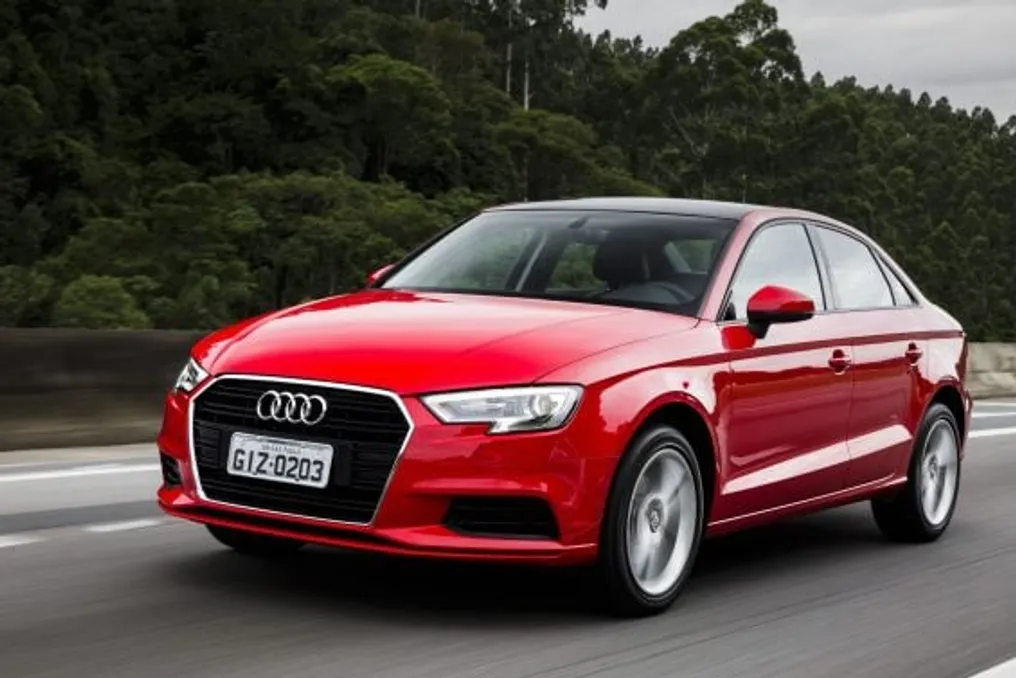
The German manufacturer resumed its activities at the plant shared with Volkswagen in Paraná after an operational period between 1999 and 2006. This time, Audi focused on producing the A3 Sedan. Although the model received adaptations for national manufacturing, it preserved the refined dynamics, robust performance, and luxury characteristic of the German brand.

Model History and Evolution

The third generation of the Audi A3 was responsible for introducing the Sedan version. This model was presented globally at the New York Auto Show in 2013 and arrived in Brazil in January 2014, initially imported from Hungary. Initially, the car used the 1.8 TFSi engine with 180 hp. Later, an entry-level version appeared with a 122 hp gasoline TFSI 1.4 engine, which became flex with the national assembly line in 2015.

The Audi A3 Sedan also offered a more powerful option, the 2.0 with 220 hp, and underwent an aesthetic redesign in 2017. In 2019, a special 25th Anniversary edition was launched, limited to 600 units, celebrating the brand's anniversary in Latin America. This first generation of the sedan ended its production in 2020.

The relaunch of the A3 Sedan marked the reopening of the Audi assembly line in São José dos Pinhais, Paraná, all under the umbrella of Inovar-Auto, which offered tax incentives for local production. Other manufacturers benefited from this program included BMW in Araquari (SC), Mercedes-Benz in Iracemápolis (SP), and Jaguar Land Rover in Itatiaia (RJ).

It is worth noting that the factory used by Audi had been inaugurated in 1998 to produce the Volkswagen Golf IV, and from 1999 to 2005, it manufactured the first generation of the A3 Sportback. At this Paraná unit, besides the A3 Sedan, the Q3 was also produced. The unit's operations were suspended in December 2020 because the manufacturer alleged a lack of definition regarding accumulated IPI credits that were not fully returned.

Currently, the unit operates under the SKD regime for the assembly of the Q3, a process where the vehicle arrives almost complete, and only the joining of the body with the chassis occurs at the plant.

Brazilian Adaptations and Mechanical Changes

Upon receiving the Brazilian passport in 2015, the Audi A3 Sedan underwent several adaptations, some mechanical aspects being simplified to reduce production costs. A notable change occurred in the rear suspension: Audi replaced the independent multi-link system with a torsion beam, a configuration common in mid-size sedans from generalist brands of that era.

Another significant change was in the transmission system. The S tronic automated gearbox, known for its seven-speed dual-clutch system, was replaced by a six-speed Tiptronic automatic gearbox with a torque converter. In compensation, the Audi A3 Sedan gained a considerable increase in power. The 1.4 TFSI engine, which originally delivered 122 hp, was adapted to be flex, received variable exhaust valve control, and began generating 150 hp.

An important difference in the A3 Sedan manufactured in Paraná is the vehicle height. To suit the local asphalt standard, the suspension was raised by 1.5 cm compared to the imported model.

Performance and Finish

Analyzing specifically the 1.4 flex model, despite the transmission changes, the 150 hp from the EA211 family turbocharged direct injection engine provide a satisfactory level of driving pleasure. Accelerations are agile, and the Tiptronic gearbox, although less sophisticated than the S tronic, delivers a 0 to 100 km/h time of 8.8 seconds, according to the manufacturer.

On highways, the Audi A3 Sedan demonstrates good evolution, quickly reaching the permitted 100 km/h. For overtaking, 25.5 kgfm are available between 1,500 and 4,000 rpm, and the turbo acts quickly to overtake other vehicles.

German engineering is evident in the solid construction of the sedan, which maintains firmness in sharp curves and high-speed sections. The steering is described as precise and firm, giving the sensation that the car is firmly planted on the ground. The torsion beam suspension in the Brazilian model has a softer calibration, without compromising the stability or dynamics of the vehicle.

Inside, the A3 Sedan manufactured in Brazil maintains the brand's identity. The dashboard features injected foam with a pleasant touch surface, and the door and column coverings with fabrics also stand out, as does the smooth finish of the glove box. The front seats offer good density and quality material, although they are not extremely enveloping. The analog instrument cluster is considered classic and easy to view, with the steering wheel being the only element that could have a smaller diameter.

The rear space comfortably accommodates two adults and one child. The softer suspension compared to the Hungarian example reflects internal imperfections more, but without being a serious problem. The acoustic insulation is efficient, and the trunk offers 425 liters, a suitable volume for mid-size sedans.

2016 Ambiente Version and Equipment

Considering the 2016 Audi A3 Ambiente 1.4 TFSi, already adapted to the Brazilian market, it includes six airbags, stability control systems, traction and hill start control, reverse sensor, xenon headlights, daytime running lights, and Isofix. Additionally, the sedan has air conditioning, electric window controls, electronic parking brake, rain and dusk sensors, start-stop system, steering wheel with height and depth adjustments, and multimedia center with CD and memory card reader.

However, this transition to the Ambiente model simplified some features. The air conditioning was no longer automatic, the seats changed from leather to fabric upholstery, and the multimedia center does not have Bluetooth. Higher packages, however, included ADAS technologies, such as adaptive cruise control, frontal collision warnings, and lane departure warnings, as well as emergency automatic braking. Other optional extras available were a rearview camera, front parking sensors, semi-automatic parking assistant, leather trim, keyless entry, panoramic roof, native GPS, and DVD player.

When checking average prices for the 2016 Audi A3 Sedan Ambiente on KBB Brazil, it is important to remember that it is a luxury vehicle requiring specialized maintenance, and the trim and body parts tend to be more expensive. It is positive that the 1.4 flex engine is well-known and that the Tiptronic gearbox generally presents fewer problems than the S tronic. It is recommended to check the prices of specific components and the problems reported in discussion forums and on Reclame Aqui.

Tata Motors is developing the mid-size electric crossover Kuno to compete with MG Windsor
Read more
www.aajtak.in

Tata Motors is developing the mid-size electric crossover Kuno to compete with MG Windsor

Tata Motors is working on creating a new SUV. According to reports, developers are creating a mid-size crossover under the codename Kuno. The company aims to expand its portfolio of mid-size electric vehicles, and this new car will compete with the MG Windsor.

According to Autocar, the launch of this model could take place between 2027 and 2028. It is expected that this SUV will have a length of 4.3 meters and will be assembled at the Sanand plant in Gujarat. Employees familiar with the project reported that the company plans to produce between 80,000 and 100,000 units annually.

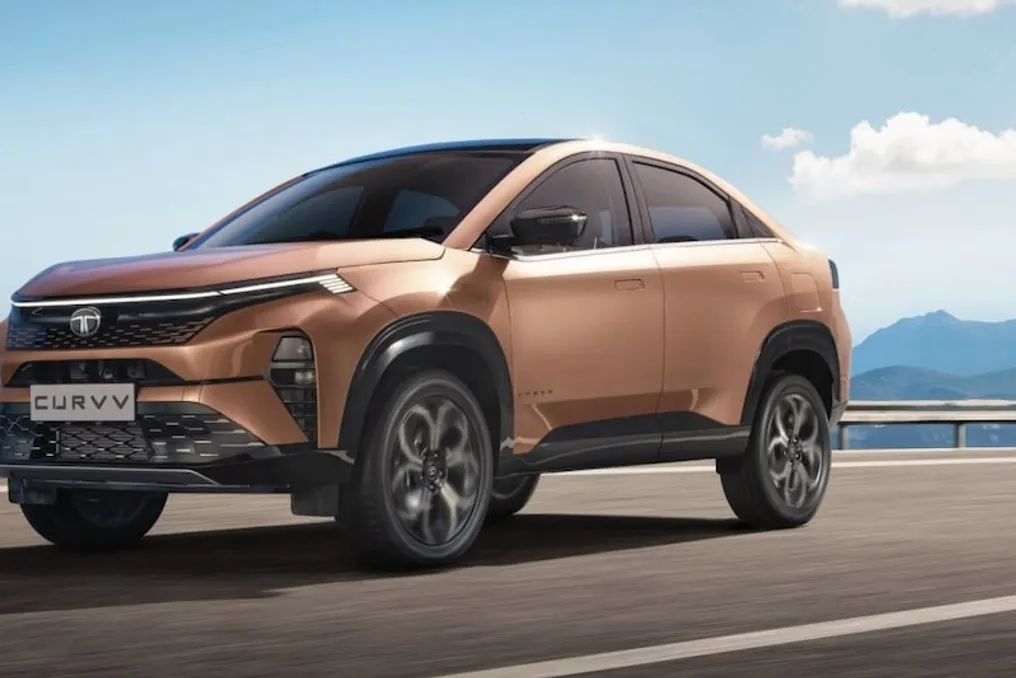
The main target audience for the Tata Kuno will be buyers of family cars who place great importance on space, comfort, and everyday practicality. The car will combine the coupe-crossover concept, similar to the Curve, with positioning similar to the Sierra lifestyle. Thus, Tata will present a new model with a different body type, aimed at mid-sized consumers.

This vehicle will be part of Tata Motors' product portfolio along with the Next Generation Nexon (codename Garuda), Curve, and Sierra. Currently, information regarding the commercial name, final specifications, and price remains unknown.

It is reported that Kuno is being developed taking into account the needs of consumers interested in mid-size SUVs who are considering options like the MG Windsor and other monocoque electric vehicles. Since the car will be built on a fully electric platform, this will simplify the engineers' work.

Previously, Tata vehicles were produced on platforms suitable for both internal combustion engines (ICE) and electric vehicles (EV). However, in the case of Kuno, an electric platform will be used, which will provide greater freedom in determining the placement of the battery, engine, and cabin. The focus during development will be on passenger capacity, luggage storage convenience, and ease of daily use.

How much this car differs from other Tata electric models remains to be seen. Final characteristics and cost will also play a decisive role. Currently, there are no details regarding the battery, range, charging capacity, and powertrain. Tata Motors' direct competitor in this segment is the MG Windsor, and Kuno will be the third product in the company's mid-size electric segment.

Chery launches Tiggo X7, an adventurous version of the Tiggo 7, for difficult terrain
Read more
autopapo.com.br

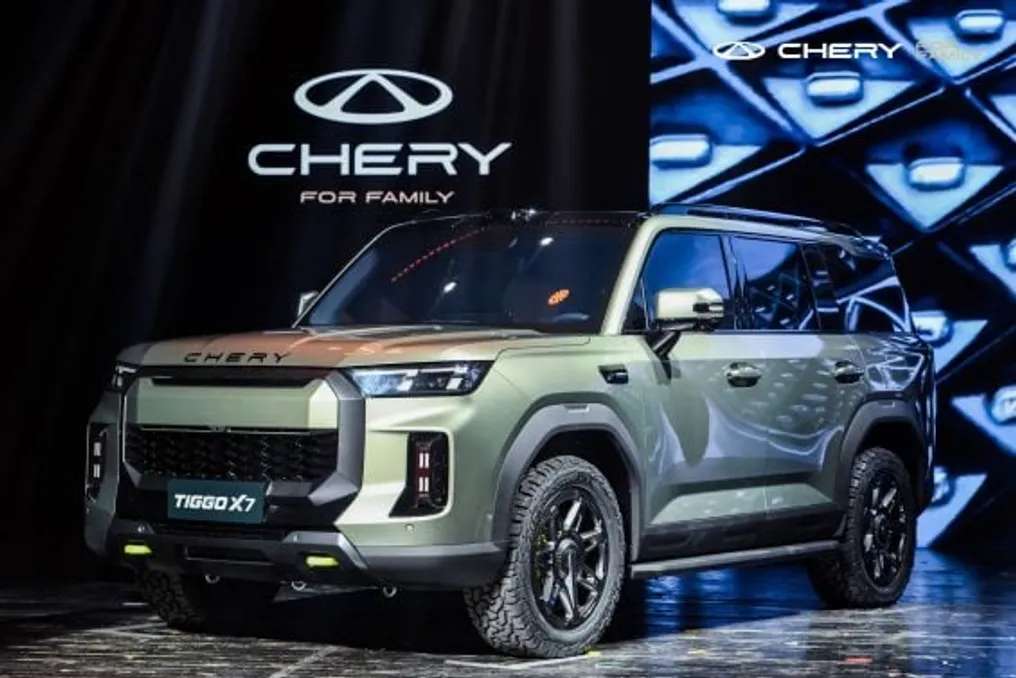
Chery launches Tiggo X7, an adventurous version of the Tiggo 7, for difficult terrain

Chery has introduced a new adventurous variant of the mid-size SUV Tiggo 7, sold in Brazil by Caoa Chery. This new model is the Tiggo X7, which was recently unveiled in Wuhu, Chery's headquarters city in China, marking the beginning of the new Tiggo X family.

The Tiggo X7 is designed to handle adverse conditions such as mud, sand, and flooded areas. It features high ground clearance, all-terrain tires, and offers six driving modes adaptable to various types of terrain.

While maintaining the proposal of being a spacious and comfortable SUV inherited from the Tiggo 7, the X7 presents a more rugged look. Aesthetic modifications include straighter body lines, plastic cladding on the wheel arches, reinforced bumpers, and longitudinal bars installed on the roof.

At the front, the grille has a body-colored finish, and the bumper details resemble recovery hooks. At the rear, the taillights adopt a 'C' shape, replacing the light strip present on the Tiggo 7. In terms of dimensions, the X7 is 10 cm wider and 7.8 cm taller than its predecessor.

Internally, the SUV replicates many features of the new Tiggo 7, such as the digital instrument panel, the horizontally placed multimedia center, and electric controls for seat adjustment on the doors, which also offer customizable ambient lighting. The vehicle has seating capacity for five passengers.

The six driving modes are capable of altering the car's performance in specific scenarios, such as snow, mud, sand, rocks, and when crossing flooded sections. The manufacturer stated that the maximum towing capacity of this model reaches 1,500 kg.

The powertrain is expected to be similar to that of the Tiggo 7, offering gasoline and plug-in hybrid options, which allow charging via a socket. There are also mentions of hybrid versions that include all-wheel drive.

Chery has already confirmed the availability of the Tiggo X7 in South Africa between July and September 2027. In the Brazilian market, where the current Tiggo 7 was launched in August with prices starting from R$ 139,990, Caoa Chery has not yet released plans regarding the new model.

Popular