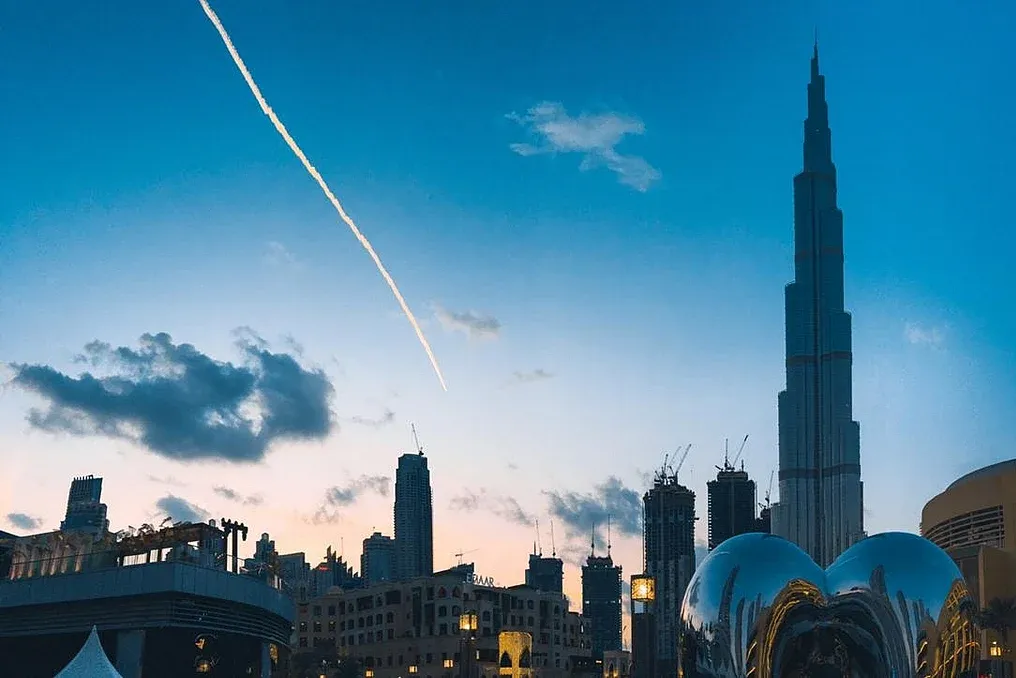
With the arrival of the new season and the shortening of daylight hours, Dubai has taken on a distinctly different character in the evenings. Cooler air, early sunsets, and illuminated skylines create an atmosphere of peace, changing how the city concludes its workday. The fast energy of the day slows down, transitioning into a more measured rhythm, and for many residents, this daily change has become a pleasant pause.
Arsani Tarwat Eldib, a resident of the UAE, noted that he has begun to appreciate these changes. He shared that while traveling home, he observes the bright sun fading as the city lights gradually take over. According to him, this view serves as a constant reminder of the metropolis's dynamic nature, and he finds that the transformation of the urban landscape always seems new to him, no matter how often he sees it.
The time of sunset has significantly changed: in the summer, it was observed between 7:00 PM and 7:45 PM, whereas in November, the sun sets slightly after 5:30 PM. This means that many residents return home from work precisely at sunset.
Jitin Roy, a graphic designer, believes that Dubai's evenings provide him with a daily stimulus. He particularly enjoys watching the cityscape light up, starting from the last metro car. For him, it is like 'a moving painting woven from light.' He often walks home after work, drawn by the quiet that fills the city at dusk, noting that everything slows down in the evening, and Dubai reveals its calmer side.
For Jitin, the most special moment is passing the Metro by the Museum of the Future on Sheikh Zayed Road. He describes it as a short but beautiful scene where movement, buildings, and light combine. As an artist, he says this atmosphere inspires him daily, and for him, the evening Dubai feels like a 'gallery in motion' and an ideal place for creative people.
Resident Farisa M.S. shares that regardless of fatigue, as soon as she goes outside around 5:30 PM or 6:00 PM these days, the evening ambiance lifts her spirits. She emphasizes that the change in weather, the shining lights, and the vibrant energy of the city fundamentally alter perception.
An expert also pointed out that the changing cityscape can have a positive psychological impact. Caroline Yaff, a consultant and cognitive-behavioral therapy therapist at Medcare Camali Clinic in Jumeirah, explained that visually appealing environments affect mental well-being. She clarified that illuminated buildings and evening lights can be calming, helping passengers transition from work mode to a more relaxed state. This transition, in her opinion, allows one to temporarily escape daily stress and promotes emotional balance.
Arsani agreed with this feeling of emotional renewal, noting that the moment of sunset, when the first lights reflect on the metro glass, creates a feeling as if the city is saying, 'The day is done, but the night is just beginning.' Even after a long day, this evening view helps him recharge and reminds him of the reasons he loves living in this place.
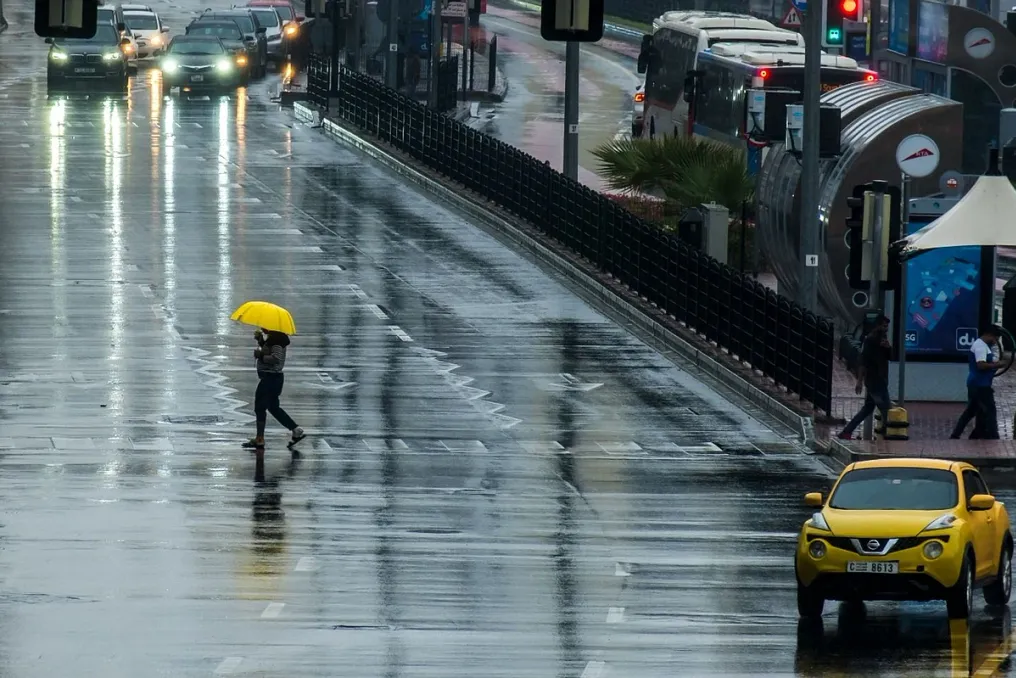
As Dubai transitions into cooler months, more residents are paying attention to both weather changes and behavioral shifts. Mina Khalid observed that people have become more cautious, wearing masks again, drinking hot beverages, and generally taking care of themselves, as if trying to conserve energy amid climate changes.
Despite the city being known for its ambition, speed, and vertical growth, these quiet evening moments reveal another facet. Whether you observe it from a metro window, a pedestrian bridge, or along the waterfront, Dubai's evening glow offers a moment of stillness in a city that rarely stops. It is a reminder that even here, beauty and harmony can coexist with constant movement.