The cost to develop a large-scale video game can exceed hundreds of millions of dollars. Major productions, which involve vast teams, advanced technologies, marketing campaigns, and long development periods, have significantly driven up the budgets of AAA-rated games.
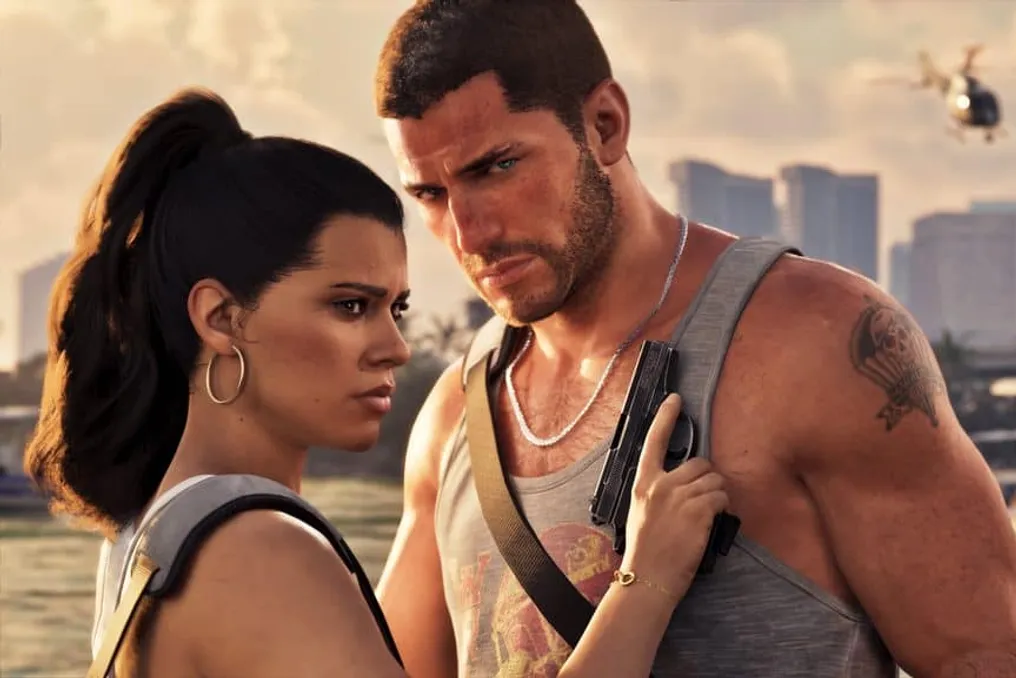
With the expected release of Grand Theft Auto VI, there are projections that Rockstar Games may set a new spending record. Although the official value has not yet been revealed, circulating industry estimates suggest investments that could reach into the billions.
The list considered covers figures provided by companies, available documents, and market valuations. It is crucial to note that these numbers do not use a standardized methodology; some include marketing expenses, while others focus only on development, and games as a service accumulate investments over several years.
The amounts presented are nominal, without inflation correction, and do not constitute an audited ranking of directly comparable costs. Among the listed titles, Call of Duty stands out for appearing three times. The Activision franchise employs a production structure that encompasses various studios, development teams, and continuous contributions to technology, multiplayer mode, and new content.
Cyberpunk 2077 illustrates another cost profile. In addition to the initial investment made at launch in 2020, CD Projekt Red had to allocate resources for updates, technical enhancements, and the Phantom Liberty expansion, released in 2023.
In the case of Genshin Impact, the distinguishing factor lies in its continuous service model. Since 2020, HoYoverse has been adding characters, new regions, events, and systems, resulting in a progressive accumulation of investments over the years.
Star Citizen has a unique situation. The Cloud Imperium Games project raised hundreds of millions of dollars through crowdfunding, but the capital raised does not always correspond to the cost actually incurred in development. For this reason, even when frequently appearing on lists of the most expensive games, these projects cannot be directly compared with traditional campaign titles.
The development of GTA 6 involves one of Rockstar Games' most ambitious undertakings, characterized by an open world set in Florida, multiple protagonists, and an extensive production cycle. Rumors about the game's budget cite figures that could reach US$ 2 billion. However, Rockstar and Take-Two have not publicly confirmed this value, and it remains uncertain what portion of it refers to development, marketing, or long-term investments.
Even without official data, the magnitude of the project suggests that GTA 6 could feature among the most expensive productions in video game history. This discussion also highlights a relevant transformation in the industry: the creation of major games has transcended mere world expansion or increased graphical realism. Currently, costs encompass maintaining teams for years, developing proprietary tools, content production, and sustaining operations after launch.
If GTA 6 truly sets a new benchmark for spending, it will serve as another example of how game budgets have approached—and in some instances, surpassed—those of major cinematic productions. The original article was initially published in Olhar Digital.