South African wool and mohair industries become a central theme at Commonwealth meeting
Read more
Food For Mzansi
foodformzansi.co.za

South African wool and mohair industries become a central theme at Commonwealth meeting

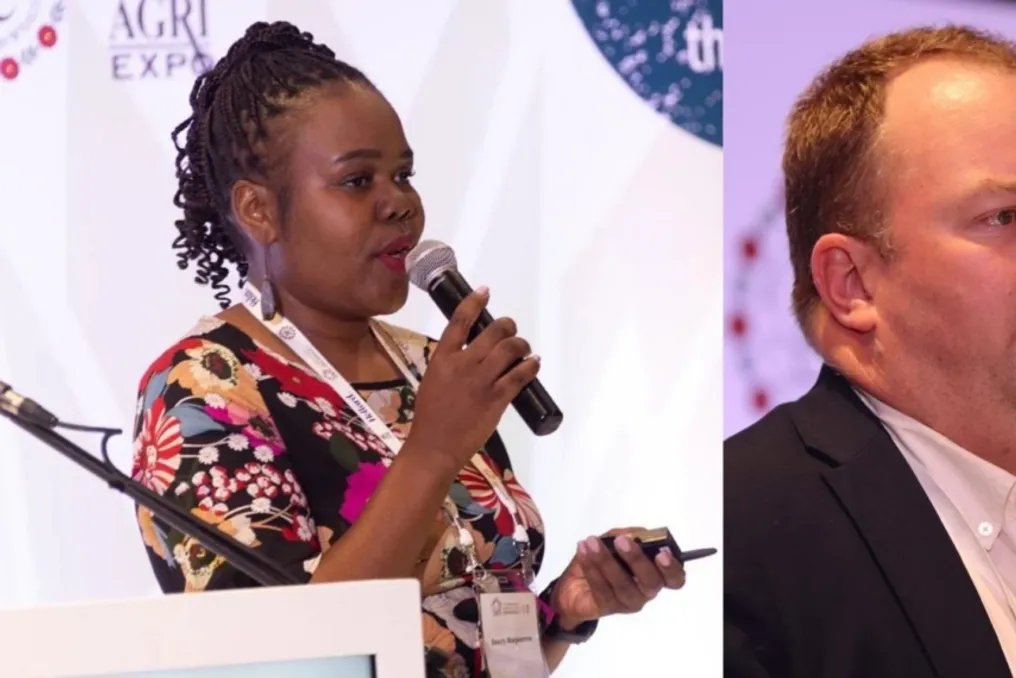
The wool and mohair industries of Mzansi took center stage at the Commonwealth meeting organized by Agri-Expo. The event gathered agricultural leaders and guests, including Princess Anne from the UK.

Industry representatives highlighted a common challenge: how can South Africa increase opportunities and retain most of the value throughout the natural fiber supply chain—from farm to final product?

Although South Africa is a global leader in mohair production, the key question is who gets to participate in and benefit from this industry. For Beauty Mogkwamme, who manages the Mohair Expansion Fund in Mohair South Africa, transformation means assisting emerging farmers in transitioning to commercial production.

The Fund identifies farmers with suitable land, assesses their infrastructure and production capacity, and then provides qualified Angora sheep farmers with interest-free five-year loans. Mogkwamme explained that farmers also receive training in animal husbandry, farm management, financial management, and leadership, with commercial farmers and other industry partners providing mentorship and technical support. This model aims to help farmers ultimately become self-sufficient. 'We don't just give our farmers money. We buy them sheep and go with the farmer through this entire five-year period.'

Mogkwamme added that farmers return a portion of their mohair income to the fund, allowing the funds to support other farmers entering the industry. Currently, the fund supports nine projects, and approximately 12 projects have been completed since 2018. Mogkwamme also reported that one farmer completed the program in four years, ahead of the five-year term, after producing more than tons of mohair in six months.

Stefan Gerber, a wool producer and founder of Gerber & Co, stated that the future of South African wool should not end when the fiber leaves the farm. Speaking at the Commonwealth meeting, Gerber discussed how drought, rising feed costs, and competition challenges in the global raw material market prompted him to think beyond just producing raw wool.

These reflections led to the creation of an integrated South African wool and textile value chain, covering the process from farm through processing to finished goods. Gerber & Co operations begin with sheep farming at Nuwe Era Boerdery in the Northern Cape. Gerber explained that the business then goes through the wool scouring stage, where greasy wool is cleaned and turned into clean wool and wool tops. From there, the fiber can be used in non-woven products such as blankets, felt, and technical fabrics, or sent for textile processing, including carding, spinning, weaving, knitting, embroidery, and garment manufacturing. The final stage delivers the products to retail and B2B markets.

He also noted that the goal of this model is to keep most of the value chain within South Africa, from farm to finished goods. Gerber also spoke about finding value in what others might consider waste. The company extracts and utilizes byproducts of wool processing, while also researching biological detergents and composting. His message is simple: local wool should not travel around the world for every processing step before returning as an expensive finished product. He concluded: 'One day in South Africa we will wash the wool again. We have achieved this.'

For Gerber, the current task extends beyond just wool; it is about whether South Africa can develop industries around its agricultural produce, create local skills and jobs, and retain more value closer to the farms where production begins.
Similar stories

Commonwealth Agriculture Views Partnerships as a Path to Strengthening the Future
Read more
foodformzansi.co.za

Commonwealth Agriculture Views Partnerships as a Path to Strengthening the Future

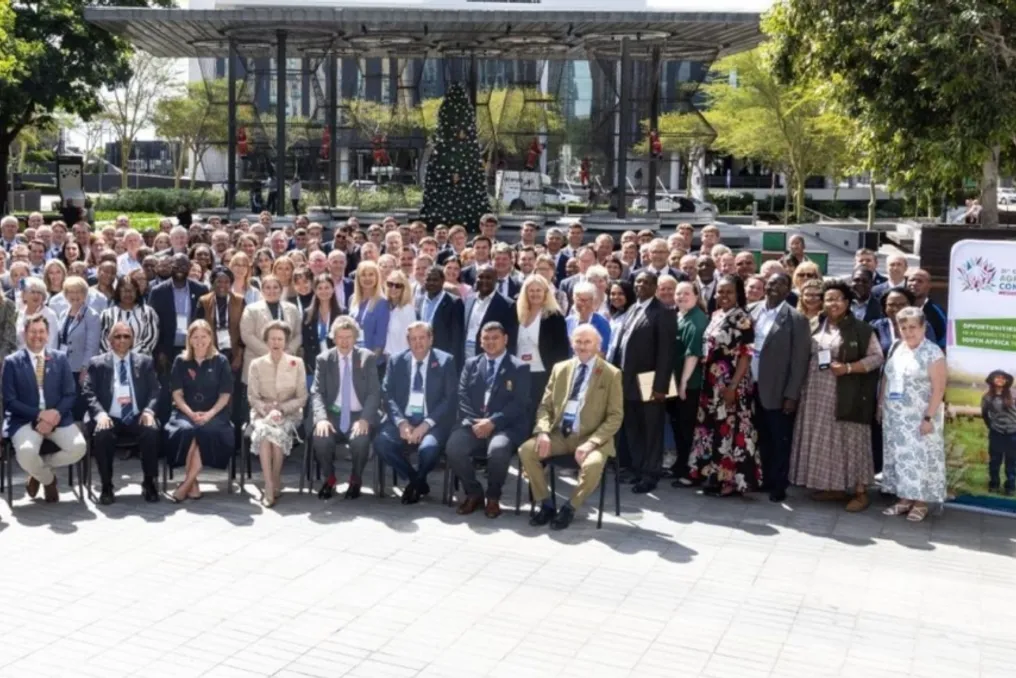
Despite agriculture being practiced in different parts of the world, farmers face many common challenges. On the third day of the Commonwealth Agriculture Conference in Cape Town, delegates from across the Commonwealth gathered to examine the future of food and farming.

Discussions covered the issues and opportunities shaping the agricultural sector, providing countries with an opportunity to learn from each other and share ideas that can contribute to the industry's development.

According to Dr. Ivan Maier, Minister of Agriculture, Economic Development, and Tourism of the Western Cape, this region accounts for 58% of South Africa's main agricultural export supplies. Speaking to the conference delegates, Maier stated that the provincial government remains committed to creating a favorable environment for investment, innovation, growth, and infrastructure development, while supporting agricultural exports and skills development.

Maier also expressed gratitude to Agri-Expo, noting that the organization has played an important role in the history of the provincial Department of Agriculture and continues to contribute to the agricultural sector. He added that the conference provided an opportunity for Commonwealth nations to join forces, exchange knowledge, and establish partnerships.

He emphasized: 'When we work together, we can create opportunities. When we work together, we can unlock innovation. When we work together, we strengthen agriculture and rural communities. Agriculture is more than an industry. It is the foundation of food security. It is a source of dignity and employment. It is a driver of economic growth. Together, through innovation, partnership, and a common goal, we can ensure that agriculture continues to transform lives and strengthen communities across the Commonwealth.'

For Kenny Eng, founder and lead farmer of The Local Farm Ventures in Singapore, food security is inextricably linked to the people who produce food. Discussing the impact of Covid-19 on farmers, Eng noted that rising costs and disruptions destroyed already thin margins, while many farmers struggle to build sustainable businesses. His response was to seek ways to create demand for farmers while simultaneously supporting communities through the Farm Pack for Good program, where companies purchase produce at fair prices from farmers, which is then distributed to needy families.

Eng stated that this experience changed his view of his role in agriculture and the value that farmers bring to food systems. He stressed: 'Is the job of farmers just to grow food for people? We are entrepreneurs. Margin matters. Skills matter. Talent matters.'

In Eng's view, supporting farmers means going beyond food production and finding ways to create value that will help agricultural enterprises survive and grow.

According to Christo van der Reyde, former CEO of Agri SA, emerging farmers need more than just funding to build a commercially viable business. Van der Reyde explained that patient capital can help developing farmers secure production loans even without additional collateral. Structured procurement agreements can also provide security by linking farmers with vetted buyers of their produce.

However, he noted that access to money is not enough. Van der Reyde warned: 'Capital, ladies and gentlemen, without technical oversight, attracts failure.' He also pointed to the need for specialized agricultural training closer to production sites, citing the Wine Academy in Cakalaka, located along the Orange River in the Northern Cape, as an example of building technical skills where agricultural production takes place.

He explained that agriculture requires knowledge from various disciplines, including plant biology, chemistry, engineering, climatology, and economics. Applied mathematics is also necessary for commercial farming, ranging from calculating planting density and spraying requirements to managing labor costs and crop cash flow. Van der Reyde also addressed bureaucratic and legal barriers that can slow down commercial development for new farmers. He pointed to support in areas such as water licenses, environmental permits, land ownership, financial accounting, and tax compliance as part of helping farmers build a business banking profile. He specifically highlighted that agricultural development should focus on creating commercially competent enterprises. Van der Reyde concluded: 'Stop developing farmers; develop agri-entrepreneurs.'

Popular