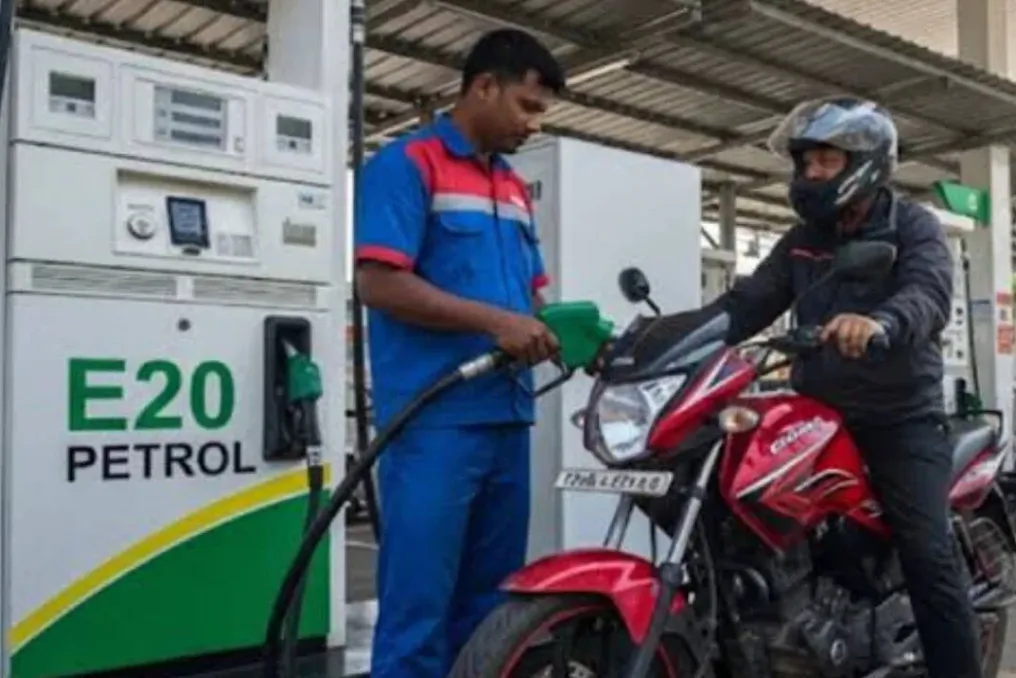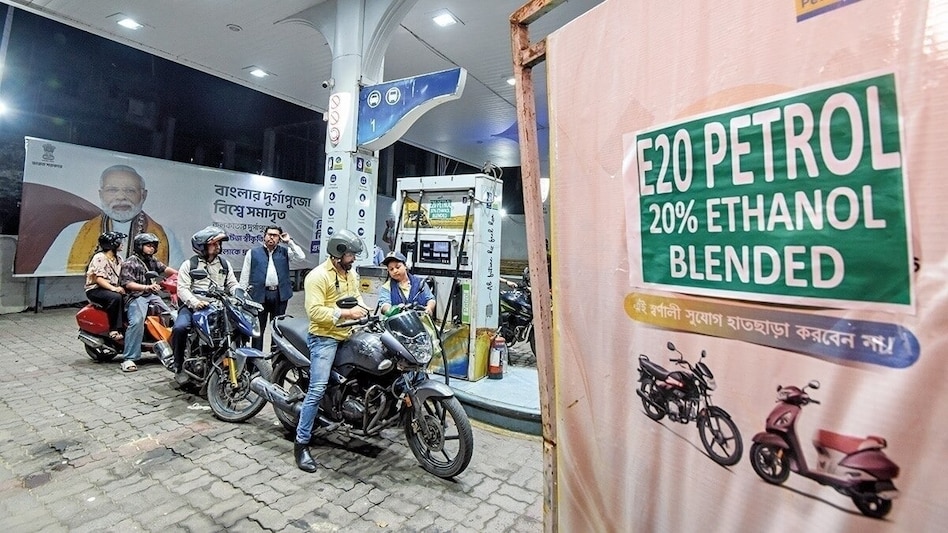
A dispute has resurfaced regarding E20 gasoline. The Karnataka government previously claimed that laboratory tests showed an excess of established ethanol content norms in all types of fuel supplied by various companies. The oil companies responded to these accusations.
State oil extraction companies, including IOCL, BPCL, and HPCL, rejected the state government's claims. The companies stated that the results of the checks conducted by the state government do not comply with current laws and technical procedures. They emphasized that E20 gasoline, supplied both in Karnataka and across the country, meets the IS 17021 standard set by BIS (Bureau of Indian Standards).
The Karnataka government asserted that more ethanol was added to E20 gasoline than stipulated by the standard. The state claimed that samples taken at some gas stations showed ethanol content exceeding 20 percent; some samples indicated an admixture of up to 31.2 percent. Consequently, the Karnataka government demanded action against the oil companies.
The Minister of the Karnataka government, Ridwan Arshad, reported that the state collected fuel samples from different districts, including Bangalore, and sent them for testing. After the oil companies failed to provide a clear response to questions about ethanol content, the government decided to conduct an independent inspection. The inspection carried out by the state government revealed ethanol content ranging from 26 to 31 percent in some locations.
In a joint statement released on Friday, the state oil companies expressed disagreement regarding the sampling process and testing methods. According to the companies' statements, there is an established government procedure for fuel quality control, adherence to which is mandatory.
The oil giants specified that the established procedure requires six general fuel samples to be taken. Two of these samples are handed over to the gas station dealer with a receipt, and two others are securely stored with the oil company or the relevant department. The remaining two samples are sent to an accredited laboratory for analysis.
The companies also insisted that all parties must sign the sample labels. Furthermore, the test results must be provided to the gas station dealer and the relevant oil company within the stipulated time to maintain the possibility of result verification.
The oil companies stated that their representatives were not present during the sampling conducted by the state government. They alleged that they were not provided with secure samples, gas station information, or laboratory reports related to this inspection. The companies reported that they requested this information through the state-level coordinator but were unable to obtain it.