Xiaomi's automotive business has created an International Business Department, formalizing its work on overseas expansion, according to Sina Technology on November 6. The report states that Yu Liguo, the vice president for the automotive division, will be appointed as the head of this department.
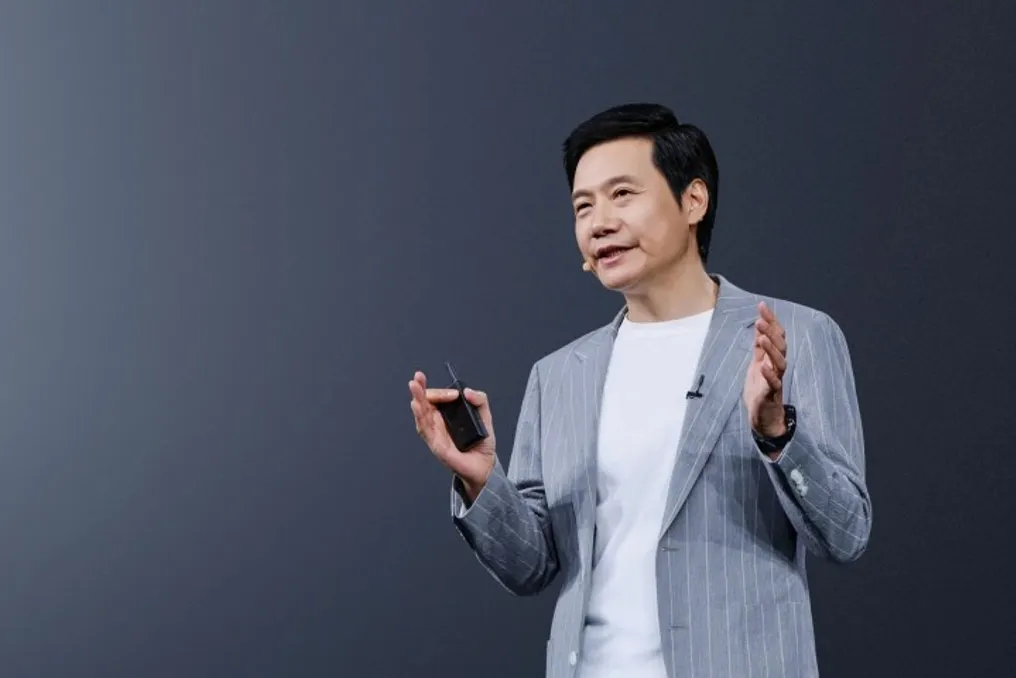
According to Sina, Yu Liguo will report simultaneously to Lei Jun, the founder and CEO of Xiaomi who also heads the automotive business, and Lu Weibing, the group president. This appointment continues the work of the preparatory group for overseas business, which Yu Liguo previously led. Thus, this is an organizational development, not the first announcement of Xiaomi's plans to sell cars abroad.
The new department includes teams for go-to-market, sales, network development, delivery and logistics, user servicing, general management, and regional overseas teams. Sina notes that all these divisions report to Yu Liguo. This functionality covers the entire operational chain required to move vehicles from market preparation to customer handover and subsequent after-sales service.
The report also indicates that a separate international marketing unit will have dual reporting lines—to both Yu Liguo and Xiaomi's group marketing leadership. This structure allows for a clear separation of international marketing tasks from regional execution, sales channels, and operational servicing activities, rather than consolidating all overseas functions into one undifferentiated team.
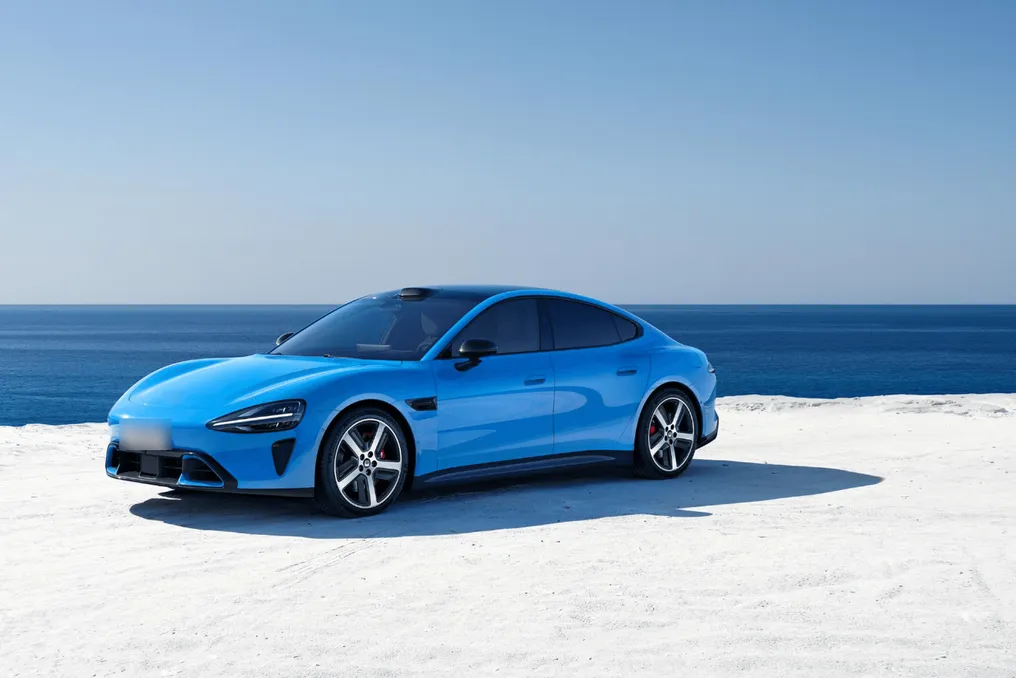
These organizational changes align with Xiaomi's previously stated schedule. Sina quotes Lu, who stated that the automotive business plans to begin international expansion in the second half of 2027, starting with Europe, followed by entering right-hand drive markets in the first half of 2028.
The Chinese report also mentions that Xiaomi announced at IFA 2026 its intention to enter European markets, including Germany, in 2027. Furthermore, the company signed memorandums of understanding with eight German auto dealer groups as an initial step toward establishing a retail and service network. These agreements indicate preparatory partnerships, not the start of overseas shipments.
The latest report does not contain information on the first export model, country-specific pricing, sales targets, or confirmed customer delivery dates. Its specific novelty lies in the creation of the department and the distribution of responsibilities. Transforming this structure into a functioning overseas business will still require executing the sales, logistics, delivery, and customer service work assigned to its teams.