Zomato launches Limitless Delivery feature, allowing food orders from restaurants up to 40 km away
Read more
Aaj Tak
www.aajtak.in

Zomato launches Limitless Delivery feature, allowing food orders from restaurants up to 40 km away

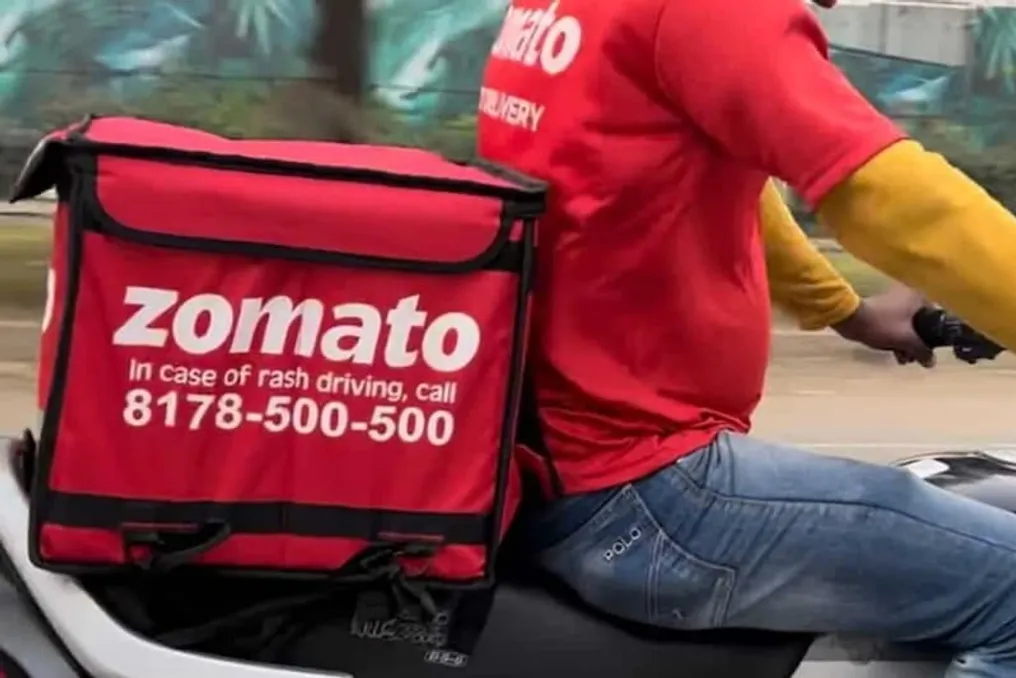
Users no longer need to limit their food orders to nearby restaurants. Zomato has introduced a new feature called Limitless Delivery. With it, users can order dishes from selected establishments located up to 40 kilometers away within their city. This opens up the possibility of ordering favorite food from restaurants in another part of the city, although the maximum distance is 40 kilometers, and not all restaurants within this radius will offer delivery service.

Zomato launched this feature in seven cities across the country: Delhi-NCR, Mumbai, Bangalore, Chennai, Kolkata, Pune, and Hyderabad. The company's goal is to expand the choice of restaurants and culinary options for customers. According to Aditya Mangla, Zomato's Head of Food and Delivery, this initiative will allow customers to search for and order food from their favorite establishments located at a significant distance.

To use this feature, users must go to the Zomato app's home page. There, under the 'Explore More' section, a special link for Limitless Delivery will be available. Clicking on it will display a list of restaurants ready to accept long-distance orders, from which the desired establishment can be chosen and the order placed.

There is also an option for direct restaurant search. If a user wants to order food from a specific establishment, they can find it in the app. This allows them to check whether that restaurant delivers to the user's address. Available options in the search depend on the user's location and available delivery services.

The Limitless Delivery feature gives users a chance to get food from restaurants outside their immediate neighborhood. This service is especially useful for those who cannot find suitable food or a specific cuisine nearby. However, receiving an order from a distant restaurant depends on several factors: the corresponding restaurant must agree to accept long-distance orders, the customer's address must be within the restaurant's delivery zone, and a delivery partner must be available at the time.

Zomato has not yet provided information on whether an additional fee will be charged for delivery when ordering through Limitless Delivery. The company has also not specified how long long-distance deliveries will take. Therefore, before placing an order, it is recommended to check the delivery cost and estimated delivery time displayed in the app.

Similar stories

Zoho launches restaurant POS platform in India, offering free plan for small businesses
Read more
yourstory.com

Zoho launches restaurant POS platform in India, offering free plan for small businesses

Zoho has introduced its Point of Sale (POS) platform specifically for restaurants in India. The first client to use this system is the confectionery Asha Sweets, located in Kolkata. As part of Zoho's efforts to digitize small enterprises, the product is offered free of charge to restaurants with an annual turnover of up to 12 lakh rupees.

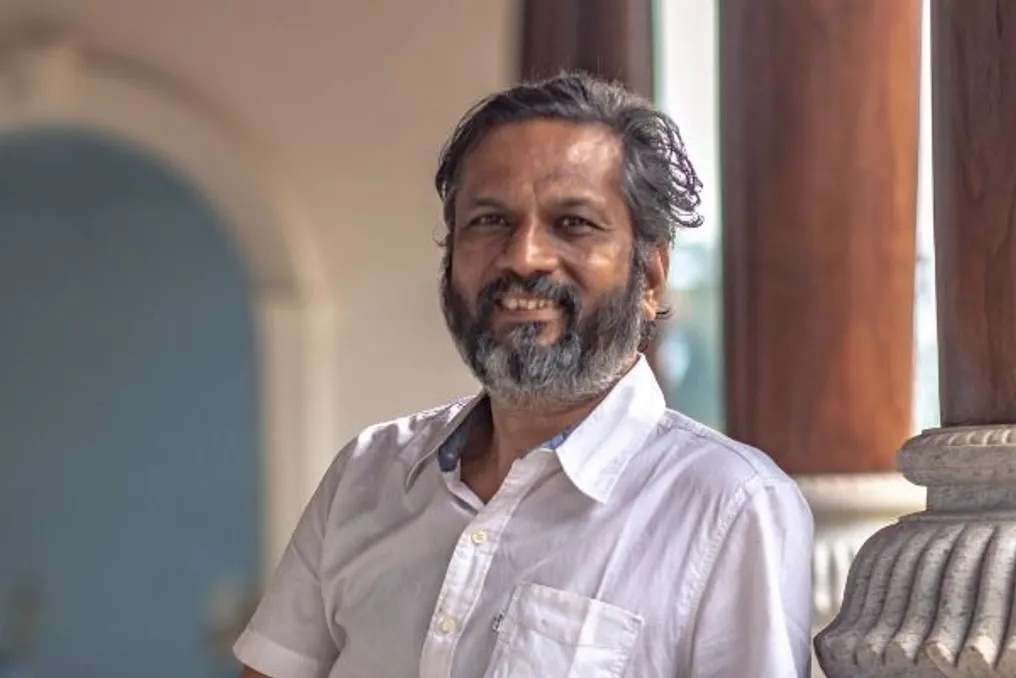
Zoho Co-founder, Sridhar Vembu, stated in an X post that Asha Sweets began using Zoho POS for Restaurants during the festive rush. The Zoho team visited the establishment to observe the platform's operation during peak load periods.

Vembu noted at the Zoholics India event: 'The first client for any new product is special. When that client is a confectionery, it is even more special.'

Zoho POS for Restaurants is a cloud-based system that consolidates order management, menu tracking, kitchen operations, inventory, and invoicing into a single interface. This platform is designed for various types of establishments, including cafes, bakeries, fast-food restaurants, cloud kitchens, casual dining venues, and multi-location businesses.

The system allows for the consolidation of orders received through self-service channels, takeout orders, and food delivery from services like Swiggy and Zomato, all via one unified interface. Furthermore, it supports QR code-based digital menus, table management, and Kitchen Order Tickets (KOTs), helping restaurants control the preparation process and track orders.

The software features offline invoicing capability, allowing transactions to continue processing without an internet connection; data synchronizes once connectivity is restored. The platform is compatible with Windows and Android devices and integrates with Zoho Books for accounting purposes. Supported payment systems include Zoho Payments, Paytm, Pine Labs, and PhonePe.

The product is available in four pricing tiers: Free, Essentials, Signature, and Premium. The basic free plan includes inventory and invoicing functions, while features such as food aggregator integration, table management, self-ordering kiosks, and customer loyalty programs are only available in paid versions.

This launch is part of Zoho's broader strategy to expand into the vertical Software as a Service (SaaS) segment. As part of this expansion, the company is developing industry-specific applications alongside its existing business software. Zoho has identified seven sectors for this expansion, including retail, automotive, banking and financial services, education, real estate, and restaurants.

Dubai restaurant unites Africans through cuisine from Côte d'Ivoire
Read more
iol.co.za

Dubai restaurant unites Africans through cuisine from Côte d'Ivoire

In a bustling restaurant in Deira, Dubai, the sounds of conversations mix with the noise of cutlery and a football match broadcast on television. Patrons lean across tables to chat, laughter rings out over the din, and among friends who have come for dinner, to meet, or to watch the game together, familiar pleasantries are exchanged.

Some customers order dishes from Côte d'Ivoire that they remember from childhood, while others have traveled from other parts of Africa to enjoy this cuisine. The restaurant Guissi Plaza, known by customers as Chez Maestro, often becomes an opportunity to spend time with people who understand what it is like to live far from home.

For businessman Fatiga Ibrahim, this restaurant has become a sanctuary for companionship. He visits when he wants to eat with his family, watch football, joke, and socialize with other Africans living in the United Arab Emirates.

Ibrahim notes: 'Of course, we gather together like a family, as if we were in Africa. Look at these young people here. We watch football together and laugh together. It reminds me... When I am here, it feels like I am home, like I am with my family.'

The appeal of the place for Ibrahim goes beyond culinary aspects. The restaurant allows him to meet new people and build relationships despite living outside his native country.

At Chez Maestro, relationships are built around Côte d'Ivoire cuisine and the restaurant owner, Aminata Camara. Camara has lived in Dubai for six years. She moved here with her husband, who relocated to the emirate for football. As their lives developed, the couple discovered that Ivorians in their community had few options for enjoying their familiar food, even with restaurants serving other West African dishes.

Initially, they started cooking and delivering food to clients. When orders sharply increased, the couple saw an opportunity to open a restaurant where guests could sit down and dine.

Camara explains: 'The idea for the restaurant, I can say, came from my husband. He came for football, and then he had the idea to do catering because there were more and more Ivorians. There were Malian restaurants, but there was no Ivorian restaurant. So we started at home. We saw that the customer base was growing, so he decided to open a restaurant.'

African culture is not limited by national borders nor does it remain unchanged when people migrate abroad. When Africans settle in other countries, they bring with them their food, culture, and languages, opening up opportunities to interact with people outside their own national communities.

Camara took over the daily management of the restaurant, while her husband continued playing football and participating in other events. The place quickly turned into a physical hub where consumers could gather, eat, and network.

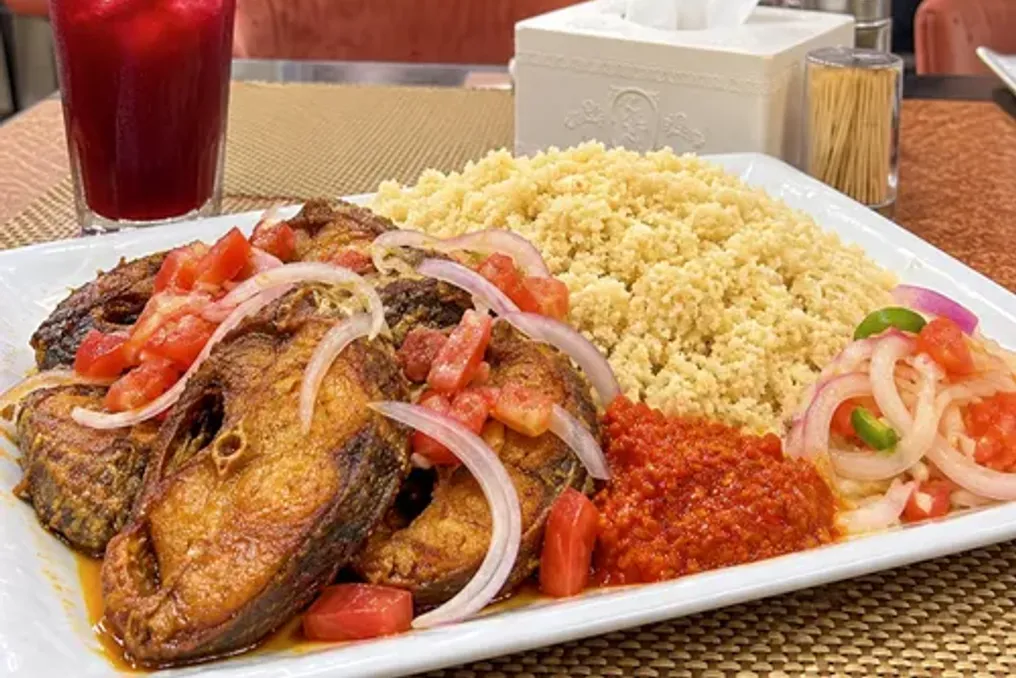
The menu is largely based on the culinary heritage of Côte d'Ivoire. Camara mentions dishes such as garba, plakali, and foutou banane, which remind customers of home. Garba, made from attiéké and fried tuna, is particularly popular among the restaurant's broad audience.

This experience reflects a broader reality for Africans moving abroad for work and other opportunities. The African Union estimates that 4.7 million African migrants resided in the Gulf Cooperation Council countries by 2024. Their experiences vary, but for many, maintaining a connection to home also involves finding familiar food, languages, and communities in a new environment.

Camara found that consumers from neighboring countries, such as Guinea and Mali, love her cooking. People arrive with various culinary traditions, but the same dish can bring them all to the same table.

She shares: 'The dish that most evokes memories of home is especially garba, plakali, and foutou banane. But what is surprising, I must say, is that people from all these countries, whether from Guinea or Mali, seem to love garba even more than us.'

The popularity of these dishes has allowed Côte d'Ivoire cuisine to spread beyond its original population. Customers can choose dishes from their traditions while learning about the traditions of their neighbors. The restaurant becomes a center of cultural exchange through everyday decisions, such as choosing an order, sharing a meal, and what to order again.

Chef Adelaida Tagbo uses her work to stay connected to her cultural roots. Cooking familiar food in Dubai allows her to continue utilizing talents rooted in her own culinary traditions.

She believes: 'Cooking African food in Dubai, yes, I can say, it is a way for us to preserve our culture because, first and foremost, we are Ivorians, we are abroad. So we are really trying to use our skills abroad. In that sense, it is preserving our culture.'

Her perspective adds a new dimension to the establishment. While customers find comfort in the food, those who prepare it continue a tradition that links their life abroad with their home countries. Cuisine is part of their working life, but it also brings traditions into a new context.

Camara reports that the restaurant's clientele comes from various African countries, including Burkina Faso, Mali, Ethiopia, Madagascar, Comoros, as well as Côte d'Ivoire. Some interactions that arose there went beyond the restaurant, as customers and staff became friends who entered their daily lives in Dubai.

She emphasizes: 'Of course, this place has become a meeting point for the African community. Many people gather here. I think you have seen it yourselves: it is not just Ivorians. There are Burkinabés, Malians, even Ethiopians, Malagasy, Comorians, and everyone gathers here. We ourselves have met people who became like family. Everyone gathers together; it's like we've returned home, right.'

The African Union views the diaspora as an integral part of the continent, comprising people of African descent living outside Africa. However, casual interaction and long-term relationships shape a sense of belonging abroad. At Chez Maestro, these bonds are formed over shared meals, football matches, and conversations between people whose paths might otherwise never have crossed.

The restaurant does not replicate life in Côte d'Ivoire nor does it erase differences between visitors. Instead, it provides a space where people can integrate aspects of their home lives into the communities they create in Dubai. At Chez Maestro, a dish from Côte d'Ivoire cuisine can spark a discussion, friendship, or an evening of watching football. Thousands of kilometers from the continent, the restaurant offers a place for visitors to share familiar tastes while simultaneously forging new connections with each other.
The Host Restaurant in Umhlanga Combines Indian Cuisine with a Family-Friendly Atmosphere
Read more
iol.co.za

The Host Restaurant in Umhlanga Combines Indian Cuisine with a Family-Friendly Atmosphere

The Host Restaurant, located in Umhlanga, offers guests more than just a meal; it provides them with the opportunity to feel part of a large family. Here, visitors can enjoy hearty curries and South Indian dishes while feeling the warmth and hospitality comparable to visiting a friend's home.

The moment of entering The Host marks the beginning of this special feeling. The aroma of aromatic spices drifts from the kitchen, and the friendly staff greets guests warmly. The combination of a welcoming atmosphere and attentive service creates the impression that you have come for a generous family dinner rather than just visited an ordinary restaurant.

The philosophy of hospitality, complemented by a menu featuring fusion cuisine from South India, North India, and Indo-Chinese, has helped The Host become one of the well-known spots for Indian cuisine in Durban in less than a year of operation.

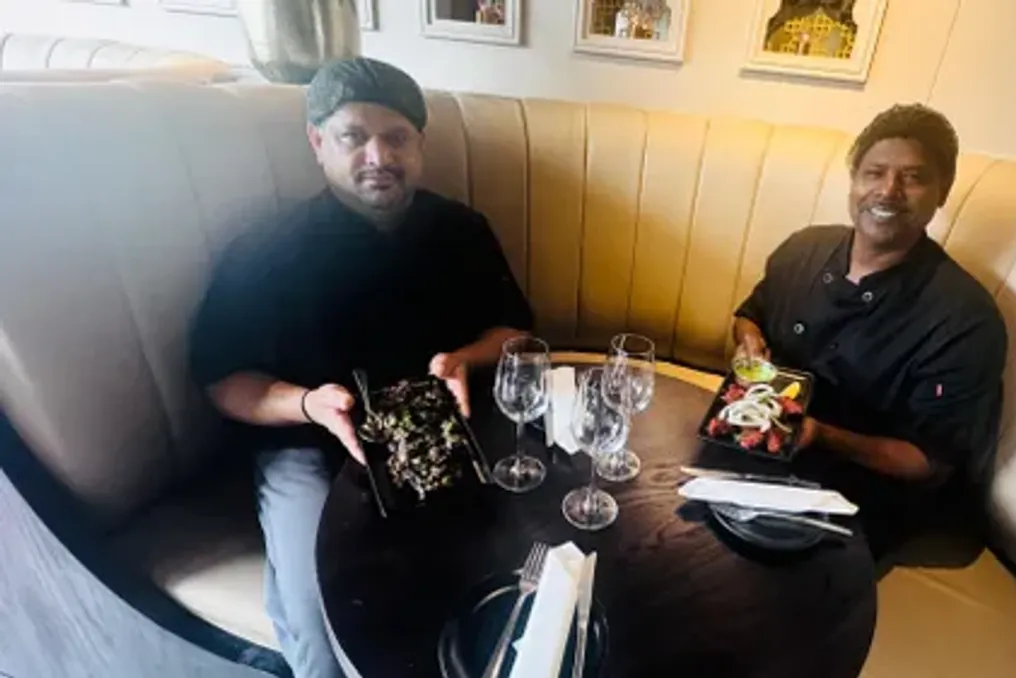
For owner Vivek Mudli, the success of the restaurant lies not only in serving delicious food but also in bringing people together, honoring his family's heritage, and ensuring that every guest feels genuinely welcomed. Mudli emphasizes that they did not initially aim to be just another restaurant, but wanted guests to feel valued and comfortably at home.

This philosophy is reflected in the name of the establishment. Mudli sees himself as a host inviting people into his home, where every visitor is treated as a guest, not a transaction.

The roots of The Host's story go back long before the establishment opened in Umhlanga. Mudli's passion for the restaurant business was inspired by his father, Mali Venkatesan Mudli, who was from India, owned restaurants, and played cricket. Before engaging in hospitality, Mudli worked as a master data specialist in the corporate sector.

In 2013, he opened Mali's restaurant in Morningside, Durban, naming it after his father. It operated until November 2018, when Mudli and his wife, originally from Mumbai, decided to move to Canada. The couple enjoyed their time there, continuing with hospitality by opening another restaurant, which closed in 2023, after which they pursued another project.

However, the pull of home and family remained strong. In March 2025, the couple returned to South Africa to start a new chapter in the restaurant business. Mudli noted that they decided to return home to South Africa with their family and began prototyping a new restaurant under a new name.

An ambitious transformation followed. The space they occupied previously belonged to a dilapidated, closed restaurant, and turning it into the hospitable venue they envisioned was not an easy task. After two months of renovation, The Host opened its doors in July 2025.

The response exceeded expectations. Mudli reported that since opening in July, they have been open every evening. He recalled the excitement of the first day when a queue formed in front of the restaurant. This support was particularly significant because many customers remembered Mali's and eagerly awaited what he would create next. He called it a 'good homecoming' to South Africa.

Since then, the restaurant has attracted a diverse clientele, including locals, tourists, and visitors from other parts of the country. Mudli believes that most of the growth is achieved through 'word-of-mouth' rather than advertising.

Perhaps the most touching aspect of The Host is that its family-oriented approach is not just a marketing slogan but is deeply integrated into the restaurant's operations. Mudli is convinced that a successful restaurant depends on the coordinated work of all employees, regardless of their position.

The owner is not afraid to personally participate in the daily operations of the establishment. Whether it is customer service, assisting staff, or attending to guests, he believes every role matters. He states that he does everything alongside all employees daily, starting from the lowest positions, because a restaurant should be managed like a family.

This spirit extends to his own family. During a busy holiday season, his brother, who works in web design, helps out. This is a small but telling example of the culture Mudli has created. Even family members with professions outside the hospitality industry are ready to help when the restaurant is busy.

Of course, warm hospitality cannot exist without worthy food, which is why people return, and here The Host stands out. The restaurant's menu is based on the culinary traditions of South and North India, and the addition of Indo-Chinese fusion adds another dimension to the experience.

Mudli brought back two chefs who had worked with him at Marley's and expanded the kitchen team with three additional chefs from India. These chefs, hailing from cities such as Chennai, Mumbai, Delhi, and Bangalore, bring rich regional knowledge to the menu. Mudli emphasizes that the kitchen team is one of the pillars of The Host's uniqueness.

The menu encourages visitors to try something beyond usual orders, especially when they come with family or friends with different preferences. South Indian dishes feature bright chilies, curry leaves, chili, and coconut, while North Indian favorites offer rich gravies and familiar spice combinations. The Indo-Chinese options provide an additional spectrum of variety.

The result is a menu suitable for mixed company, where one person can choose a dessert, another a creamy curry, and a third a fusion dish. Furthermore, the restaurant is prepared to accommodate specific guest requests, such as crab or fresh fish curry, provided advance notice is given.

For Mudli, the restaurant is also the culmination of a journey that began with the influence of his father and continued with years of experience in South Africa and Canada. He takes pleasure in managing his restaurant and is proud to have hosted high-level events, as well as loving the people he works with and the restaurant itself.

He hopes that guests leave with an impression that goes beyond the taste of the food. At The Host, the promise is fulfilled in the details: a warm welcome, generous portions, willingness to accommodate special requests, and a team that works as one unit.

Popular