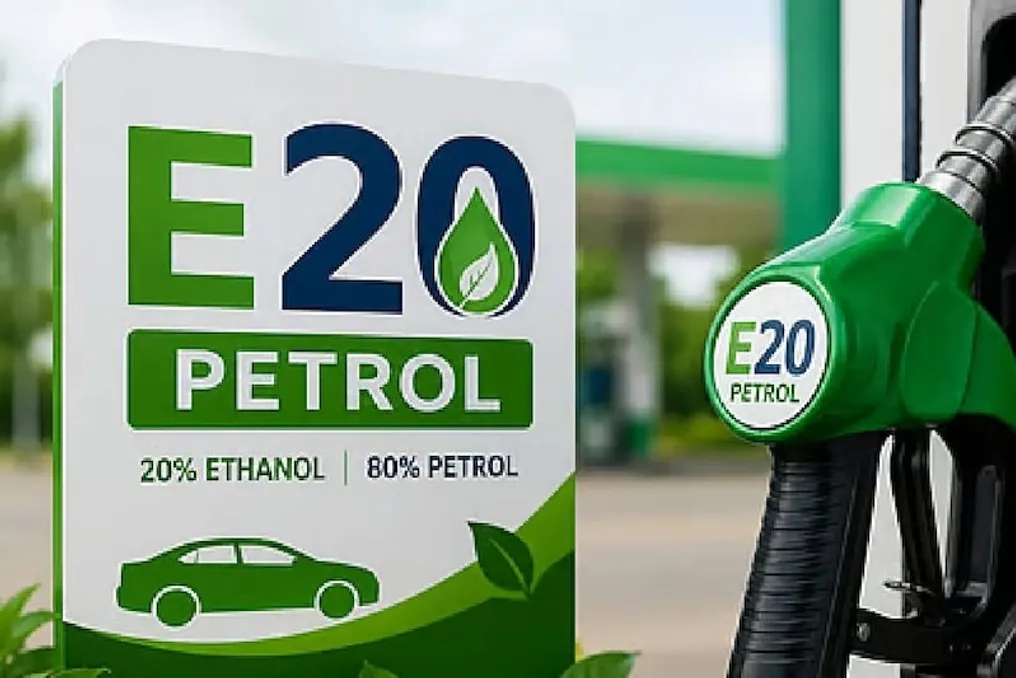
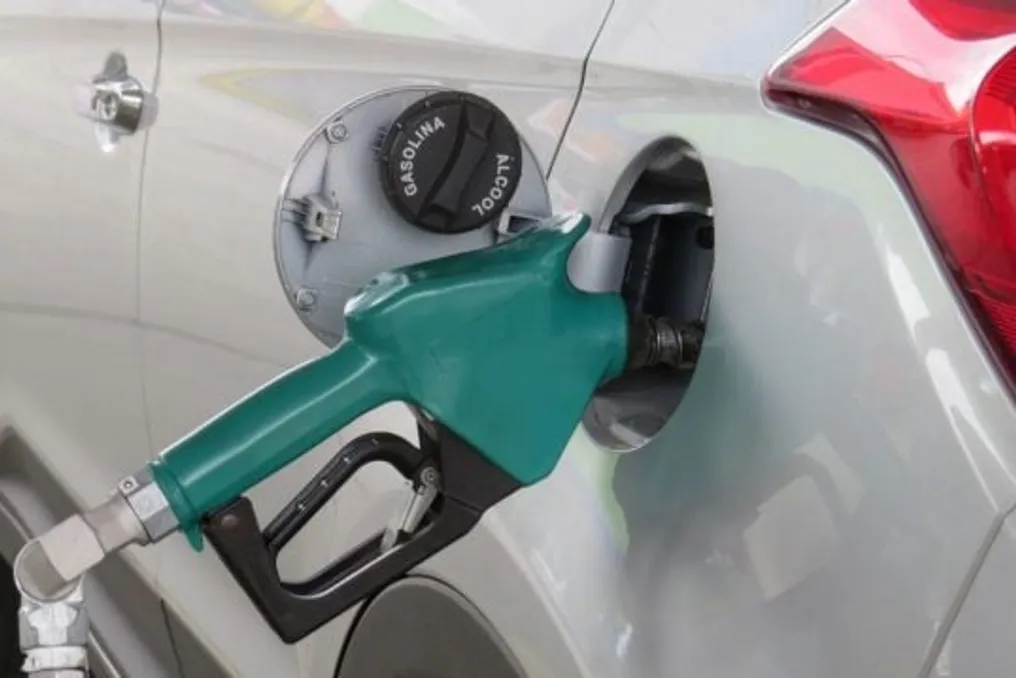
Rahul Gandhi accused companies of exceeding ethanol content limits in Karnataka gasoline
Read more
The times of India
timesofindia.indiatimes.com

Rahul Gandhi accused companies of exceeding ethanol content limits in Karnataka gasoline

During the Lok Sabha session, opposition leader and Congress representative Rahul Gandhi leveled accusations against companies on Saturday, claiming they are supplying fuel with ethanol content exceeding the established limit of 20%. These statements are based on laboratory tests of samples collected from seven districts of Karnataka.

Gandhi stated that the companies' own laboratories were unable to accurately report the ethanol content in the selected samples. Specifically, he mentioned that Indian Oil Corporation (IOCL) and Hindustan Petroleum Corporation (HPCL) allegedly recorded ethanol levels at 31.2% and 30.5%, respectively.

Similar stories

Carnataka Minister reports ethanol content in E20 fuel exceeds 30%
Read more
timesofindia.indiatimes.com

Carnataka Minister reports ethanol content in E20 fuel exceeds 30%

Carnataka Minister Ridwan Arshad stated on Friday that tests conducted in state-accredited laboratories revealed 'excessive' mixing of ethanol in E20 fuel. In some cases, the ethanol content reached 31.2%.

According to him, samples were taken from 63 petrol pumps across the state, and ethanol content above the established limit was found in 14 of them. State Public Undertakings (PSUs) refuted these claims, noting that they are not supported by the results of tests conducted in accordance with legislative and technical procedures.

Furthermore, representatives of the fuel retail trade reported that during a nationwide inspection, 56 samples from Carnataka showed ethanol content within the established range—19–21%.

Karnataka government claims that E20 branded gasoline contains up to 31.2% impurities
Read more
www.aajtak.in

Karnataka government claims that E20 branded gasoline contains up to 31.2% impurities

Discussions surrounding E20 gasoline continue. The government and oil companies assert that only 20 percent ethanol is added to the fuel. However, the Karnataka government has stated that the established limit for ethanol in gasoline supplied by oil companies has been exceeded.

Recently, the Karnataka government collected fuel samples from various gas stations and conducted laboratory tests. According to these tests, none of the samples taken from any gas station met the standard for 20 percent ethanol gasoline; that is, the ethanol content in all sold fuel was higher than the norm.

According to the state government, a total of 63 samples were taken from gas stations of companies such as Indian Oil (IOCL), Hindustan Petroleum (HPCL), Bharat Petroleum (BPCL), Nayara, and Shell. The inspection showed that the ethanol content in samples from seven districts exceeded 20 percent, reaching 31.2 percent in some cases.

The Karnataka government reported that it would send reports of these tests to the central government. The state stated that it conducted these tests after oil companies failed to provide clear answers regarding the exact amount of ethanol in the gasoline.

According to information provided by the state government, IOCL gasoline contained over 31.2 percent ethanol. HPCL gasoline showed 30.5 percent, BPCL showed 26.5 percent, Nayara gasoline showed 26.1 percent, and Shell gasoline showed 25.5 percent.

The higher ethanol content in gasoline can damage vehicles, leading not only to reduced fuel consumption but also to increased maintenance costs. The Karnataka government calculated that if the reduction in fuel consumption due to ethanol blending is 10 percent, annual losses could amount to about 620 billion rupees.

Furthermore, the government reported potential losses of approximately 390 billion rupees due to vehicle maintenance and repair costs. The Minister of the Government of Karnataka, Ridwan Arshad, demanded intervention from the central government on this matter. He proposed creating a special fund to compensate or reimburse vehicle owners who use gasoline with an excess level of ethanol.

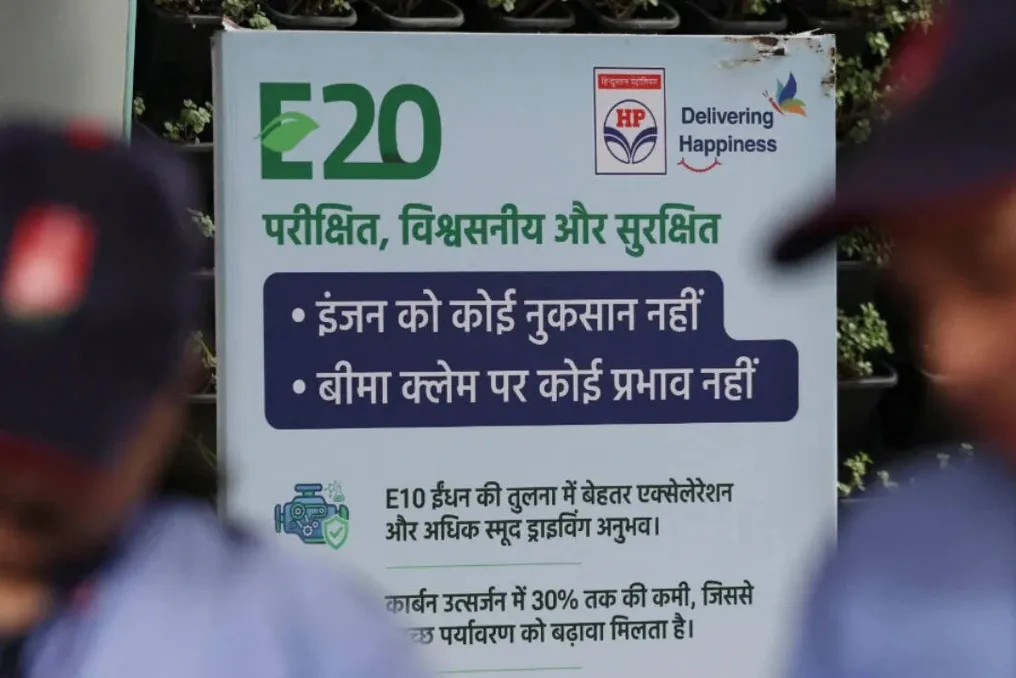
India approves flex cars with pure ethanol (E100) and E85, following Brazil's example
Read more
autopapo.com.br

India approves flex cars with pure ethanol (E100) and E85, following Brazil's example

The Indian government has implemented a significant update to its vehicle homologation standards, formally including pure ethanol (E100) and the E85 blend for flex-fuel automobiles. This regulatory change, which took effect immediately after official notification, defines the technical and legal path for manufacturers to certify and commercially launch these models in the local market.

With this new directive, emission regulatory tables now consider E20 alongside E10 in the gasoline category. Furthermore, there was an expansion of biodiesel specifications to cover the B100 standard. Another relevant technical adjustment was the increase in the maximum permitted gross weight for these vehicles, which rose from 3,000 kg to 3,500 kg, correcting inconsistencies discussed since a preliminary draft presented for public consultation in the first half of the year.

The responsible government department emphasized that flex engines are equipped with automated systems capable of instantly adapting to the proportion of ethanol present in the tank. This technology already has a proven track record in major markets, such as the United States and Brazil. Economically and ecologically, the Indian administration argues that increasing the use of biofuels contributes to reducing dependence on crude oil imports, lowers exhaust pollutant emissions, and supports the national goal of achieving carbon neutrality by 2070.

Despite the legal release for this new energy matrix in transport, local experts and authorities warn that E100 and E85 supply must be used exclusively in vehicles factory-designed for this purpose. Conventional cars, adjusted for smaller blends, are not compatible with pure proportions. Therefore, the standard guidance for drivers is always to consult the owner's manual and check the official fuel compatibility seal before refueling.

Popular