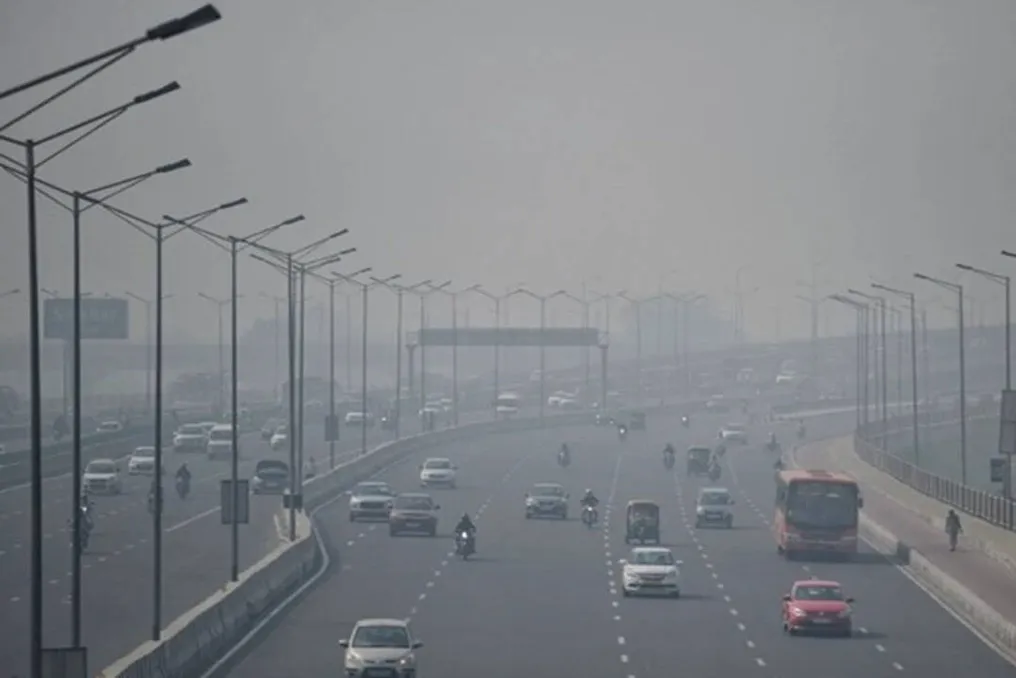
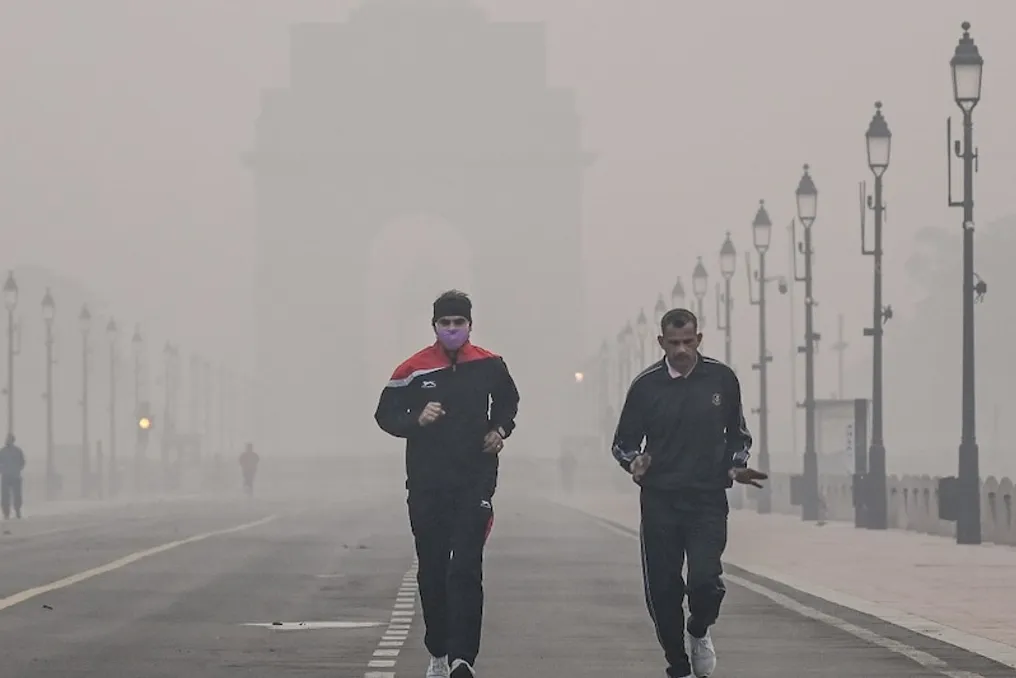
The Supreme Court expressed serious concern regarding the air quality in Delhi. During the hearings, the Chief Justice of India (CJI) inquired about the steps being taken to combat pollution, despite everyone enjoying the weather in Delhi.
Amicus Curiae Apradjit stated that the residents of Delhi are breathing air equivalent to smoking 30 cigarettes daily, and that this is even affecting their voice. It was noted that the Air Quality Index (AQI) remains in the critical category.
The CJI mentioned that the pollution level recently decreased due to rain. However, Amicus Curiae argued that the focus should not solely be on stubble burning; Delhi is already heavily polluted, and stubble burning only exacerbates the situation. He emphasized that the primary cause of pollution in the NCR is transportation, although stubble burning also plays a significant role.
During the hearings, Amicus Curiae pointed out the large number of vehicles in Delhi. In response, the CJI indicated that the problem lies not only in the quantity of vehicles but also in the fact that vehicles from all over the country arrive in Delhi, which complicates monitoring the condition and exhaust fumes of these vehicles. Even if a vehicle is in Delhi for only two hours, it pollutes the air.
A representative from the ASG reported that the government has taken measures: geo-tagging is being implemented for the issuance of PUC certificates at pollution testing centers, and steps are being taken to stop vehicles emitting visible smoke.
Amicus Curiae explained that the central and regional governments have provided farmers with agricultural machinery and equipment, but farmers cannot afford to pay for fuel for these machines, which is particularly difficult for small farmers. Furthermore, due to the Water Conservation Act, farmers had to postpone sowing. The CJI noted that instances of stubble burning are decreasing, and farmers are preparing to sow wheat instead of rice.
During the hearings, the tradition of gift-giving during Diwali was also discussed. One lawyer suggested that perhaps the practice of giving gifts during Diwali should cease. The CJI linked this to cultural changes, stating that people need to understand what their true culture is and what they should do. Justice Joymalya Bagchi added that the commercialization of festivals and using them as commodities is also a problem.