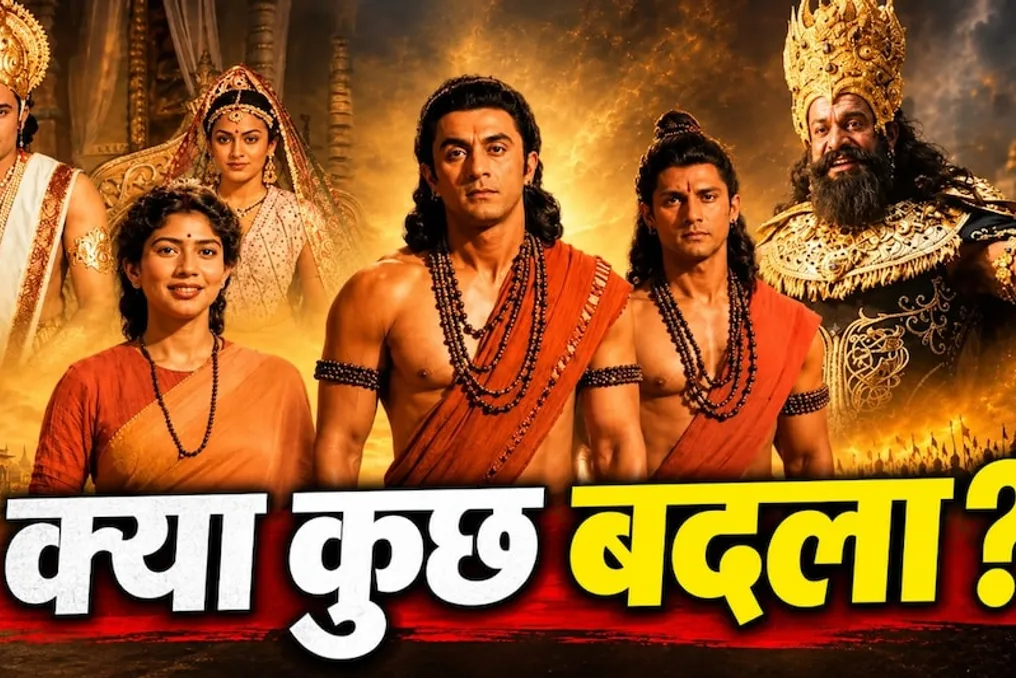
After watching the film 'Ramayana' recently, it became clear that the casting discussions that had been going on for weeks were reflected on screen. No matter where you are in the world, the influence of Ramanand Sagar's 'Ramayana' from 1987 is so deep in the hearts of viewers that comparison is unavoidable. Although there are no serious technical issues with the film's casting, the true essence lies in the script and how the film attempts to present this story in the modern era. Below, we examine the main characters from both periods and the differences between them in detail.
Arun Govil and Ranbir Kapoor
In the famous 1987 series by Ramanand Sagar, Arun Govil portrayed Rama as a calm, meek, softly speaking, and deeply devoted hero. His restrained demeanor and serene facial features made him a constant spiritual symbol, and even today in India, anyone who plays Rama is compared to Arun Govil. Interestingly, in this new film, Arun Govil himself plays the role of King Dasharatha. His voice still evokes memories of the old Rama, although in the role of Dasharatha, he seems not to fully meet expectations.
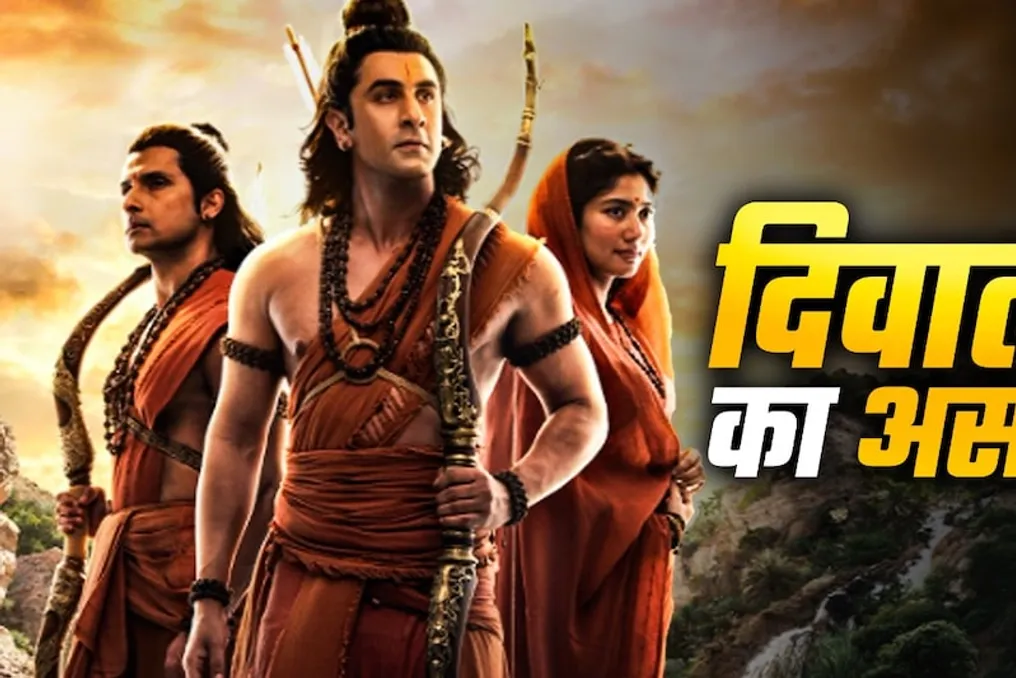
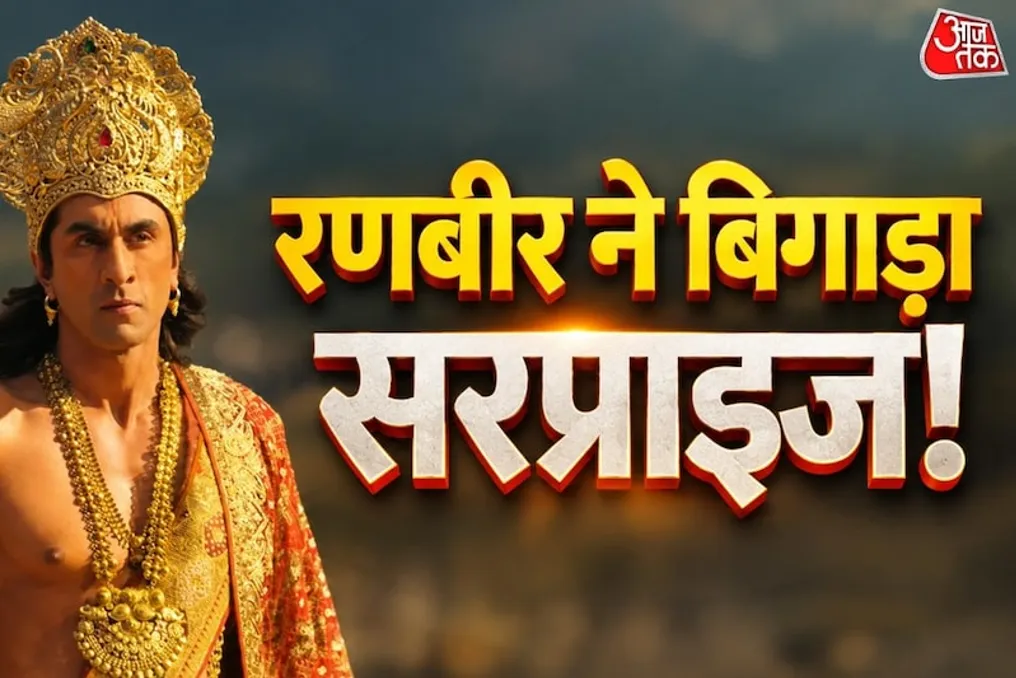
Conversely, in Nitesh Tiwari's 'Ramayana' from 2026, Ranbir Kapoor is presented completely differently. Here, Rama is depicted as a more athletic, grounded, and physically active warrior prince. His performance masterfully balances spiritual stability with courage and the emotional vulnerability of a man undergoing exile. Nevertheless, Ranbir's perception in the role of Rama might seem strange because the images of his previous violent and commercial films are fresh in the minds of viewers, which makes accepting this new role instantly difficult.
Sai Pallavi and Deepika Chikhalia
In Ramanand Sagar's 'Ramayana', Deepika Chikhalia played Sita, who radiated traditional restraint, quiet virtue, and deep self-respect. She did not just perform the role; she lived it, and the immense respect and love for Rama visible in her eyes deeply touched the hearts of Indian families. In contrast, the image of Sita embodied by Sai Pallavi in the 2026 film is vastly different from the previous one. Sita here is completely modern and bold. Like Rama, she is athletic and fully proficient in fencing. There is a scene in the film where Sita's mother goes onto the battlefield in full combat gear and defeats 14,000 demons alongside Rama and Lakshmana. Moreover, during Sita's abduction, not a trace of fear or tears appears in her eyes, which is a major departure from traditional Indian worldview.
Aravind Trivedi and Yash
In the 1987 series, Aravind Trivedi immortalized Ravana as a terrifying mythological villain possessing traditional dramatic grandeur, powerful speeches, booming laughter, and full energy. Ravana's arrogance and terror were clearly evident in every dialogue, and most importantly, in that era, the image of Ravana was not idealized or embellished in any way. In contrast, in the 2026 film, Yash presented Ravana as an extremely influential, politically astute, and complex king of Lanka. Nitesh Tiwari's 'Ramayana' spends much time exploring Ravana's intellect, power, and inner motivations, rather than simply portraying him as an odious villain. Yash looks magnificent in his performance, but the way this character is constructed sometimes gives the impression that the creators are trying to justify or glorify Ravana.
The Changed Image of Lakshmana
Sunil Lahri won the hearts of all viewers in the 1987 series with his passionate, emotional, and youthful devotion to his elder brother Rama. A unique characteristic of Lakshmana's image was the special mix of anger, loyalty, and assertiveness always visible in his eyes. Meanwhile, in the 2026 film, Ravi Dubey presented the relationship of this loyal younger brother with the intensity of contemporary cinema. He can be called the Lakshmana of the 'millennial' generation, whose speech is less restrained; he often winks, displays anger fearlessly, and is ready for action at any moment. His dialogues are quite light. If you have seen Saif Ali Khan's character in the film 'We Together', this Lakshmana reminds you of the same mischievous and modern style.
The Transformed Shurpanakha
The image of Renuka Dhariwal remained in the memory of generations. Ramanand Sagar, drawing on folk tale traditions, presented Shurpanakha as a demoness who was utterly bold, fearless, and frightening. Her eerie laughter and aggressive confrontation with Rama and Lakshmana became a memorable feature of old Indian television. Conversely, in Nitesh Tiwari's 'Ramayana', Rakul Preet Singh portrayed Shurpanakha in a very distinct style, in human form. Instead of showing her in a scary or demonic guise, Tiwari presented her in her royal aspect as a princess of Lanka. She was shown to be very attractive. However, the creators presented this with the idea that beauty...
_