Supreme Court notes that people tend to violate air pollution control restrictions
Read more
The times of India
timesofindia.indiatimes.com

Supreme Court notes that people tend to violate air pollution control restrictions

The Supreme Court stated that attempts to solve the air pollution problem in Delhi, despite significant judicial efforts, have only led to marginal improvement because people tend to violate the imposed restrictions with greater force.

The judicial bench, which included Chief Justice Surya Kant, along with judges Joymalya Bagchi and Vi Mohan, analyzed numerous orders and subsequent monitoring of their implementation aimed at improving air quality. The judges noted that achieving a clean air level below 100 (AQI) during the winter in Delhi is a utopian goal, as 'very poor' and 'severe' conditions have become the new norm.

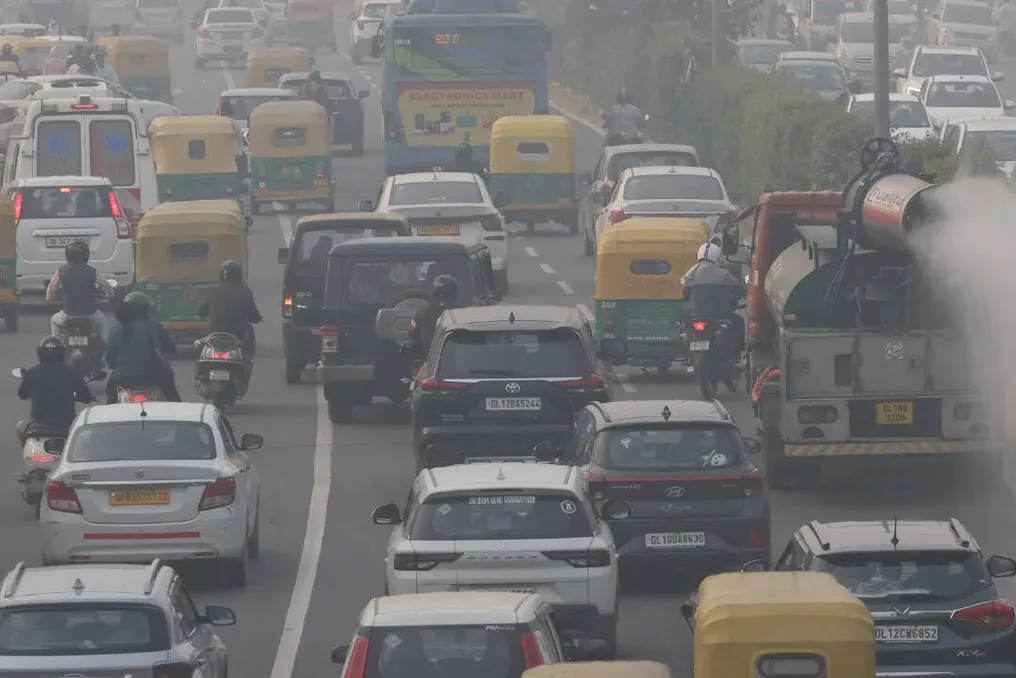
When amicus curiae advocate and senior counsel Aparajit Singh drew the court's attention to the spread of news about selling regular firecrackers as 'green crackers' and linked the rise in pollution to this phenomenon, the bench noted that there had been severe traffic congestion in the capital in recent days. The presence of a large number of vehicles on the roads for extended periods likely increases the pollution load.

Additional General Advisor Aishwarya Bati explained the traffic jams due to the festive season, while senior counsel Sanjeev Sen, representing MCD, pointed out that the culture of gift-giving has become one of the main reasons for the sharp increase in road traffic.

At this point, Singh brought to the court's attention that selling regular firecrackers under the guise of 'green crackers' is a gross violation of judicial directives, warning of a possible sharp rise in pollution levels after Diwali.

The bench emphasized that Diwali celebrations must be accompanied by public awareness campaigns, as awareness is what can stop pollution. It was noted that no amount of restrictions will help, and the more court orders there are, the more violations occur, which is a human tendency. The court decided to follow expert advice.

The Chief Justice stated that local councilors must conduct awareness work among the population. The bench reported the adoption of certain orders and requested compliance in the NCR states.

Bati informed the court that the Commission for Air Quality Management (CAQM), an expert body responsible for developing and implementing short-term, medium-term, and long-term measures to combat air pollution, has introduced the Graded Response Action Plan (GRAP). She explained that each stage of GRAP activates additional restrictions, such as halting construction, banning entry of BS-IV standard vehicles, water spraying, and phased changes in office working hours. Furthermore, the number of public transport using clean fuel has been significantly increased. However, Bati added that all human activities contribute to pollution, noting that factories in Delhi operate on clean fuel, and thermal power plants have been closed.

She indicated that the main pollution load comes from vehicles, given the huge number of them in Delhi. The Additional General Advisor stated that the primary sources of pollution in Delhi are vehicles and other local sources. Stubble burning in winter, which has sharply decreased in Haryana and to some extent in Punjab, exacerbates the situation due to Delhi's unique geographical location and wind direction, making the national capital a recipient of pollution.

Singh stressed the importance of monitoring the implementation of anti-pollution measures and complained that vehicles continue to idle at MCD toll plazas at 126 entry points. Sen refuted this claim, stating that after integrating technology, no vehicle idles at any of the nine toll plazas serving 90% of commercial traffic in Delhi.
Similar stories

Air in Delhi and NCR becomes toxic before Diwali: AQI exceeds 400 in several areas, GRAP-3 proves ineffective
Read more
www.aajtak.in

Air in Delhi and NCR becomes toxic before Diwali: AQI exceeds 400 in several areas, GRAP-3 proves ineffective

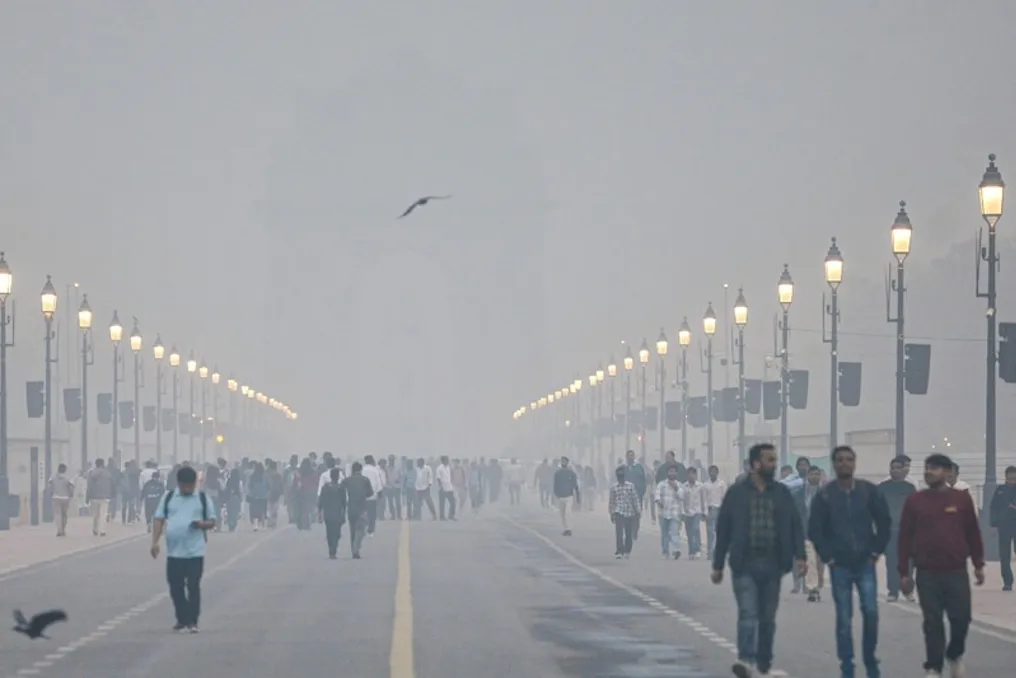
Just before the Diwali festival, the air in the national capital Delhi once again became toxic. Pollution levels reached their peak, and despite all efforts made, the Air Quality Index (AQI) exceeded the mark of 400 in some areas.

Due to the deteriorating environmental situation in Delhi-NCR, the third stage of the Graded Response Action Plan (GRAP) was implemented. Nevertheless, the air in the capital remained heavy and unbearable.

According to data from the Central Pollution Control Board, on the morning of the 6th, most areas of Delhi were registered in the 'severe' category. The AQI in urban areas exceeded 400.

The worst air quality was recorded at IIT Delhi, where the AQI reached 442. This was followed by Punjabi Bagh with a reading of 433, Mundka with 421, Rohini with 418, RK Puram with 417, Sonia Vihar with 414, Najafgarh with 413, as well as Bavana and Dwarka with 411. In these locations, air quality is classified as 'critical.'

Furthermore, an AQI of 409 was recorded in Narela, 402 in Alipur, and 403 in Patpaddanganj. Next, in areas categorized as 'very poor', the AQI was 397 in Chandni Chowk and Mandir Marg, 393 in JNU, 392 in Burari, 383 in Ayia Nagar, 382 on Matura Road, 364 in Nangloi, and 340 at IGI airport.

Other readings included 337 in Vizirpur, 324 in Shadipur, 320 in Ashok Vihar, and 316 in Badarpur. Among the least polluted areas were Lodhi Road (278) and Anand Vihar (276), which fall into the 'poor' category.

The situation in Noida was also challenging; the worst reading was recorded in Sector-62 (IITM) with an AQI of 415. Other sectors showed the following values: Sector-116 – 287, Sector-125 – 281, Sector-39 – 267, Sector-110 – 257, and Sector-1 – 251. The best situation was observed in Sector-150, where the AQI was 230.

Due to the rising pollution levels, the CAQM subcommittee immediately implemented GRAP-3 restrictions for Delhi-NCR. CAQM previously reported that on November 6, 2026, the average daily AQI in Delhi was 382, which falls under the 'very poor' category. Forecasts from the Meteorological Department and IITM indicate a possible further deterioration to the 'critical' category in the coming days. Meanwhile, the measures stipulated by the first and second stages of GRAP remain in effect.

According to established rules, GRAP-1 is applied when AQI is between 201 and 300, GRAP-2 is applied between 301 and 400, GRAP-3 is applied between 401 and 500, and the strictest GRAP-4 is introduced when AQI is above 450.

UNHCR warns: nearly 90 million displaced people face serious climate risks
Read more
cgtn.com

UNHCR warns: nearly 90 million displaced people face serious climate risks

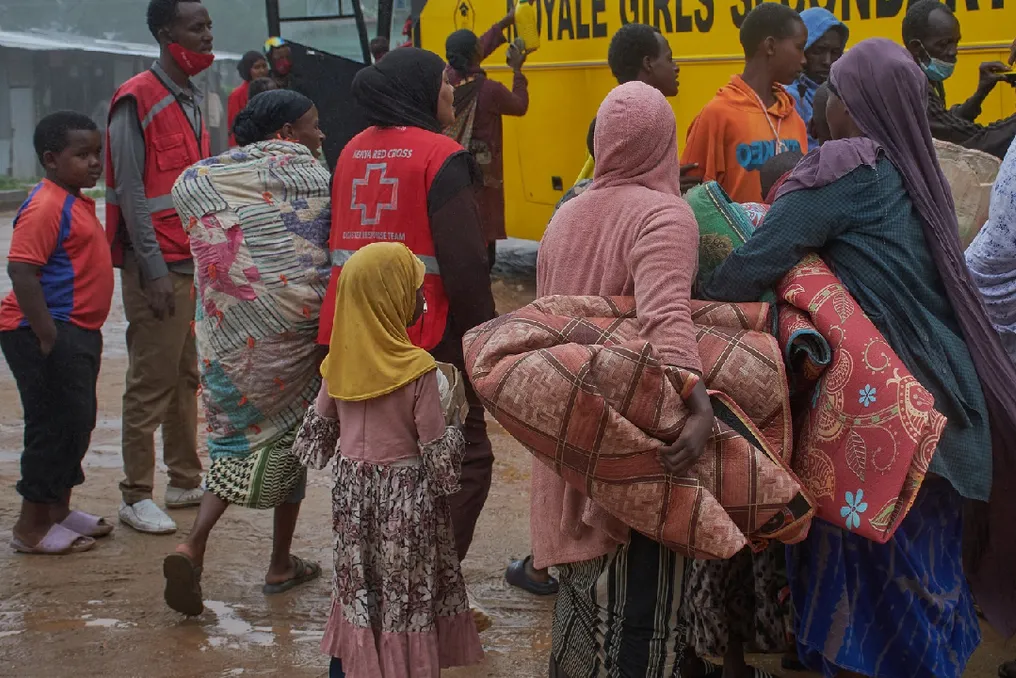
The UN Refugee Agency (UNHCR) has called for urgent action to protect millions of refugees and people forcibly displaced by climate change. The agency warns that climate financing is not reaching many communities that are in the highest risk zones.

A report published ahead of the 31st UN Climate Change Conference (COP31) in Antalya, Turkey, indicates that about 90 million forcibly displaced people, which constitutes three-quarters of the global total, live in countries exposed to high or extreme climate hazards. These hazards include severe droughts, deadly floods, and abnormal heat.

UNHCR emphasizes that many displaced persons face additional threats in host countries where opportunities and resources for climate change adaptation are extremely limited. The report, titled 'No Escape III: Displaced Voices from the Frontlines of the Climate Crisis,' contains moving testimonies from eight representatives of displaced communities. These personal stories demonstrate not only the difficulties associated with climate change but also the resilience and innovative local solutions these communities use to overcome the circumstances.

The report notes an alarming trend: more than two-thirds of refugees who returned home in the first half of 2026 went back to countries that are highly vulnerable to climate threats. This calls into question the sustainability of their returns, especially in places like Syria, where returning refugees face declining groundwater levels and serious disruptions due to climate change.

Extreme heat is also a critical problem, particularly in Sub-Saharan Africa. UNHCR predicts that by 2050, one of the three refugee settlements in this region may experience at least 100 days of dangerous heat annually. For example, in Ethiopian settlements such as Helawayn, dangerous temperatures could exceed 200 days a year, posing significant health risks and threatening livelihoods.

Furthermore, the report highlights the enormous scale of climate displacement: over 255 million internally displaced persons caused by natural disasters have been registered globally over the last decade, averaging about 70,000 displacements daily. East Africa is particularly vulnerable; forecasts suggest that El Niño-related severe flooding could lead to the displacement of up to three million people in Somalia, Kenya, South Sudan, and Uganda by the end of 2026.

Despite these pressing issues, fragile and conflict-affected states receive only about 10% of global climate finance, even while hosting large numbers of vulnerable displaced populations. To address this, UNHCR advocates for increased investment in climate adaptation and highlights community-led initiatives in regions such as the Sahel, Uganda, and Colombia, showcasing solutions including solar-powered water supply and climate-resilient agriculture.

At COP31, UNHCR intends to stress the need to include refugees in national climate action plans and calls for a shift from short-term humanitarian aid to sustainable, locally managed solutions.

International Energy Forum in Xi'an Calls for Enhanced Global Cooperation in Clean Energy
Read more
cgtn.com

International Energy Forum in Xi'an Calls for Enhanced Global Cooperation in Clean Energy

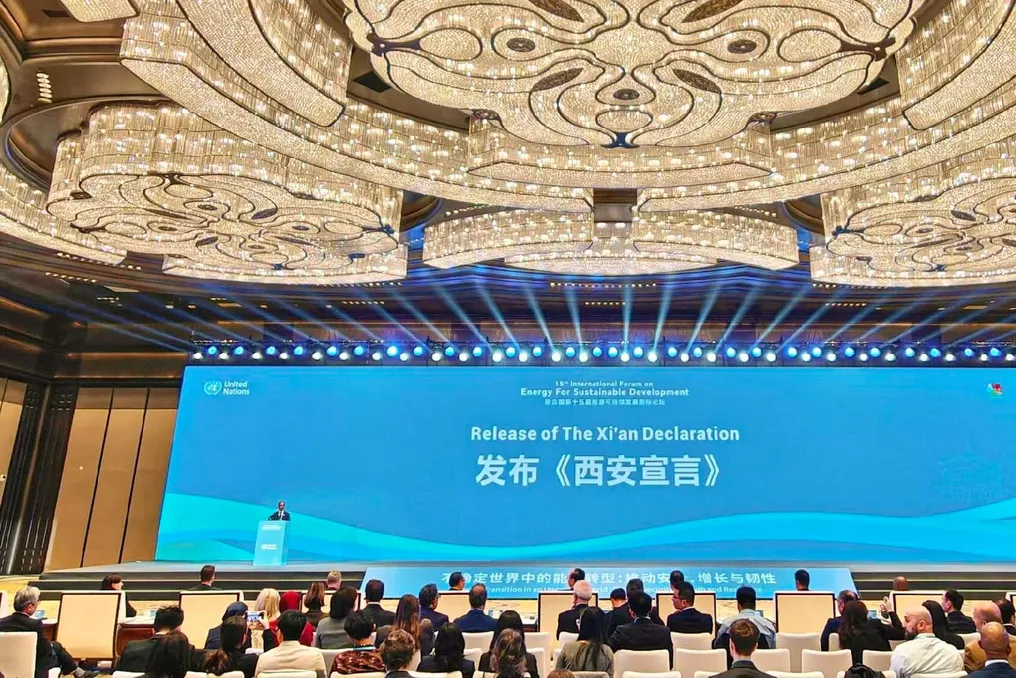
The 15th International Forum on Energy for Sustainable Development was held in Xi'an, gathering about 300 participants. This marked the first time this event has been held in China.

The forum concluded with the signing of the Xi'an Declaration, which calls for strengthening international energy cooperation. Delegates, speaking before CGTN, highlighted China's achievements in clean energy and emphasized the critical importance of joint international efforts to advance the global energy transition.

Popular