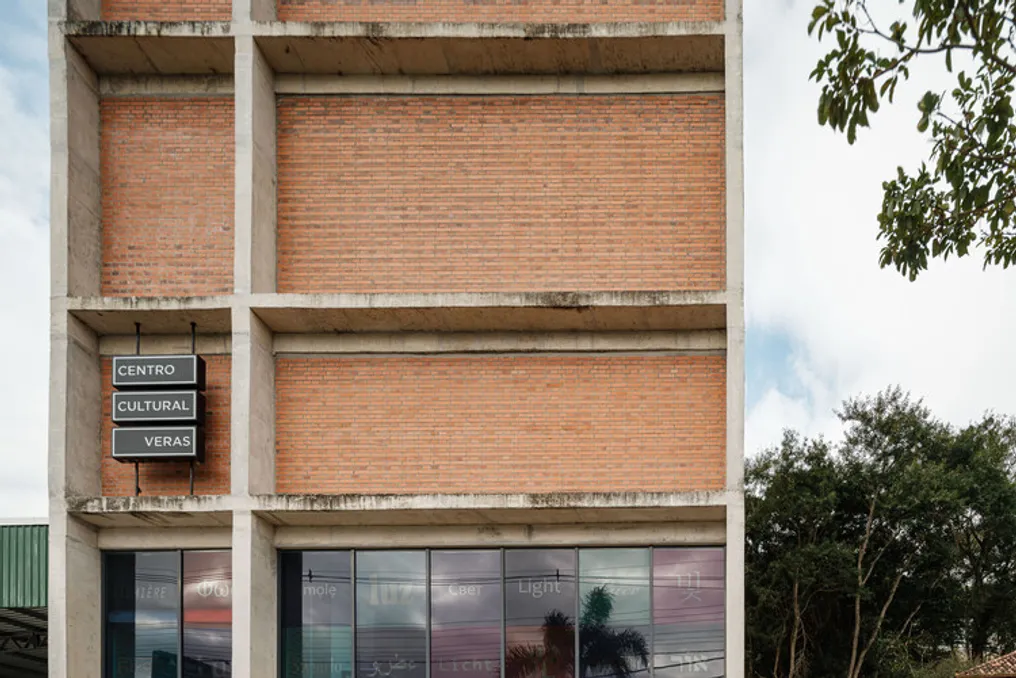
The Veras Cultural Center, developed by Terra e Tuma Arquitetos Associados, was implemented in the urban area of the Serra do Córrego Grande, located on the island part of Florianópolis. This cultural center functions as a link between the local territory, the community, and various cultural practices.
Similar stories
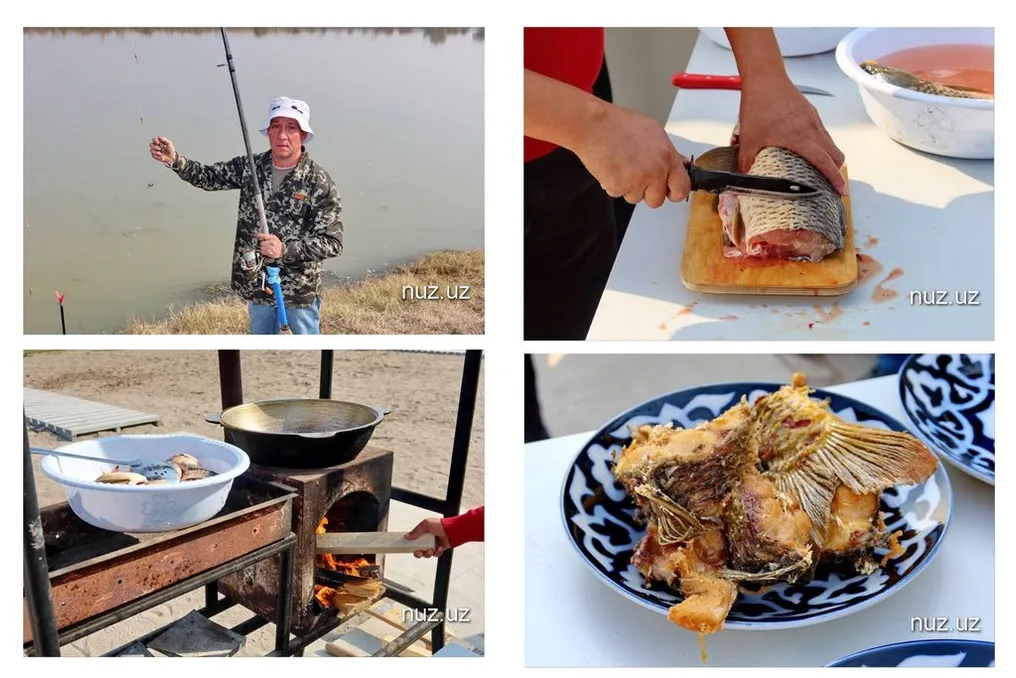
Eco-tourism complex RAVON ARENA opened in Syrdarya region for family recreation and fishing
A new eco-tourism complex, RAVON ARENA, has started operating on the banks of the Syr Darya River in the Syrdarya region. This tourist base was launched in May 2026 and is already welcoming visitors, offering a wide range of options for active leisure, family entertainment, and nature recreation.
The creation of the complex is aimed at stimulating domestic tourism and forming a comfortable environment for relaxation for both local residents and regional guests.
The RAVON ARENA territory is equipped with various facilities for a full-fledged rest. Guests have access to eight cozy cottages where they can spend time with family or friends. For those who prefer quiet relaxation, special areas with gazebos and tapchans are provided.
Thanks to its location by the river, the complex provides ideal conditions for fishing, fresh air recreation, and cooking caught fish. Additionally, the base features a swimming pool and sauna, allowing guests to diversify their vacation and restore energy.
Special attention is paid to natural aspects: a pheasantry and a boar farm operate on the territory, and various bird species are being bred, giving visitors the opportunity to learn more about the local biodiversity.
The director of the RAVON ARENA tourist base, Indira Bakhramovna Ataeva, reported that the complex continues to develop and is preparing for infrastructure expansion. Currently, the base can accommodate from one hundred to two hundred guests simultaneously.
Several new projects are planned for the spring-summer season of 2027, designed to improve the quality of rest and increase opportunities for visitors. These include: the construction of a new two-level swimming pool with separate zones for adults and children; the creation of A-frame houses and chalets for accommodation of two and four people; the setup of a new playground with a canopy and play areas; and the creation of an artificial lake for fishing with subsequent carp and crucian carp breeding.
The implementation of these plans will significantly expand the tourist base, adding new conditions for family recreation, corporate events, and leisure for people of all ages.
One of the key advantages of RAVON ARENA is its proximity to the Syr Darya River, which is particularly attractive to fishing enthusiasts. For many guests, fishing is not just a hobby but a way to escape daily hustle, enjoy nature, and spend time in a peaceful setting.
Alexander, one of the visitors, has been interested in fishing since early childhood. He recalls catching his first serious catch during his school years. 'I have been fishing since childhood. I caught my first big catch in 1986 when I was in the sixth grade. Since then, this hobby has stayed with me my whole life,' he shares.
He has been visiting the Syr Darya River for about thirty years, and it is here that fishing holds a special meaning for him. Alexander notes that fishing is like a lottery: sometimes there is luck, and sometimes there is no catch at all, and that is where the excitement lies. 'If there were always a big catch, there would be much less interest,' he emphasizes.
The waters of the Syr Darya are home to fish such as carp, crucian carp, catfish, roach, and catfish, and sometimes fishermen catch white amur and snakehead. According to Alexander, success depends on the season, weather, and luck, and for him, the process itself is important, not the quantity of fish caught.
Alexander also emphasizes the need to observe seasonal restrictions when fishing. There is a spawning ban in the Syrdarya region from March 1st until the end of May, which is necessary to preserve fish stocks. Fishing resumes on June 1st according to established rules.
In Alexander's opinion, novice anglers should first find time for this hobby. 'If you want to fish, you need to go, you need to find time. Fishing is a special pleasure. It has excitement, anticipation, and interest,' he says, adding that even equipment failure is part of the process.
For many visitors, fishing becomes an opportunity to spend time with friends, relax from city noise, and enjoy the surrounding nature.
RAVON ARENA represents one of the new elements of the tourist infrastructure of the Syrdarya region. The complex combines recreational, ecological, and family tourism opportunities, offering guests comfortable stays amidst nature.
Otabek Otamurodov, an employee of the Tourism Department of the Syrdarya region, noted that all necessary conditions for accommodating tourists, family recreation, and familiarizing themselves with the unique natural features of the region have been created on the complex's territory.
The main goal of RAVON ARENA is to create a space where every guest can find an activity they enjoy, have unforgettable experiences, and spend time productively. In the future, the complex plans to expand its services, thereby contributing to the development of domestic tourism in the Syrdarya region.
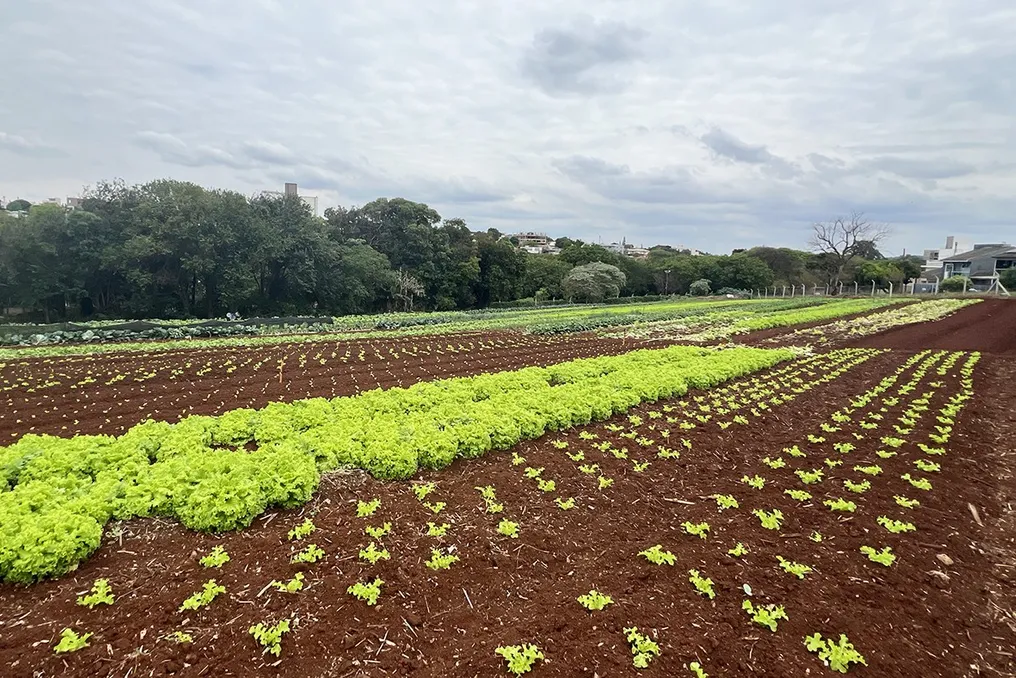
Cascavel Community Uses Community Garden in Neva Neighborhood for Food Production and Social Transformation
In the urban area of Cascavel, located in Western Paraná, the Neva neighborhood's Community Garden has established itself as an important place for food production, social interaction, and community change. This space, which covers 8 thousand square meters donated by the City Hall, operates as a cooperative managed by the residents' association and currently involves three families in growing vegetables, herbs, and medicinal plants.
Each cultivated plot reflects a history of care and dedication, and every planted seed symbolizes a sense of belonging to the community. Community gardens have become relevant by offering multiple benefits: besides aiding food security, they create opportunities for income generation for those dedicated to cultivation. Such areas increase access to fresh produce, stimulate healthier lifestyles, and connect the urban environment with nature.
In the Neva neighborhood, the garden materializes these impacts. It provides residents with access to fresh, high-quality inputs, while also promoting learning and coexistence. Although the land was donated by the City Hall, the daily management and production are the responsibility of the participating families, who work collaboratively. The sown seeds represent the hope of a cohesive community, and part of the harvest is directed towards acts of solidarity.
A dream that became reality
The individuals dedicated to the garden play a fundamental role in cultivating the plants. During activities such as watering, caring for seedlings, and conversing in the plots, they find moments of relaxation, therapy, and sociability. In this daily life of soil and foliage, they build bonds, exchange knowledge, and strengthen a support network that transcends the cultivated products.
The idea for the garden was conceived by Antônio Marcos Gomes Nogueira, stemming from an old desire to revitalize a location that had remained vacant for many years. He recalls that there used to be a garden when he was a child, linked to the Pastoral da Criança, but it was abandoned after the responsible parties left, being neglected for about eight years, turning into weeds and generating problems with trash, insects, and insecurity for the neighborhood.
The motivation to reverse this situation led to the proposal to reactivate the space. Antônio reports that initially, planting corn and cassava was crucial for raising funds and gradually improving infrastructure and working conditions. The space has been operational for approximately nine years.
Production focused on the community
Currently, the site functions as a labor cooperative. Antônio clarifies that, although it is a community garden, it does not aim for profit, but rather to offer affordable prices, with the revenue serving to sustain the working families. They do not sell to large commercial chains; the main objective is to meet the demand of the community itself.
The originator emphasizes that fieldwork requires constant presence. He states that it is necessary to be present daily, including holidays and weekends, and that even on very cold or rainy days, one must go to care for and harvest. Antônio stresses that the difficulties are considerable, especially during winter, which demands greater attention and care.
A significant portion of those involved in the project are retirees, who find in the garden something more than just an extra source of income: a place to socialize and gain well-being. Currently, José Mandrick, a retiree, oversees the garden, coordinating the cultivation, and is assisted by two other families. Among them is Carla Cordeiro da Rosa's family, who started working in the garden a few months ago after being invited by José.
Carla explains that she came to see the place because she is not a resident of the area, coming from Dois Vizinhos. She liked it very much, and soon the opportunity arose to work, as José was alone and invited her and her husband to help. Day-to-day, Carla balances customer service with assistance in cultivation. She takes care of reception, harvesting what is needed, and when possible, assists in the garden, weeding and fertilizing. José harvests in the morning, and she prepares the bunches of chives and green herbs afterward.
Fresh food and accessible price
The impact of the garden extends throughout the community. The space guarantees access to fresh vegetables, generates income for participating families, and allocates part of the surplus production to vulnerable people, reinforcing the project's spirit of solidarity. Antônio summarizes this philosophy by saying: 'We live for others, so serving is a joy.'
Sales follow an accessible price list: each plant costs R$4, while three plants are sold for R$10. This popular price ensures that neighborhood residents can acquire fresh food grown near their homes. Among the most requested vegetables are fast-cycle ones, such as lettuce, which takes about 30 days to harvest. Antônio comments that lettuce is the best seller because people really appreciate it, and that no pesticides are used, making the product more natural.
During winter, cultivation adjusts to lower temperatures, focusing on more resistant and sought-after greens, such as chicory, endive, broccoli, and cauliflower. In summer, leafy greens such as American, loose-leaf, mimosa, frisée, and romaine predominate. The entire production process is done manually, from soil preparation to harvest.
Cleonice Moraes, a frequent customer who works near the garden, shares her experience. She said she had known about the garden for some time but recently started buying regularly. She values the place because the products are fresh and natural, and she knows their origin. The proximity to her work makes it easy, as she stops by to pick up vegetables for the week during her lunch break.
A space that cultivates bonds
The space is not limited to agriculture. In the plots, in the cultivated seedlings, and in the distribution of food, there are narratives of collective effort and dedication. Every interaction between participants and residents reflects a project that unites nature and community.
The Neva neighborhood's Community Garden goes beyond the definition of a mere cultivated plot. It functions as a meeting point, a place of cooperation, and a source of food, income, and fellowship. Even within the urban context, the project demonstrates that it is possible to cultivate the future, harvest transformations, and strengthen interpersonal ties.
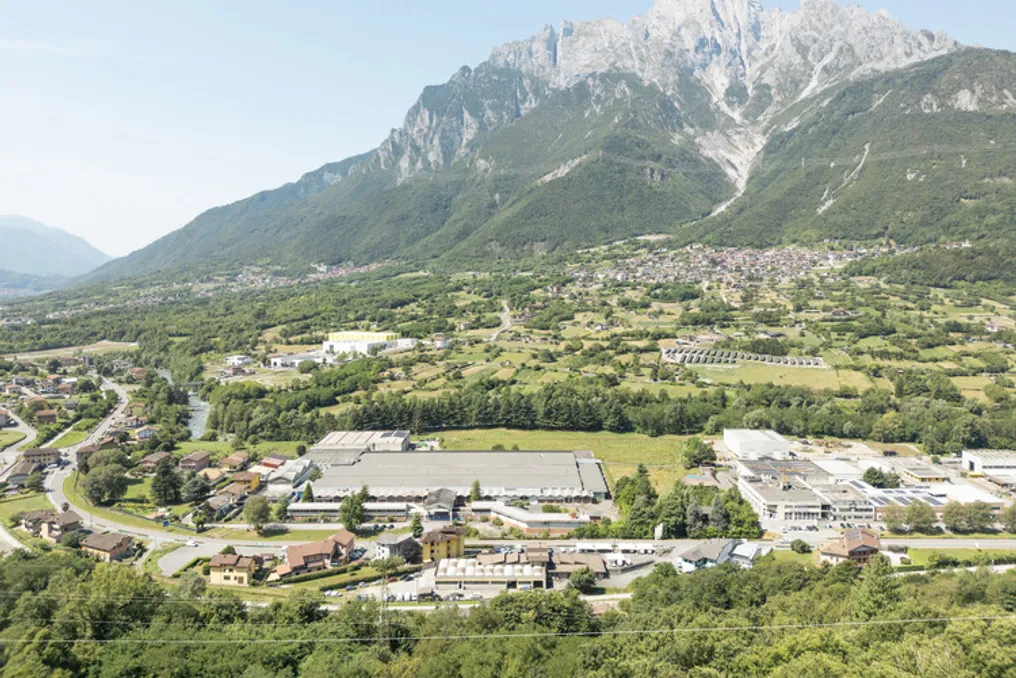
Politecnica, Park Associati and AMDL CIRCLE win competition for cultural hub in Valle Camonica, a UNESCO World Heritage site in Italy
A team composed of Politecnica Building for Humans, with Park Associati and AMDL CIRCLE acting as co-leaders of the architectural project, and Studio Mattioli responsible for geology and archaeology studies, won the competition to establish a new cultural hub in Ceto, Italy.
This project aims to transform the former Società Filati Niggeler & Kupfer textile factory into a multifunctional complex. This new space will include areas dedicated to exhibitions, research installations, an auditorium, and various visitor support services.
Located in Valle Camonica, an area renowned for its prehistoric rock carvings, the conceptual proposal integrates industrial heritage, archaeology, and the surrounding landscape.
Ceto is situated in the southern part of Valle Camonica, belonging to the province of Brescia, near Monte Concarena and Pizzo Badile Camuno. The valley houses the Rock Art of Valle Camonica, which was recognized as Italy's first UNESCO World Heritage Site in 1979. The prehistoric carvings, known as Pitoti, represent a vast record of early human manifestations.
Furthermore, the expanded region is part of the UNESCO Man and the Biosphere Programme Biosphere Reserve 'Valle Camonica – Alto Sebino' since 2018.
The winning solution prioritizes the landscape in the development of the site, adopting as its main guideline the connection between cultural heritage, the natural environment, and the local population. The drawings engraved on the rocks guide a methodology that takes into account material characteristics, geological conditions, and the shape of the territory.
The project was also conceived as accessible infrastructure, intended to be the starting point for a network of trails connecting archaeological sites to the natural environment.
This initiative fits into a broader cultural context in Valle Camonica, which submitted its application to be the Italian Capital of Culture in 2029. This year will celebrate the 50th anniversary of the inclusion of the Rock Art of Valle Camonica in the UNESCO World Heritage List. The cultural hub aims to strengthen the region's cultural infrastructure, uniting archaeological legacy, landscape, and community-focused facilities.
The competition was organized by the Municipality of Ceto, with the Comunità Montana di Valle Camonica acting as the contracting authority and Imago, under the direction of Luca Molinari, coordinating scientifically. Politecnica Building for Humans is responsible for general coordination, structural and building systems engineering, sustainability, fire safety, acoustics, health, and mobility. Park Associati and AMDL CIRCLE lead the architectural design, while Studio Mattioli supervises the geology and archaeology studies. The project is currently in the planning phase, with a projected start in 2026.