Most sought-after models in Move Brasil are geared towards Uber Black or are electrified
Read more
AutoPapo
autopapo.com.br

Most sought-after models in Move Brasil are geared towards Uber Black or are electrified

The Move Brasil program offers special financing conditions for the acquisition of new vehicles intended for taxi drivers and ride-hailing drivers. A study conducted by Webmotors Autoinsights compiled the models that showed the highest demand during the validity period of this government program.

The collected data reveals that Move Brasil participants have prioritized automobiles that fit into the higher categories of transport services, such as Uber Black. Specifically, seven out of the ten most requested vehicles can be used in this modality.

Analysis of the Most Sought-After Models

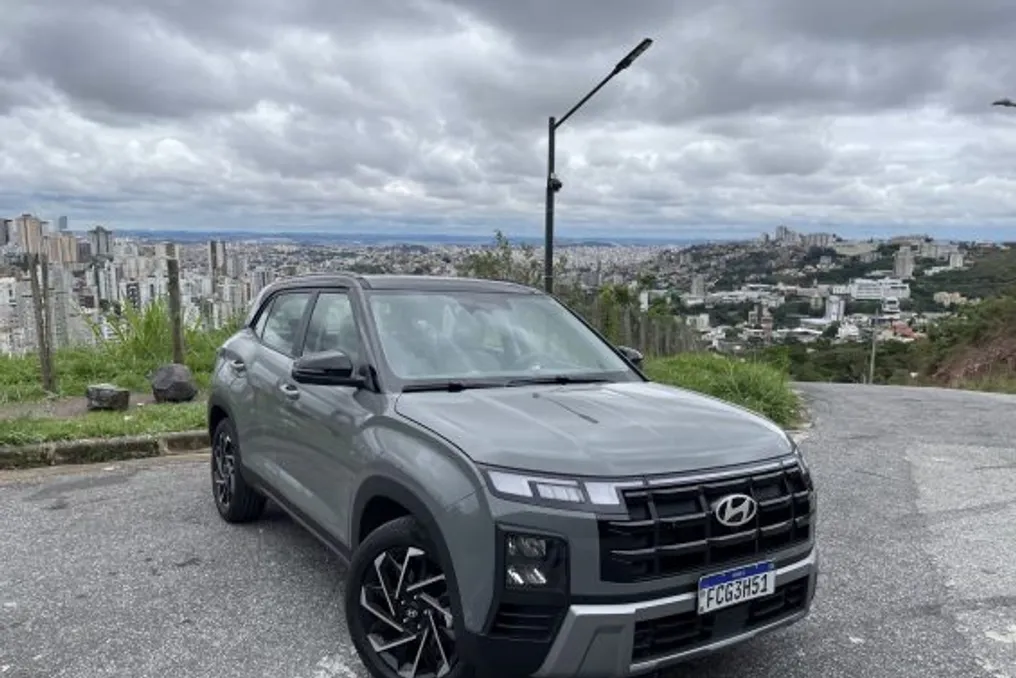
The vehicle with the highest demand was the Hyundai Creta, a compact SUV that meets the requirements for Uber Black and has good market acceptance. The Honda HR-V occupies the second position in the popularity ranking.

The top 5 also includes three electrified Chinese options: the Geely EX2, the BYD Dolphin Mini, and the BYD King. Electric and plug-in hybrid vehicles account for exactly half of the listed cars.

Only three cars in this Move Brasil ranking do not fit into the Uber Black category: Chevrolet Onix, BYD Dolphin Mini, and Geely EX2. This preference demonstrates that drivers seek to operate in more qualified service categories, which results in higher financial gains.

Electric cars have been well received by the public, given that they have specific categories in certain cities. The silence provided by these vehicles is an attraction, and using air conditioning in them does not significantly affect energy consumption.

For drivers, there are notable benefits, such as reduced maintenance costs and the possibility of home charging. In the case of hybrid models, a considerable decrease in fuel expenses is observed.

This survey conducted by Webmotors may signal a change in the landscape of taxi stands and ride-hailing applications, fulfilling the objective of Move Brasil to promote fleet renewal.

Similar stories

Used Audi A3 Sedan: 10 Facts About the Model Produced in Brazil
Read more
autopapo.com.br

Used Audi A3 Sedan: 10 Facts About the Model Produced in Brazil

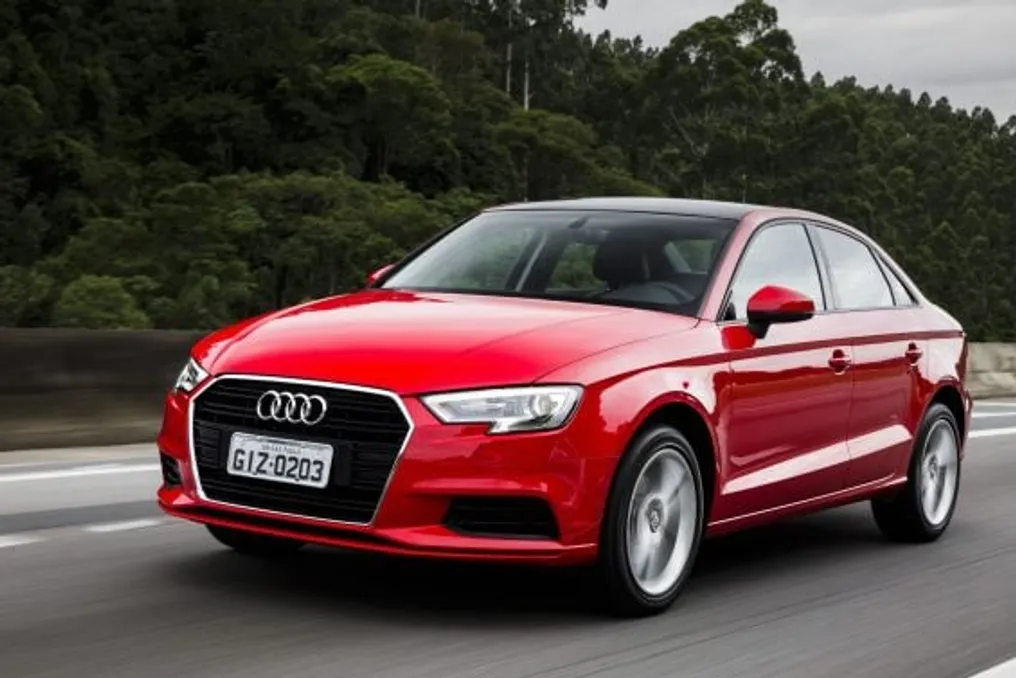
Inovar-Auto, a governmental sectoral program launched in the early 2010s, introduced specific features to the Brazilian market, allowing luxury brands like Audi to begin local vehicle assembly, including the A3 Sedan.

The German manufacturer resumed its activities at the plant shared with Volkswagen in Paraná after an operational period between 1999 and 2006. This time, Audi focused on producing the A3 Sedan. Although the model received adaptations for national manufacturing, it preserved the refined dynamics, robust performance, and luxury characteristic of the German brand.

Model History and Evolution

The third generation of the Audi A3 was responsible for introducing the Sedan version. This model was presented globally at the New York Auto Show in 2013 and arrived in Brazil in January 2014, initially imported from Hungary. Initially, the car used the 1.8 TFSi engine with 180 hp. Later, an entry-level version appeared with a 122 hp gasoline TFSI 1.4 engine, which became flex with the national assembly line in 2015.

The Audi A3 Sedan also offered a more powerful option, the 2.0 with 220 hp, and underwent an aesthetic redesign in 2017. In 2019, a special 25th Anniversary edition was launched, limited to 600 units, celebrating the brand's anniversary in Latin America. This first generation of the sedan ended its production in 2020.

The relaunch of the A3 Sedan marked the reopening of the Audi assembly line in São José dos Pinhais, Paraná, all under the umbrella of Inovar-Auto, which offered tax incentives for local production. Other manufacturers benefited from this program included BMW in Araquari (SC), Mercedes-Benz in Iracemápolis (SP), and Jaguar Land Rover in Itatiaia (RJ).

It is worth noting that the factory used by Audi had been inaugurated in 1998 to produce the Volkswagen Golf IV, and from 1999 to 2005, it manufactured the first generation of the A3 Sportback. At this Paraná unit, besides the A3 Sedan, the Q3 was also produced. The unit's operations were suspended in December 2020 because the manufacturer alleged a lack of definition regarding accumulated IPI credits that were not fully returned.

Currently, the unit operates under the SKD regime for the assembly of the Q3, a process where the vehicle arrives almost complete, and only the joining of the body with the chassis occurs at the plant.

Brazilian Adaptations and Mechanical Changes

Upon receiving the Brazilian passport in 2015, the Audi A3 Sedan underwent several adaptations, some mechanical aspects being simplified to reduce production costs. A notable change occurred in the rear suspension: Audi replaced the independent multi-link system with a torsion beam, a configuration common in mid-size sedans from generalist brands of that era.

Another significant change was in the transmission system. The S tronic automated gearbox, known for its seven-speed dual-clutch system, was replaced by a six-speed Tiptronic automatic gearbox with a torque converter. In compensation, the Audi A3 Sedan gained a considerable increase in power. The 1.4 TFSI engine, which originally delivered 122 hp, was adapted to be flex, received variable exhaust valve control, and began generating 150 hp.

An important difference in the A3 Sedan manufactured in Paraná is the vehicle height. To suit the local asphalt standard, the suspension was raised by 1.5 cm compared to the imported model.

Performance and Finish

Analyzing specifically the 1.4 flex model, despite the transmission changes, the 150 hp from the EA211 family turbocharged direct injection engine provide a satisfactory level of driving pleasure. Accelerations are agile, and the Tiptronic gearbox, although less sophisticated than the S tronic, delivers a 0 to 100 km/h time of 8.8 seconds, according to the manufacturer.

On highways, the Audi A3 Sedan demonstrates good evolution, quickly reaching the permitted 100 km/h. For overtaking, 25.5 kgfm are available between 1,500 and 4,000 rpm, and the turbo acts quickly to overtake other vehicles.

German engineering is evident in the solid construction of the sedan, which maintains firmness in sharp curves and high-speed sections. The steering is described as precise and firm, giving the sensation that the car is firmly planted on the ground. The torsion beam suspension in the Brazilian model has a softer calibration, without compromising the stability or dynamics of the vehicle.

Inside, the A3 Sedan manufactured in Brazil maintains the brand's identity. The dashboard features injected foam with a pleasant touch surface, and the door and column coverings with fabrics also stand out, as does the smooth finish of the glove box. The front seats offer good density and quality material, although they are not extremely enveloping. The analog instrument cluster is considered classic and easy to view, with the steering wheel being the only element that could have a smaller diameter.

The rear space comfortably accommodates two adults and one child. The softer suspension compared to the Hungarian example reflects internal imperfections more, but without being a serious problem. The acoustic insulation is efficient, and the trunk offers 425 liters, a suitable volume for mid-size sedans.

2016 Ambiente Version and Equipment

Considering the 2016 Audi A3 Ambiente 1.4 TFSi, already adapted to the Brazilian market, it includes six airbags, stability control systems, traction and hill start control, reverse sensor, xenon headlights, daytime running lights, and Isofix. Additionally, the sedan has air conditioning, electric window controls, electronic parking brake, rain and dusk sensors, start-stop system, steering wheel with height and depth adjustments, and multimedia center with CD and memory card reader.

However, this transition to the Ambiente model simplified some features. The air conditioning was no longer automatic, the seats changed from leather to fabric upholstery, and the multimedia center does not have Bluetooth. Higher packages, however, included ADAS technologies, such as adaptive cruise control, frontal collision warnings, and lane departure warnings, as well as emergency automatic braking. Other optional extras available were a rearview camera, front parking sensors, semi-automatic parking assistant, leather trim, keyless entry, panoramic roof, native GPS, and DVD player.

When checking average prices for the 2016 Audi A3 Sedan Ambiente on KBB Brazil, it is important to remember that it is a luxury vehicle requiring specialized maintenance, and the trim and body parts tend to be more expensive. It is positive that the 1.4 flex engine is well-known and that the Tiptronic gearbox generally presents fewer problems than the S tronic. It is recommended to check the prices of specific components and the problems reported in discussion forums and on Reclame Aqui.

BYD Sealion 7 sets new standard of performance and sophistication in premium SUVs
Read more
g1.globo.com

BYD Sealion 7 sets new standard of performance and sophistication in premium SUVs

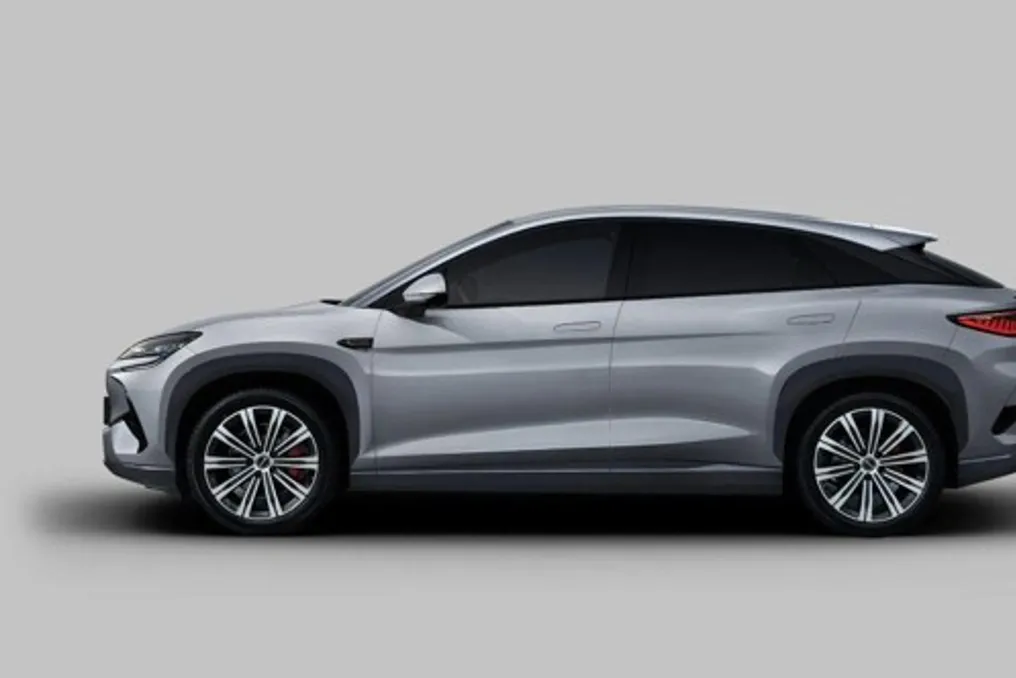
Since BYD arrived in Brazil, consumers have discovered a range of electric and super hybrid vehicles that surpass previously known models. Among the luxurious all-electric cars from the greentech, the BYD Sealion 7 stands out: this new member of the Ocean line combines the robust dimensions of a luxury SUV with the sporty and elegant lines of a coupe.

Equipped with all-wheel drive (AWD), the vehicle generates 531 hp of power and 690 Nm of torque, reaching 0 to 100 km/h in just 4.5 seconds. This setup positions the model as the most powerful among its direct rivals, raising the level of performance and sophistication in the category.

Considering the characteristics of Brazilian topography, BYD conducted specific calibration for the national market, as explained by Alexandre Aquino, product director at BYD Auto Brazil. He emphasized that the Sealion 7 offers the best of both worlds: the practicality of an SUV combined with the vigor of a high-performance sports car, mentioning a careful adjustment for Brazil without losing the model's dynamics, with a ground clearance of 169 mm.

Design, performance, and comfort

The ability of an SUV to exhibit supercar figures facilitates the purchasing decision for those who appreciate both proposals. With the BYD Sealion 7, the buyer does not have to choose between emotion and functionality. In urban areas, the coupe shape attracts attention, while the 169 mm ground clearance and the contactless trunk opening simplify daily life. On highways, the power is complemented by height control and protection.

The Sealion 7 has the highest safety rating from Euro NCAP and is equipped with nine airbags (including front, side, curtain, and a central seat airbag), in addition to a complete driver assistance package (ADAS 2). This package includes Adaptive and Intelligent Cruise Control (ACC), Automatic Emergency Braking (AEB), Lane Keeping Assist/Lane Departure Warning (ELKA/LDA), and advanced radars for cross-traffic alerts and braking, both front and rear.

This 100% electric model redefines standards of technology, design, and performance. Its range reaches 360 km in the PBEV cycle, and fast charging allows the battery to go from 30% to 80% in approximately 30 minutes.

Sophistication begins with the exterior, evidenced by the dual U-shaped headlights, the 20-inch wheels fitted with Michelin 245/45 R20 tires, and the futuristic taillight design. Inside, the BYD Sealion 7 transforms premium comfort into a high-level experience.

The cabin features genuine Nappa leather upholstery, a panoramic roof with an electric blind, multicolor ambient lighting, and a Dynaudio sound system with 12 speakers. The front seats offer heating, ventilation, and detailed electric adjustments (eight positions for the driver, including lumbar support), and the rear seats also have a heating function.

On the dashboard, a 15.6-inch rotating screen accompanies the 10.25-inch instrument cluster and a head-up display, which displays navigation alerts and information on the windshield. Alexandre Baldy, Senior Vice President of BYD Brazil, concluded that the Sealion 7 demonstrates that electrification is not just a rational choice, but also an aspirational and sophisticated one, meeting the needs of the Brazilian consumer who seeks performance and connectivity.

Calculating the Cost of Importing an Old Car from the USA to Brazil: Experience and Expenses
Read more
flatout.com.br

Calculating the Cost of Importing an Old Car from the USA to Brazil: Experience and Expenses

Every year at the beginning of the year, a list of cars that have reached thirty years old is published, and they become eligible for import. While discovering that a certain model can now be imported into Brazil brings excitement, this feeling quickly gives way to disappointment when approximating the final cost of that car in Brazil. For example, a car listed for $10,000 USD might cost 50,000 Brazilian Reais before you even start thinking about shipping it.

The exchange rate reflects our economic history: decades of inflation, crises, instability, and distrust in the Brazilian currency are evident even when purchasing a 30-year-old car. Added to this is our tax chaos, which levies high taxes even on used goods imported for personal use or collection, as if they were direct competitors to the latest products of domestic industry.

However, this is only the first hurdle. A quick calculation summing up the car's price, freight, and taxes allows for an estimate of the cost of bringing this American classic into Brazil. The problem is that this calculation does not account for everything. There are other costs, requirements, and procedures that arise during the process but are not included in Customs regulations.

To find out what lies between the advertisement of an American car and its arrival, legalized and registered in a Brazilian garage, we spoke with Mario Zerbetto, who imported a Corvette C4 along with his friend Pedro, who brought a Dodge Ram 2500. They shared a container to reduce costs and faced six months of bureaucracy, travel across the United States, and some unforeseen circumstances before they could put both cars in the garage. Mario shares his experience and, most importantly, how much such an import costs, using a simulation to divide expenses without revealing private vehicle prices.

During a casual conversation, typical of enthusiasts who enjoy complicating their lives and do not refuse a good adventure, a plan emerged: 'Let's expand the search radius for lasagna. Let's import!' We decided to bring this big idea, which every enthusiast has thought of, to life. And we did it twofold!

My partner in this venture was my friend Pedro, who lives in South Carolina. I have a background in foreign trade and worked in the field for many years (though not in the automotive segment), while he already had experience shipping Brazilian cars to the USA and was 'at the source,' having the opportunity to visit and assess our targets. It was a promising partnership: two motivated enthusiasts, two unselected cars, and one 40-foot container for shared use, which allowed logistics costs to be diluted. We started!

The Search: When Cars Choose You

The main initial question for someone with broad and eclectic automotive taste: which model to buy? In fact, even in the domestic market, I believe it is not me choosing the cars—it is them choosing me. I followed this philosophy, with an open mind and several options in the search queries, spending days looking for opportunities and exchanging opinions with Pedro about candidates.

He decided first, and quite impressively: a genuine American pickup, a 1996 Dodge Ram 2500 with an extended cab, equipped with the famous Cummins 6BT engine—a legendary turbocharged six-cylinder diesel engine—and powerful 4x4 drive. It was a worthy choice that raised the bar for me to find something equally incredible.

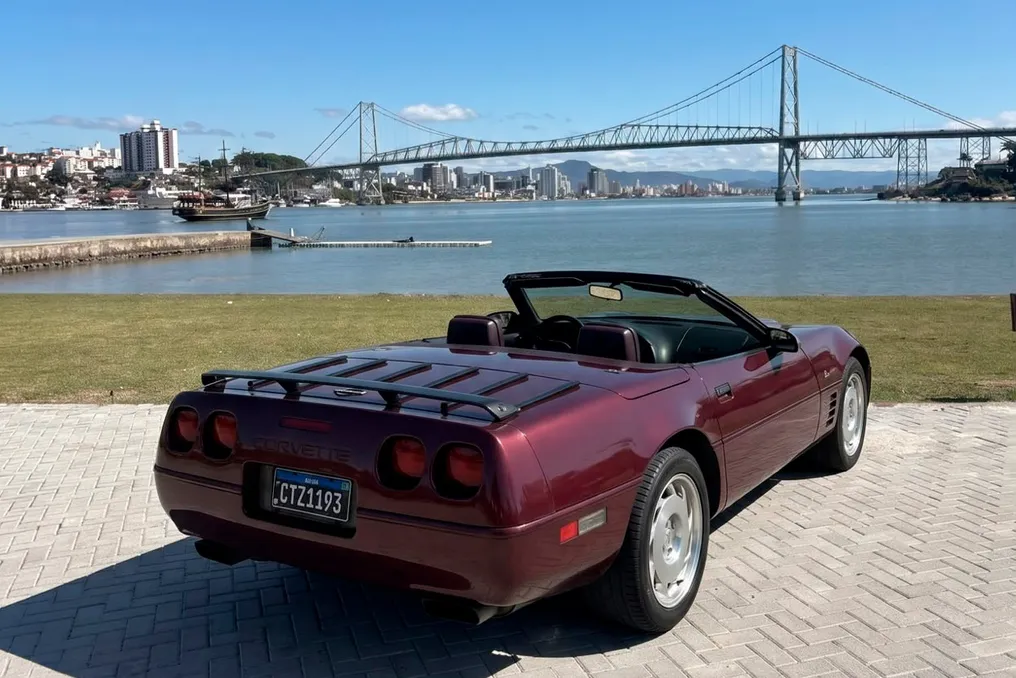
We continued searching until he provided a result. We found an authentic American muscle car, a classic from Uncle Sam's generation with an obvious V8: the Chevrolet Corvette C4. But this was not just any specimen. Although over 300,000 Corvettes of this generation were produced, we stumbled upon a rare find: a 1993 model from the anniversary series celebrating the 40th Anniversary.

Besides the iconic monochrome combination of body and Ruby Red interior characteristic of this version, the car was a convertible with a fabric top and had a rare hardtop. As a bonus, it featured a third pedal for controlling the desired six-speed ZF manual transmission connected to the LT1 V8 engine! The price was attractive, and the car was located within a reasonable 150 miles of Pedro's home, who quickly inspected it and made a decision. The Corvette was ours. Remember that over 300,000 units were produced? In this specific configuration of our unit, the number is approximately 500, and that is without counting the optional hardtop, which makes the car even more exclusive.

Bureaucracy Before Fun

After completing the first part of the mission, we moved on to bureaucratic procedures. The process begins with collecting all documentation, photos, and data required to apply for an Import License (LI) as a collector's vehicle. For this, the car must be older than 30 years, and certification of the vehicle and importer is required by the classic car club affiliated with the Brazilian Federation of Old Vehicles (FBVA). At this stage, the registration of the individual in the Federal Revenue Service (Receita Federal) system and the issuance of the Certificate of Conformity to Transport Legislation (CAT) by the National Transport Secretariat (Senatran) also takes place.

This documentation process took about 45 days before shipment, until permission to deliver the cargo to the port—in our case, Fort Lauderdale, Florida, about 800 miles from Pedro's home, where the cars were waiting—was obtained. Initially, logistically, both vehicles were supposed to be delivered by a carrier to a warehouse in Miami, where they would be prepared and placed in a container. However, on the way, another 'great' idea struck us!

Why pay for transport when you can take a road trip? Since we were going to spend money on a carrier anyway, why not use that money to drive the cars to Miami as part of a road trip? I wouldn't miss such an opportunity. I bought a last-minute promo ticket and headed to the States, with a layover in Miami and a final landing in Charlotte, where Pedro met me, who was already on vacation and ready to travel. The first day we spent in his region, visited the BMW factory museum in Spartanburg, and prepared the cars. Since the Ram was equipped with large off-road tires and had a minor issue with engaging the overdrive gear, we decided to be cautious and sent it with a carrier. We continued the route in the Corvette, which had successfully completed the purchase trip.

The next day we hit the road and decided to extend the route by 200 miles to visit the headquarters of the renowned FuelTech in Ball Ground, Georgia, hoping to meet CEO Dick Anderson, a big classic car enthusiast. This succeeded: through a mutual friend who established contact, we were warmly welcomed for a discussion and a tour of the company's projects. From there, we left the outskirts of Atlanta and headed to Florida, crossing all of Georgia on the first day to reach the coast in historic St. Augustine. A drive, a few well-deserved beers, and relaxation.

The next morning we got off the highways and chose the classic US Route 1, enjoying the coastal road to the mandatory stop: Daytona Beach. Two car lovers on a road trip couldn't miss the cradle of NASCAR, could they? As soon as we parked the Corvette at the museum entrance, a guard approached us, complimented the car, and immediately noted how rare the hardtop was. When we told him about our mission to bring it to Brazil, he was impressed and congratulated us. We couldn't visit the track because a mega-structure for a rock festival starting the next day was under construction. Returning to the road, we changed plans, deciding not to make another stop and heading straight to Miami on the highway, gaining an extra day in the city before handing over the car.

Dragon's Juice on Collins Avenue

We arrived late in the evening, checked into a hotel, dropped off our bags, showered, and went out to dinner. After crossing the famous Ocean Drive, we drove down the parallel Collins Avenue, looking for parking. Suddenly, right while maneuvering, the V8 started sputtering. Pedro was driving: when he accelerated, the car stalled until it completely died. He looked at me and said, 'Out of gas!' The heavy traffic we encountered, combined with the thirst of the LT1 eight cylinders in the city, played a joke on us. But classic car enthusiasts are unfazed: we opened Google, found a gas station within a 10-minute walk, bought a jerrycan, returned, and poured 'dragon's juice' into the tank. The engine ran smoothly again on the first start, and we were back in the game!

The next day we drove around Miami several more times, dropped Pedro off at Fort Lauderdale airport, handed over the Corvette to the logistics warehouse, and called an Uber to get to our flight. The first half of the mission was complete.

The Scary Red Channel and the Final Test of Patience

From this point on, the sea operation began: preparing the cars, loading them into the container, and boarding the cargo ship. Two weeks later, the pair arrived at the Port of Santos, beginning customs clearance. This is where the Federal Revenue Service parameterization occurs, which determines the level of cargo inspection. In our case, we were assigned the dreaded Red Channel, requiring thorough documentary analysis and detailed physical inspection of the vehicles. This is a tense and longer process, but since everything was strictly in accordance with the law, the cargo was approved and released four weeks after arriving at the port.

When the cars were finally in our hands, there remained the last—and most tedious—bureaucratic step that many forget to mention: sending documentation to Senatran in Brasília for preliminary registration in the National Index Database (BIN). In our case, this stage took a long two months. Only after this registration could the declarant request registration at the local Detran, and only then did it happen quickly, following the same rules as a new car.

Grand Finale: 700 km to the Isle of Wonders

To conclude the journey on a high note, one detail was missing. The Ram was already home, shipped directly to Florianópolis by a carrier, but the Corvette was waiting in São Paulo for license plate issuance. Since we had driven the car to the port in the USA, it was fair to drive it home in Brazil! Full tank, installed plates, and 700 kilometers of asphalt ahead to Floripa. A perfect trip and a mission accomplished: six months after starting the project, we had both American classic cars properly nationalized, documented, and displayed on the Isle of Wonders!

And now let's calculate: how much did it cost? After completing the entire import and nationalization process, we reached the most curious moment: how much did it cost? Is it worth it? In my opinion, yes—and very much! But before revealing the figures, it is worth adding an important note: people always ask about the 'percentage increase' over the car's value required by the process. In practice, this calculation is variable because there are many fixed operational fees throughout the entire process. That is, the higher the value of the car purchased there, the less the percentage impact of these costs on the final cost. And sharing the container between two cars helps dilute most of these costs.

To simplify the explanation, we will conduct a practical simulation, assuming a classic bought for $10,000 USD, transported in a shared container with another vehicle. The following values are illustrative and do not necessarily correspond to the private expenses in our story:
Popular