Uzbekistan launches second phase of rural development project worth $320 million
Read more
UzDaily
uzdaily.uz

Uzbekistan launches second phase of rural development project worth $320 million

Uzbekistan has completed the analysis of the results of its Rural Infrastructure Development Project (RIDP), which was implemented from 2019 to 2026, and presented plans for its continuation under the second phase, named RIDP-2.

The new program will cover 296 mahallas across six regions and will focus not only on infrastructure renewal but also on entrepreneurship development and job creation.

Overview of the first phase of the project

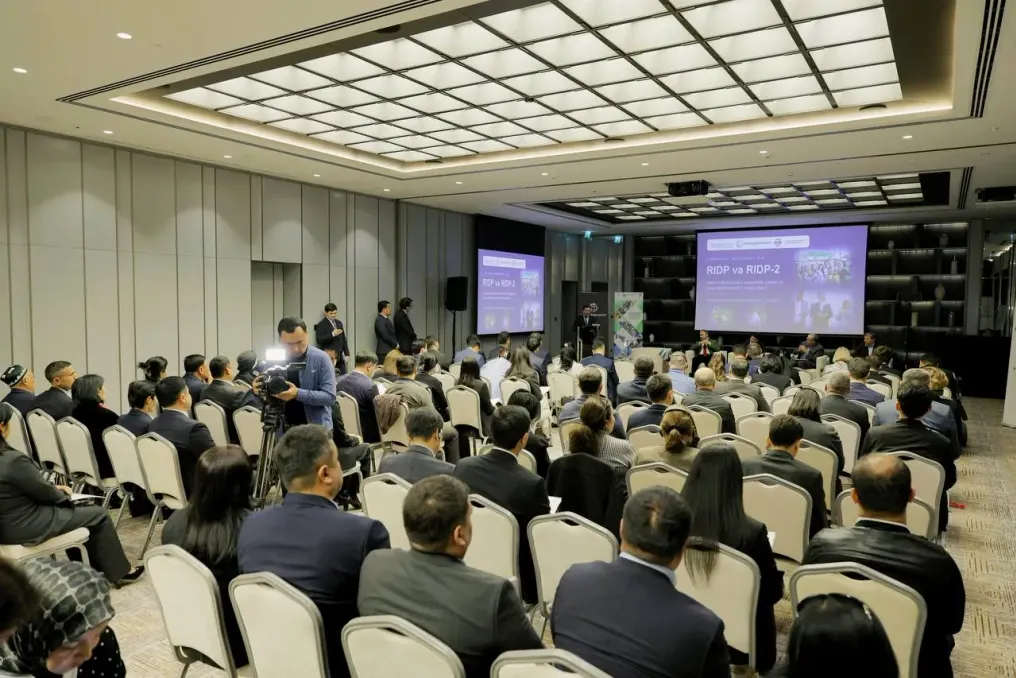
On November 4, the Ministry of Economy and Finance of Uzbekistan, together with the World Bank Group, held a conference to assess the achievements of the first phase of the project and discuss the transition to the next stage—Rural Infrastructure Development Project 2 (RIDP-2).

During the implementation of RIDP, approximately 900 infrastructure projects were completed in 306 mahallas across five regions of the country. These projects included the construction and modernization of over 340 roads, 220 power supply systems, and 160 water supply systems.

Additionally, about 100 schools, 40 preschool institutions were renovated, and 10 bridges were built in rural areas. The project directly benefited approximately 1 million rural residents, almost half of whom are women.

Financing and goals of the second phase

The total budget for RIDP-2 will be $320 million USD. Funding will be distributed as follows: the World Bank will provide $150 million, the Asian Infrastructure Investment Bank (AIIB) will contribute $100 million, and the Government of Uzbekistan will allocate the remaining $70 million.

The second phase plans to cover 296 mahallas in six regions. By 2031, the program is expected to benefit approximately 1.2 million rural residents, including 600,000 women and 300,000 youth.

The program will focus not only on improving living conditions through infrastructure construction and renewal but also on expanding economic opportunities for rural residents, supporting entrepreneurship, and creating new jobs.

Entrepreneurship support and community involvement

Under RIDP-2, joint centers for entrepreneurs engaged in agricultural processing and small-scale production are planned for 15 pilot mahallas. These facilities are intended to give local businesses the opportunity to grow and increase employment.

The work of 'Mahalla Seven' will play a special role in implementing the new phase. Their involvement is expected to encourage residents to participate more actively in determining development priorities for their mahallas, preparing initiatives, and monitoring project execution.

The experience of the first phase of RIDP showed that the effectiveness of investments in rural infrastructure largely depends on the participation of the local community. When residents themselves determine their most pressing needs and monitor project implementation, the resulting initiatives better reflect the needs of individual communities.

Thus, RIDP-2 aims to develop this approach by combining infrastructure investments with measures to support entrepreneurship, increase income, and expand employment. Special attention will be paid to women and youth, as developing the rural economy provides them with additional opportunities for employment and self-realization.
Similar stories

Uzbekistan completes construction of 'Khalqa' substation at 500 kV
Read more
uzdaily.uz

Uzbekistan completes construction of 'Khalqa' substation at 500 kV

Within the framework of a major investment project to develop Uzbekistan's power transmission system, construction work has been completed in the Syrdarya and Tashkent regions. The new facilities are currently being connected to the Unified Energy System of Uzbekistan, and commissioning work is underway.

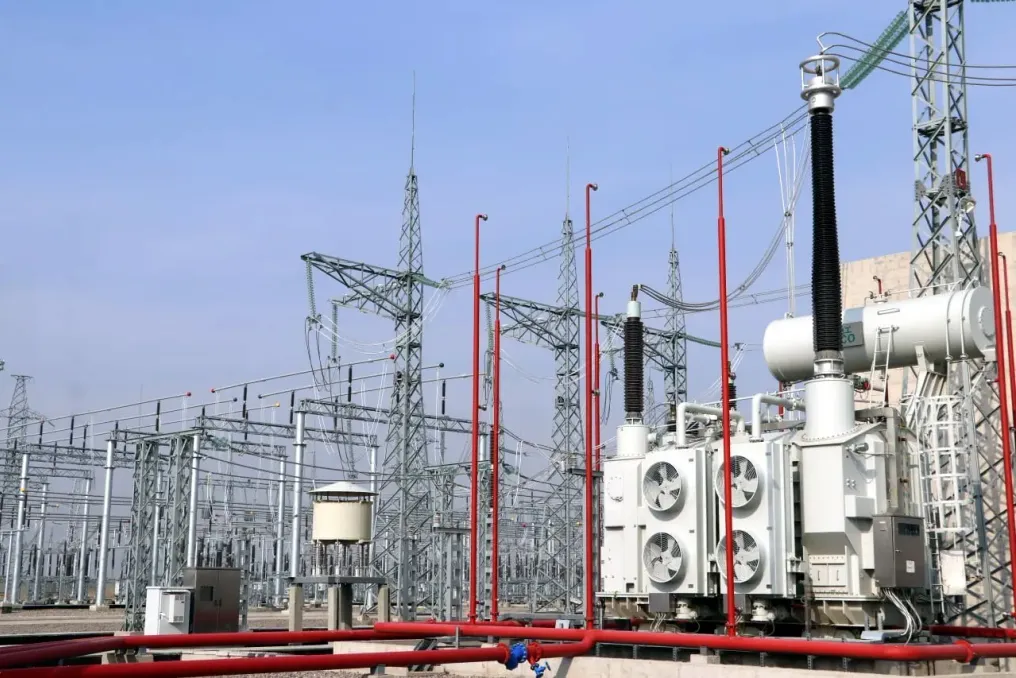
The project included the construction of the 'Khalqa' substation with a capacity of 1602 MVA, as well as the construction of 220 kV and 500 kV overhead power lines. The 213 km of 220 kV lines and the 72 km of 500 kV lines provide a total length of 285 km for the new network infrastructure.

The total cost of this investment project is 171.4 million US dollars, and it was implemented with the participation of the World Bank. The new infrastructure is expected to increase the capacity of the national power grid, improve electricity flow efficiency, and strengthen grid stability.

Furthermore, the project aims to ensure reliable electricity supply to the regions, optimize the load on existing networks, and create the possibility for connecting new generation capacities in the future. The final integration of the constructed facilities into the Unified Energy System of Uzbekistan is currently ongoing.

Uzbekistan attracted $44.3 billion in investments over nine months
Read more
uzdaily.uz

Uzbekistan attracted $44.3 billion in investments over nine months

From January to September 2026, Uzbekistan attracted foreign investments and loans totaling $44.3 billion. During this period, 106 major projects worth $3.8 billion were launched, creating 13,800 jobs.

This data was presented by the Minister of Investment, Industry, and Trade, Laziz Kudratov, in response to an inquiry from a parliamentary investigation by the Oliy Majlis legislative body. This investigation concerned monitoring the implementation of projects with foreign investment in various regions, assessing their effectiveness, and improving interaction with investors.

According to the submitted response, a digital system is used to monitor investment projects and promptly identify emerging issues. Steps are also being taken to improve the management of special economic zones and enhance the efficiency of foreign loans guaranteed by the state.

As part of efforts to improve the legal framework regulating special economic zones, a revised draft law titled 'On Special Economic Zones' has been prepared. Furthermore, support measures for exporters are gradually being brought into compliance with Uzbekistan's international trade obligations.

During the review of the response, deputies emphasized that the effectiveness of investment activity should be assessed not only by the volume of funds attracted but also by the creation of added value, ensuring sustainable employment, developing cooperation with local enterprises, and impacting public welfare. They proposed selecting projects with high economic returns based on the potential and specialization of individual regions, strengthening production ties with local businesses, and ensuring that investment initiatives yield concrete results.

The deputies noted that parliamentary oversight in this area will help assess compliance with legislation, identify existing problems, and increase the efficiency of responsible state bodies. Following the review of the response to the parliamentary request, the Legislative Chamber adopted a corresponding decision.

Uzbekistan forms a portfolio of medical investments worth $2.7 billion
Read more
uzdaily.uz

Uzbekistan forms a portfolio of medical investments worth $2.7 billion

President of Uzbekistan Shavkat Mirziyoyev reviewed a presentation dedicated to attracting investment in the healthcare sector, expanding private sector participation, and establishing large medical institutions.

For this purpose, a portfolio of 35 investment projects has been formed, with a total value of $2.7 billion. These projects include the construction of specialized centers and multidisciplinary hospitals, equipping medical facilities with modern equipment, and training qualified personnel.

It is planned that the construction of new and the modernization of existing medical facilities will take into account the needs of the population. Their location, capacity, and range of services must meet demand. Therefore, the presentation considered ways to involve private companies in project implementation and introduce new methods of managing medical institutions.

Among the planned facilities are the National Oncology Center, the Republican Center for Neurology and Stroke, a multidisciplinary medical center for adults in Tashkent region, new hospitals in Kashkadarya region, and a maternal and child health center in Nukus. Additionally, medical education programs are planned for Termez.

As part of public-private partnerships, Uzbekistan intends to build an 800-bed hospital in Samarkand and create a multidisciplinary medical facility in Bukhara region. The presentation detailed the practical implementation of these initiatives.

Proposals for nine potential projects with a total value of $1 billion were also presented. They are aimed at developing infrastructure for treating neurological, psychological problems and addictions, pediatric oncology and hematology, improving emergency medical care, updating the ambulance fleet, and training medical workers.

To attract investments more systematically, the government proposes developing a healthcare development strategy until 2040 based on a master plan. The first stage will include analyzing current projects to assess their relevance and feasibility. Then, projects will be selected based on regional needs, investment profiles will be developed, and a unified portfolio will be formed.

This strategy is expected to define priority areas for cooperation with private investors, international financial institutions, and donors.

The presentation also addressed the topic of increased private sector involvement in medical and auxiliary services through outsourcing. According to a new procedure that will come into force next year, medical institutions will be able to procure such services from private organizations.

The proposed approach involves concluding long-term contracts with service providers, predetermining the volume and quality requirements of services, and assessing efficiency based on clear criteria. The government aims to increase the share of outsourced services in procurement to 30% by 2030.

To enhance transparency, the introduction of an electronic system called 'Medical Outsourcing' is planned. This system will maintain a unified register of services, suppliers, and contracts, track the volume and quality of provided services, and monitor payments. The system is expected to be integrated with state procurement systems.

Another priority is attracting professional managers to leadership positions in large medical institutions. Candidates will be selected through open competitions, and their performance will be evaluated annually based on key performance indicators. This approach is planned to be introduced in five large medical institutions by 2030.

After the presentation, Mirziyoyev instructed responsible officials to continue developing the investment strategy and projects based on the master plan, as well as to accelerate the implementation of already launched initiatives.

Popular