Versailles Exhibition Reveals the Behind-the-Scenes of Sofia Coppola's 'Marie Antoinette'
Read more
Viagem e Turismo
viagemeturismo.abril.com.br

Versailles Exhibition Reveals the Behind-the-Scenes of Sofia Coppola's 'Marie Antoinette'

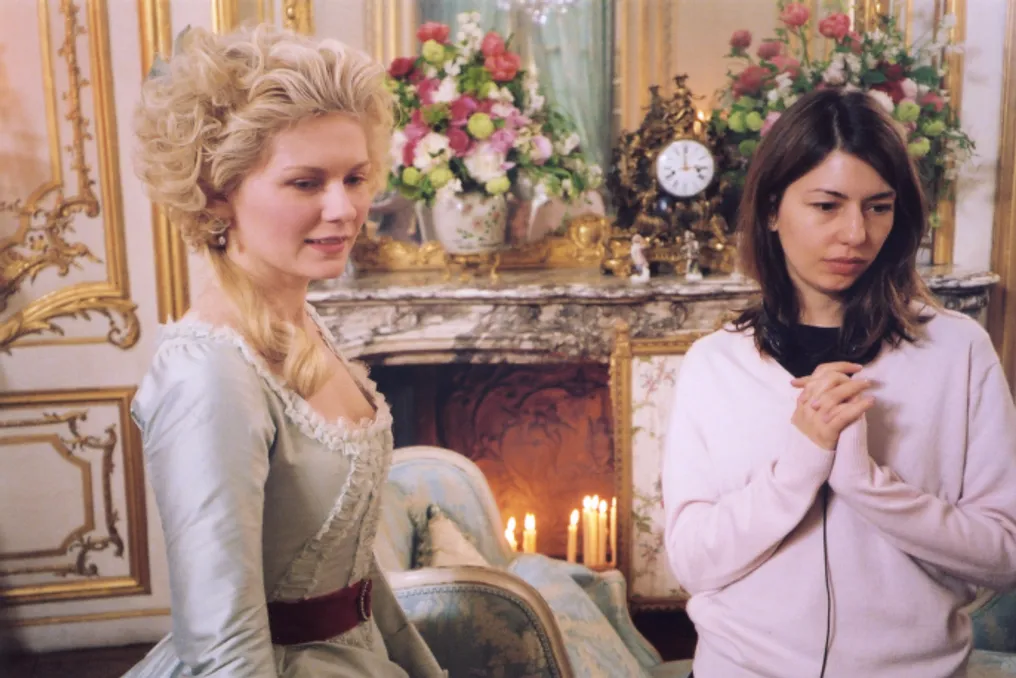
Twenty years after filmmaker Sofia Coppola transformed the French queen into a pop icon, she has returned to the world of her most famous film about monarchy. An exhibition dedicated to the behind-the-scenes aspects of the 2006 film is taking place at the Petit Trianon in the Palace of Versailles in France. This movie reinterpreted the image of Marie Antoinette, blending elements of rock, fashion, and historical references.

The exhibition, titled '20th Anniversary “Marie Antoinette” by Sofia Coppola,' showcases items that help understand how the director created the visual identity of the film. Among the exhibits are costumes designed by Milena Canonero, shoes from Manolo Blahnik, set stills, and the director's original mood boards, which were kept in drawers for two decades.

The materials reveal the creative process behind one of the most unconventional interpretations of the last queen of the French Old Regime. Instead of adhering to traditional historical reconstruction, Sofia Coppola presented Marie Antoinette as a modern teenage figure surrounded by court protocols, searching for her identity against a backdrop of life full of excess and constraints.

To create this universe, the director combined references from different eras. 18th-century painting coexists with 1970s fashion photography, punk, and new wave. The musical score and costumes also helped shape an aesthetic that brought the character closer to a pop star without entirely abandoning her historical dimension.

The result was a film that received mixed reactions upon release but later became an aesthetic and cultural reference point. Marie Antoinette, played by Kirsten Dunst, received a portrayal far removed from traditional portraits of the French monarchy, including Converse sneakers, modern music, and a palace filled with luxury and youth.

The choice of the Petit Trianon as the exhibition venue adds an extra layer of history to the experience. This palace, located in the gardens of Versailles, served as one of Marie Antoinette's private retreats, allowing her to distance herself from some court formalities. It was also one of the locations used by Sofia Coppola during filming.

Visitors can see the exhibition at the Petit Trianon in Versailles until January 24, 2027. Operating hours: until October 31 — from 12:00 PM to 6:30 PM (last entry at 5:45 PM); from November 1 to January 24 — from 12:00 PM to 5:30 PM (last entry at 4:45 PM). The palace is closed on Mondays, as well as December 25 and January 1. Ticket prices are €15 (exhibition only) or €25 (including all of Versailles).
Similar stories

Museum in Italy features Greek sculptures inspired by Homer's myths
Read more
viagemeturismo.abril.com.br

Museum in Italy features Greek sculptures inspired by Homer's myths

In the Sperlonga region, located between Rome and Naples, the old villa of Roman Emperor Tiberius has been transformed into the National Archaeological Museum and Archaeological Zone of Sperlonga. It houses one of Italy's most impressive collections of sculptures—a series of images created based on Homeric texts discovered among the ruins.

Tiberius, who ruled from 14 to 37 AD, was known as a reclusive emperor. He used Sperlonga—then known as Spelunca, the Latin word for cave—as his summer residence. The ruins of this villa were only found in 1957 during archaeological excavations near the town, which also uncovered finds in the cave that gave the place its original name.

Due to the threat of the artworks being moved to Rome, local residents organized themselves and managed to preserve this archaeological treasure in Sperlonga by building a museum. Visiting includes both the archaeological zone, where the old villa is located, and the museum itself, where the excavated sculptures are kept.

The archaeological zone features the original structure of Tiberius' Villa with terraces overlooking the sea, built in the style of the late Roman Republic. However, the main attraction of the old residence is its cave. This natural sea cave served as a decorative backdrop for banquets hosted by the emperor. One of the emperor's activities at his Sperlonga residence was fish farming in so-called fish farms connected to the cave.

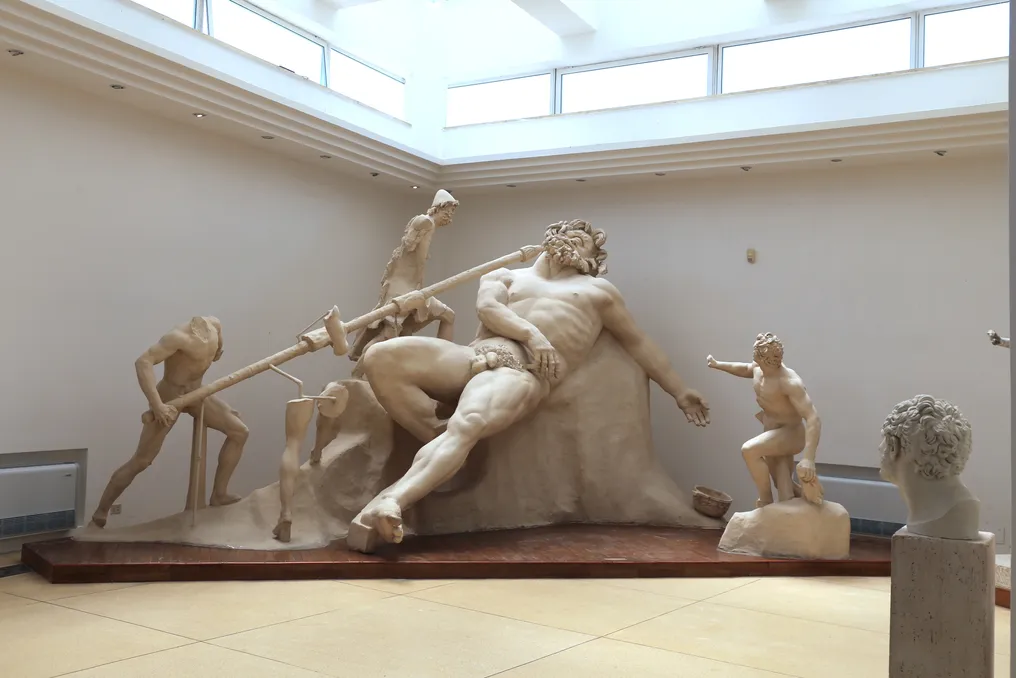
Original fragments and full-scale reconstructions of Greek marble statues found on site are also displayed. These sculptures have Homeric inspiration and refer to the legends of the 'Odyssey' and the 'Iliad.' The collection mainly consists of four large sculptural groups.

One group depicts the encounter between Ulysses and the Cyclops Polyphemus, a scene known from the 'Odyssey.' Ulysses tricks the cyclops into thinking his name is 'Nobody.' Thus, when he and his companions attack Polyphemus in his sleep, his cries for help go unanswered—the cyclops screams that 'Nobody' is attacking him.

Also presented are the attack by Circe, the sea monster that attacked Ulysses' ship and swallowed his comrades; the Abduction of Pallas, when Ulysses and Diomedes steal the statue of the goddess Athena from a Trojan temple; and Ulysses' rescue of Achilles' body during the Trojan War.

The museum collection also includes various items from the Classical and Post-Classical periods, detailing the history of the region's settlement over centuries. Among the exhibits are Attic vessels, architectural terracotta, African ceramics, and Christian chandeliers. Additionally, a video is shown recounting the 1957 archaeological discovery and the creation of the museum.

The museum is open from 8:30 AM to 7:30 PM, with entry permitted until 7:00 PM. The archaeological zone has a different schedule depending on the season: for example, from April to September, the last entry is at 6:00 PM, and closing is at 7:00 PM. In November and December, the last entry is at 3:00 PM, and closing is at 4:00 PM. Therefore, it is recommended to check the operating hours on the website before visiting. The entrance fee is 5 euros. Young people aged 18 to 25 are entitled to a reduced price of 2 euros. Children under 18 enter free of charge.

Popular