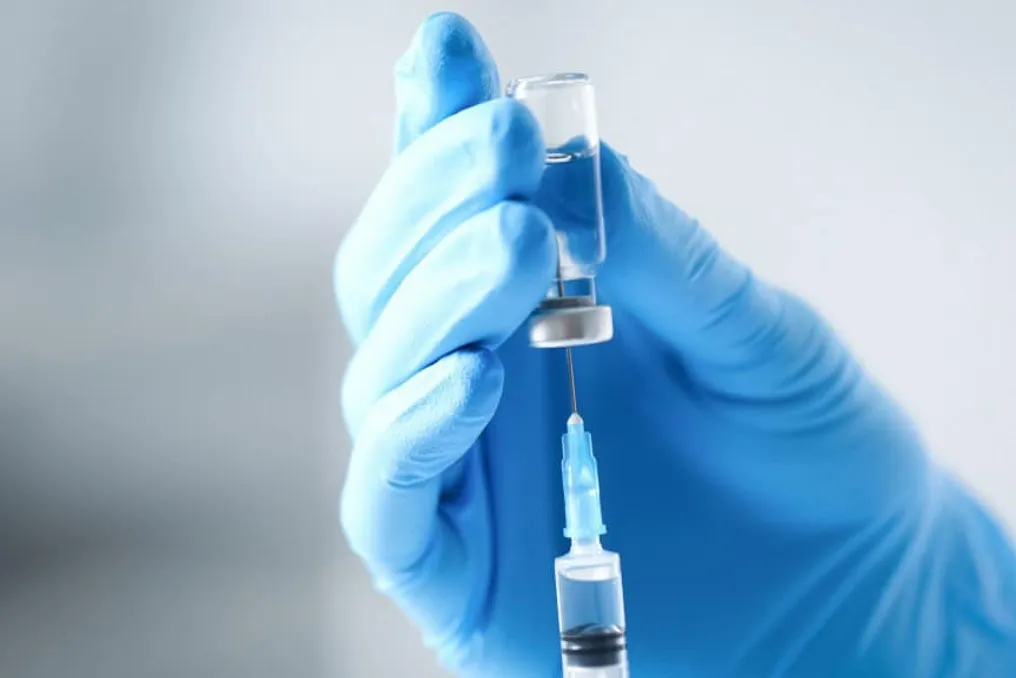
Ministry of Health will send batch of mpox vaccines to Rio de Janeiro due to increase in cases
Read more
Olhar Digital
olhardigital.com.br

Ministry of Health will send batch of mpox vaccines to Rio de Janeiro due to increase in cases

The Ministry of Health plans to dispatch a batch of mpox vaccines to Rio de Janeiro. This measure comes after the registration of 74 cases of the disease in the capital city of Rio de Janeiro during September and October, a number seven times higher than recorded in the same period of 2025.

Given this growth, the Ministry of Health has authorized the acquisition of up to 20,000 vaccine doses, aiming to strengthen the supplies available in the Unified Health System (SUS). Despite the increase in the city, Brazil registered a total of 665 cases in 2026, representing a 94% reduction compared to the more than 10,000 cases reported in 2022.

This year, the state of Rio has already received 3,500 doses, including a new shipment of 2,000 units.

Mpox transmission occurs primarily through direct contact with bodily secretions or lesions. Transmission is also possible through prolonged and close contact with respiratory secretions, although the virus does not spread through the air as easily as measles. Kisses can also be a route of contagion, especially if there are lesions on the mouth or face. Furthermore, contaminated clothes, towels, and sheets can transmit the illness. Although it is not classified as a traditional Sexually Transmitted Infection (STI), mpox can be transmitted during sexual activity due to intimate contact.

After viral exposure, the first signs may include fatigue, headache, muscle aches, fever, and swollen lymph nodes. However, the most distinctive symptom is skin lesions, which can start as spots or blisters and progress to pus-covered and crusted sores. These lesions can appear even in the absence of fever or other initial symptoms.

The characteristic of the lesions helps distinguish mpox from other pathologies, such as chickenpox. In mpox, lesions in the same area tend to present similar stages, unlike chickenpox, where they can appear in different phases. Nevertheless, diagnostic confirmation requires laboratory analysis.

Generally, symptoms disappear within a period of two to four weeks. This interval also requires vigilance regarding the risk of transmission, as the individual may continue to spread the virus until all scabs fall off and the skin is fully healed.

Deaths from mpox are uncommon, and most cases present mild or moderate conditions. However, the disease can evolve into a more severe condition in individuals with compromised immune systems, such as people living with untreated HIV, transplant patients, and those undergoing oncological treatment.

Alvaro Costa, an infectious disease specialist at the Brazilian Society of Infectology (SBI), stated in an interview with g1 that the disease has the potential to cause death, but emphasized that this is rare, and for the general population, the risk is considered low. Marcos Vinicius Borges, another infectious disease specialist from the SBI, corroborated this assessment, indicating that mortality usually remains below 1%, although it may be higher in areas with restricted access to health services.

Clinical management focuses primarily on relieving symptoms and preventing complications. In severe situations, the antiviral tecovirimat may be prescribed. Eye lesions require immediate medical evaluation, and secondary bacterial infections may require antibiotics.

In addition to care during infection, vaccination is an important strategy to protect the most vulnerable groups. Within the SUS framework, immunization is not accessible to the entire population; priority is given to people with HIV/AIDS and a CD4 count below 100 cells/mm³. The protocol establishes two doses, separated by a 28-day interval, administered in specialized centers.

When there are surplus doses, other groups may be included, such as individuals with HIV/AIDS and CD4 below 200, PrEP users, and laboratory professionals who handle viral samples. The vaccine may also be recommended after direct contact with a suspected or confirmed case, depending on risk assessment. Administration is preferably done within the first four days after exposure. If it occurs within a 14-day period, the preventive efficacy decreases, but it can still help mitigate serious complications.

In this scenario, the acquisition authorized by the Ministry of Health aims to ensure that SUS stocks are ready for any increases in viral circulation.
Similar stories

FDA approves generic version of lenacapavir, monthly injection against HIV
Read more
super.abril.com.br

FDA approves generic version of lenacapavir, monthly injection against HIV

The Food and Drug Administration (FDA), the US regulatory body, granted provisional approval to the first generic version of lenacapavir. This medication is an injection administered semi-annually and offers near-complete protection against HIV infection.

The generic, produced by the Indian pharmaceutical company Dr. Reddy’s Laboratories, cannot be marketed in the US due to patent protection of the original drug. However, it can be acquired by the American government for PEPFAR, a program aimed at combating HIV abroad.

Both Dr. Reddy’s and Unitaid, a global health initiative that supported the development of the generic, aim to ensure this medication reaches low- and middle-income nations.

Dr. Reddy’s is one of six pharmaceutical companies authorized by Gilead Sciences, the creator of lenacapavir, to produce the lower-cost version. In 2024, licenses were issued to companies located in Asia and North Africa. Currently, only Dr. Reddy’s has FDA approval, but all six can distribute the medicine in 120 countries after obtaining the necessary permits. This list includes areas with high HIV rates, such as South Africa, Lesotho, Botswana, and Zimbabwe.

The annual cost of Dr. Reddy’s generic will be 40 dollars per patient. This price was established in 2025 through an agreement signed with three health entities: Unitaid, the Clinton Health Access Initiative (CHAI), and the South African institute Wits RHI. The first doses are expected to reach the countries by the end of 2026, with supply expansion anticipated in 2027.

Lenacapavir, which is injectable and applied twice a year, may represent a more effective alternative for HIV pre-exposure prophylaxis (PrEP) compared to daily pills, whose effectiveness depends on constant adherence.

The substance had already been marketed by Gilead since 2022 for HIV treatment. In 2025, it was approved in the US for prevention purposes, following clinical trials that demonstrated nearly 100% protection. In one of these studies, none of the treated women contracted the infection, and in another, only two of the 2,179 participants who used lenacapavir contracted the virus.

In 2024, Science magazine named lenacapavir the 'Advance of the Year,' recognizing the fundamental research that underpinned the drug. However, the high cost in the US, reaching about 28 thousand dollars annually, posed a major obstacle to its widespread availability.

According to Unitaid, even before the arrival of the generic, more than 125,000 individuals in ten African countries were already using Gilead-manufactured lenacapavir on an early basis. The organization emphasizes that the generic obtained 'provisional approval' from the FDA, which is the standard status for generics while the original product remains under protection.

Blood drive to take place in Marica this Saturday
Read more
g1.globo.com

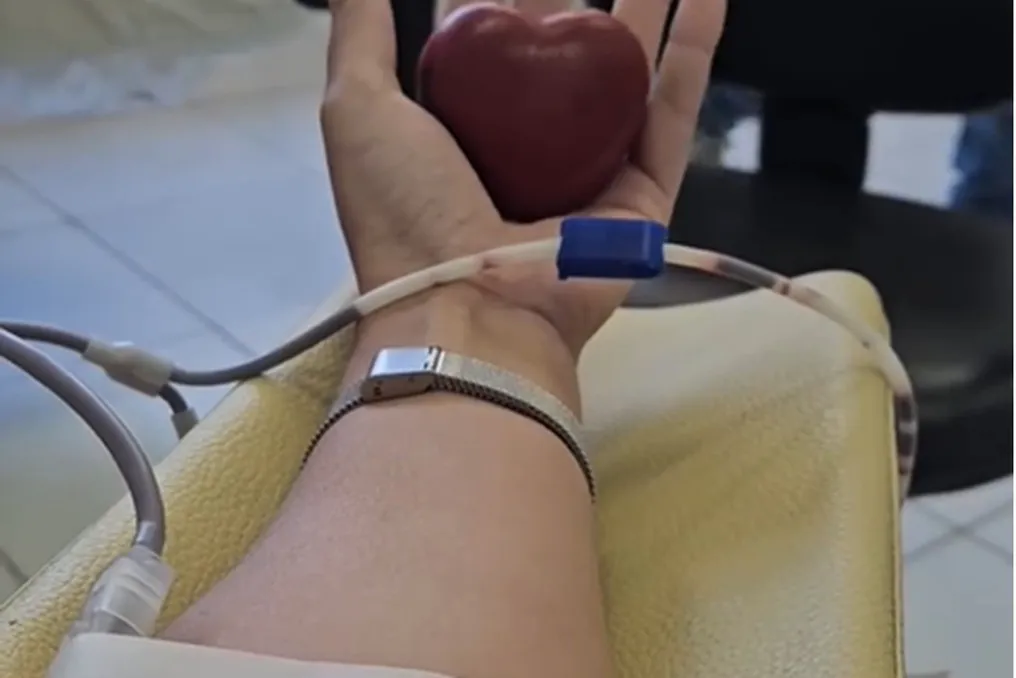
Blood drive to take place in Marica this Saturday

A blood collection campaign is being organized in the city of Marica this coming Saturday (the 24th). The goal of these mobile drives is to replenish the blood supplies in state blood banks, as the municipality does not have its own hemocenter or collection points.

The blood collection will take place at a private school located at Rua Prefeito Hilário da Costa e Silva, number 147, in Eldorado Park, Centro. The collection will be carried out by the Hemorio team from 8:00 AM to 4:00 PM.

There are certain recommendations for participating in the event: participants must weigh over 50 kg, be well-hydrated (drink plenty of water), and not be fasting (eat a light meal). It is also recommended to avoid fatty foods four hours before donation and not consume alcoholic beverages within twelve hours of the procedure.

People who have had tattoos or piercings can donate blood seven days after the procedure. It should be noted that one unit of blood can save up to four lives, and blood bank supplies constantly need donors to maintain the operation of both the public and private healthcare systems.

Popular