Harry Pearce's Interactive Installation 'All Our Blood' Presented in Kyoto
Read more
Design Indaba
designindaba.com

Harry Pearce's Interactive Installation 'All Our Blood' Presented in Kyoto

Pentagram partner Harry Pearce presented an interactive experience that expands his project 'All Our Blood'. This installation was shown at the first Kyoto YouMe Triennale exhibition, in the historic Jushin Kaikan building in Kyoto, which is a Buddhist center dating back to the 1930s.

The project raises the question of what one drop of blood can say about humanity. An eleven-minute film traces the path of one of Pearce's drops of blood falling into water, where its organic movement transforms into unusual, cloud-like structures. This work is accompanied by a twenty-one-minute musical composition created by Peter Gabriel and prompts viewers to contemplate the fragile connection between creation and destruction.

Pearce draws a notable parallel between the appearance of blood and an atomic cloud: one symbolizes the essence of life, while the other represents the possibility of its annihilation. The installation, filmed by longtime colleague Richard Foster, serves as a powerful reflection of our shared humanity. The main message Pearce seeks to convey is that 'with one, ultimately, it happens with all.'

Through the fusion of moving imagery, sound, and symbolism, 'All Our Blood' reminds us of the inseparability of our lives, connected by the very substance that sustains us.

Similar stories

Study with over 28 thousand people identifies mechanism that may aid in the treatment of hereditary blood diseases
Read more
g1.globo.com

Study with over 28 thousand people identifies mechanism that may aid in the treatment of hereditary blood diseases

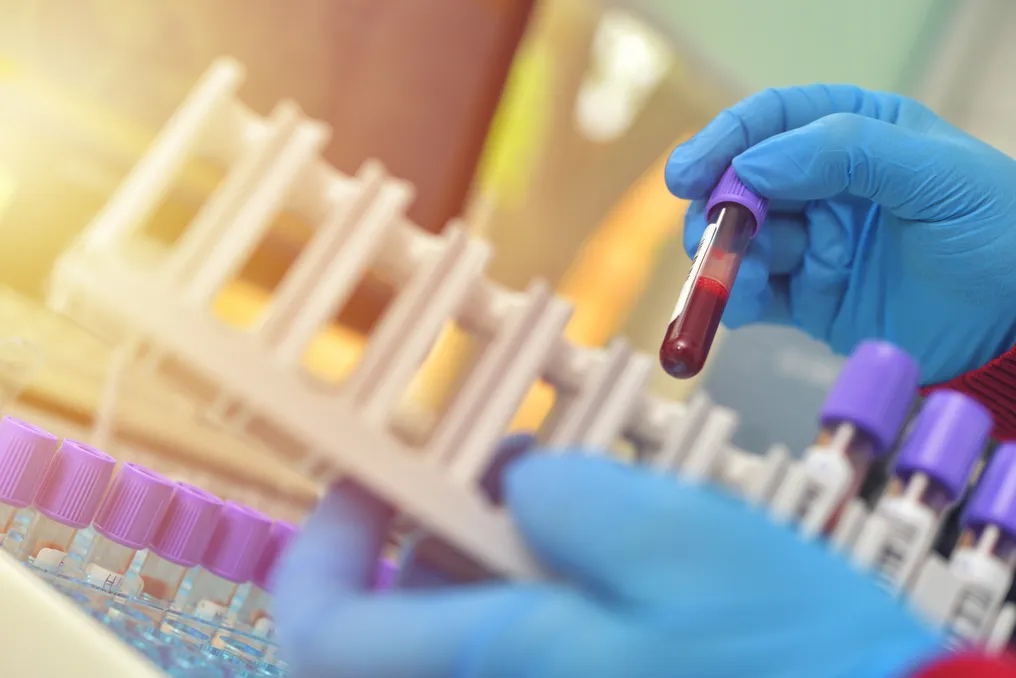
A study based on genetic data from over 28 thousand individuals revealed a potential mechanism for developing new treatments for hereditary blood diseases, such as sickle cell anemia and beta-thalassemia.

The research, published in the scientific journal Nature and involving Brazilian researchers from the Faculty of Medicine of the University of São Paulo (FMUSP), focused on the role of the BACH2 protein in modulating fetal hemoglobin, the predominant form of hemoglobin during gestation.

Scientists discovered that this protein acts as an inhibitor of fetal hemoglobin production. By decreasing this inhibitory function in cells cultured in the laboratory, it was possible to increase the amount of fetal hemoglobin produced.

Ester Sabino, immunologist and head of the Department of Pathology at the USP Faculty of Medicine, emphasizes that it was already known that individuals with high levels of fetal hemoglobin during intrauterine life tend to show improvements in sickle cell anemia.

This discovery expands the understanding of the processes that control the production of this protein and points to a viable path for creating new therapeutic approaches. Sabino comments that every advance in understanding protein production facilitates the search for treatment methods for patients.

Functioning of the Identified Mechanism

Hemoglobin, a protein found in red blood cells, is essential for transporting oxygen throughout the body. During human development, it gradually transitions from the fetal form to the dominant adult form.

In cases of sickle cell anemia, a genetic mutation causes abnormal functioning of adult hemoglobin, resulting in the deformation of red blood cells. In beta-thalassemia, the hereditary condition is marked by insufficient or absent production of one of the components of adult hemoglobin.

In these scenarios, increasing the production of fetal hemoglobin is considered a strategy of clinical interest. The study investigated the regulatory genetic mechanisms of this production and identified BACH2 as a limiting factor.

The research group observed that a genetic variation linked to higher levels of fetal hemoglobin leads to decreased expression of BACH2. Laboratory experiments confirmed that reducing or inhibiting this protein also increased fetal hemoglobin expression. Furthermore, the results showed that BACH2 limits activation promoted by NRF2, establishing a regulatory mechanism available for future exploration.

To investigate the genetic factors related to fetal hemoglobin production, researchers analyzed data from 28,279 people from diverse backgrounds. The analysis identified 91 distinct genetic associations spread across 12 regions of the genome. In one of these areas, a variant was found associated with both higher levels of fetal hemoglobin and lower expression of BACH2.

Sabino emphasizes the importance of a large volume of participants from different locations in genetic studies to achieve significant discoveries. Based on this genetic clue, the team conducted tests to verify the direct role of the protein in regulating fetal hemoglobin, validating the relationship seen in the genetic analysis and elucidating the biological process involved.

The combination of population genetic data with functional experiments was crucial in connecting the identified variant to the action of BACH2 in fetal hemoglobin production.

Combination of Strategies Shows Promising Result

The study also examined the interaction between BACH2 and BCL11A, another known regulator of fetal hemoglobin production and a target for therapies. Tests demonstrated that both proteins operate through independent pathways. When the action of BACH2 and BCL11A was reduced jointly, there was an increase in fetal hemoglobin greater than that obtained by reducing each protein separately.

This finding suggests that intervening in multiple regulatory mechanisms could be a promising route for research aimed at increasing fetal hemoglobin. However, despite the potential, the discovery still requires more steps before being considered a treatment option. The researchers warn that current experiments do not prove the safety or efficacy of the strategy in patients.

Ester Sabino concludes that this is only the beginning; after understanding the mechanisms, it is imperative to initially test in animal models and subsequently conduct studies in humans to then develop a safe treatment.
Documentary film by Iranian director shown simultaneously in Toronto and Tehran
Read more
www.tehrantimes.com

Documentary film by Iranian director shown simultaneously in Toronto and Tehran

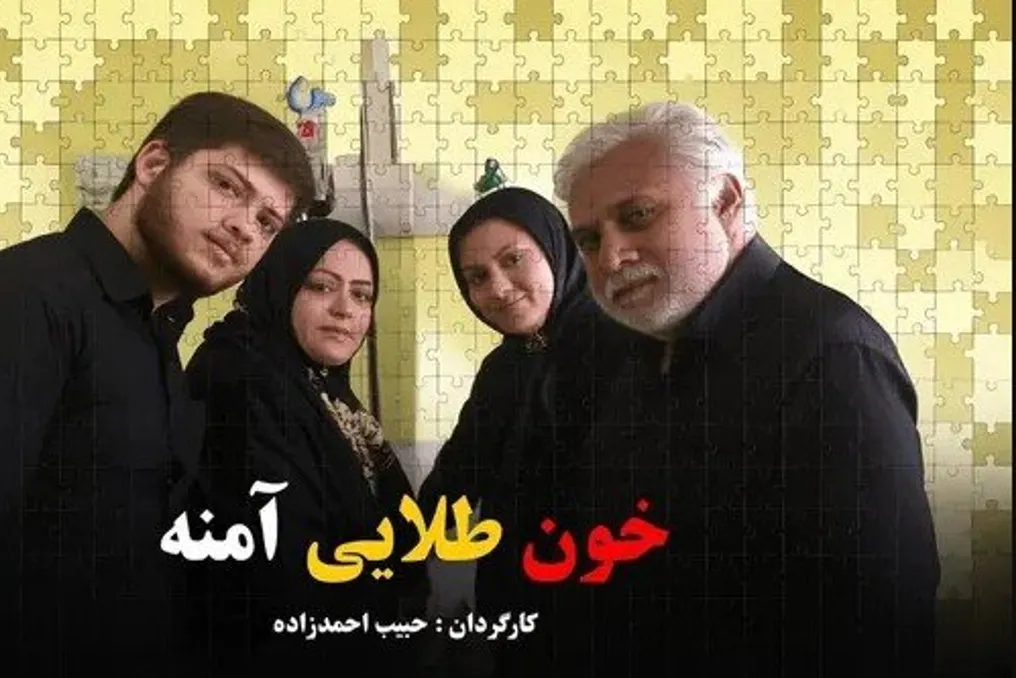
The documentary "Golden Blood of Ameneh" by Iranian screenwriter and filmmaker Habib Ahmadzadeh was screened simultaneously at the University of York in Toronto, Canada, and at the Tarikh cafe in Tehran on Friday, October 23. The event brought together audiences from both countries to explore a story about medical urgency, human solidarity, and the search for an extremely rare blood type.

The screening at the University of York was organized at the invitation of Claudia Choufan, a professor at the university's School of Policy and Health Management. The event was held both in person and online for faculty and students, followed by a 90-minute Q&A session with Ahmadzadeh.

The film tells the story of Ameneh, a young woman from the southern Iranian port city of Bushehr, whose critical need for an extremely rare blood type triggered an international search for a potentially life-saving transfusion.

The screening and discussion in Toronto were organized by the University of York's West Asia Research Cluster. Furthermore, the event addressed the humanitarian consequences of sanctions and their impact on medical decisions and the healthcare system.

Meanwhile, the documentary was shown to an Iranian audience at the Tarikh cafe in Tehran. The program was hosted by film documentarian and researcher of Iranian history Hossein Dehbashi, and film critic Abbas Yari was also present. A discussion with Ahmadzadeh followed the screening.

The film highlights the efforts of Dr. Mostafa Moghaddam in searching for compatible blood for Ameneh, whose blood type, according to the film, is Rh-null—an exceptionally rare type sometimes called 'golden blood.' The search underscores the importance of international cooperation and the difficulties faced by medical professionals when a patient requires blood available only from a few known donors worldwide.

Through its intense cinematic narrative, Ahmadzadeh's documentary presents the medical complexity of the case alongside the actions of people and organizations working across national borders to find the necessary blood.

According to organizers, the film has been prepared with subtitles in 55 languages to raise public awareness about rare blood types and ensure the story's accessibility to an international audience. It is also available free on the Iranian video platform Aparat.

The screening at the University of York is part of the film's international promotion, which uses a personal medical story to stimulate discussions on healthcare, access to treatment, and the role of international solidarity in critical situations.

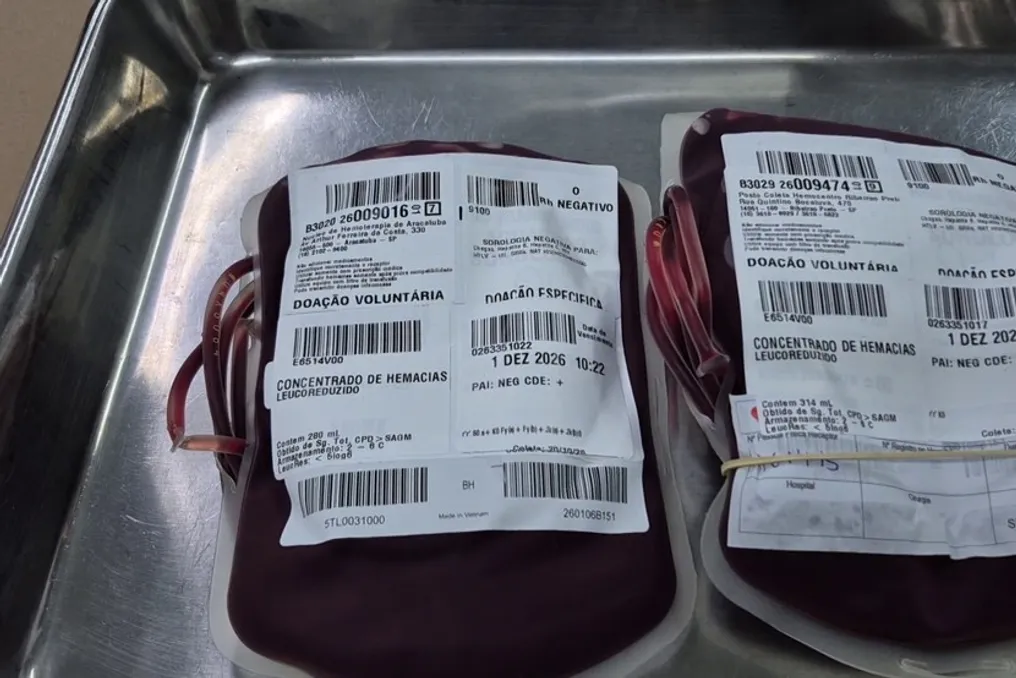
Ribeirão Preto Blood Center organized transportation of rare blood to save patient in Santa Catarina
Read more
g1.globo.com

Ribeirão Preto Blood Center organized transportation of rare blood to save patient in Santa Catarina

A woman diagnosed with sickle cell anemia could not find compatible blood in the local network, which required a joint operation to search and transport between the states of São Paulo and Santa Catarina.

Sickle cell anemia is a hereditary genetic disease in which red blood cells change shape, making it difficult for blood circulation and oxygen saturation of the body. Rare blood supplies were delivered from the interior regions of São Paulo to help the patient in Santa Catarina.

To meet this urgent need, the Santa Catarina Blood Center (Hemosc) contacted the Rare Blood Donor Bank. The search led to the discovery of two donors with a suitable profile in the interior region of São Paulo: one donor in Araras and another in Ribeirão Preto.

The blood collection took place on Thursday (the 22nd). The unit collected in Araras was stored until it was combined with the unit in Ribeirão Preto. After that, both units were transported by car to Viracopos International Airport in Campinas (São Paulo), from where they flew at 6:00 PM on Friday to the capital of Santa Catarina.

The team at the Ribeirão Preto Blood Center sent the rare blood supplies to the patient with sickle cell anemia in Florianópolis (Santa Catarina). Ana Paula Zanelli, manager of the immunohematology laboratory at the Ribeirão Preto Blood Center, explained that most procedures only require standard compatibility testing, but specific cases require more complex analysis.

She noted: 'For most patients, we perform ABO and Rh typing, which is sufficient for finding compatible blood. However, in some cases, we need to conduct a more thorough compatibility check and test other blood groups.' According to her, any case is considered rare if its frequency is less than one in 1,000 people in the population. In this case, 'for these two units that we sent today to Santa Catarina, the frequency is one in 100,000 tested people to find such a unit. In this case, it is much rarer,' added Ana Paula.

Popular