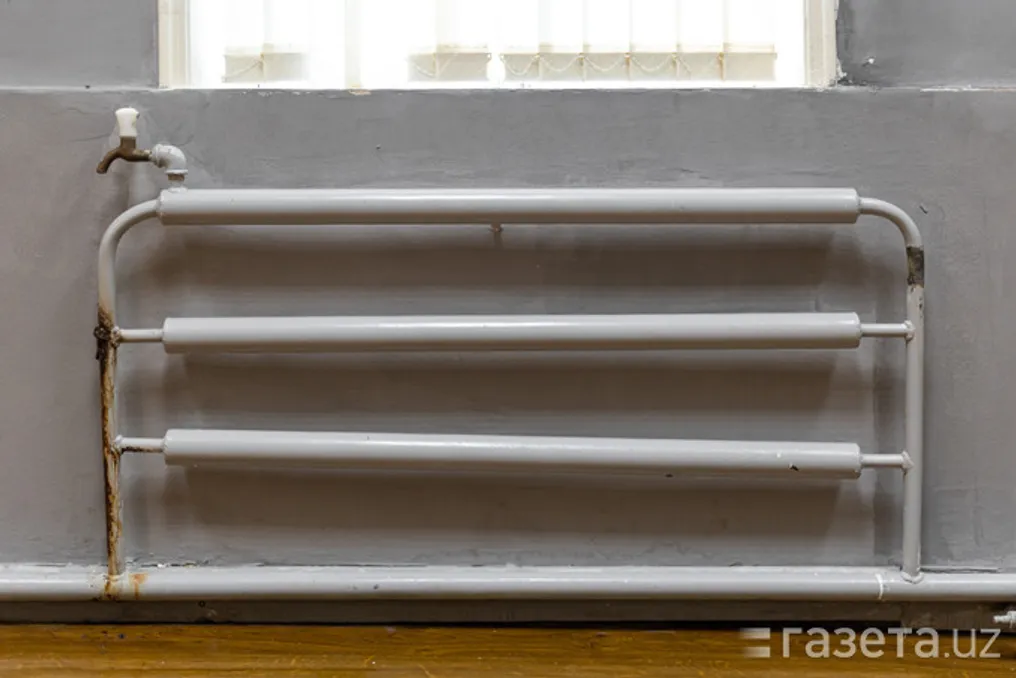
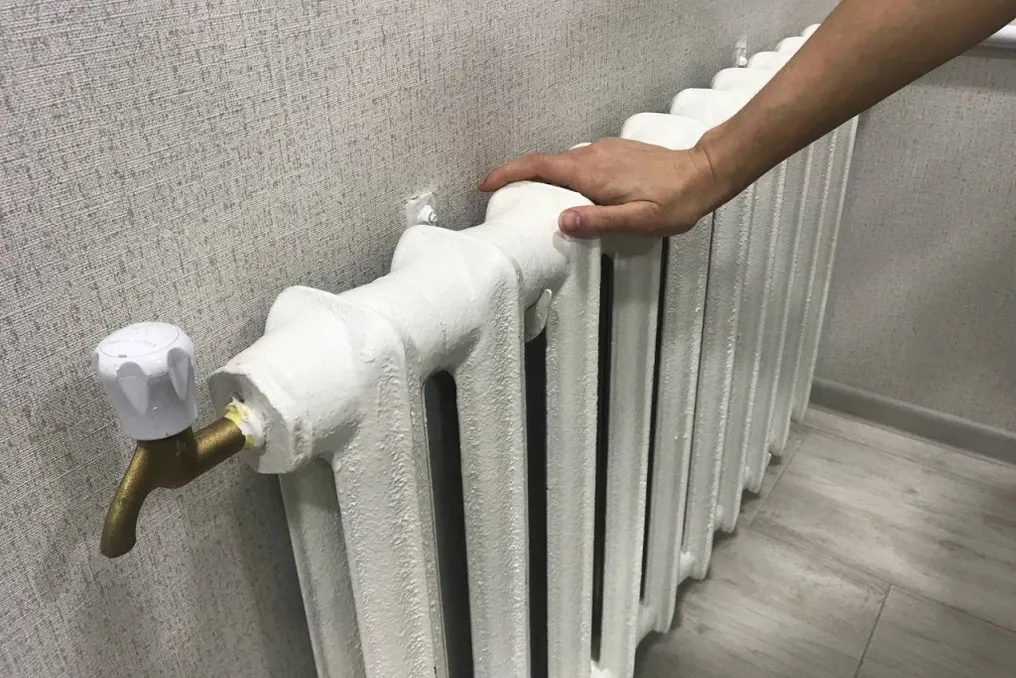
Heating season for 2026–2027 starts in Tashkent on November 9
Read more
Gazeta.uz
gazeta.uz

Heating season for 2026–2027 starts in Tashkent on November 9

The Mayor of Tashkent, Shavkat Umurzakov, has approved the decision to begin the heating season for 2026–2027, according to the capital administration's press service.

Heat supply will be carried out in stages, starting from November 9. The first to receive heat will be social sector institutions, including schools, kindergartens, and hospitals, as well as residential apartment buildings.

The administration specified that the charging for heating begins from the moment of actual connection, and this date is recorded in a bilateral act signed with the management company.

Residents experiencing uneven heat distribution in their apartments are advised to contact the management company or HOA. In case of emergencies on the heat networks, residents can contact Veolia Energy Tashkent at call center number 1347 or 71−200−00−56, or via the Telegram bot @vet_pokazaniya_bot, which operates 24/7.

Furthermore, Uzgidromet warned about a sharp change in weather conditions in Uzbekistan: rain is expected in northern regions starting November 9, and across the rest of the country from November 10 to 12, with heavy showers in places. Night temperatures are forecast to range from 0 to +5 degrees Celsius, and from -2 to -7 degrees Celsius in the northern districts, with daytime temperatures between +7 and +12 degrees Celsius.

Similar stories

Climatologist recommends starting heating season in Tashkent on November 11 due to predicted cold snap
Read more
gazeta.uz

Climatologist recommends starting heating season in Tashkent on November 11 due to predicted cold snap

Climatologist Erkin Abdulakhatov, who heads the laboratory of the Scientific Hydrometeorological Institute, stated that centralized heating in residential and social institutions in Tashkent should be started on November 11. This conclusion is based on the analysis of October temperature data and current weather forecasts.

According to the specialist, between November 11 and 15, Uzbekistan will be affected by cold air masses, which could cause a significant drop in temperature. He also noted that existing norms for the start of the heating season do not fully reflect the features of modern climate.

October Weather

In the last decade of October, relatively cool air masses passed through Uzbekistan, slightly lowering the average daily temperature, which raised questions among apartment residents about the timing of heat activation. Nevertheless, the climatologist emphasized that October 2026 was generally warm: the minimum temperature in Tashkent never dropped below +4 degrees.

Even on the coolest days, from October 24 to 27, when morning temperatures fell to +5... +6 degrees, the average daily figures exceeded +11 degrees. Consequently, even on the coldest days of October, the conditions did not meet the established standard for the start of the heating season.

Historical Experience of Heating Season Start

Analysis over the last decade shows that in most cases (six out of ten), heating in the capital began in October. For example, in 2018 and 2021, the heating season started on October 12 and 13, respectively, due to the earlier arrival of cold weather. The latest start during this period was recorded in the 2017–2018 heating season, when heating began on November 10.

If heating in 2026 starts on November 11 or later, it will be the latest start of the heating season in the capital in the last ten years.

November Cold Snap Forecast

Uzhydromet forecasts indicate that Central Asia will maintain relatively warm weather at the beginning of November. However, cold air masses from the northwest, from the Volga region, will begin entering the region on November 9–10. From November 11, an anticyclone is expected to pass over Uzbekistan, whose center may reach a pressure of 1035 hectopascals.

According to the climatologist's assessment, this impact will last until November 15 and will cause the average daily temperature to fall below long-term climatic values. According to some foreign models, in Tashkent, the temperature from November 11 to 15 may be around +1... +2 degrees at night and +10... +13 degrees during the day. Uzhydromet forecasts also suggest that by November 11, the night temperature in the capital may drop to +1... +3 degrees, leading to an average daily temperature below +8 degrees. The specialist believes that Tashkent may experience a five-day period with such readings for the first time this season.

In light of this data, the climatologist insists on the need for phased introduction of heat into residential buildings and social institutions starting November 11, without waiting for the full onset of the cold snap.

Requirements of Current Regulations

According to Decree No. 194 of the Cabinet of Ministers dated July 15, 2014, the decision on the start and end of the heating season is made by the Council of Ministers of Karakalpakstan, regional khokimiyats, and Tashkent. Point 13 of the Rules for Providing Heat Supply Services in Apartment Buildings states that the heating period must begin after the day following the end of a five-day period when the average daily air temperature is below 8°C, and end when it rises above 8°C.

Thus, formally, heating should only be turned on after five consecutive days with a temperature below +8 degrees. However, Abdulakhatov suggests taking the predicted cold snap into account in advance to avoid a serious drop in indoor temperatures. The climatologist recalled that a similar norm existed in the rules approved by the government decree of the Uzbek SSR No. 497 of September 30, 1985.

According to him, the initial principle for determining the heating season dates was established in the 1960s–1970s when climatic changes were more predictable and long-term forecasting capabilities were limited, so decisions were made based on already recorded data. The specialist notes that the modern system does not always allow for prompt reaction to sudden weather changes, and that Tashkent authorities have not always strictly adhered to this five-day criterion in previous years.

Climatologist's Proposals for Changing Norms

Abdulakhatov believes it is necessary to revise the current rules for determining the heating season dates, taking into account climate shifts, the condition of housing stock, and modern concepts of comfortable indoor temperature. He highlighted several key reasons for this.

Climate Change

Against the backdrop of a general rise in autumn temperatures, sharp fluctuations are increasingly common: long periods of warmth can quickly give way to cold snaps. According to the expert's assessment, this complicates the body's adaptation to changing conditions.

Housing Condition

In many buildings constructed in the last century, insulation has deteriorated over time. This means that rooms can cool down quickly even with a short-term drop in outdoor temperature.

Furthermore, the climatologist believes that when determining the dates, one must consider not only the outside temperature but also the real living conditions of people, including the feeling of cold inside buildings. He argues that new standards should be based on a comprehensive assessment of meteorological factors such as temperature, humidity, wind speed, and solar radiation. When creating such norms, reliance should be placed on scientific research, local climatic features, international experience, as well as the influence of microclimate on public health and building integrity. The specialist emphasizes that timely provision of comfort is critically important not only for public health but also for maintaining economic activity and labor productivity.

Government Position

On October 26, the Tashkent khokimiyat notified that the start date of the heating season will be guided by the established temperature criterion, but actual weather conditions will also be taken into account. The administration stated that in case of a sharp cold snap, the decision to start heating will not be postponed.

The preparation of heat supply systems is carried out jointly with city services and the company Veolia Energy Tashkent. On November 4, Akhadxon Isakdjanov, Head of the Inspection for Control over Electricity, Petroleum Products, and Gas Use, reported that the connection of apartment buildings to centralized heating in Uzbekistan is expected by November 15. According to him, final decisions must be made by local khokimiyats based on data from hydrometeorological services.
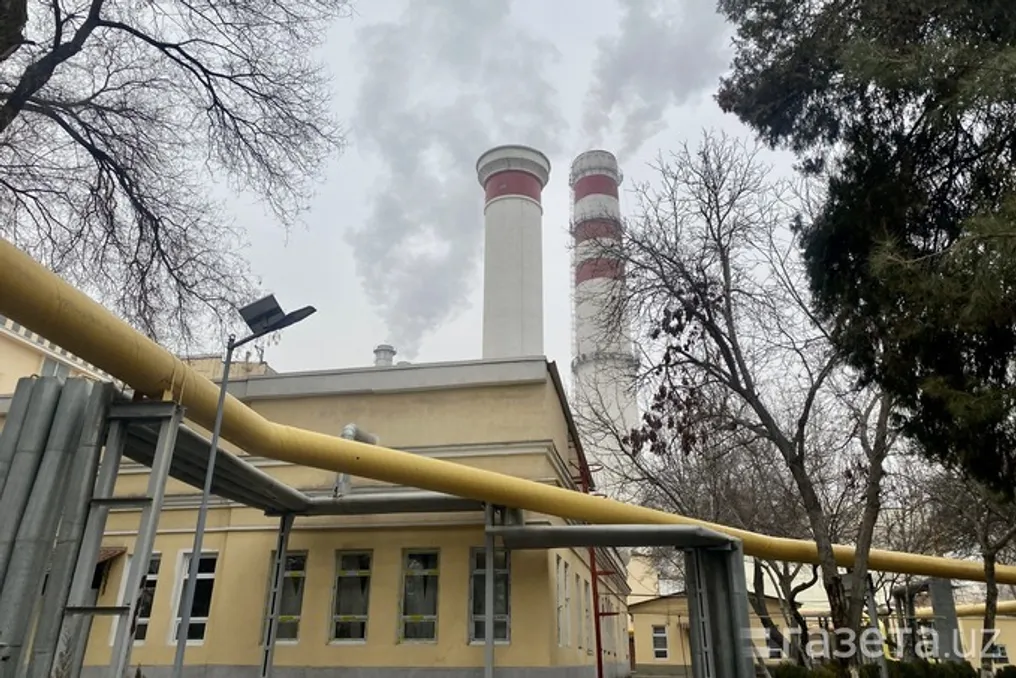
Start of heating season conditions in Tashkent are determined by weather conditions
Read more
podrobno.uz

Start of heating season conditions in Tashkent are determined by weather conditions

Due to the cooling weather in Tashkent, messages appeared on social networks about the possible start of the heating season only in December. This issue caused concern among residents, so the capital's hokimiyat provided clarifications regarding the factors affecting the timing of heating activation.

The hokimiyat announced that when setting the dates for the start of the heating season, real meteorological conditions will be taken into account, and they will not intentionally delay the supply of heat if it is due to a drop in temperature.

According to the current regulations, heating is activated when the average daily air temperature drops below eight degrees Celsius and remains so for five consecutive days. Residents will be informed about the exact date of heat supply later.

In addition, the Ministry of Energy is working on creating a strategy for the development of the centralized heating system, which should be completed by 2030.

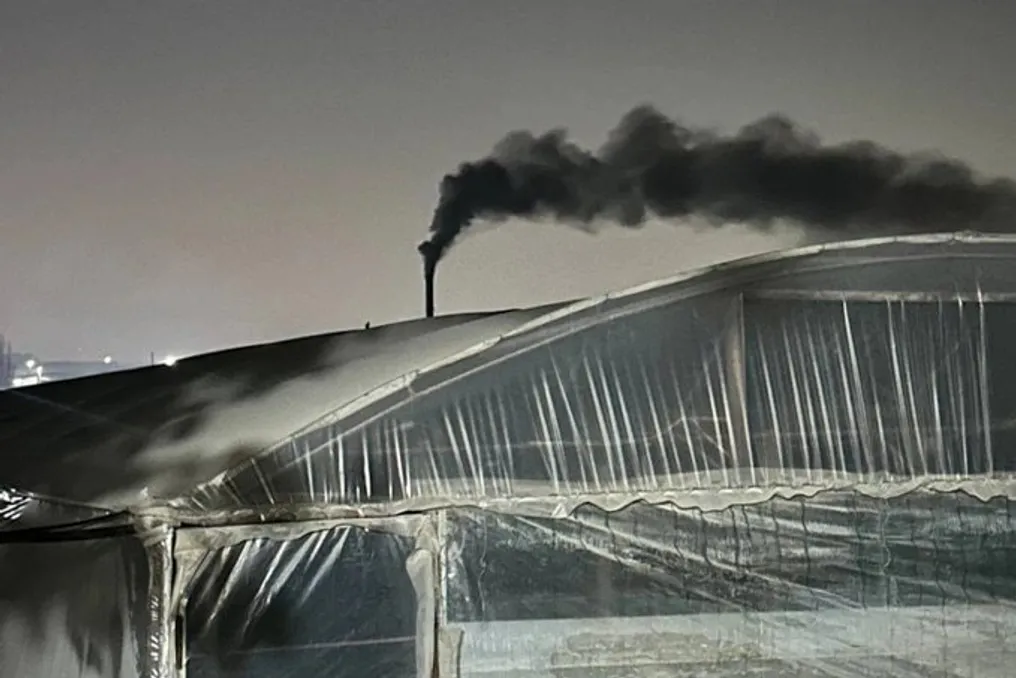
Authorities in Tashkent and the region introduce new rules for greenhouse heating, requiring a move away from coal
Read more
podrobno.uz

Authorities in Tashkent and the region introduce new rules for greenhouse heating, requiring a move away from coal

Authorities in Tashkent and five districts of the Tashkent region have introduced new requirements for greenhouse heating. These farms must either abandon the use of coal and other solid fuels or install appropriate systems for emission purification and automated monitoring.

These new standards are enshrined in Cabinet of Ministers Decree No. 586 and are effective in Tashkent, as well as in Yukorichirk, Kibray, Yangiyul, Zangiatin, and Tashkent districts of the region. Farms that use coal, briquettes, or biomass pellets are obliged to switch their heating systems to alternative energy sources by December 1, 2026.

Alternative sources include natural and liquefied gas, electricity, solar and geothermal energy, as well as secondary heat obtained from thermal power plants; however, the latter requires a positive conclusion from the state environmental expertise.

Requirements for Solid Fuel Use

A complete ban on solid fuel has not been introduced, but its use is only possible if a number of strict technical conditions are met. Boilers must be equipped with automatic combustion process control systems, flue gas cleaning devices, and sensors that allow for constant emission monitoring. All collected data must be transmitted in real time to the information system of the Committee for Ecology.

Furthermore, online cameras will be installed at the facilities to monitor boiler operation and emission levels. This equipment is required to have compliance certificates and backup power. All resulting waste, including ash, sludge, and heavy metal-containing substances, must be collected and disposed of according to approved rules.

The decree also strictly prohibits the use of tires, bitumen, fuel oil, plastic, polymer films, rubber, waste oils, as well as household and industrial waste, or materials of similar composition, as fuel.

State Support for Transition to New Technologies

Financial assistance in the form of subsidies and preferential loans is provided to facilitate the transition to modern technologies. Until January 1, 2028, the state will cover half of the costs associated with purchasing emission purification equipment, modernizing boiler units, installing energy-saving screens, and implementing energy-efficient solutions. This support also applies to heating systems running on electricity, solar, geothermal energy, or cogeneration.

The maximum subsidy amount is set at 50 million soms per hectare.

During the 2026–2027 period, greenhouse enterprises can obtain seven-year loans, including a three-year grace period, at an annual interest rate of 14%. The loan can cover up to half the total project cost but cannot exceed three billion soms per hectare.

Financial assistance of up to 350 million soms is available for the purchase of one automatic emission monitoring station, provided with a five-year installment plan without interest. Recipients are obligated to install such stations, connect them to the Committee for Ecology's system, and guarantee continuous data transmission. In case of non-compliance, the equipment may be dismantled and returned, and overdue debt will be collected according to the contract terms.

Changes for Other Enterprises

It is planned that the new environmental standards will also be introduced for boilers in other sectors of the economy that use air-polluting fuel. Enterprises will be classified by environmental safety levels: red, yellow, and green zones. Detailed requirements for each category will be defined in the legislative framework.

Additionally, until January 1, 2030, the import of equipment necessary for the construction and modernization of greenhouse complexes not manufactured in Uzbekistan will be exempt from customs duties. This benefit will cover emission purification systems, energy-efficient boilers, cogeneration units, solar and geothermal energy equipment, and automated monitoring systems.

The decree also regulates the handling of liquid waste from greenhouse production. Filtrates from hydroponic systems and hazardous liquids generated in heating unit filters must be purified and reused as technical water.

By January 1, 2027, the construction of a reservoir for temporary storage of these filtrates is planned in the Akhangaran district's eco-industrial zone. Land for this reservoir must be allocated by November 1, 2026, and an operator for waste processing will be selected through a tender by June 1, 2027. Greenhouse owners will be obliged to transfer filtrates to this operator at established tariffs.

The overall goal of introducing new rules is to reduce emissions from greenhouse farms and improve air quality in Tashkent and neighboring districts, while support measures are intended to help entrepreneurs transition to more environmentally friendly operating methods without halting operations.

Popular