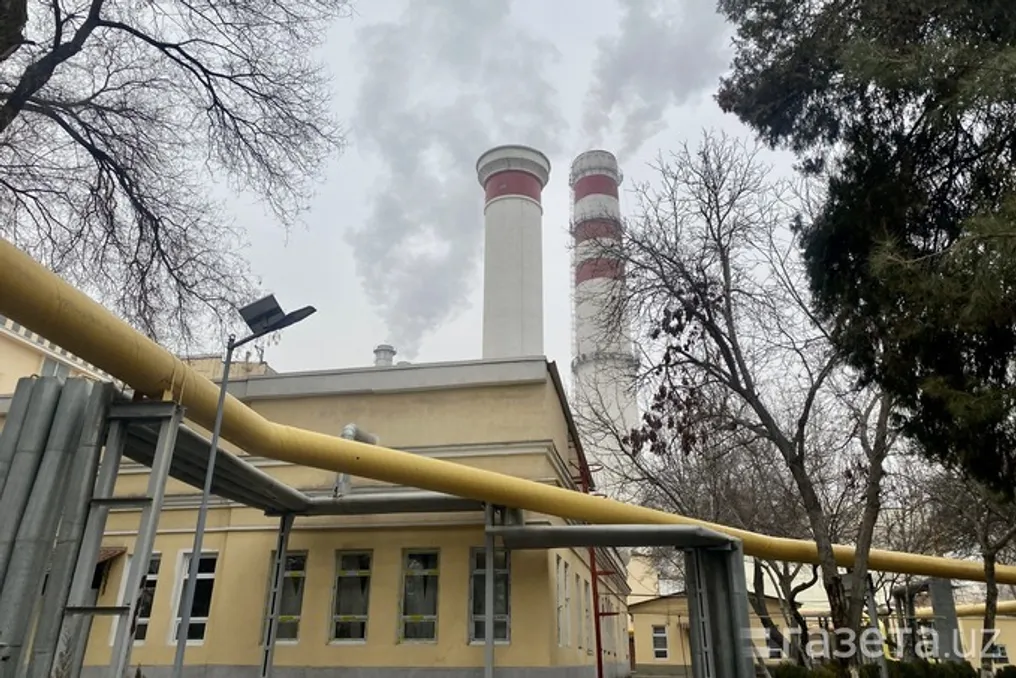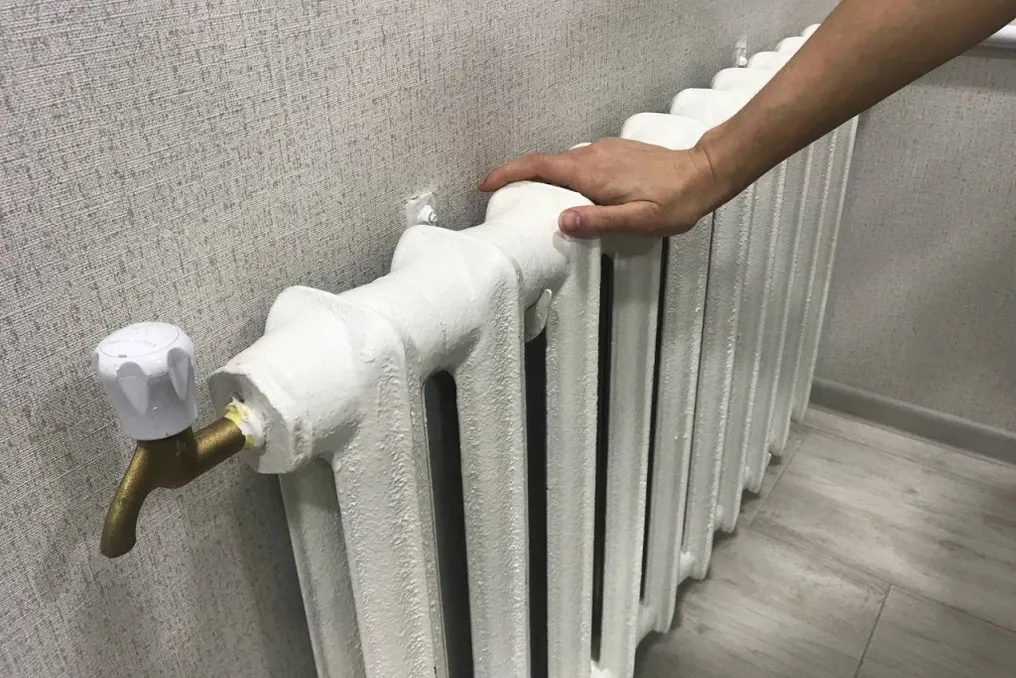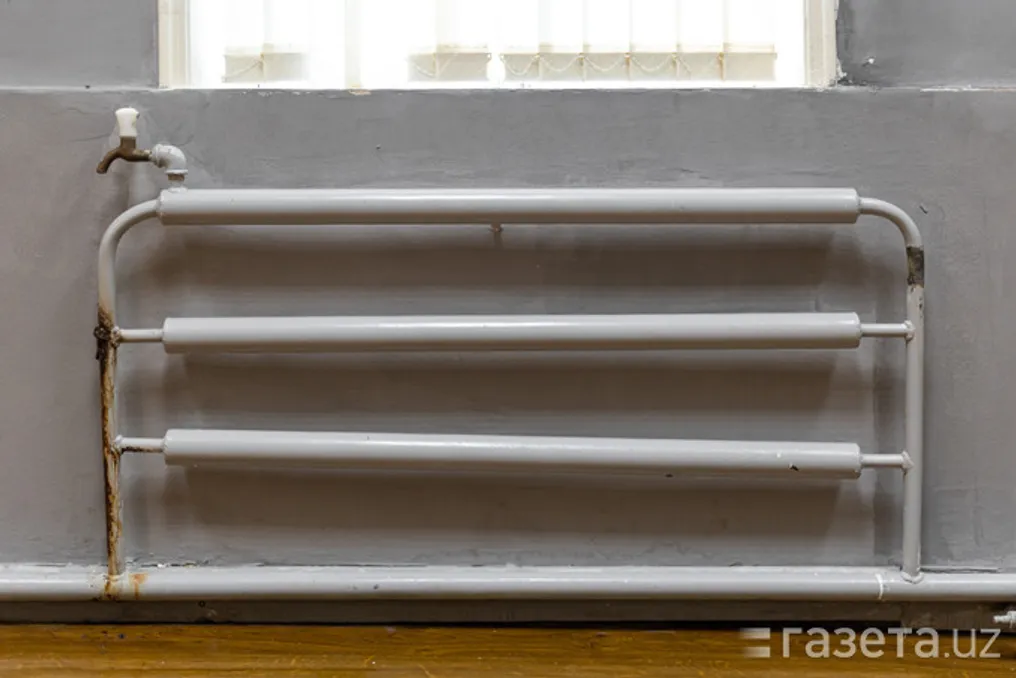
Climatologist Erkin Abdulakhatov, who heads the laboratory of the Scientific Hydrometeorological Institute, stated that centralized heating in residential and social institutions in Tashkent should be started on November 11. This conclusion is based on the analysis of October temperature data and current weather forecasts.
According to the specialist, between November 11 and 15, Uzbekistan will be affected by cold air masses, which could cause a significant drop in temperature. He also noted that existing norms for the start of the heating season do not fully reflect the features of modern climate.
October Weather
In the last decade of October, relatively cool air masses passed through Uzbekistan, slightly lowering the average daily temperature, which raised questions among apartment residents about the timing of heat activation. Nevertheless, the climatologist emphasized that October 2026 was generally warm: the minimum temperature in Tashkent never dropped below +4 degrees.
Even on the coolest days, from October 24 to 27, when morning temperatures fell to +5... +6 degrees, the average daily figures exceeded +11 degrees. Consequently, even on the coldest days of October, the conditions did not meet the established standard for the start of the heating season.
Historical Experience of Heating Season Start
Analysis over the last decade shows that in most cases (six out of ten), heating in the capital began in October. For example, in 2018 and 2021, the heating season started on October 12 and 13, respectively, due to the earlier arrival of cold weather. The latest start during this period was recorded in the 2017–2018 heating season, when heating began on November 10.
If heating in 2026 starts on November 11 or later, it will be the latest start of the heating season in the capital in the last ten years.
November Cold Snap Forecast
Uzhydromet forecasts indicate that Central Asia will maintain relatively warm weather at the beginning of November. However, cold air masses from the northwest, from the Volga region, will begin entering the region on November 9–10. From November 11, an anticyclone is expected to pass over Uzbekistan, whose center may reach a pressure of 1035 hectopascals.
According to the climatologist's assessment, this impact will last until November 15 and will cause the average daily temperature to fall below long-term climatic values. According to some foreign models, in Tashkent, the temperature from November 11 to 15 may be around +1... +2 degrees at night and +10... +13 degrees during the day. Uzhydromet forecasts also suggest that by November 11, the night temperature in the capital may drop to +1... +3 degrees, leading to an average daily temperature below +8 degrees. The specialist believes that Tashkent may experience a five-day period with such readings for the first time this season.
In light of this data, the climatologist insists on the need for phased introduction of heat into residential buildings and social institutions starting November 11, without waiting for the full onset of the cold snap.
Requirements of Current Regulations
According to Decree No. 194 of the Cabinet of Ministers dated July 15, 2014, the decision on the start and end of the heating season is made by the Council of Ministers of Karakalpakstan, regional khokimiyats, and Tashkent. Point 13 of the Rules for Providing Heat Supply Services in Apartment Buildings states that the heating period must begin after the day following the end of a five-day period when the average daily air temperature is below 8°C, and end when it rises above 8°C.
Thus, formally, heating should only be turned on after five consecutive days with a temperature below +8 degrees. However, Abdulakhatov suggests taking the predicted cold snap into account in advance to avoid a serious drop in indoor temperatures. The climatologist recalled that a similar norm existed in the rules approved by the government decree of the Uzbek SSR No. 497 of September 30, 1985.
According to him, the initial principle for determining the heating season dates was established in the 1960s–1970s when climatic changes were more predictable and long-term forecasting capabilities were limited, so decisions were made based on already recorded data. The specialist notes that the modern system does not always allow for prompt reaction to sudden weather changes, and that Tashkent authorities have not always strictly adhered to this five-day criterion in previous years.
Climatologist's Proposals for Changing Norms
Abdulakhatov believes it is necessary to revise the current rules for determining the heating season dates, taking into account climate shifts, the condition of housing stock, and modern concepts of comfortable indoor temperature. He highlighted several key reasons for this.
Climate Change
Against the backdrop of a general rise in autumn temperatures, sharp fluctuations are increasingly common: long periods of warmth can quickly give way to cold snaps. According to the expert's assessment, this complicates the body's adaptation to changing conditions.
Housing Condition
In many buildings constructed in the last century, insulation has deteriorated over time. This means that rooms can cool down quickly even with a short-term drop in outdoor temperature.
Furthermore, the climatologist believes that when determining the dates, one must consider not only the outside temperature but also the real living conditions of people, including the feeling of cold inside buildings. He argues that new standards should be based on a comprehensive assessment of meteorological factors such as temperature, humidity, wind speed, and solar radiation. When creating such norms, reliance should be placed on scientific research, local climatic features, international experience, as well as the influence of microclimate on public health and building integrity. The specialist emphasizes that timely provision of comfort is critically important not only for public health but also for maintaining economic activity and labor productivity.
Government Position
On October 26, the Tashkent khokimiyat notified that the start date of the heating season will be guided by the established temperature criterion, but actual weather conditions will also be taken into account. The administration stated that in case of a sharp cold snap, the decision to start heating will not be postponed.
The preparation of heat supply systems is carried out jointly with city services and the company Veolia Energy Tashkent. On November 4, Akhadxon Isakdjanov, Head of the Inspection for Control over Electricity, Petroleum Products, and Gas Use, reported that the connection of apartment buildings to centralized heating in Uzbekistan is expected by November 15. According to him, final decisions must be made by local khokimiyats based on data from hydrometeorological services.