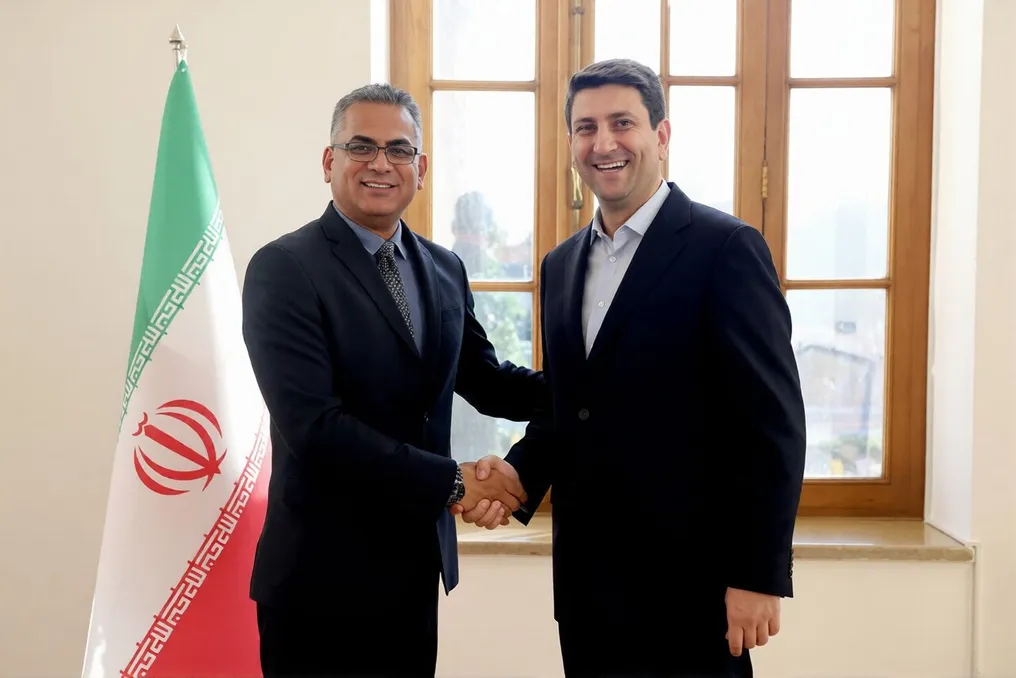
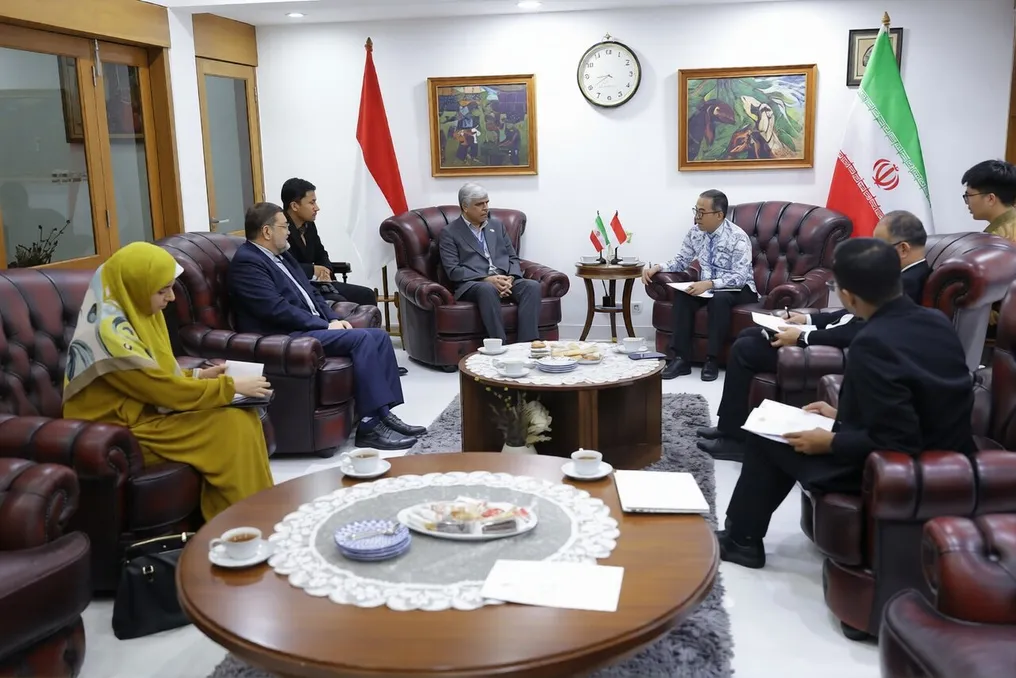
Iran and China Discuss Developing Cooperation in Digital Technologies
Read more
Tehran Times
www.tehrantimes.com

Iran and China Discuss Developing Cooperation in Digital Technologies

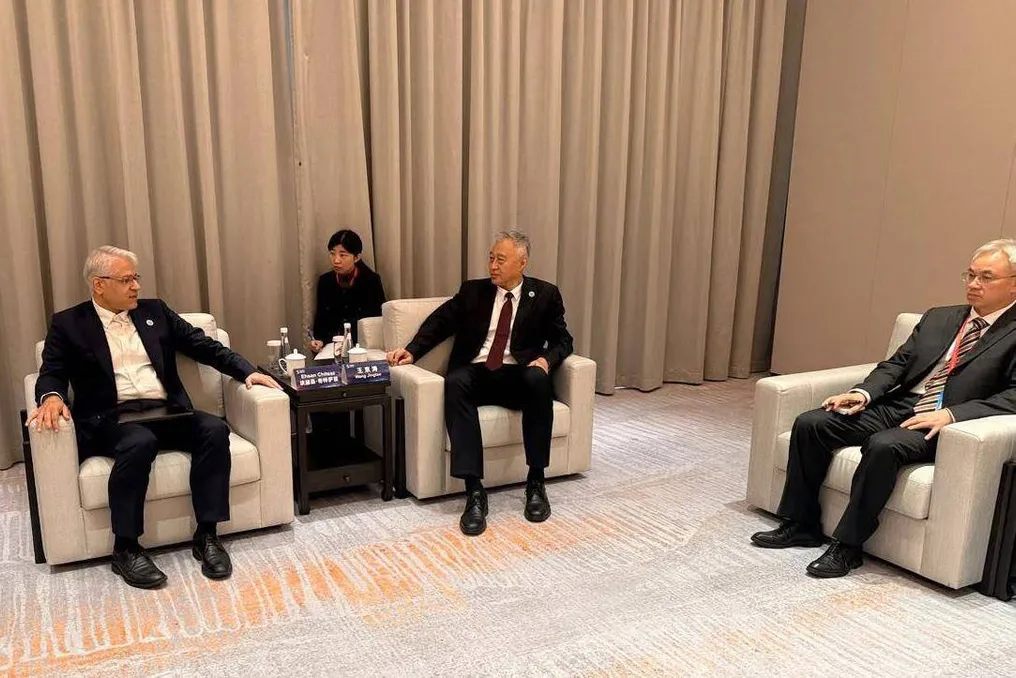
During the World Internet Conference (WIC) summit in Uzhichen, Zhejiang Province, a meeting took place between Ehsan Chitsaz, Deputy Minister of Information Technology, Communications, and Technology of Iran, and Juan Junwen, Director of China's Cyberspace Administration. These officials examined opportunities to strengthen interaction in the field of digital technologies.

The Iranian representative emphasized that the development of artificial intelligence (AI) and the digital economy are common priorities for both countries, stressing the need to transform existing potential into concrete, measurable, and time-bound projects.

Chitsaz, outlining the ministry's responsibilities in digital infrastructure development, cybersecurity, data management, AI, and social media platforms, expressed Iran's interest in joint efforts with China's Cyberspace Administration and proposed developing an action plan to deepen cooperation.

Key areas proposed by the Iranian side for improving interaction included experience exchange in regulating generative AI services, risk assessment, detection of AI-generated content, personal data protection, secure and lawful data transfer, and platform accountability.

Initial steps toward practical implementation of specialized cooperation between the two states were identified as conducting joint training courses for experts and regulators, as well as implementing pilot projects. Chitsaz noted that current interaction between specialized institutions in Iran and China will help stimulate innovation, increase public trust, and open new business opportunities in the digital economy.

The WIC Wuzhen summit was held from November 2 to 5 and gathered about 1800 delegates from 138 countries and regions. Central discussions focused on open-source AI, AI governance and security, advanced technologies, and digital cooperation. The conference highlighted a collective commitment to a more inclusive and collaborative digital future, emphasizing open-source AI and international cooperation.

Similar stories

Iran and Japan Discuss Expansion of Scientific and Technical Cooperation
Read more
www.tehrantimes.com

Iran and Japan Discuss Expansion of Scientific and Technical Cooperation

Iran and Japan held discussions aimed at strengthening scientific and technological interaction through joint programs and more active utilization of both countries' research potential.

During the meeting on Monday, Mohammad-Reza Nazeri, Iran's new ambassador to Tokyo, and Amir-Hossein Mirabadi, head of the Organization for the Development of International Cooperation in Science and Technology, explored opportunities to expand bilateral partnership, according to Mehr News Agency. The main focus was on developing joint programs and effectively applying the scientific and technological capabilities of each country.

In January, Japanese Ambassador Tamaki Tsukada emphasized the need to strengthen scientific ties with Iranian universities in various fields, especially in new technologies, artificial intelligence (AI), and advanced materials. According to Tsukada, science and industry are the main indicators of power in the 21st century and play a crucial role in scientific diplomacy.

These statements were made during a meeting with Mahmoud Shokrikh, Rector of the University of Science and Technology of Iran (IUST). The ambassador noted that Iran's scientific capabilities and potential have never been fully presented to Japan, and that this is his primary task. He also stated his readiness to facilitate interaction between IUST and Japanese universities.

For his part, Shokrikh detailed the university's achievements in science, research, and industry. He proposed faculty and student exchanges, joint educational courses and scientific projects, the creation of shared laboratories, and cooperation in science and technology parks.

Referring to the consortium of five leading Iranian technological universities—University of Tehran, Tehran Medical University, Amkirabi University of Technology, Sharif University of Technology, and Iran Medical University (UT5)—the official representative stated that this consortium could form the basis for expanding scientific contacts between top Iranian technological universities and Japanese universities, which was positively received by the Japanese side.

In 2025, Ehsan Chitsaz, Deputy Minister of Information, Communications, and Technology (ICT), and Takuo Imagwa, Vice Minister of Japan for International Affairs and Communications, stressed the necessity of increasing technological cooperation in key sectors, including AI, the digital economy, and the development of sustainable communication infrastructure.

During the meeting held in Tokyo, officials examined ways to further improve cooperation. Topics discussed included the establishment of an 'Iran-Japan Center for Digital Innovation,' joint policy development for new technologies such as artificial intelligence, big data, and platform regulation, as well as training specialists in the digital economy through joint university courses.

In turn, Takuo announced Japan's readiness to develop digital ties with Iran, noting that Iran is following a path of digital transformation while considering local and long-term aspects. Japan supports this approach and is ready to implement joint projects after evaluating Iran's constructive proposals. The parties also agreed to establish a joint executive working group to monitor the implementation of the agreements reached.

Tehran and New Delhi hold talks on deepening technological cooperation
Read more
www.tehrantimes.com

Tehran and New Delhi hold talks on deepening technological cooperation

Iran and India discussed opportunities to expand interaction in the field of information and communication technologies (ICT), promote specialized exchanges, and strengthen coordination in international forums.

The Minister of ICT, Sattar Hashemi, and the Indian Ambassador to Iran, Vishvesh Negi, met on Saturday to explore the potential of the two countries for joint projects in this area, according to Mehr News Agency.

Discussions focused on identifying opportunities for cooperation between state structures and private ICT actors, improving professional interaction, and more actively utilizing the scientific, technical, and technological potential of both countries.

Given the regional and international status of Iran and India, both sides emphasized the need to develop cooperation and coordination in specialized international forums and organizations, especially concerning the ICT sector.

Officials also noted the importance of aligning views, participating in current consultations, and strengthening joint initiatives to ensure a more effective presence on the world stage. Ultimately, the parties agreed to continue the dialogue, monitor the implementation of discussed issues, and strengthen ties in areas of mutual interest.

In February, Hashemi, meeting with the Indian Minister of Electronics and Information Technology, Jitendra Prasad, stated his country's readiness to expand scientific and technical ties with India in crucial areas, including artificial intelligence (AI), cybersecurity, and the digital economy.

The meeting took place on the sidelines of the AI Influence Summit in India 2026, which was held in person at Bharat Mandapam, New Delhi, from February 16 to 20, according to IRIB.

During this meeting, Hashemi highlighted the capabilities of both sides in new technologies. He noted Iran's strong scientific and human infrastructure, stating that the country has made significant progress in developing modern technologies.

Furthermore, he emphasized that India is one of the world's software development hubs, a powerful nation with high potential in IT, cybersecurity, and AI development and export. Thus, developing technological ties between the two states will lead to the formation of a digital superpower.

According to Hashemi, enhancing interaction with the private sector is one of the main priorities. He expressed interest in developing operational cooperation in large language models (LLMs), creating a joint AI platform for agriculture, and establishing innovation centers for applying AI in various fields.

Highlighting the importance of protecting critical infrastructure in the coming years and India's capacity in training qualified personnel, Hashemi announced Iran's readiness to share expertise on cyber threats, combating new malware, and strengthening financial security.

The ICT Minister also proposed creating a joint fund to support Iranian and Indian startups, holding joint technological events, talent exchange programs, allocating special zones in both countries' tech parks, and simplifying the issuance of 'tehviz' for IT specialists as practical ways to stimulate cooperation.

For his part, Prasad emphasized the need to expand partnership, noting that India is ready to deepen relations with Iran through knowledge sharing in AI and cybersecurity, conducting specialist training seminars, and initiating operational cooperation in joint technological projects.

Prasad added that establishing joint innovation centers and exchanging experts would help accelerate technological development in both countries, strengthen digital infrastructure, and enhance data security.

Iran and Indonesia aim to strengthen scientific and technological cooperation
Read more
www.tehrantimes.com

Iran and Indonesia aim to strengthen scientific and technological cooperation

Iran and Indonesia have explored opportunities to expand scientific and technological interaction, with a particular focus on establishing science and technology parks, as well as strengthening academic and research ties.

A meeting took place in Jakarta on October 23 between Esfandiar Ekhtiarari, Deputy Minister of Science, Research, and Technology of Iran, and Brian Yuliarto, Minister of Higher Education, Science, and Technology of Indonesia. The goal of the negotiations was to discuss cooperation through the exchange of teachers and students, as well as the more active utilization of the scientific and research potential of both countries, according to Mehr News Agency.

Ekhtiarari presented Iran's achievements in science, describing the country's infrastructure, including the Artificial Intelligence Center at Sharif University of Technology, the Institute of Laser and Plasma Research at Shahid Beheshti University, the satellite monitoring center at the Iranian University of Science and Technology, the quantum laboratory at Isfahan University of Technology, IT centers in other universities, and the Pasteur Institute of Iran.

He noted that these facilities were subjected to attacks during what he termed the US war against Iran, condemning these attacks and asserting that they were aimed at undermining the country's scientific and technological progress. Furthermore, the official representative announced Iran's readiness to provide and transfer expertise for the creation of science and technology parks that would support the development of Indonesia's innovation ecosystem.

For his part, Yuliarto condemned the attacks on scientific institutions, emphasizing that Indonesia rejects any form of aggression and colonialism. He stated that the partnership between the two sides is aimed at strengthening national technological potential and inter-academic research ecosystems.

According to Yuliarto, 'we are very pleased to have the opportunity to invite leading professors from Iran to work as visiting professors in Indonesian universities. This step is expected to significantly accelerate and improve the quality of scientific and technological cooperation between Indonesia and Iran,' quotes topik.id Yuliarto.

Addressing Iran's capabilities in science and technology sectors, the official stressed the importance of exchanging technological experience and expanding scientific contacts. The partnership also includes the commercialization and further development of research results. The sides also discussed the creation and development of high-tech startups in the fields of renewable energy and aerospace.

Both countries agreed to move the outcomes of the initial dialogue to technical discussions. The next step will be the development and signing of a Memorandum of Understanding (MOU) between the ministries responsible for higher education in both countries. This document is intended to serve as the legal basis and operational framework for faculty and student exchanges, student mobility, and joint research funding, involving leading universities in Indonesia and Iran.

Expansion of Scientific Cooperation

In August, Sharif University of Technology and Bandung Institute of Technology (Indonesia) signed a memorandum of understanding to deepen scientific, research, and educational cooperation, exchange of faculty, researchers, and students, and implementation of joint research projects. This memorandum aims to strengthen scientific and academic interaction between the two universities, explore the potential for technological cooperation and technology commercialization, as reported by IRNA. Accordingly, the faculties and faculty members of both universities can identify areas of common research interest and cooperate in implementing specific projects.

The agreement focuses on the exchange of scientific resources and information, conducting joint conferences, educational seminars, and symposiums, carrying out short-term scientific visits, as well as developing joint educational programs and curricula. Additionally, the agreement provides postgraduate students with the opportunity to study abroad, use library resources of partner universities, and conduct field research.

On the sidelines of the 13th BRICS Ministers of Education meeting, held from August 5 to 7 in Odisha, India, Masoud Shams-Bakhsh, Acting Minister of Science, Research, and Technology of Iran, and Yuliarto held a meeting to explore ways to develop scientific and technological cooperation. Both sides discussed ways to develop scientific collaborations, especially in the field of new technologies.

During this meeting, Yuliarto detailed Indonesia's scientific capabilities, particularly in the fields of science, technology, engineering, and mathematics, expressing Jakarta's readiness to implement joint research projects, exchange faculty and postgraduate students, provide unpaid leave, and organize short-term courses in cooperation with Tehran. The Indonesian official invited Minister of Science, Research, and Technology Hossein Simai-Sarraf and Shams-Bakhsh to visit Indonesia.

In turn, Shams-Bakhsh emphasized that the long-standing cultural, historical, and religious ties between the two countries have laid a natural, deep, and strong foundation for expanding educational and research cooperation. Key areas of discussion included increasing the number of scholarships, expanding scholarship exchanges, developing joint educational courses, conducting research on climate change, food security, renewable energy, and agriculture.

The sides also discussed including more Iranian universities in the BRICS University Network, based on Indonesia's experience. They noted the signing of a memorandum of understanding for the prompt implementation of the agreements reached.

On July 15, the Iranian National Science Foundation (INSF) and the Indonesian National Research and Innovation Agency (BRIN) held a joint webinar titled 'Promoting Scientific Research Cooperation between Iran and Indonesia: Strategic Opportunities Ahead' on Wednesday. The event was organized to explore ways to expand scientific and research interaction between scientists and scientific institutions of the two countries. The webinar began with opening remarks by INSF President Morteza Hormozinejad and Vice Chairman for Research and Innovation Promotion Agus Haryno.

Experts and professors from both countries in the health, water security, and environment sectors also gave lectures. This event served as an excellent opportunity to promote scientific ties, expand research cooperation, and develop joint projects between Iran and Indonesia.

In December 2025, Rolliansya Sumirat, the Indonesian Ambassador to Tehran, stated that the new Indonesian government intends to develop scientific and technological ties with Iran, highlighting Iran's extensive capabilities in science and technology. According to him, 'the administration expects to expand international cooperation, especially in the field of science and technology, which opens up new opportunities for interaction between the two countries. The main focus of the interaction will be on technology and new development exchange, as well as stimulating technological cooperation,' quotes IRNA Sumirat.
Popular