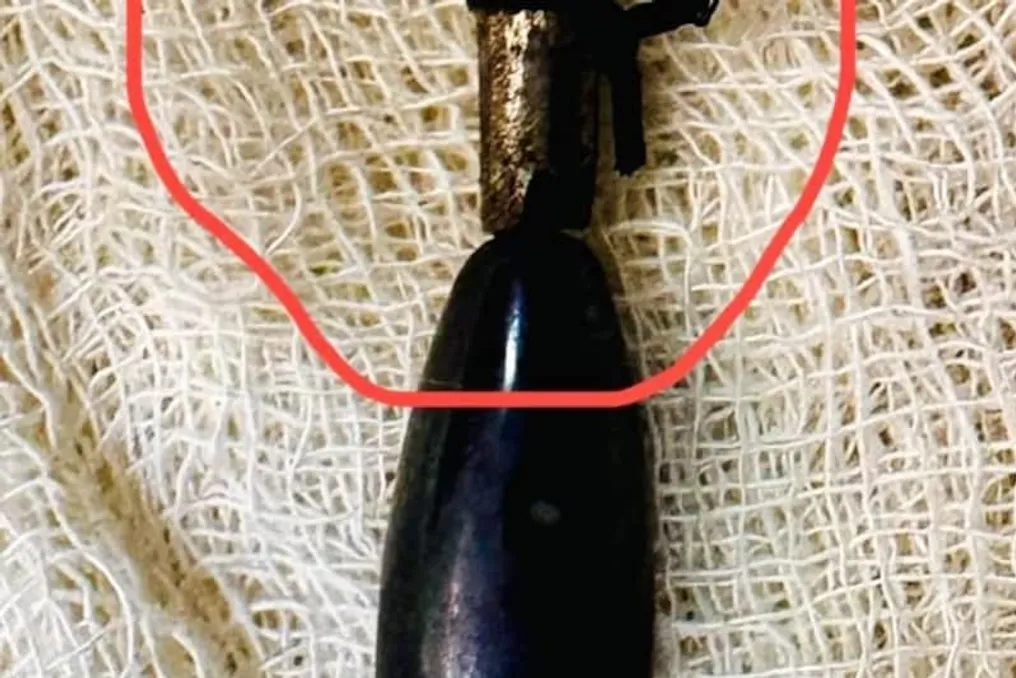
A large magnet became lodged in the airways of a six-year-old child in Calcutta, causing breathing difficulties and potentially leading to a fatal outcome. However, doctors managed to extract this large magnet using a tiny 3-millimeter magnet, avoiding surgical intervention. As a result, the child survived and is gradually recovering.
This incident occurred at the Medical College and Hospital in Calcutta. Specialists from the hospital's ENT department performed this complex procedure. The parents brought the child to the hospital after noticing difficulty in breathing. Examination revealed that the large magnet was stuck in the child's airways, necessitating urgent intervention.
The doctors first stabilized the child's condition and then attempted to remove the magnet using bronchoscopy. Bronchoscopy is a method of examining the airways using a thin tube and camera to visualize and remove foreign bodies. Nevertheless, due to the magnet's large size and structural characteristics, it was firmly lodged in the airways and could not be removed.
Following this, the medical team adopted a different approach. They prepared a special small magnet measuring 3 millimeters in length. This magnet was attached to the end of forceps used during bronchoscopy. A small passage in the front of the airways, known as a tracheostomy, was created. Equipment was passed through this passage, which allowed for the extraction of the large magnet. After the magnet was removed, air began to flow into the child's lungs again. The child was hospitalized in the pediatric intensive care unit, where he is under the observation of pediatric doctors.
The procedure involved a team of doctors, including Dr. Soumendranath Bandyopadhyay, head of the ENT department, and Dr. Debashish Ghosh from the anesthesiology department. The doctors warn parents that children should keep away from small magnets and toys with similar components. They also advise seeking immediate medical attention if a child exhibits symptoms such as something getting stuck in the throat, persistent coughing, breathing problems, or sudden changes in voice.