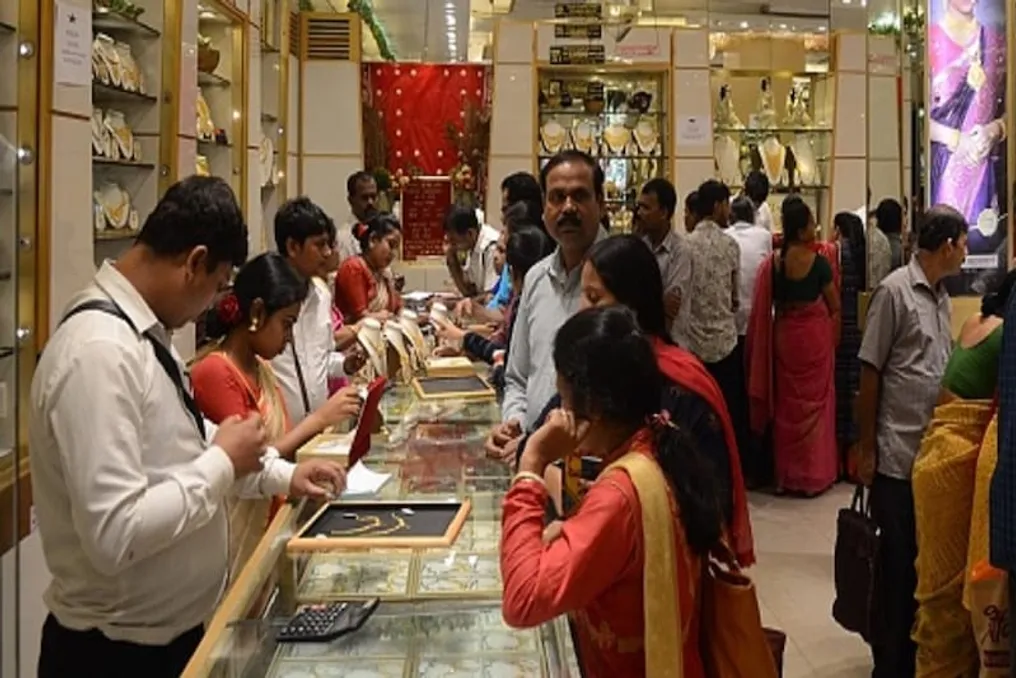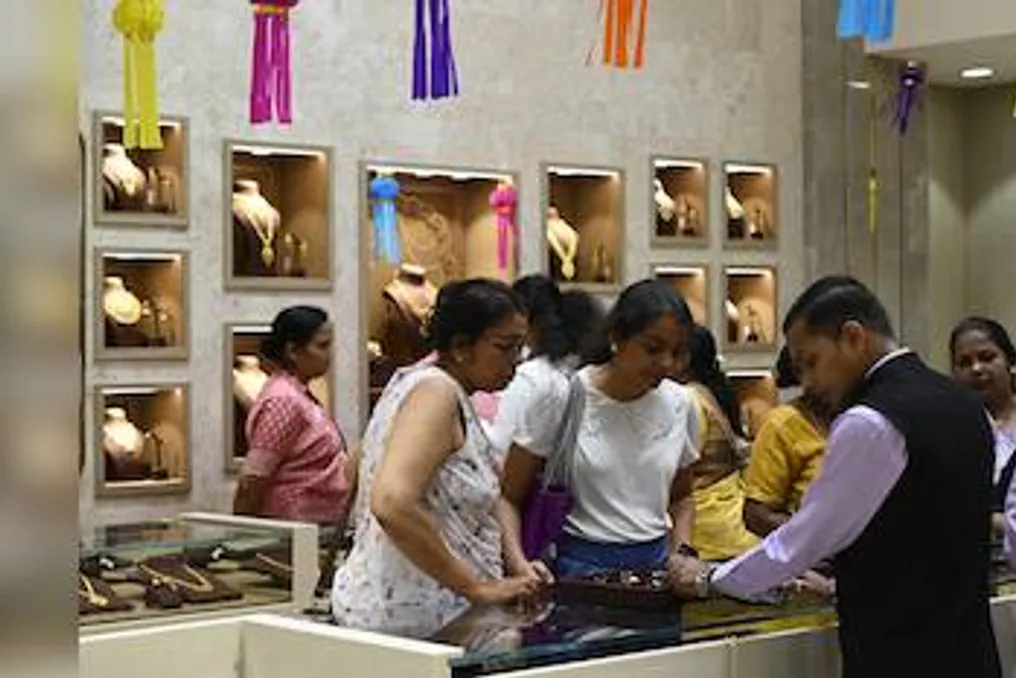
Jewelry companies noted high visitor traffic and increased sales during Dhanteras as gold prices fell after reaching peak levels. The rise in demand was also driven by wedding purchases, old gold exchanges, and the popularity of lightweight jewelry.
During Dhanteras, jewelers observed a significant influx of customers, aided by the decrease in gold prices and the ongoing trend of exchanging old ornaments. Furthermore, there was heightened demand ahead of the upcoming wedding season.
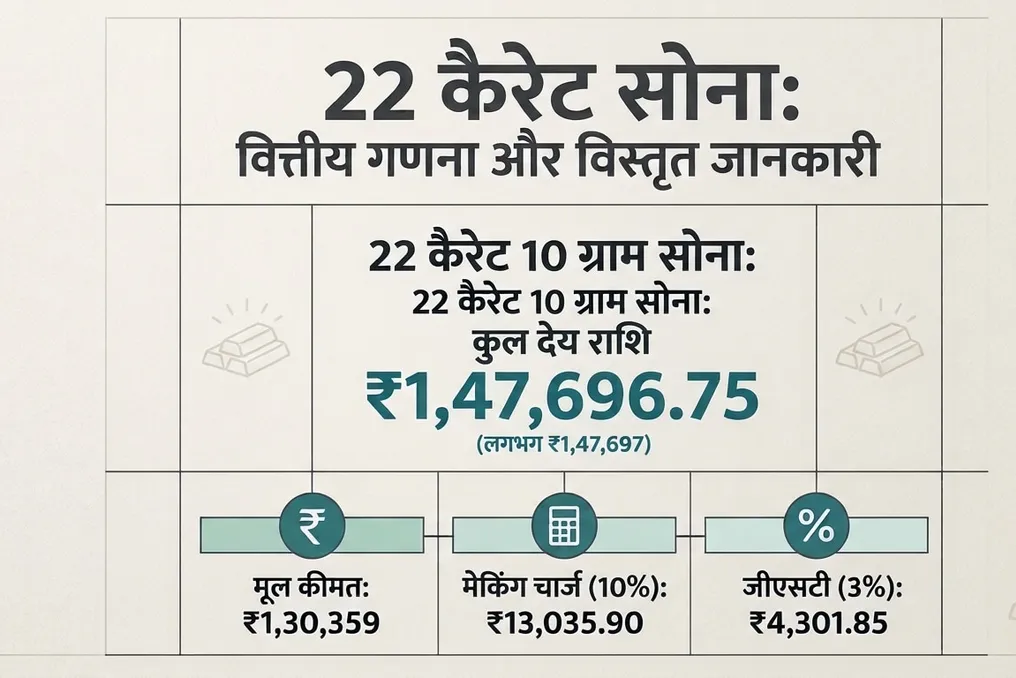
Ramesh Kalyaraman, CEO of Kalyan Jewellers, noted strong consumer enthusiasm in the market during the festival, emphasizing that the correction in gold prices provided an additional boost to festive purchases. He reported that the price of 22-karat gold dropped by 235 rupees per gram, falling from 13,385 rupees the previous day to 13,150 rupees on the current day. Kalyan Jewellers applies a uniform gold pricing policy across India, ensuring transparency for buyers.
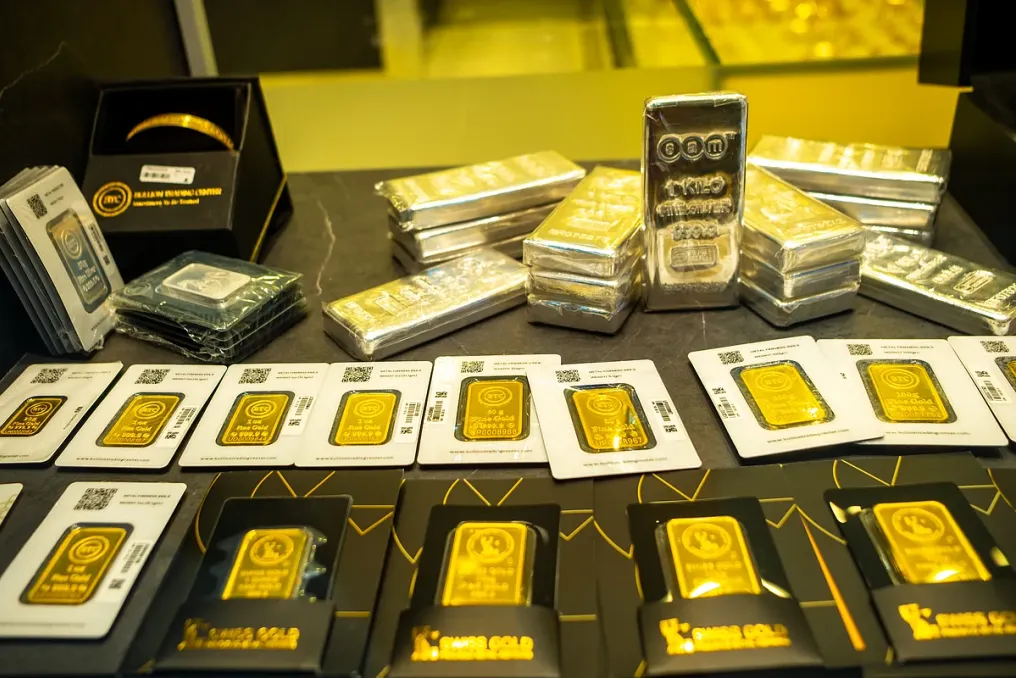
Kalyaraman also added that the company is observing a growing preference for lighter ornaments, including bracelets, chains, and pendants, as well as small coins and silver artifacts made of gold and silver. He pointed out that this festive season shows a noticeable increase in the contribution of second and third-tier markets to overall consumer demand. Cities such as Jaipur, Dehradun, Surat, Belgaum, Ara, and Raipur are demonstrating particularly encouraging activity, attracting new buyers. Even in major metropolitan areas, certain neighborhoods and suburban zones are becoming strong consumption centers, such as Purushawalkam in Chennai, Chembur in Mumbai, and Karol Bagh in Delhi.
Similar sentiments were observed at Zaveri Bazaar in Mumbai, where demand for both bullion and jewelry exceeded last year's figures by 40 percent. Kumar Jain, a representative of the India Bullion and Jewellers Association, mentioned starting work early in the morning despite the usual noon opening. He also noted high demand related to the wedding season, with equal interest in bullion and jewelry, as investors aim to acquire assets at lower prices in anticipation of further growth.
In Mumbai, 24-karat gold was priced at 149,000 rupees per 10 grams, while 22-karat gold was valued at 137,500 rupees. Previously, the price of 24-karat gold had reached a peak of 180,000 rupees per 10 grams.
SAURAB GADGIL, Chairman and Managing Director of PNG Jewellers, stated that store footfall was high, and even though the day was not over, early signs were promising. Industry forecasts indicate a productivity increase of 25–30 percent compared to last year, supported by the price decline, strong pre-Dhanteras bookings, and long holidays before Diwali. He also mentioned that supplies are planned throughout the festival.
Gadgil added that there is high demand for wedding and temple jewelry, as well as light and everyday pieces made of gold and diamonds, with 18-karat and 14-karat designs selling particularly well. High demand was also seen for silver items. Regarding inquiries from second and third-tier cities, he noted that the exchange of old gold plays a significant role. He concluded that sentiment across the country looks strong, and the company is prepared for a great festive season.
At Kama Jewelry, customers preferred light jewelry with stones, with 18-karat items accounting for about half of sales, and 14-karat and 9-karat making up the rest, depending on purchasing power. Colin Shah, Managing Director of Kama Jewelry, reported that heavy jewelry also showed selective sales and bookings in anticipation of the wedding season, and coins weighing from 1 to 5 grams maintained steady interest. Overall, jewelry sales demonstrated a significant growth of 10 percent compared to previous periods, reflecting increased buyer confidence.