When imagining future space travel, such as a direct flight to Mars, a silent and dangerous risk emerges: solar storms. Millions of kilometers from Earth, a large amount of energetic particles can pass through space toward the spacecraft, posing a serious health risk to the occupants, even without visible signs like smoke or explosion.
This fundamental challenge of long space missions lies in how to safeguard astronauts against this invisible threat. Tiny particles, smaller than an atom, have the potential to cause significant damage to human health.
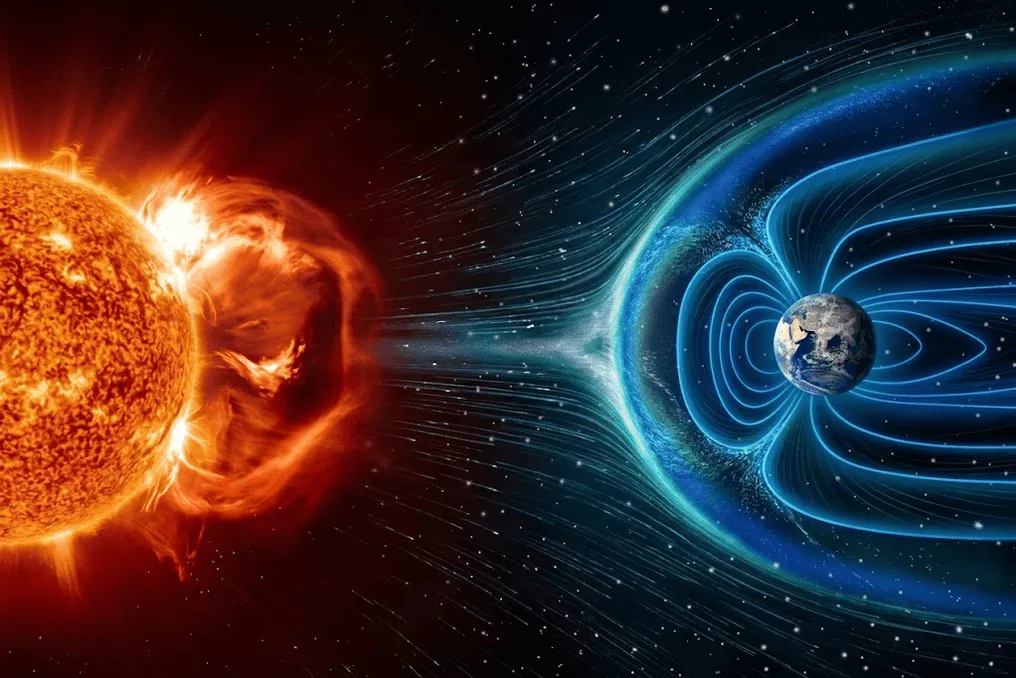
On Earth, protection is guaranteed by the atmosphere, which absorbs much of the radiation, and by the Earth's magnetic field, which deflects many charged particles. However, when we move away from this natural defense, these particles can strike the crew directly, potentially causing acute effects or increasing the risk of cancer and other long-term illnesses.
There are two main types of radiation to consider. The first consists of energetic particles emitted by the Sun, especially during intense solar flares and storms, which can expose astronauts to dangerous doses in short periods. The second challenge is galactic cosmic rays, high-energy particles originating from outside the Solar System, some of which are atomic nuclei traveling almost at the speed of light, making them particularly difficult to block.
To protect future space explorers, hydrogen, the lightest atom, emerges as a crucial ally. It is highly effective in reducing the energy of certain harmful particles, such as high-energy protons and ions present in cosmic rays. Thus, materials like water and hydrogen-rich polymers can be used to protect astronauts.
A promising approach involves using materials already aboard the spacecraft. Water tanks, for example, can be placed around the areas inhabited by the crew, just as food and equipment can be strategically distributed to reinforce shielding.
A test conducted on the International Space Station demonstrated that a barrier composed of hydrated materials, with a thickness equivalent to about six centimeters of pure water, managed to reduce the equivalent radiation dose measured by researchers by approximately 37%. However, it is observed that simply increasing the thickness of the shielding does not always result in a proportional increase in protection, as the collision of more potent cosmic rays with the shielding can generate secondary particles, requiring more than just surrounding the ship with water.
Research is also exploring the conversion of plastic waste into shielding materials. Instead of discarding packaging, a future mission could recycle it to create protective parts. Furthermore, scientists are studying water-based materials, such as 3D-printed hydrogels, envisioning astronauts protected by a gelatinous substance.
Another vital measure is establishing a shelter against solar storms. The idea is to designate a section of the spacecraft that can be surrounded by water, supplies, and other protective materials. Upon detecting a dangerous solar event, astronauts would take refuge in this compartment until the situation improved.
Specialized protective clothing, such as the AstroRad vest, developed to mitigate bodily exposure to specific energetic particles, is also being tested. Experiments conducted during Artemis I, during the flight around the Moon, helped assess the effectiveness of this equipment, although a vest does not replace spacecraft shielding, and solutions must balance protection, weight, and mobility.
Considering the possibility of deflecting radiation, magnetic shielding arises. Since many dangerous particles carry an electric charge, intense magnetic fields could alter their trajectories, diverting them away from the astronauts, following the principle of the Earth's magnetic shield. The obstacle lies in replicating this on a spacecraft, requiring complex systems with superconducting magnets that generate strong fields without adding mass or consuming excessive energy; research is advancing, but a compact and reliable shield is still distant.
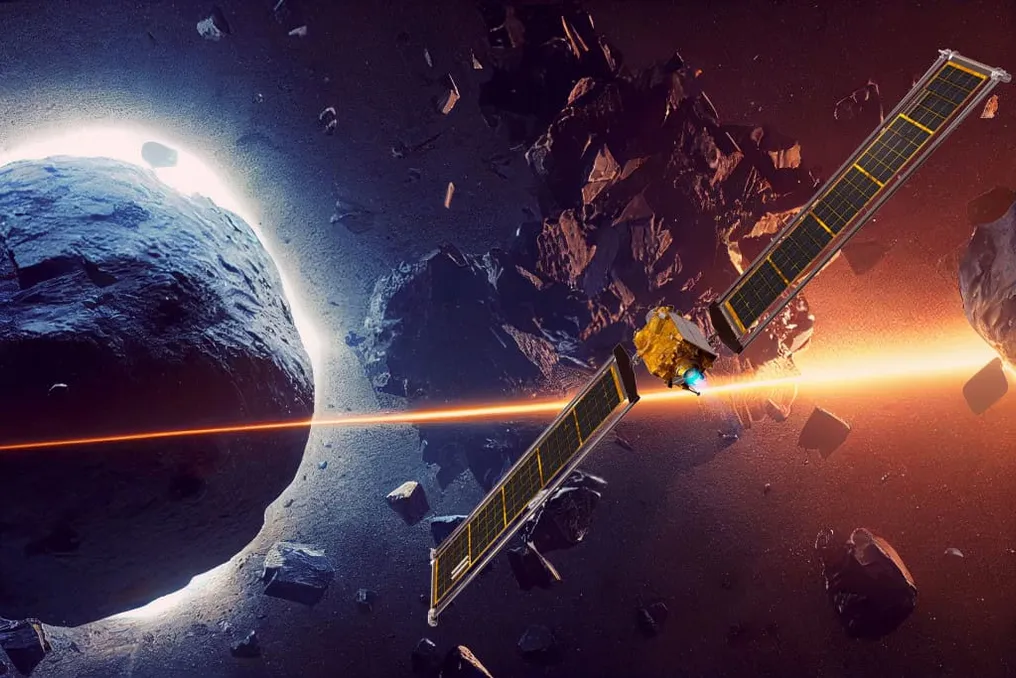
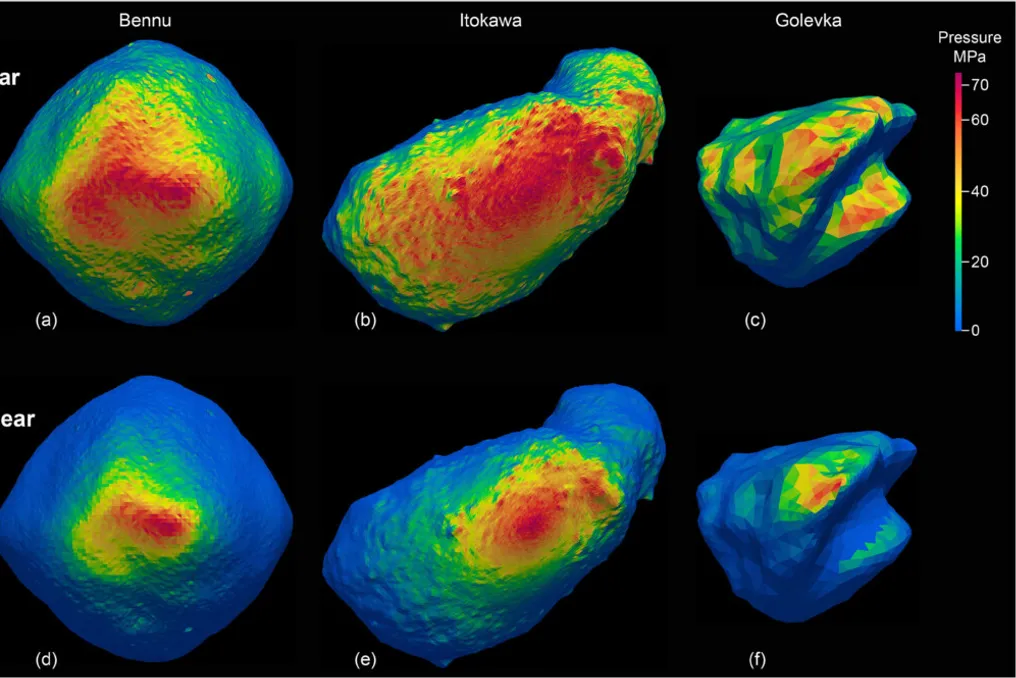
A more radical proposal suggests not using shielding, but rather utilizing the protection of a celestial body by installing a shelter inside an asteroid. The rock itself would serve as a natural barrier. Although physically grounded, the application is extremely complex, requiring finding a suitable asteroid, reaching it, constructing an internal shelter, and transforming it into a type of orbital space shuttle, not to mention that secondary cosmic ray particles could still pose a risk even under thick rock.
It is concluded that no single solution solves the problem; protection in the first interplanetary journeys will likely require a combination of appropriate materials, continuous monitoring, shelters for solar events, and, in the future, radiation deflection technologies.
Although many wish to leave the planet quickly, space radiation represents a greater health risk than terrestrial political disputes. While scientists seek safe methods to explore space, it becomes essential to solve the problems on the known planet, which offers all the necessary conditions to sustain life and peace.