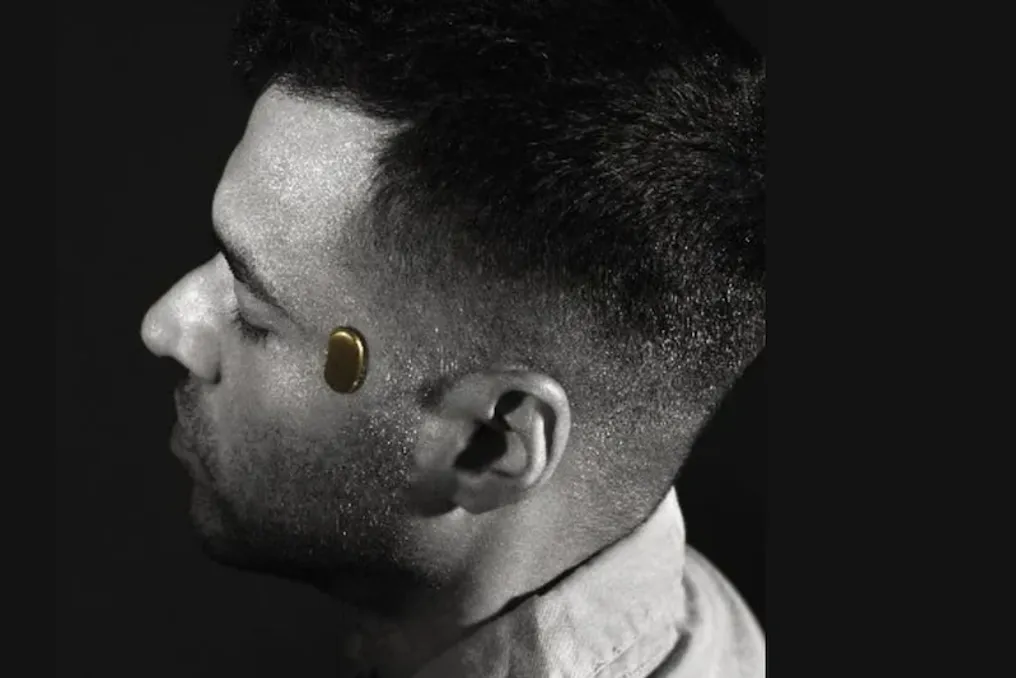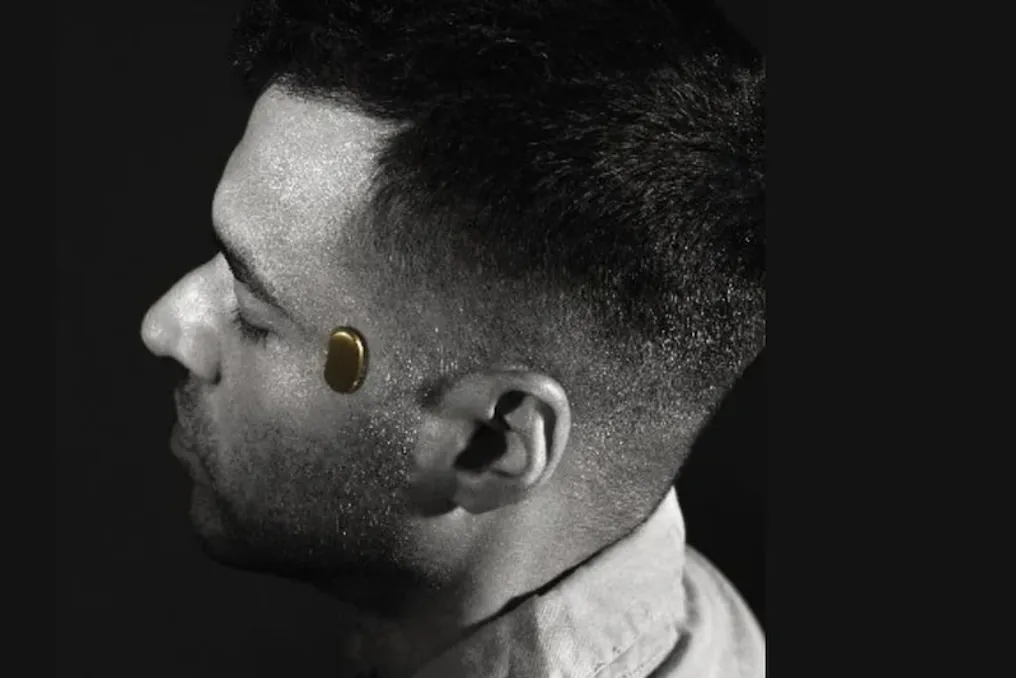
Currently, people are actively using various gadgets, such as fitness trackers and smartwatches, to monitor their health by tracking heart rate, sleep, and distance covered. However, it is now being claimed that a small device worn on the forehead can show how blood circulation in the brain is progressing and what the overall state of the brain is.
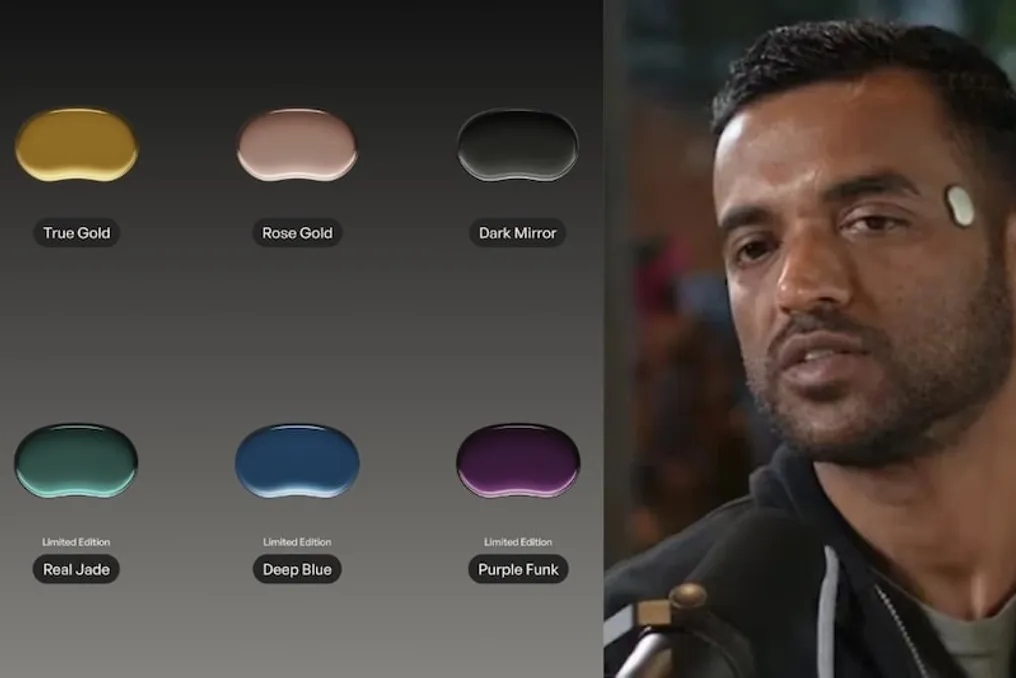
This gadget is called TEMPLE. It is claimed to be equipped with a feature called 'Entropy Score,' which can indicate the level of mental stress. The gadget has attracted attention due to Dipinder Goel, the founder of the food delivery company Zomato, who presented Temple with these claims. The cost of the device is set at 85 thousand rupees.
Nevertheless, doctors have expressed doubts regarding the technology of the device and its stated characteristics. Therefore, it is important to understand what Temple is and how credible its claims are.
Temple is a compact wearable device that attaches to the forehead. Unlike regular smartwatches, which are limited to displaying data on pulse, sleep, or physical activity, the company claims that Temple is capable of tracking changes related to blood flow and oxygen in the brain, allowing for an assessment of brain health. Goel reported that over 280 million rupees were spent on the development of this project, including $20 million from his own funds. He also noted that a preliminary study on the device will soon be published, followed by additional scientific research so that users can only apply it after receiving complete information.
188 Crore Rupees Investment Does Not Prove Technological Sophistication
The main concern of doctors regarding Temple is the lack of evidence and justification for its claims. Experts emphasize that spending huge sums of money on developing technology and scientifically confirming it are two different processes, and not all statements made about this device may be true.
Currently, the company positions Temple not as a medical diagnostic tool, but as a wellness and research product. Consequently, treatment decisions cannot be made or diseases diagnosed based on data obtained from this device. Doctors share this concern, pointing out that claims about the device's accuracy cannot be considered fully reliable until all necessary scientific checks have been conducted.
Neurologist Dr. Rahul Chawla also raised the issue of the scientific basis underlying this device in an interview with India Today. He stated that currently, nothing definitive can be said about the claims regarding Temple. The manufacturing company has not yet disclosed what clinical trials it is conducting. Additional research and more information about this device are currently required.