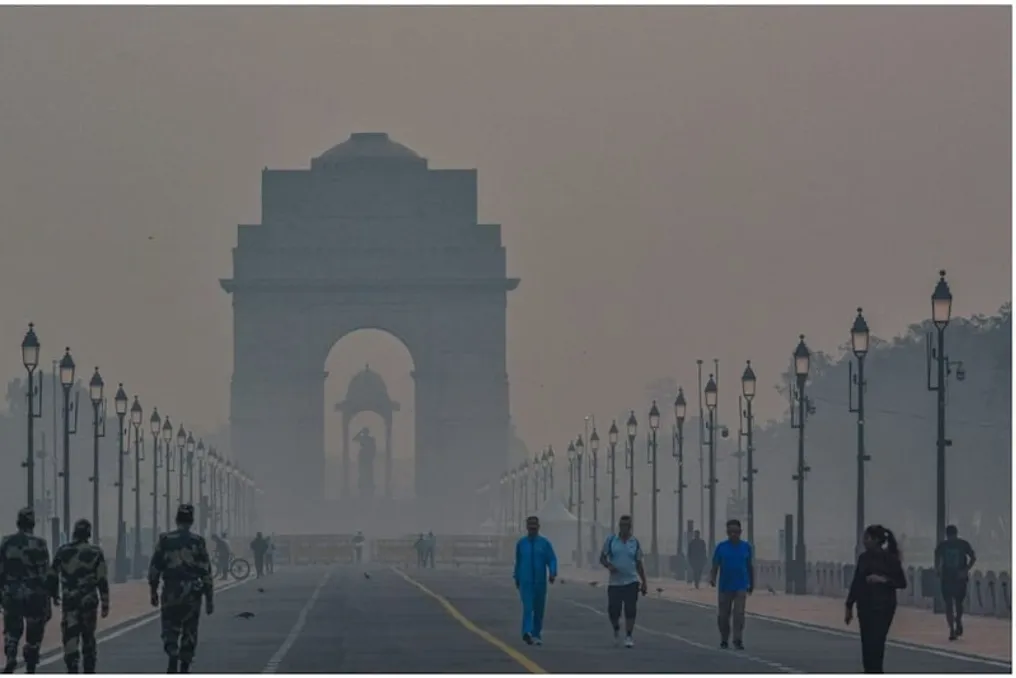
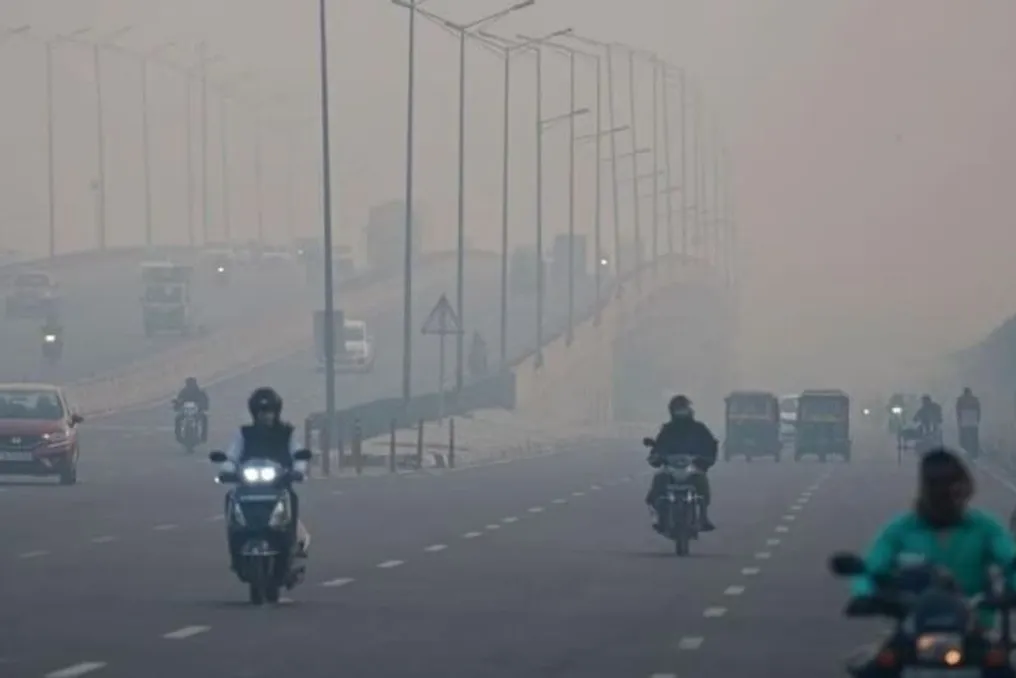
Air pollution levels in Delhi continue to rise, reaching an AQI above 300, which has led to the introduction of the second stage of the Graded Response Action Plan (GRAP-2). Previously, GRAP-1 restrictions were in effect, but the increase in pollution necessitated a transition to a stricter regime.
GRAP is a plan by the Commission for Air Quality Management that provides for the implementation of various measures to prevent pollution. This plan includes four stages of restrictions, and the second stage is currently activated.
On Monday, air quality in Delhi deteriorated and entered the 'very poor' category. By 4:00 PM, the AQI reached 324. Following this, officials decided to implement second-stage GRAP restrictions across the National Capital Region (NCR). On that day, the maximum temperature in Delhi was 29.5 degrees Celsius. This is the first time this season that the air quality index in Delhi has fallen into the 'very poor' category. In the morning on Monday, the AQI was 312, and it rose to 324 by evening.
It should be noted that on September 28, 2026, changes were made to the GRAP rules during a CAQM meeting. At that time, some measures previously belonging to Stage 2 were moved to Stage 1. These measures concern dust control, solid waste management, and transport. For example, measures related to the entry of diesel generator sets (DGS) and buses of BS-IV standard or older from the NCR and neighboring states were moved from Stage-2 to Stage-1.
What does the second stage of GRAP entail?
Under Stage-2, all measures in effect under Stage-1 are maintained. Furthermore, government bodies will intensify monitoring of pollution. Daily cleaning using mechanical and vacuum methods will be carried out on the streets, and dust suppressants will be sprayed along with water to suppress dust. Special campaigns will be launched in areas with high pollution levels, and inspections of dust control compliance at construction sites will be intensified.
To reduce the use of private transport, an increase in parking fees is planned. Citizens are advised to use public transport, and those whose jobs allow it, to work from home. Established restrictions on the use of wood and coal are also being applied.
What restrictions are in place under GRAP-2?
At this stage, there is no provision for closing schools and colleges, mandatory implementation of remote work in all private offices, or banning BS-III gasoline and BS-IV diesel vehicles. However, certain restrictions remain in place for construction work, including requirements for building coverage. There is no mandatory rule for companies regarding working with 50% of employees.
Since the restrictions were moved from Stage-2 to Stage-1, they remain in force. The following measures are in effect under Stage 1 of GRAP: a ban on open burning of leaves, garbage, and other waste. Construction sites must prevent dust generation and adhere to rules for storing and covering construction materials to avoid dust; violation of these norms may result in sanctions. Construction debris cannot be dumped in open areas.
It is also prohibited to operate vehicles that violate environmental standards. A valid PUC certificate must be held, and all applicable regulations regarding pollution must be observed. Intercity buses of BS-IV standard or older are not allowed into the Delhi-NCR territory. The operation of diesel generator sets must comply with established rules, not be arbitrary. Established measures for dust control, solid waste management, and transport continue to be in effect. Additionally, parking fees have been increased, except for metro parking.