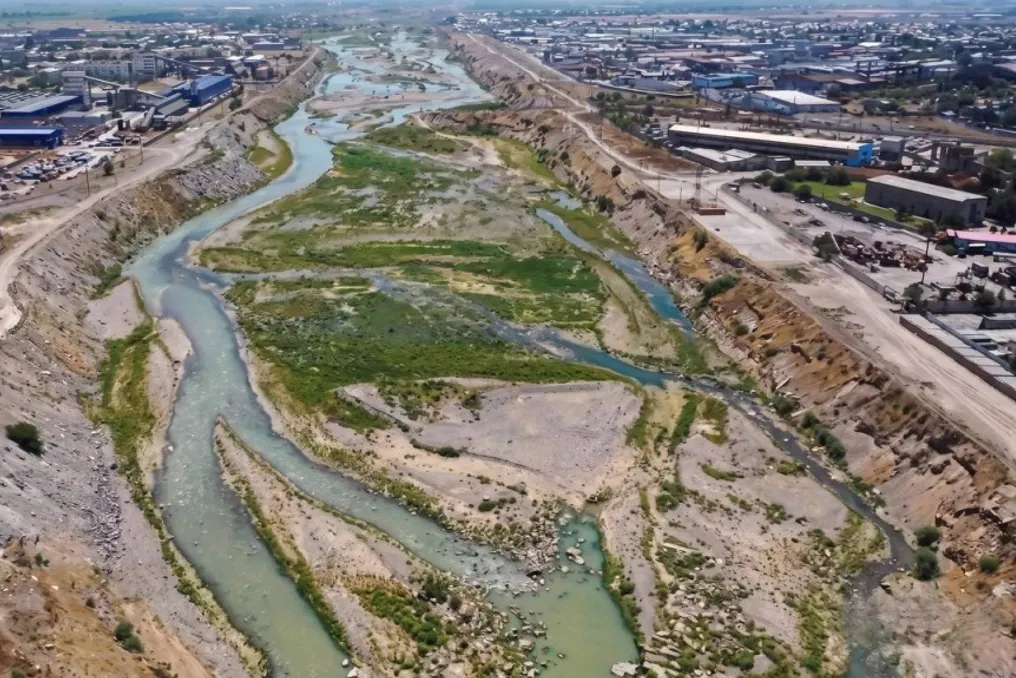
The Cabinet of Ministers of Uzbekistan has approved a decision to implement an investment project covering 100 hectares of land along the Chirchik River in the Sergeli district of Tashkent. This project involves creating industrial, tourism, and recreational infrastructure while adhering to all environmental standards.
The proposal was submitted for public discussion. The plot is located in the areas of Farogatlí and Kuruvchalar mahallas, which are currently dominated by industrial zones. Since the site is near the Chirchik River, all construction work must comply with the requirements of the water protection zone.
According to Tashkent's plan, the status of this territory is maintained as a protected natural area. Nevertheless, landscaping and greening works are permitted as an exception, provided that existing greenery is not damaged.
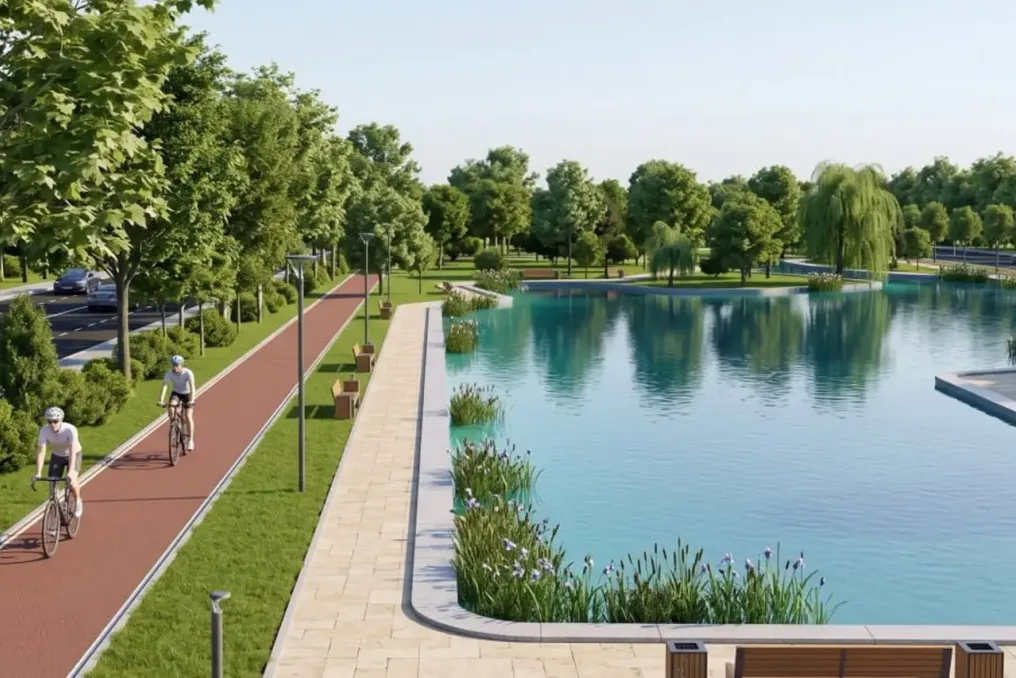
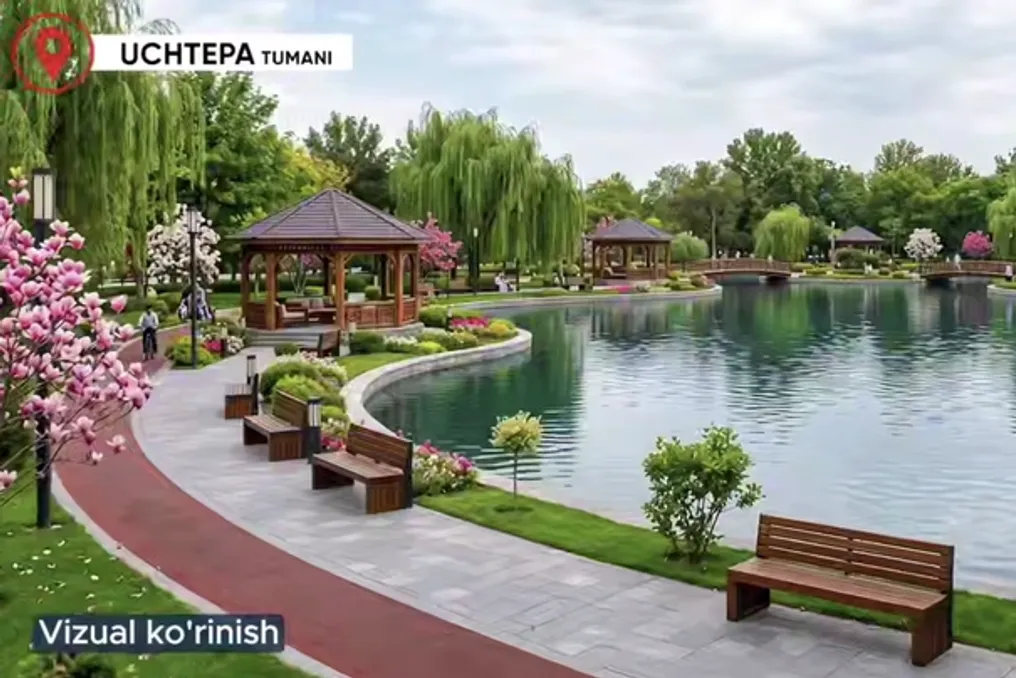
The project includes plans for constructing pedestrian paths, fountains, interactive zones, playgrounds, and outdoor sports areas. Investors are also obliged to reinforce the riverbank, conduct sanitary cleaning of the riparian zone, and expand green spaces.
The economic component of the project aims to attract both domestic and foreign investments to create high-tech production capacities, as well as to develop tourism, hospitality, recreation, and service sectors. This initiative is expected to provide jobs for local residents, with a particular focus on employment opportunities for youth and women.
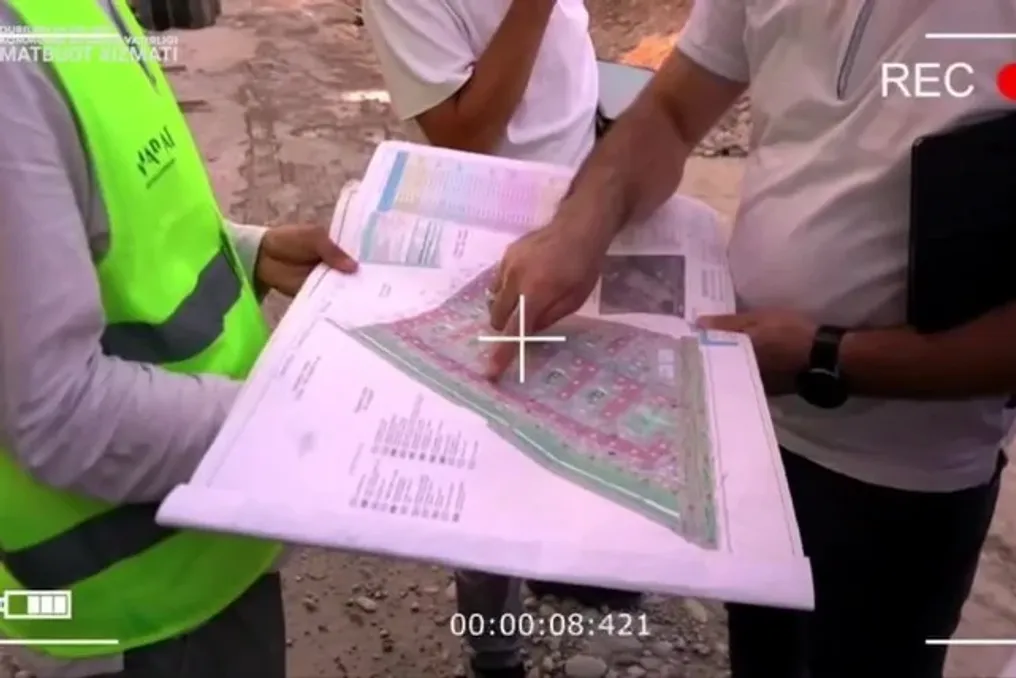
The Tashkent city administration, together with the Ministry of Investment, Industry, and Trade, must verify the legal status and cadastral data of the land plots, determine financing needs, develop an implementation schedule, and establish key performance indicators. Furthermore, relevant agencies must plan the connection of future facilities to the road network, as well as to electricity, gas, and water supply networks.
Social and infrastructural obligations of investors will be included in the investment agreements. The government has established individual control over the project's execution and compliance with environmental requirements. The proposal also provides for open discussion with owners of residential and non-residential properties located within the project zone. Further development of this initiative must take into account the interests of local residents, existing social infrastructure, and the transport capacity of the district.