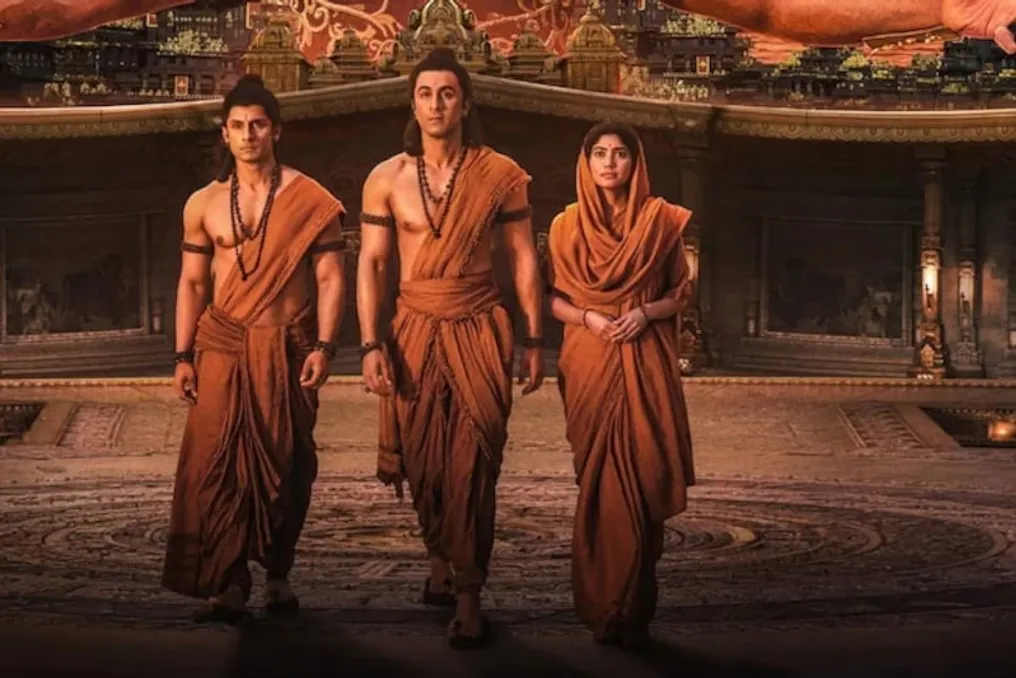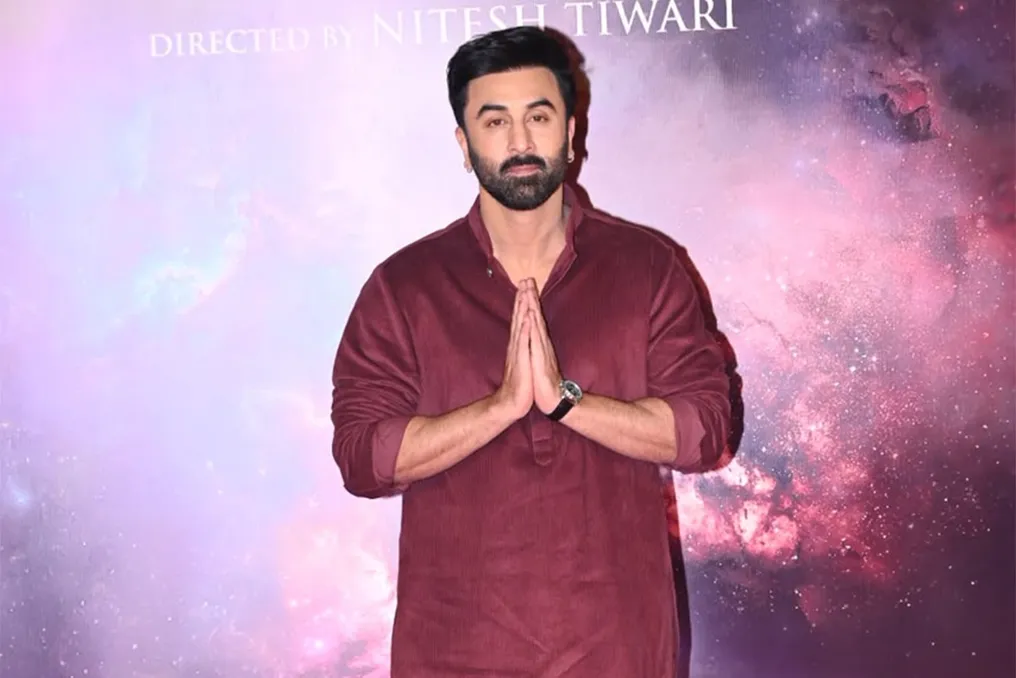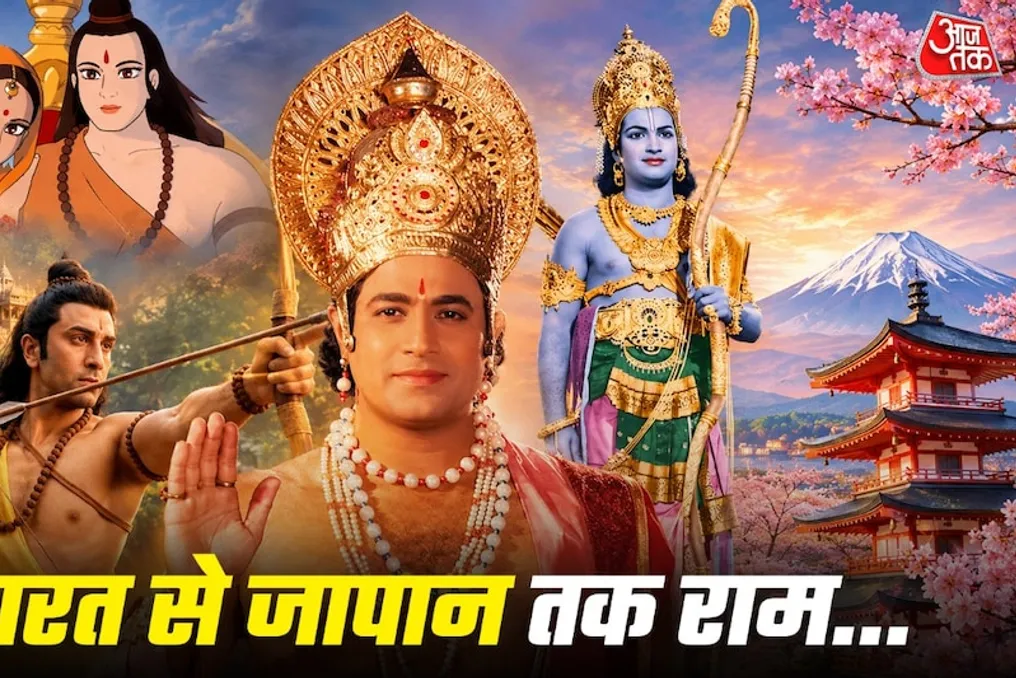
The story of Rama has ancient roots, yet its significance endures in every era. In the consciousness of the Indian people, Rama is not merely a religious or mythological figure, but a symbol of faith, ideals, and moral values. He was depicted as an exemplary son or husband, as well as a warrior opposing injustice and a king whose decisions, duties, and principles continue to spark debate. Although the perception of Rama has changed over time, interest in him has never waned. Perhaps this is why the narrative of Rama is not confined by the borders of any single country, language, or culture. It has spread from India to many countries in Southeast Asia and even to Japan.
Each generation has attempted to understand and absorb the story of Rama according to its own time. This is likely why the story of Rama appeared in new forms every time it was told. Television and cinema have played an extremely important role in transmitting this heritage to future generations and presenting it in a new light to the world. In India, the image of Rama became part of daily faith through Arun Govil, while on the big screen, various actors created the image of Rama according to their imagination.
Attempts to portray Rama on screen began back when cinema was just finding its identity. However, playing the role of Rama differed from acting as any other mythological hero. The actor had to not just play a character but become part of the faith and imagination of millions of people. The image of Rama already existed in people's minds, so the Rama appearing on screen had to conform to this existing image.
The First Film About Rama
In the early period of Indian cinema, mythological stories were the main magnet for filmmakers. Dada Saheb Phalke presented one of the important episodes of the Ramayana on screen in the film 'Lanka Dahan' in 1917. This was the silent film era. In the film, Anna Salunke played the roles of both Rama and Sita. At that time, it was difficult for women to work in the film industry, so one male actor took on both roles. After this, many films based on the Ramayana plots were made. In 1943, 'Ram Raj' by Vijay Bhatt was released, where Prem Adib played the role of Rama.
But Rama's popularity was not limited to Hindi cinema. The Ramayana was widely presented on screens in South Indian films. NT Rama Rao, known as NTR, had a particularly deep connection with the image of Rama in Telugu cinema. In the film 'Sampurn Ramayanam', released in 1958, he played Rama. He later also appeared in the role of Rama in films such as 'Lav Kush' in 1963 and 'Sri Ram Pattabhishhekam' in 1978. A distinctive feature of NTR was that he did not just portray mythological characters through acting skill but also imbued them with unique individuality through his personal style and manner of delivery. Thus, in South Indian cinema, the image of Rama became the embodiment of the ideal king, demonstrating valor, seriousness, and unwavering commitment to duty.
Arun Govil's Image of Rama Became Legendary
When discussing the image of Rama on Indian television, Arun Govil cannot be forgotten. In 1987, 'Ramayana' by Ramanand Sagar was broadcast on Doordarshan. Arun Govil played the role of Rama. This was not just a TV series but an event in the history of Indian television that changed the entire viewing experience. On Sunday mornings, silence descended upon the streets. People gathered in front of the television to watch 'Ramayana' together. Televisions in many places were decorated with flowers, and as soon as Arun Govil appeared on screen, people folded their hands in prayer. Arun Govil's calm smile, his natural way of speaking, seriousness, and gentle nature shaped the image of Rama that still lives in people's memories. Interestingly, the influence of this role was so strong that people in real life began to treat Arun Govil with the same respect as they treated Rama. For them, Rama became a symbol of compassion, self-control, sacrifice, and dignity, rather than just a warrior or a king. In subsequent years, many images of Rama appeared on screen, but the comparison with Arun Govil never ceased.
Rama on Television
Over time, attempts were made to bring the 'Ramayana' to a new audience. In the series 'Ramayana' on NDTV Imagine in 2008, Gurmit Chaudhary played the role of Rama. In this series, the story was presented in a new format using technology, lavish sets, and action scenes. In 'Siya Ke Ram' in 2015, an attempt was made to view the story through Sita's eyes. Here, Rama's personality was not limited only to the image of the ideal man; their relationship, his decisions, and his life struggles were explored in a new context. In 2023, in the film 'Adipurush', Om Raut presented Rama in the performance of Prabhas. Here, Rama was named Raghav and portrayed as a more action-oriented, war-ready warrior. This sparked heated debates regarding his appearance, dialogue, and the film's visual effects. This once again raised the question: can Rama be shown in a new guise in line with changing times, or is there some fixed image that hinders progress for viewers?
The story of the Ramayana has left India and reached cinemas in many countries around the world, but each country has interpreted it through the prism of its own cultural and social perspective.