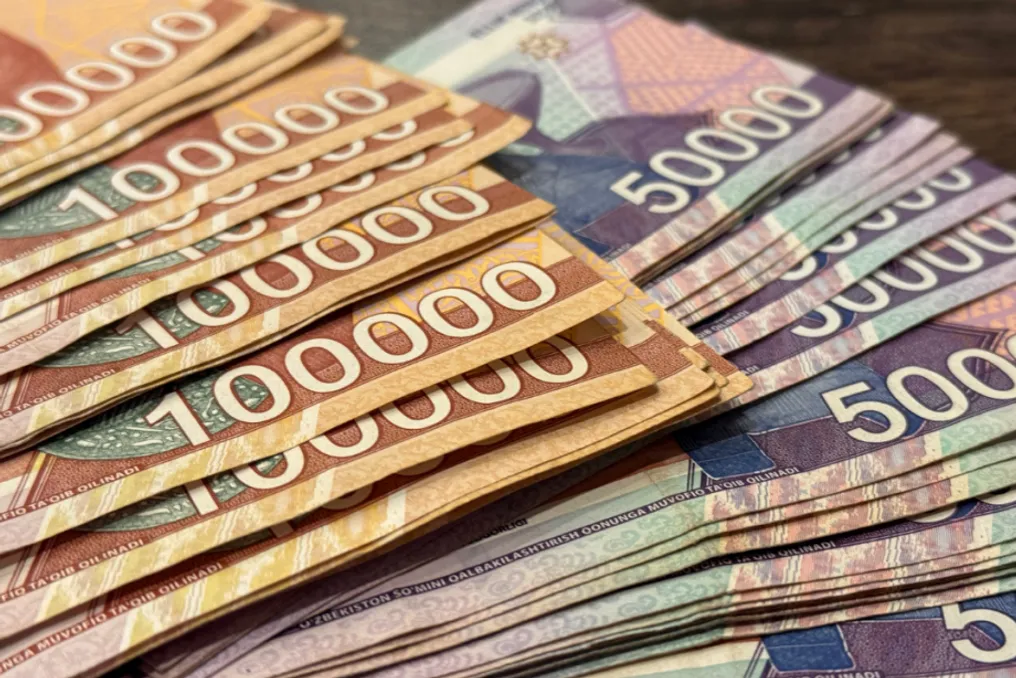
In Uzbekistan, low-income families will receive a one-time financial support of 1 million soms by November 30, 2026. These funds are planned to be transferred to the recipients' social or bank cards.
Questions regarding the selection criteria for receiving this aid, as well as compensation for utility expenses, were discussed during a voice chat on the Telegram channel of the National Agency for Social Protection.
Families included in the Social Register, as well as some households not in the register but meeting established criteria for financial need, are entitled to the one-time assistance. In such cases, the decision is made taking into account the assessment of the seven-member mahalla council and the socio-economic status of the household.
In addition to the one-time payment, eligible households may receive compensation for part of the costs for electricity and natural gas. The state covers the difference between current tariffs for consumption exceeding the basic norm, within certain limits. The compensation program has been extended until April 1, 2028.
For districts where gas supply is unavailable or natural gas delivery is difficult, the monthly basic norm for electricity consumption has been increased to 350 kWh during the heating season. A list of such districts will be approved according to established procedures.
Compensation is also provided for fuel purchases. Households receive 3000 soms for every kilogram of liquefied gas purchased within the monthly limit of 20 kg. For coal purchased through the mycoal.uz platform, the compensation is 300,000 soms per ton, with the maximum support under this measure not exceeding 600,000 soms in a calendar year.
The National Agency for Social Protection emphasized that the one-time payment of 1 million soms and the compensation for utility expenses are separate support measures, each with its own requirements and selection criteria.
Citizens wishing to obtain additional information are advised to contact the Inson social service centers at their place of residence or social workers in their mahalla.