Researchers have recorded the presence of horseshoe crabs in Tawi-Tawi, a southern island province of the Philippines, for the first time. This discovery, based on conversations with local residents and fishermen, provides new information about the distribution of these ancient marine creatures and may serve as a basis for future conservation efforts.
According to Mongabay, the research findings were published after scientists from the Philippines studied local reports of encounters with horseshoe crabs. Until this point, scientific records of these animals in the country were limited only to the province of Palawan.
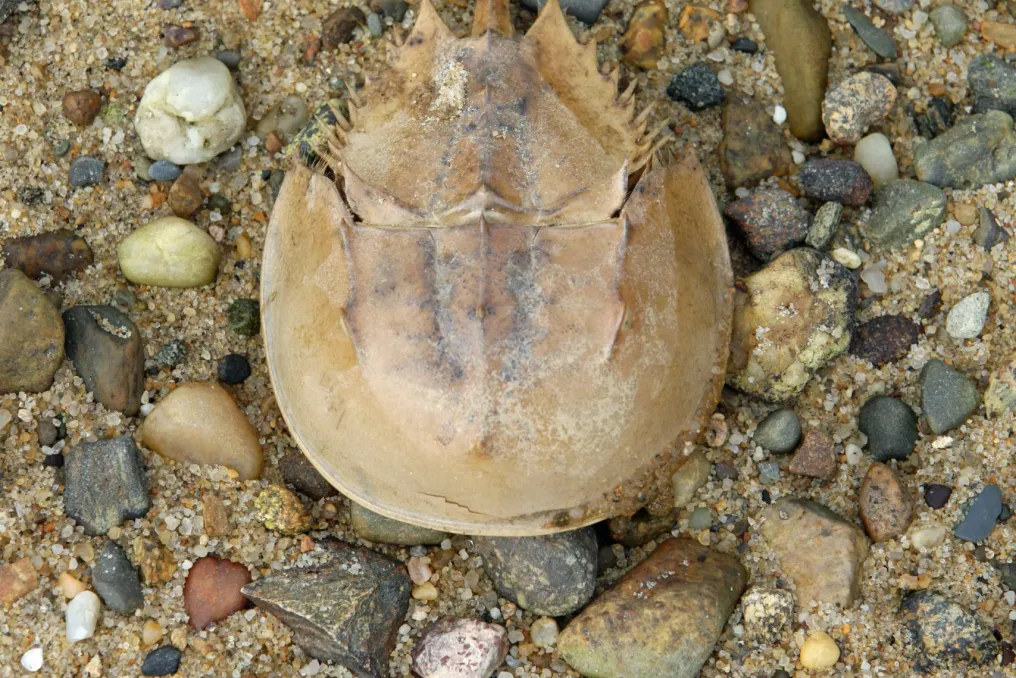
The study identified reports of two different types of horseshoe crabs, whose characteristics resemble the tridentate horseshoe crab (Tachypleus tridentatus) and the mangrove horseshoe crab (Carcinoscorpius rotundicauda). The tridentate species is listed on the IUCN Red List as endangered, while the mangrove species is classified as data deficient because there is insufficient information to assess its conservation status.
The work began in December 2023 when Associate Professor of Marine Sciences Ivan Pedrosa-Gerasmio visited the market in Bongao, the capital of Tawi-Tawi. There, she heard from local residents about instances of horseshoe crab sightings in the area.
She shared this information with her student Kesi Tolero Omnos, and they decided to conduct a more in-depth investigation. Their study included surveys of 142 coastal residents across four municipalities to gather data on the animals' appearance locations, frequency of encounters, and whether communities had noticed changes in their numbers.
The researchers found that residents encountered horseshoe crabs in diverse coastal habitats, including sandy beaches, mangrove forests, rocky coral zones, and seagrass beds. Some observations were registered in waters ranging from 10 to 15 meters deep.
Local residents call these animals 'bangkas,' which comes from their characteristic boat-like shape. Interviews also revealed challenges facing the horseshoe crab populations in the region. Residents reported that the animals are sometimes collected for traditional medicinal purposes, including treating asthma and other ailments, and are also used in certain cultural and spiritual rituals.
More than half of the respondents believed that the horseshoe crab population was declining. They cited possible causes such as collection, climate change, and industrial pollution. Often called 'living fossils,' horseshoe crabs have existed for about 450 million years, making them older than dinosaurs. Despite their ancient lineage, only four living species are known today, three of which are found in Asia.
Populations across the continent face several threats, including habitat destruction, accidental capture in fishing gear, coastal development, pollution, and overfishing. Researchers believe that documenting the presence of these animals in Tawi-Tawi is an important first step toward their protection. In addition to ecological significance, horseshoe crabs hold cultural value for coastal communities, and their biological properties may find applications in pharmaceutical research.
Omnos emphasized that additional scientific information is needed regarding their distribution, population size, and the threats they face. This will help local authorities develop conservation plans based on research and the experience of communities living near these remarkable marine animals.