Huawei unveils first desktop computer running HarmonyOS with Kirin X90 processor
Read more
TechNode
technode.com

Huawei unveils first desktop computer running HarmonyOS with Kirin X90 processor

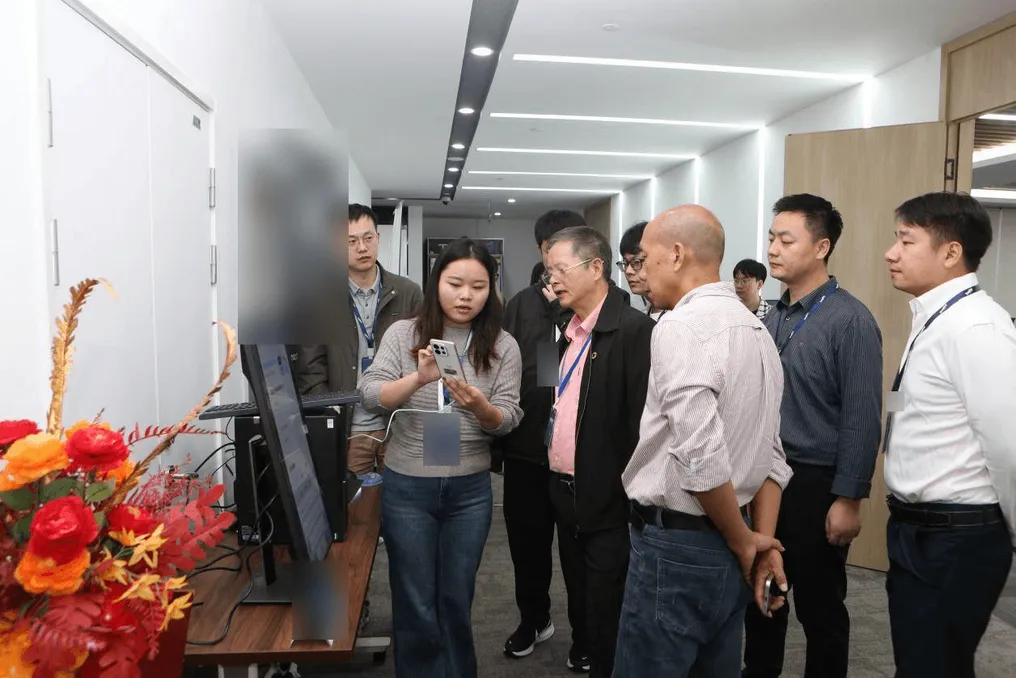
Huawei has introduced its first desktop system based on HarmonyOS—the Qingyun HM650 series. The presentation took place at the Huawei Corporate Computing Summit on November 5th.

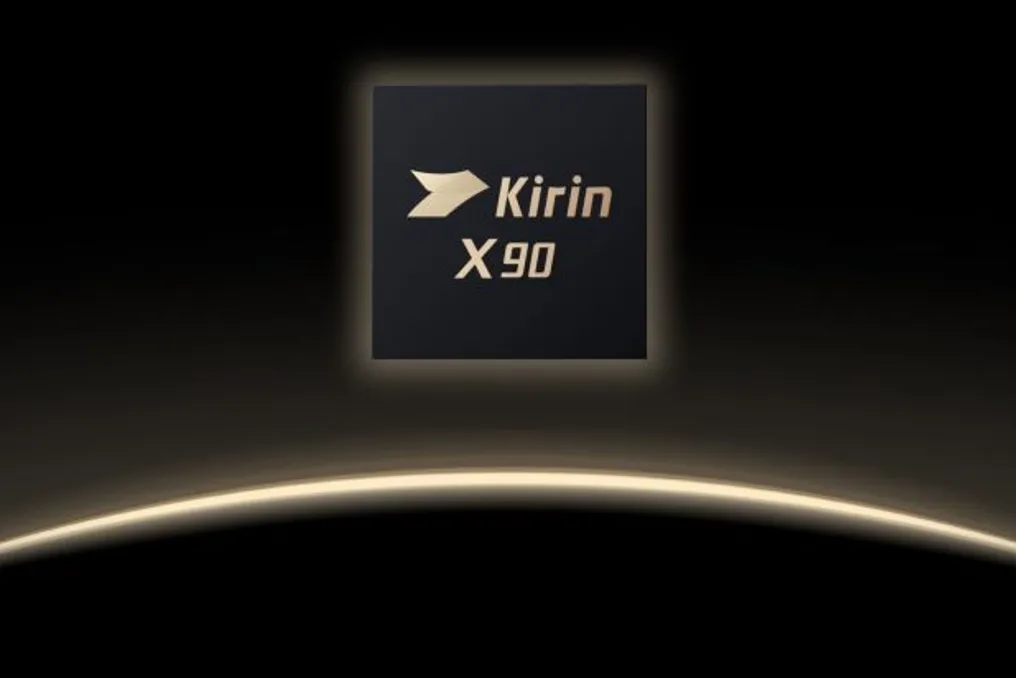
These computers run on HarmonyOS and are equipped with Huawei's Kirin X90 processor. The company stated that all components of these machines were manufactured using 100% domestic sources.

Furthermore, Huawei announced that the total number of shipped HarmonyOS computers has exceeded one million units. These devices support over 21,000 applications suitable for both office work and professional design.

Similar stories

Huawei unveils first desktop PCs running HarmonyOS Qingyun HM650 and HM650G based on Kirin X90
Read more
pandaily.com

Huawei unveils first desktop PCs running HarmonyOS Qingyun HM650 and HM650G based on Kirin X90

At the exhibition in the Optical Valley Science and Technology Exhibition Center in Wuhan on November 5, 2026, Huawei unveiled its first desktop computers running HarmonyOS. These devices carry the commercial brand Qingyun: the HM650 model is intended for corporate clients, while the HM650G is for government buyers. Both PC types operate on the Kirin X90 processor and utilize the HarmonyOS operating system.

The introduction of these models expands Huawei's lineup of HarmonyOS PCs beyond laptops, bringing it into the segment of stationary systems for office use. The Qingyun website already features the HM650 and HM650G models among commercial PCs, alongside laptops such as the HM740 and HM940.

Photos from the summit show compact black casings with USB-C and USB-A ports on the front, front vertical ventilation, and wired keyboards connected to external monitors on demonstration tables.

Features and Market Positioning

According to Chinese sources covering the summit and previous Qingyun briefings, this series is equipped with a dual-layer cooling system and is aimed at both daily office work and engineering design, simulation, and software development. Phoenix Tech, citing Huawei materials, reported that configurations include 16GB of memory with the option to install 512GB solid-state drives. It was also noted that the machines are sold through corporate and government channels, not through retail consumer sales, and Huawei claims that a fully domestic set of materials was used for this series. Pandaily does not independently verify these supply chain data.

Recently, the Huawei smart office products account announced that there are over 21,000 PC applications on HarmonyOS, covering office, AI, educational, entertainment, and creative use cases. Documentation on the Huawei consumer website lists the Qingyun HM650 and HM650G among HarmonyOS PC products with desktop function guides, confirming that these models are part of the commercial line, not concepts.

Although Huawei did not publish a full public specification for these desktop computers at the summit, Pandaily does not consider unofficial data regarding core count or heat dissipation confirmed. What is evident from the debut is the product segmentation: one SKU model for enterprises and one for government buyers, both based on Kirin X90 and HarmonyOS, marking the first instance of a desktop form factor in Huawei's HarmonyOS PC lineup.

Huawei's AI Agent Xiaoyi Work First Uses openPangu-2.1-Pro Model to Enhance HarmonyOS Tasks
Read more
pandaily.com

Huawei's AI Agent Xiaoyi Work First Uses openPangu-2.1-Pro Model to Enhance HarmonyOS Tasks

Huawei's AI agent, Xiaoyi Work, has become the first product to integrate openPangu-2.1-Pro—a new version of the company's open Pangu model family. This was revealed following testing conducted by the publication IT Home on November 5. The application states that this model is intended to improve tasks within the HarmonyOS operating system.

The appearance of this model occurred several days after Huawei Cloud announced on November 1 that it would cease sales of the openPangu-2.0-Flash and openPangu-2.0-Pro models on November 6, decommissioning them by midnight on November 30. At the time, Huawei reported plans for new openPangu models that would be rolled out gradually.

Details about the openPangu-2.1-Pro model have not yet been published by Huawei. There is no public information regarding the number of parameters, active parameters, context length, or training data used. The model has not been officially released, and IT Home concluded that it is a very new development available exclusively within Xiaoyi Work. For comparison, its predecessor, openPangu-2.0-Pro, was introduced earlier this year with a total of 505 billion parameters, 180 billion sparsely activated parameters, and a 512K context window, trained entirely on Ascend NPU.

Xiaoyi Work is positioned as an AI assistant for performing office, coding, and creative tasks on HarmonyOS devices, including phones, tablets, and PCs, and also features a Windows client. The user sets a goal for the agent, and it breaks down the task into stages, calls necessary tools, and performs the work, providing the user with visible progress and key checkpoints for verification. Tasks can be executed either on a cloud PC or a local computer, while the phone can monitor the process running on a connected PC.

According to a review from InfoQ China, this product was developed jointly by Huawei's Xiaoyi team and the openJiuwen community of open agents. The service is in beta and is paid. New users receive 1000 free AI credits for 31 days; after that, the basic plan costs 49 yuan per month with automatic renewal, and the standard plan costs 199 yuan per month. Supported scenarios include market analysis, document processing, slide creation, data analysis, content generation, and code development.

The first openPangu-2.1 model appeared within the agent product, rather than on the cloud model marketplace, with its stated focus being agent tasks on HarmonyOS devices. Huawei has not specified when openPangu-2.1-Pro will be officially released or if it will be available through Huawei Cloud MaaS.

DeepBlue Technology and Huawei Unveil Wowoker — A HarmonyOS Work Phone for Sales Agents
Read more
pandaily.com

DeepBlue Technology and Huawei Unveil Wowoker — A HarmonyOS Work Phone for Sales Agents

DeepBlue Technology launched Wowoker on October 29th—a corporate work phone developed in collaboration with Huawei. The Chinese company, specializing in artificial intelligence, positions this gadget as the world's first work phone featuring a large agent model.

According to DeepBlue, the device operates on Huawei Kirin chips, utilizes Huawei hardware, and runs on the HarmonyOS operating system, which is integrated with DeepBlue's multimodal large model, its Decision Making Model, and the AgentOS orchestration system.

Huawei provided the HarmonyOS ecosystem, the hardware adaptation basis, and the foundations of corporate security, offering 12 phone models for customization. This allows for selecting suitable equipment for teams ranging from ten people up to groups purchasing hundreds of devices.

Device Focus on Sales Operations

The phone is exclusively oriented towards sales teams, not end consumers. Built-in agents perform tasks such as lead generation, automated outbound calls, and buyer intent analysis. The lead generation agent accepts industry settings and keywords from the manager, then searches for potential clients on Xiaohongshu, WeChat, and Douyin, initiating dialogue with them.

DeepBlue reported that during testing with an early client, the OPC community of Greenland, the agent was able to process over 200 potential leads in half a day, more than 50 of which led to substantive conversations. The presentation demonstrated the operation of an AI agent that called a parent to confirm the child's age, offered a trial lesson, and organized subsequent communication via WeChat.

Additional features include the ability to make and receive calls using a voice mimicking the owner's voice, publishing content across various platforms, tagging clients, and screening leads. On the management side, all calls, text messages, and chats in WeChat, WeCom, Feishu, and Douyin are encrypted and synchronized with the company's cloud. Furthermore, the AI conducts quality checks, noting incorrect phrasing in real time.

Client contact details and WeChat IDs are stored only on the company's backend, so salespeople see masked details, cannot delete chat history, and cannot save contacts personally. Upon an employee's departure, the devices can be remotely disabled.

Reasons for Choosing Hardware Solution

When asked about the reason for creating dedicated hardware instead of an application, DeepBlue explained that a significant portion of sales department work occurs within third-party applications where cloud software is limited by system permissions and interfaces. The phone, however, provides vendor-level adaptation and retains some data on the device itself for processing. Chairman Chen Haibo noted that business clients with real needs are more likely to receive support from major platforms.

Regarding concerns about intrusive calls, the company stated that the system has built-in rules that block high-frequency outbound calls, terminate contact if the client explicitly refuses, and allow the user to take control at any moment.

Wowoker is not sold individually; companies purchase a three-year agent service package that includes the phone. The cost of this package is 5,299 RMB or 4,999 RMB initially, with no additional fees throughout the term.

Popular