How to distinguish real gold from fake during Dhanteras shopping: 4 verification methods
Read more
Aaj Tak
www.aajtak.in

How to distinguish real gold from fake during Dhanteras shopping: 4 verification methods

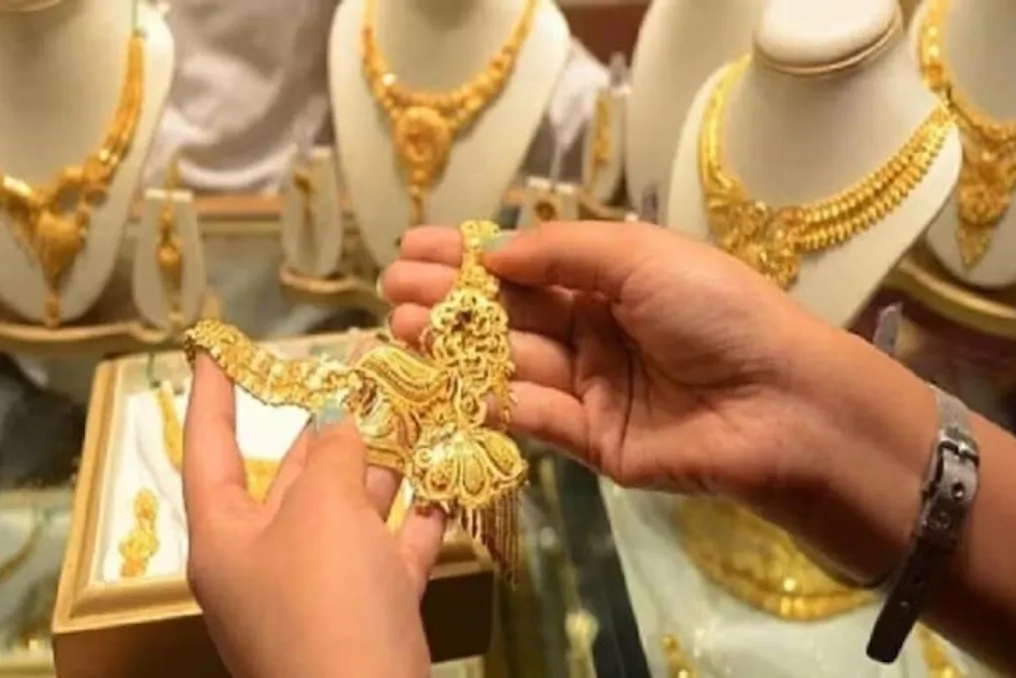
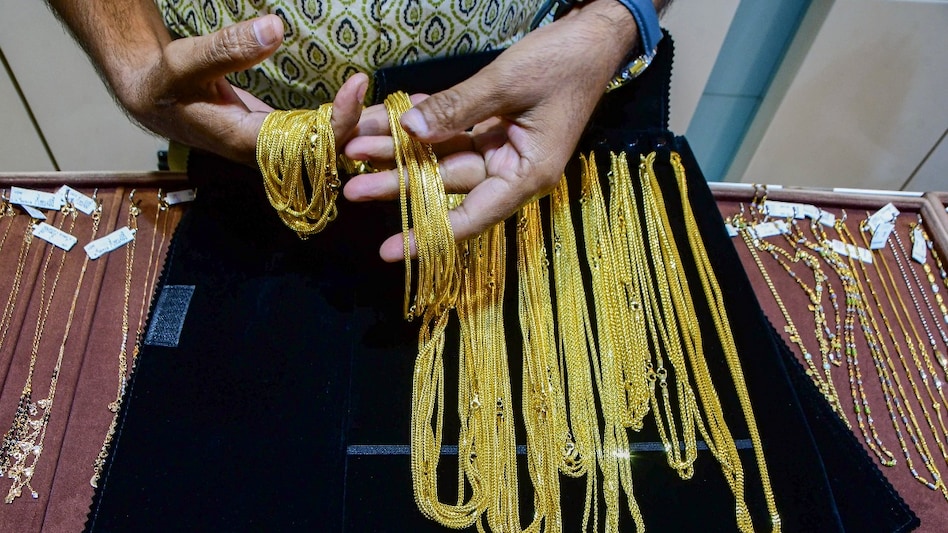
In India, there is a long-standing tradition of purchasing gold and silver jewelry, coins, or batters on the day of Dhanteras. Every family strives to bring at least one item made of gold or silver into their home. However, many people are unaware of whether the items they purchase are genuine or counterfeit.

Consequently, when people go to buy gold or silver on Dhanteras, they can become victims of fraudsters, especially given the high demand for fake goods in the market during this period. Therefore, those planning to buy gold or silver on Dhanteras should use the methods described below to determine authenticity.

When purchasing expensive gold, it is necessary to ensure that the metal being bought is authentic and not a counterfeit. The first step is to look at the hallmark on the jewelry piece, as this mark serves as confirmation of the gold's purity. Using the BIS Care application, you can find out all the details and quality of the item. To do this, you need to download the application onto your phone, open it, and enter the six-digit hallmark number, after which all relevant information will be displayed on the mobile device.

In addition to digital methods for determining gold authenticity, there are also old ways. One of them is using a magnet to confirm the purity of the purchased item. The process is very simple: you need to bring the gold close to a magnet. If the magnet attracts the gold, it means it is fake; if the gold is not attracted by the magnet, it is considered genuine.

The third method for checking gold purity uses vinegar, which can be found in the kitchen. You need to drop a few drops of vinegar onto the purchased gold jewelry and observe it carefully for several minutes. If the color of the item changes, it indicates that the gold is not genuine. Otherwise, if the color remains unchanged, the gold is considered genuine.

It is worth noting that 22-karat gold is most often used for making jewelry, although some artisans also work with 18-karat gold. The item will have a hallmark indicating its karatage. For example, items made of 24-karat gold will be marked 999, 23-karat will be 958, 22-karat will be 916, 21-karat will be 875, and 18-karat will be 750.

If you use the above verification methods while buying gold and discover signs of fraud, you can file a complaint. You can do this using the BIS Care application. You can also file a complaint through the Vigilance Portal on the Standard Bureau website WWW.BIS.ORG.IN. You need to click on the 'Register Complaint' link, enter your phone number and other requested data. You will be informed about the measures taken regarding your complaint.

The article also mentions a section on recognizing fake silver.
Similar stories

How to check the authenticity of silver: methods using ice, magnet, and sound
Read more
www.aajtak.in

How to check the authenticity of silver: methods using ice, magnet, and sound

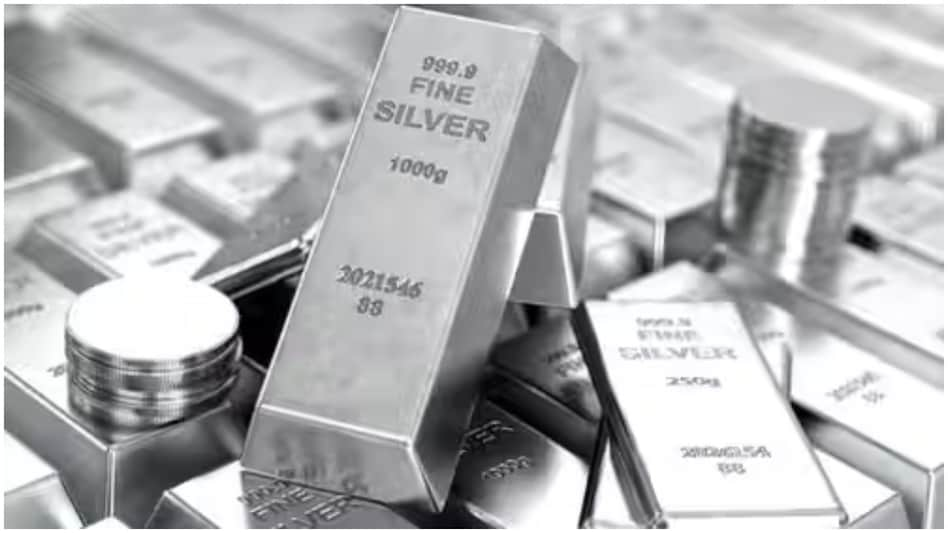
During the festival of Dhanteras, it is customary to purchase gold and silver, leading to a large number of people buying silver coins. These coins are acquired either for investment purposes or for religious rituals and other auspicious deeds. However, when purchasing a silver coin, a natural question arises about the possible presence of impurities. Silver can contain impurities such as copper, nickel, aluminum, zinc, and cadmium, which reduces the purity of silver coins or bars.

It is impossible to determine the purity of a coin or bar solely by its shine or color. Although the hallmark provides information about the declared purity of the silver, several other factors must also be considered when making a purchase. There are four simple ways to conduct a preliminary check of silver purity right at home, although it should be remembered that none of these methods guarantees one hundred percent purity.

Checking with ice

Silver has high thermal conductivity, which in scientific terms is called thermal conductivity. This property of silver is significantly higher than that of many common metals. To perform the test, place the silver coin or bar on a flat surface, and then place a small piece of ice on it. Observe how quickly the ice begins to melt. If the coin or bar contains a sufficient amount of silver, heat will transfer quickly through the metal, and the ice will begin to melt relatively soon. Nevertheless, based only on this sign, the coin cannot be considered genuine. The size of the coin or bar, its temperature, and the surrounding environment can also affect the rate of ice melting. Since other metals also conduct heat, this method only provides an initial hint.

Detecting impurities with a magnet

Silver is not a magnetic metal, so a pure silver coin or bar generally will not be attracted by a magnet. This allows the magnet to be used for a primary assessment. Take a strong magnet, such as a neodymium magnet, and bring it close to the silver coin or bar to see if it is attracted. If the coin or bar is quickly drawn to the magnet or sticks to it, it may indicate the presence of magnetic metals such as iron or nickel. However, it is important to understand that the absence of attraction by a magnet does not mean that the coin or bar is made of pure silver. Copper, aluminum, and zinc are also not attracted by magnets, so this test alone cannot prove purity; it can only give an initial signal.

Identification using the sound test

Based on the sound emitted by silver coins or bars, a preliminary idea of their composition can be obtained. When lightly tapping a silver coin or bar, a clear and high resonance is usually heard. The sound emitted by coins or bars made of some other metals may be quiet and muffled. To perform the check, gently place the coin or bar on your fingertip and carefully tap it with a small object made of another metal. Listen carefully to the sound. If the sound is clear and resonates for a long time, it may indicate that the item is made of silver. However, the thickness, shape, and design of the coin or bar, as well as the presence of impurities, can change the sound. Therefore, this method is more useful when comparing coins or bars of similar size and design.

The most important step when purchasing a silver coin or bar is checking the hallmark. It indicates the declared percentage of purity of the coin or bar. Examples of silver purity include: 925 silver contains 92.5 percent silver, while 999 silver is considered almost pure because it contains 99.9 percent silver. When acquiring an item, be sure to study not only the stamp but also the accompanying documents regarding purity, as well as the invoice. You can request a certificate or other confirmation of purity from the jeweler. One should not rely solely on the hallmark stamp; its authenticity must be verified. A little caution can help avoid purchasing coins sold with false or incorrect purity claims.

How to check the authenticity of gold at home: 5 methods and professional appraisal techniques
Read more
www.aajtak.in

How to check the authenticity of gold at home: 5 methods and professional appraisal techniques

If you are planning to purchase gold for holidays such as Dhanteras and Diwali, you should not make a decision based solely on the design of the jewelry and its price. It is crucial to know the purity level of the gold being purchased, as there is a possibility of impurities or a high content of other metals in jewelry on the market. Therefore, before buying, it is strongly recommended to check for a hallmark and a HUID code.

The most reliable way to determine the true purity of gold is through laboratory testing or by contacting an accredited center. Nevertheless, there are simple home methods that can give a preliminary indication of possible problems with the jewelry. It should be remembered that these methods do not provide final confirmation of gold purity. Below are five ways to identify gold and expert testing methods.

When purchasing gold, it must have the Indian Bureau of Standards (BIS) hallmark. Jewelry with a hallmark usually has three important signs. The HUID (Hallmark Unique Identification) code ensures the unique identification of each hallmarked piece. A customer can enter this code via the BIS Care mobile application to verify the information about the jewelry and the declared purity. This helps ensure the authenticity of the information stated on the hallmark.

If you already own a piece of jewelry and doubt its purity, it can be checked at an accredited BIS valuation and hallmarking center. According to available information, the cost of such a check is 236 rupees, but the current fee must be confirmed at the center itself.

Gold is not attracted to magnets. To check this, you can bring a strong magnet near the jewelry and see if it is attracted. If the jewelry sticks quickly to the magnet, it may indicate the presence of ferromagnetic metals, such as iron or nickel. However, this test has limitations: many other metals are also not attracted to magnets. Consequently, if the jewelry is not attracted, it does not guarantee that it is pure gold.

The density of gold is higher than that of many common metals. Because of this, a gold ingot piece sinks in water. To perform the test, fill a clear glass with water and carefully lower the jewelry. If the jewelry floats, it may indicate that it is hollow or made of another material. However, this test also does not determine the purity of gold, as the result may depend on the composition of impurities and the construction of the jewelry.

Regular vinegar usually does not have a significant effect on gold. In this method, a few drops of vinegar are applied to the jewelry, and any color change is observed. If the color changes, it may indicate a reaction with another reactive metal or a coating. However, this method is not considered reliable. It is also possible that no immediate changes will occur on jewelry with a gold plating. Furthermore, vinegar or other household chemicals can damage the polish, stones, or other surface of the jewelry, so experimenting with precious items this way is not recommended.

In this method, the jewelry is lightly rubbed against a matte ceramic surface. It is claimed that real gold leaves a golden trace on the surface, whereas some other metals may leave a dark or gray trace. However, this test can scratch the jewelry, which will degrade its polish and appearance. Therefore, it should not be used on expensive jewelry, especially that inlaid with stones or diamonds.

It is important to remember: home tests, such as using a magnet, water, vinegar, and ceramics, are not conclusive proof of gold purity; they can only give an initial hint of possible counterfeiting.

Home methods only provide preliminary information. For accurate determination of the pure metal content, jewelers and accredited centers use specialized equipment and scientific methodologies.

X-ray Fluorescence (XRF) Test: In this check, the amount of gold and other metals in the composition is determined using X-rays. There is no need to melt the jewelry. However, this check mainly shows the surface structure, and differences in the internal metal can always remain unnoticed.

Acid and Touchstone Test: In this method, the jewelry is rubbed against a special stone, and then various types of acids are applied to the scratch line. The karat of the gold is presumed based on the reaction with the acid.

Fire Assay Test: This method is considered a very accurate way to determine the amount of gold. It involves processing a small sample of the jewelry, separating other metals, and then weighing the remaining gold. Although this test is accurate, it results in the destruction of the jewelry sample.

Gold purity is measured in karats. The higher the karat, the more pure metal is contained in the gold. Products of different karats are available on the market to meet various needs. 24-karat gold has a purity of 99.9% (999). Gold coins and ingots are often made from 22-karat gold, whose purity is 91.6% (916). Traditional jewelry is often made from 18-karat gold, whose purity is...

Gold and Silver Price Hike During Dhanteras 2026; List of Eight Auspicious and Affordable Purchases
Read more
www.aajtak.in

Gold and Silver Price Hike During Dhanteras 2026; List of Eight Auspicious and Affordable Purchases

The festival of Dhanteras is celebrated annually on Tritodashi according to the Kartik lunar calendar. According to beliefs, worshipping the god Dhanvantari and Kubera Maharaj on this day brings happiness and prosperity into the home. It is believed that purchasing new items on this day multiplies wealth and abundance manifold, which is why people actively buy gold and silver.

However, since the prices of gold and silver are very high, they are unaffordable for many. Therefore, it is suggested to purchase certain items that are both auspicious and more budget-friendly.

1. Gomati Chakra

Gomati Chakra is a special type of stone with a cyclical pattern visible on one side. It comes in various colors, but the white Gomati Chakra holds special significance. It can be worn as a ring, similar to a precious gem. On Dhanteras, it is recommended to purchase at least two or five Gomati Chakras. Traditionally, they are offered to Goddess Lakshmi on Diwali.

2. Cowrie Shells

Cowrie shells are shells of marine creatures. In ancient times, they were used as a means of accumulating wealth. Due to beliefs associated with acquiring wealth, Cowrie shells are considered auspicious. On Dhanteras, it is advised to buy at least five or nine Cowrie shells and offer them to Goddess Lakshmi during Diwali worship. It is believed that this helps remove obstacles related to marriage.

3. Shankha

It is believed that Shankha originates from the sea. In religious representations, it is called the brother of Goddess Lakshmi. The sound of Shankha is considered auspicious and brings good luck. If there is no Shankha in the house, it can be purchased on Dhanteras. During Diwali worship, one should worship the Shankha and use it in the ritual.

4. Statues of Ganesha and Lakshmi

Worshiping Lord Ganesha and Goddess Lakshmi holds special significance during Diwali. Goddess Lakshmi symbolizes wealth, while Lord Ganesha symbolizes wisdom. Worship always begins with Ganesha and concludes with Lakshmi. Therefore, it is recommended to purchase statues of both deities specifically on Dhanteras. It is important that the statues of Ganesha and Lakshmi are different. Goddess Lakshmi should be depicted sitting on a lotus flower, with wealth spilling from her hands. The statues should not be too large and should be made of clay.

5. Broom

A broom is associated with cleanliness, well-being, and prosperity. Therefore, there is a tradition of buying a broom on Dhanteras. It should be placed at the place of worship on Diwali and the ritual performed. It can be used starting the next day.

6. Utensils

Purchasing utensils on Dhanteras is considered auspicious. On this day, any utensil can be bought as per one's preference. However, special importance is given to water vessels. Therefore, it is good to buy a pitcher, kalash, or glass. After worshipping these utensils on Diwali, they can be put into use.

7. Diya (Lamp)

The festival of Diwali is incomplete without lamps. There is a tradition of lighting lamps in the house on this day. It is believed that the light of the lamps dispels negativity and attracts happiness and prosperity. Therefore, a sufficient number of clay lamps should be purchased on Dhanteras. Two large lamps are also necessary for the main worship.

8. Heel-Batasha

Heel and Batasha are considered symbols of prosperity and affluence. It is considered auspicious to buy Heel-Batasha and lava on Dhanteras. They must be offered to Goddess Lakshmi during Diwali worship. It is best to offer them in an earthen vessel.

Popular