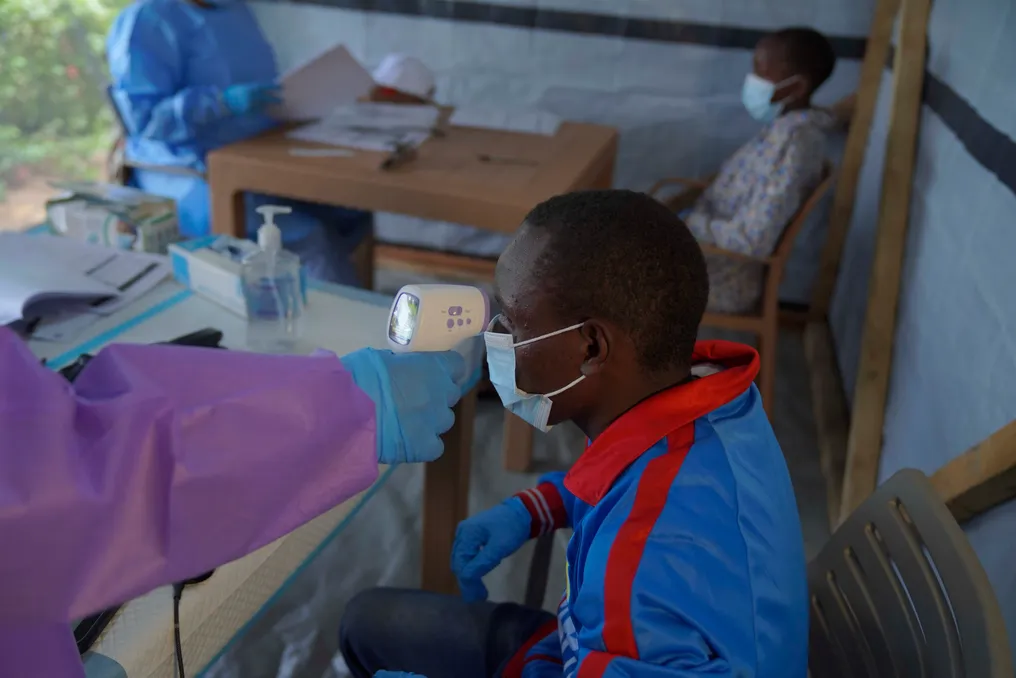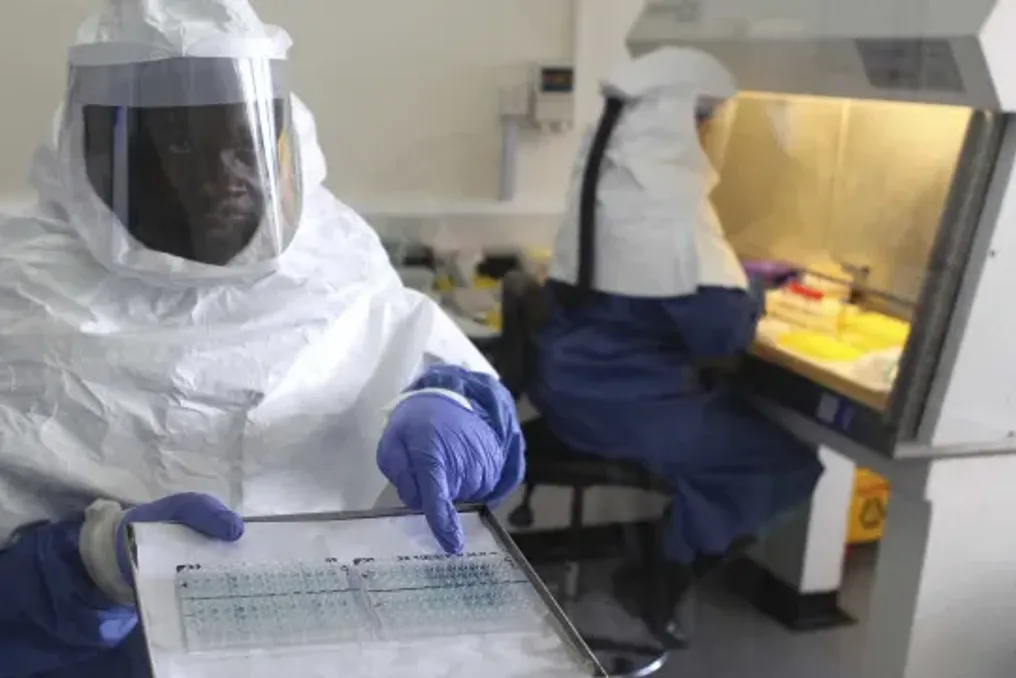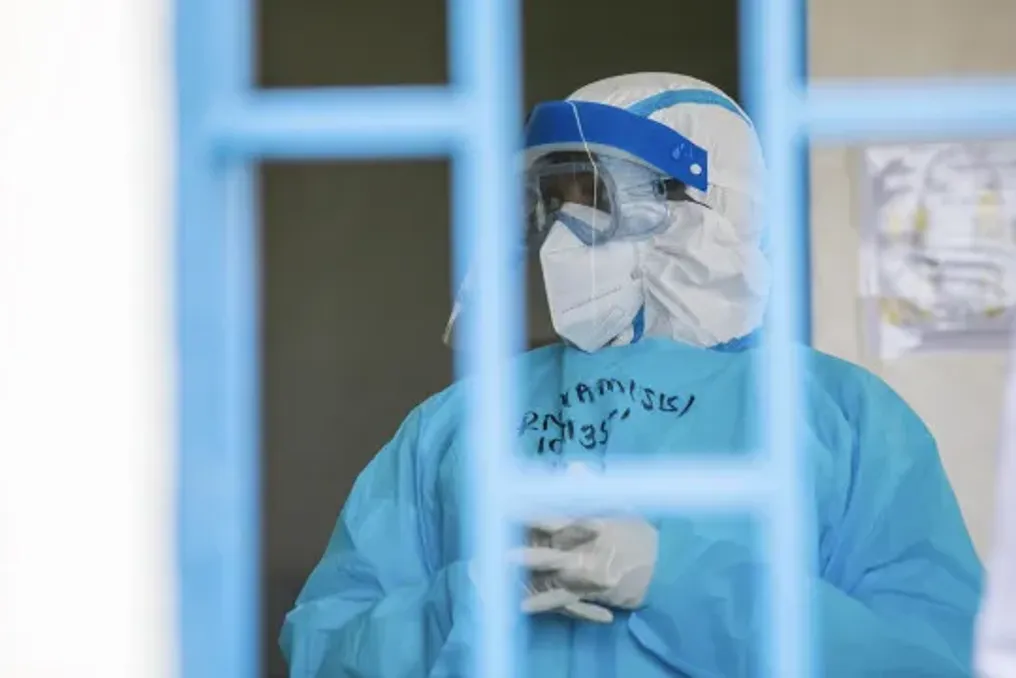
The UK government announced that a British doctor who was working to combat the Ebola epidemic in the Democratic Republic of Congo (DRCongo) was transferred on Thursday to a hospital in London to receive treatment for the virus.
This individual is the first British patient to be removed during the current outbreak of the deadly virus and represents the third person to return to Europe after testing positive for the disease.
The medical evacuation was coordinated by the governments of the UK and DRCongo, in collaboration with international health agencies, transporting the doctor to the UK. He was sent to the Royal Free Hospital in London, which has a high-level isolation unit, similar to the one used during the West African Ebola outbreak between 2014 and 2015.
Renu Bindra from the UK Health Security Agency clarified that rigorous infection control and prevention protocols are being applied, and that the risk to the general public remains low.
In June, France confirmed a case involving a doctor who had already recovered after returning from a humanitarian mission in DRCongo. The previous month, a Swiss citizen, who allegedly contracted the virus in Uganda, was taken to Geneva for treatment, while her husband, a diplomat, remained in isolation in Zurich.
The disease, which spreads through remote provinces of DRCongo, has infected 10,600 people, resulting in over 5,100 deaths. The outbreak has affected 67 health centers in eight provinces, a considerable increase compared to the three zones registered when the epidemic was declared in May.
Damien Tully, an infectious disease specialist at the London School of Hygiene & Tropical Medicine, highlighted that the infection of a British healthcare professional with Ebola is very worrying, although not entirely unexpected. He added that healthcare professionals are on the front lines of these outbreaks, often treating severe patients under extremely difficult conditions, and that accidental exposures can occur even with rigorous protective measures.
According to updated data this week from authorities, more than 5,100 people have died due to the Ebola epidemic in the Democratic Republic of Congo (DRCongo), with nearly 10,500 cases recorded. The mortality rate in this neighboring nation to Angola reaches 48.8%. Furthermore, the institute reported that there are 980 hospitalized or isolated patients, 2,824 people have recovered and been discharged, and the contact tracing rate is 86.6%.
The epidemic in DRCongo has become the deadliest in the country's history, surpassing the records from 2018 to 2020. Projections indicate that it may exceed the number recorded in West Africa between 2014 and 2016, a period when there were 28,616 cases and 11,325 deaths in Guinea-Bissau, Liberia, and Sierra Leone, according to World Health Organization (WHO) data.
Cases have also been confirmed in recent weeks in Kenya and Nigeria, linked to the situation in DRCongo. This comes after Uganda announced on July 28 that it was free of the virus, after recording two deaths and 20 cases.