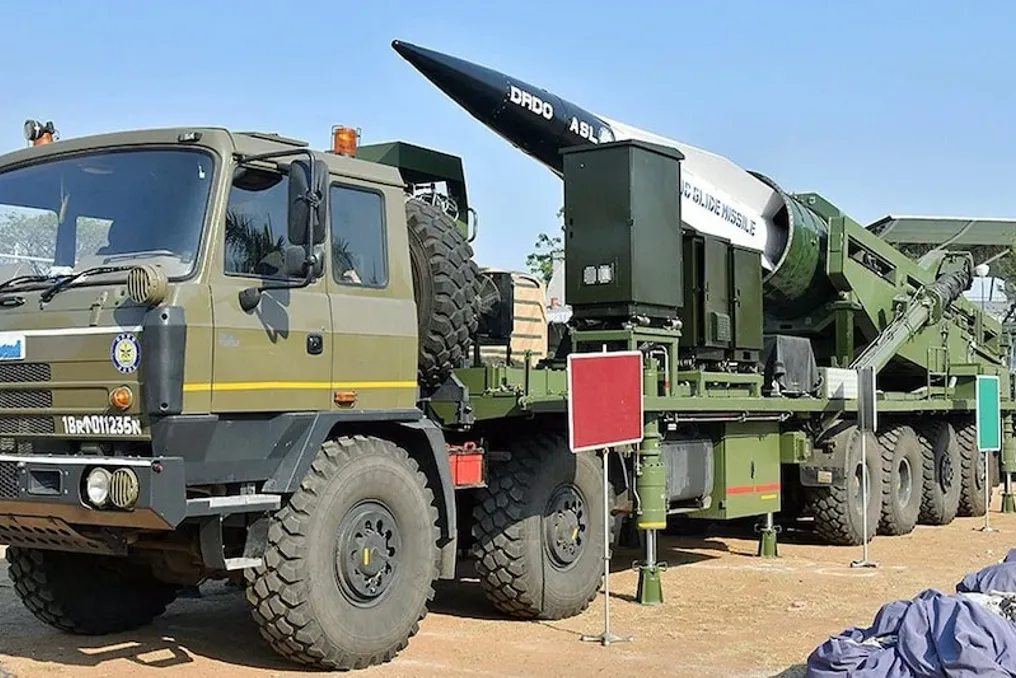
Indian Hypersonic Missile LR-ASHM Increases Range to 3500 km, Complicating Tasks for China and Pakistan
Read more
Aaj Tak
www.aajtak.in

Indian Hypersonic Missile LR-ASHM Increases Range to 3500 km, Complicating Tasks for China and Pakistan

The Defence Research and Development Organisation (DRDO) is working to enhance the capabilities of its indigenous long-range anti-ship hypersonic missile, LR-ASHM. This missile has already demonstrated a range of about 1500 kilometers, and DRDO now plans to increase it to 3500 kilometers.

Two to three tests are planned before production approval is granted. If successful, the missile could enter the production phase by 2028–2029.

The LR-ASHM is a 'boost-glide' type hypersonic missile. It first gains high speed using a solid-fuel rocket booster and then flies in the atmosphere in a gliding mode. It is reported that its speed can reach 12,348 kilometers per hour, with an average speed around 6,174 kilometers per hour.

The missile is capable of striking both static and moving maritime targets. Its trajectory includes numerous maneuvers and dives, which significantly complicates interception by enemy radars and anti-missile defense systems. Onboard sensors help accurately track moving vessels during flight.

Increasing the range will not require significant hardware changes; an update to the software and a change in the trajectory profile will suffice. The missile boosters are taken from the K-4 ballistic missile launched from submarines, which itself can achieve a range of 3500 kilometers, allowing the utilization of the existing design's hidden potential.

Achieving a range of 3500 kilometers will substantially strengthen India's maritime capabilities to deny the use of sea space in the Indian Ocean. The missile will be able to strike enemy warships, aircraft carrier groups, and other offshore naval bases. Combined with missiles like BrahMos, it will provide multi-layered strike power.

Thanks to its hypersonic speed and maneuverability, this missile will pose a serious challenge to modern air defense systems. DRDO has also proposed this system for use by land and air forces. When developing a ground strike variant, the missile will be able to attack ground targets at a long distance, providing all three armed forces with reliable traditional long-range strike capability.

Initial missile tests were conducted in 2023 and 2024, demonstrating the ability to hit maritime targets at a range of 1500 kilometers. A successful test was also conducted in May 2026. New tests are currently being prepared to extend the range. Production approval will be granted after successful verification. This demonstrates India's progress in domestic hypersonic technologies.

This development is a major step towards India's self-reliance and maintaining strategic balance in the Indian Ocean. If successful, the LR-ASHM could become an important part of India's conventional arsenal and influence regional defense dynamics.
Similar stories

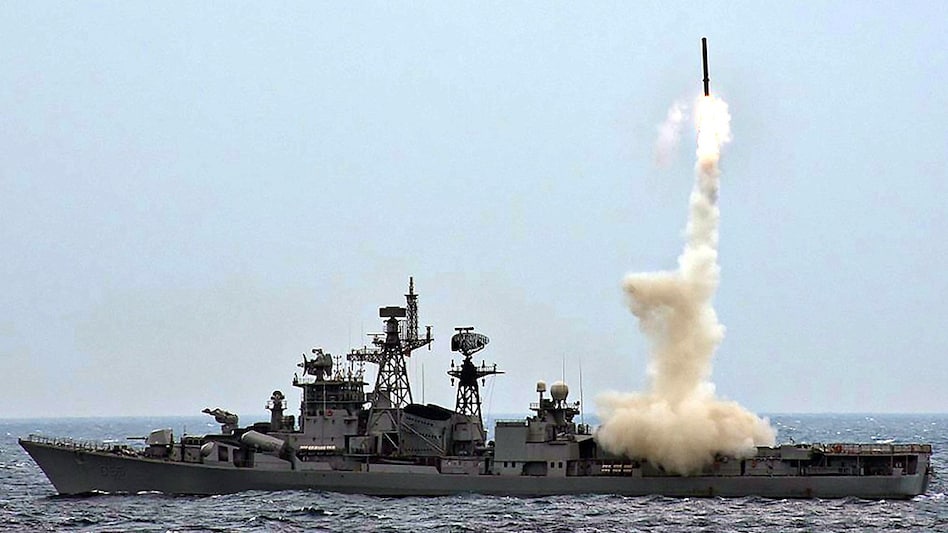
Indian anti-ship missile BrahMos to receive increased range and become more powerful
Read more
www.aajtak.in

Indian anti-ship missile BrahMos to receive increased range and become more powerful

The joint BrahMos missile, developed by India and Russia, is preparing for modernization to become even more effective. The Defence Research and Development Organisation (DRDO) is actively working to increase its range from the current 450 kilometers to 800 kilometers. This extended-range version will significantly enhance India's naval and land defense capabilities.

The modernized Ramjet engines and other technological improvements will first be tested internally. Development trials are then scheduled for mid or late 2027. All tests are expected to conclude by the end of 2027 or early 2028, after which the focus will shift to production for Indian needs.

BrahMos is a supersonic cruise missile that operates on a Ramjet engine. Changes are being made to the engine to increase the range by improving fuel efficiency and allowing the missile to cover greater distances. Meanwhile, the launch systems and auxiliary systems will remain unchanged, meaning that Indian Navy vessels will not require significant upgrades.

The new version is easily mountable on ships. Scientifically, the Ramjet engine draws oxygen from the air, which reduces fuel consumption and increases flight range. The upgraded BrahMos may also include weight control systems, navigation systems, and an increased warhead.

India will continue to produce the 290-kilometer range version for export, which complies with the rules of the Missile Technology Control Regime (MTCR). The longer-range version is primarily intended for the Indian armed forces, giving it the ability to strike targets far from enemy borders.

At sea, this missile will be able to hit enemy vessels from afar, and on land, it will simplify access to strategic objectives. Cooperation with Russia will continue, ensuring technology exchange. This step is important for regional security as it will strengthen India's deterrent potential.

Following successful ground tests, flight tests will commence to verify accuracy, speed, and range. If everything goes according to plan, production could begin in 2028. Although technical complexity and budget management may present challenges, previous DRDO experience will help overcome them. Overall, this project will advance India's self-reliance and modern defense preparedness, benefiting the Indian Navy, Army, and Air Force.

Popular