According to FADA, retail car sales in October amounted to 3.172 million units, representing a 23.80% drop year-on-year. However, compared to September, sales increased by 25.05%.
Experts note that the high baseline sales level last year was due to increased demand after the Diwali holidays and the reduction in GST. Since Diwali falls in November this year, it is expected that a significant portion of consumer purchases will shift to the next month.
FADA emphasizes that to fully understand the October figures, one must consider the holiday calendar and the results of the previous year's sales. In October 2025, Navratri and Diwali coincided, and last year's sales were also influenced by the increased demand following the reduction in GST on September 22, 2025. This year, Navratri fell in October, while Dhanteras and Diwali are scheduled for November.
Despite the overall decline compared to last year, FADA believes that the growth in October 2026 sales compared to September is a positive sign for seasonal purchases. Nevertheless, an accurate assessment of demand growth will only be possible based on November sales data, as Dhanteras falls on November 6 and Diwali on November 8.
According to FADA reports, October 2026 was the second-best October in terms of total retail sales volume. The commercial vehicle, three-wheeler, and tractor segments set record figures in October.
The analysis showed varying trends year-on-year and month-on-month for different transport categories. In October, 2.321 million two-wheelers were sold, which represents a 28.35% drop compared to last year, but an increase of 29.67% compared to September. This segment is heavily dependent on rural demand and holidays.
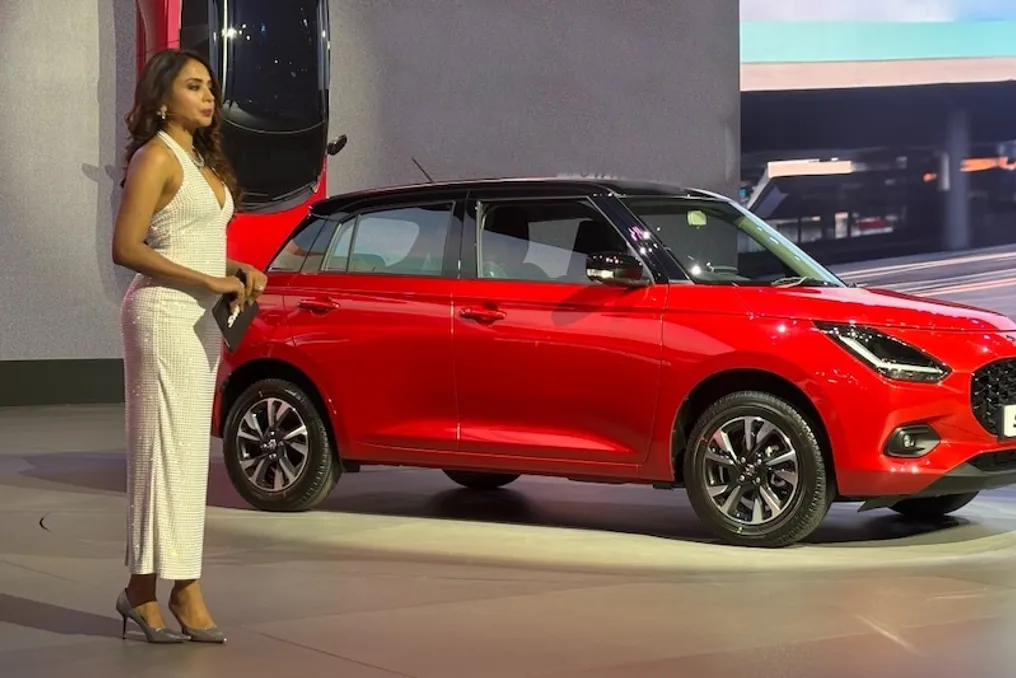
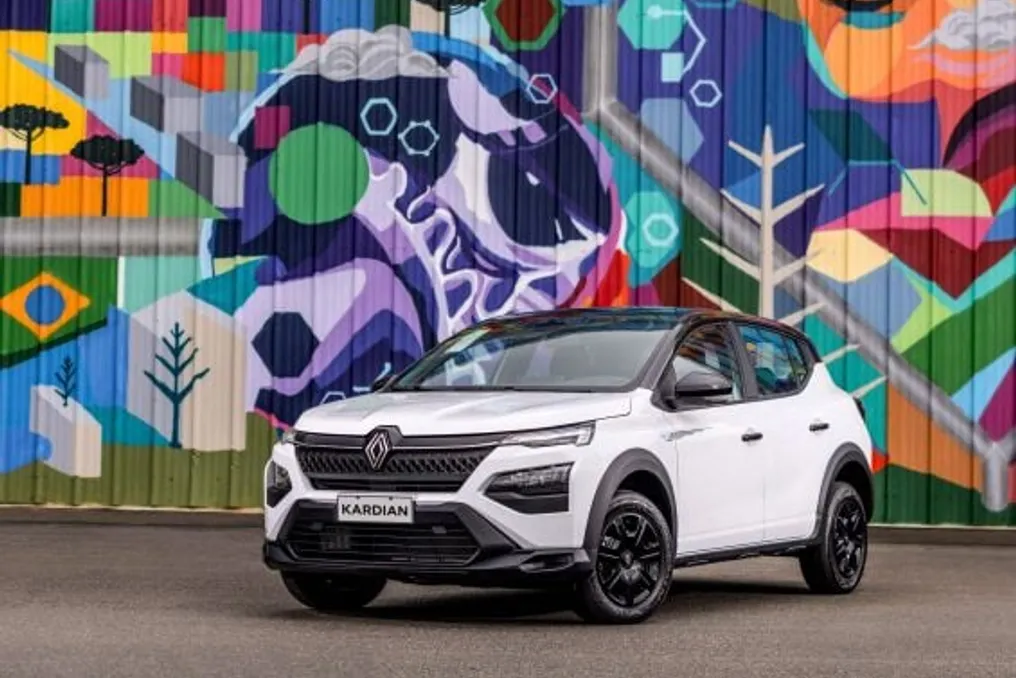
Regarding passenger vehicles, including cars and SUVs, 507,768 units were sold. The year-on-year decline in this segment was 14.23%, but there was an 18.86% increase compared to September. This marked the third highest sales figure for passenger vehicles in October.
Truck and other commercial vehicle sales reached 115,140 units, showing a 2.29% increase year-on-year and 11.19% month-on-month. Growth in this segment was supported by demand for heavy and medium commercial vehicles. In October, 141,420 three-wheelers were sold, corresponding to a 3.97% increase year-on-year and 6.68% compared to September. This segment recorded the highest retail sales volume for October.
Tractor sales totaled 79,285 units, demonstrating a 3.10% increase compared to last year and 3.09% compared to September, driven by agricultural demand. Sales of wheeled construction equipment amounted to 7,434 units, which is 22.07% higher year-on-year and 14.62% month-on-month.
The two-wheeler segment saw the most significant sales decline in rural areas: a year-on-year decrease of 33.97%, and 20.77% in urban areas. Passenger vehicles also showed a decline: 12.44% in rural areas and 15.30% in cities. Overall, the sales drop in the rural sector was 28.59%, while in urban areas it was 18.07%. FADA expects an improvement in the situation in November in rural and northern regions following a weak October.
Electric vehicle sales reached approximately 355 thousand units in October, the highest level in history. EV sales grew by 44.88% year-on-year and accounted for about 11.5% of total sales, up from 6% in October last year. In the three-wheeler segment, the share of EVs reached 62.63%, and the use of alternative fuels also increased in the passenger vehicle segment.
In October, the share of gasoline and ethanol vehicles was 41.60%, while the combined share of CNG, LPG, hybrid, and electric vehicles reached 41.83%, indicating that the share of alternative fuel slightly exceeded the share of gasoline in passenger vehicle sales.
According to an online survey of FADA members, 51.65% of dealers expect sales growth in November 2026. Furthermore, 34.71% forecast stability, and 13.64% predict a decline. Holidays in November are expected to support consumer demand. FADA forecasts an increase in sales in rural and northern regions, although risks remain related to post-holiday demand drops, vehicle availability, and rising loan payments.