Experts warn North Cape farmers about possible reduction in rainfall this summer
Read more
Food For Mzansi
foodformzansi.co.za

Experts warn North Cape farmers about possible reduction in rainfall this summer

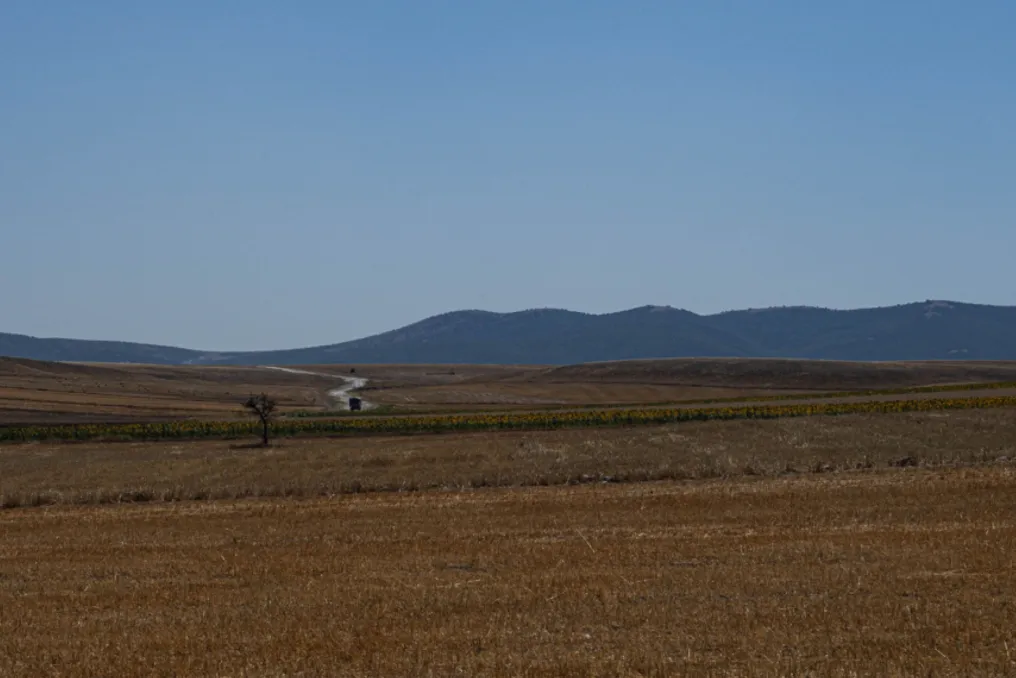
Climate experts from the Agricultural Research Council have cautioned North Cape farmers about the serious consequences of the El Niño phenomenon. The Department of Agriculture, Environmental Affairs, Rural Development and Land Reform of the Northern Cape organized an online webinar involving farmers, researchers, as well as agricultural and climate specialists to raise awareness and propose strategies for preparing for El Niño in the province.

Johan Malherbe, a senior researcher at the Agricultural Research Council (ARC), detailed the process of El Niño in South Africa, its impact on the Northern Cape, and the forecast from the International Institute of Climate and Society for the province.

Malherbe noted that South Africa typically experiences dry conditions during the summer period, especially from November to March. He emphasized that this covers the entire summer rainfall zone, and the Northern Cape is also frequently affected by negative consequences. According to him, there is a possibility of a 50–60% reduction in rainfall across most inland areas of the Northern Cape until January of the following year.

Sarah Roffe, a climatologist from ARC, presented the results of her drought research, stating that the last drought began in 2015. She stated that this is the longest drought, which lasted about 70 months in some areas, representing a long period of reduced rainfall that raises concerns about the impact on livestock and pastures.

Roffe also explained how the drought has affected vegetation patterns and pastures. She observed that the vegetation character in these areas is relatively stable, but with intensified drought conditions, the impact on vegetation, particularly pastures, becomes more severe.

Meanwhile, Gugulethu Zuma Netshiukwe, an agro-meteorologist and researcher at ARC, highlighted the importance of monitoring weather forecasts, growing seasons, early warnings of impending rainfall, and other long-term forecasts before making planting decisions.

She explained that such information will help farmers decide on crop or livestock breeds for a specific region, as well as choose the type of crop and planting date. Netshiukwe advised against planting everything at once, suggesting instead considering sequential or phased planting.

The expert also drew attention to the complex decisions faced by livestock farmers under El Niño conditions, such as shortages of feed and water. She stressed the critical importance of pasture management in parts of the Northern Cape. If it is not possible to maintain a large number of animals, it is recommended to sell some of the herd rather than keeping them. Netshiukwe warned that during heatwaves, animals can die from heatstroke, dehydration, parasites, and other diseases.
Similar stories

Tips for Water Conservation and Soil Protection When Growing Crops in South Africa
Read more
foodformzansi.co.za

Tips for Water Conservation and Soil Protection When Growing Crops in South Africa

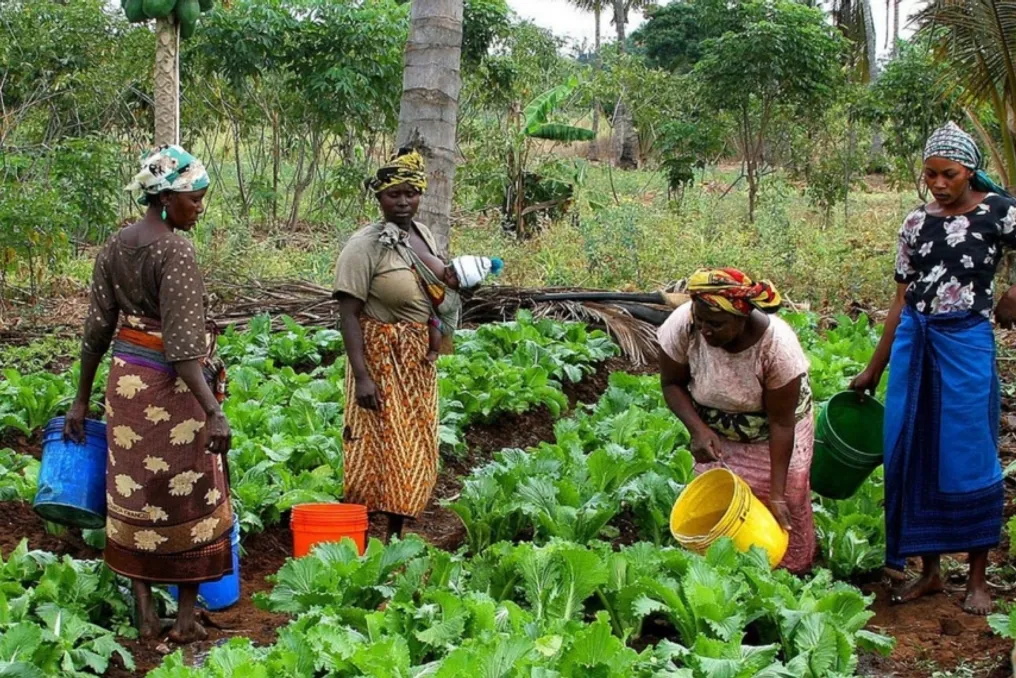
The water issue in South Africa continues to worry farmers who need enough water to maintain crop growth. Due to concerns about potential drought conditions caused by El Niño, water availability has once again become a subject of close attention.

Urban gardeners who rely on municipal tap water can also face difficulties maintaining the productivity of their gardens with limited water supply. Reusing water, including domestic greywater, can help some gardeners preserve their crops.

However, experts warn that greywater should be used cautiously so as not to harm plant health, soil quality, or the safety of food intended for consumption.

A farmer and food technologist from Cape Town, Oneziwe Jackson, does not need an expensive system to save water in her home garden. She collects water used for washing vegetables, as well as clean water that runs while she waits for her shower or kitchen tap to heat up. She stores this water in barrels and a drum for watering her container garden.

Jackson noted that for her, it does not require complex equipment or a system, but only small changes in daily habits. However, she emphasized that households must be careful about the water they reuse. Water collected before use is different from greywater, which is generated by activities such as bathing, showering, and washing clothes.

According to her, water used for washing vegetables may be suitable for gardening if it has not been contaminated with soap or other substances. She cautioned against using dishwashing water in a food garden, as it may contain grease, food residue, and detergents. Caution is also required when using laundry water, as some detergents contain chemicals and salts that can harm plants and soil. Jackson concluded that water conservation should never come at the expense of human health.

Nkosinathi Mbele, a permaculture specialist from Bez-Valley, Johannesburg East, reported that he uses a lot of kitchen water and rainwater. He installed gutters on his house to collect rainwater. He also advised gardeners to study the movement of water on their plots to find ways to collect and store it for drier periods. Areas such as roofs, driveways, and roads can direct surface runoff to suitable collection points. Swales and small ponds can help collect water for later use.

Mbele recommended using filtration systems made of gravel, sand, and crushed coral to capture solid particles. He added that mulching is another way to conserve moisture. Covering the soil helps reduce evaporation, prevent erosion, and suppress weeds that compete with crops for moisture. Mbele also warned that gardeners must consider the quality of the collected water, as laundry water can contain chemicals and salts harmful to plants and soil. Water collection and filtration systems must be carefully designed to reduce the risk of contaminants entering the harvest.

Sibongile Jiyane, a plant pathologist from Tshwane, explained that domestic water can help gardeners save water, but its composition must be known before using it on crops. Water used for rinsing fruits and vegetables is generally the best option, provided it has not been contaminated with harmful substances. Bath water can also be reused, whereas laundry and dishwashing water requires more caution, as detergents and cleaning products may contain chemicals that harm plants and soil over time.

Jiyane noted that sodium and boric acid accumulation can damage plants or affect soil quality. She advised households to check the products they use before deciding if the water is suitable for their gardens. Jiyane warned that plants can look healthy while being exposed to potentially harmful microorganisms. Greywater can also cause visible signs of stress in plants, such as yellowing leaves, brown leaf edges, wilting, stunted growth, and poor seed germination. White residue on the soil may indicate salt buildup, although these symptoms can have other causes.

Water containing bleach, strong cleaning chemicals, or sewage should be avoided unless it has undergone proper treatment. Jiyane advised applying suitable greywater directly into the soil around plants, avoiding contact with leaves and edible parts of the crops. This is especially important for leafy greens like lettuce and spinach, as contaminated water can leave harmful microorganisms on edible parts. She stressed: 'Water conservation is important, but it should not compromise soil health, crop productivity, or the safety of food consumed by households.'

Popular