Germany tests training of domestic dogs to detect invasive plants
Read more
Super Abril
super.abril.com.br

Germany tests training of domestic dogs to detect invasive plants

So-called invasive alien species (IAS) are plants, animals, fungi, or other living organisms that have established and spread outside their natural range. By displacing native species, they can threaten local biodiversity.

This is a global problem and one of the main causes of biodiversity loss worldwide. In Brazil, examples of such invasive plants include mango trees, pomegranate bushes, and mustard grass, among others.

Various organizations from different countries are looking for ways to combat these species, but initiatives are usually costly and time-consuming. Early detection of these organisms and control over their spread remain a difficult task.

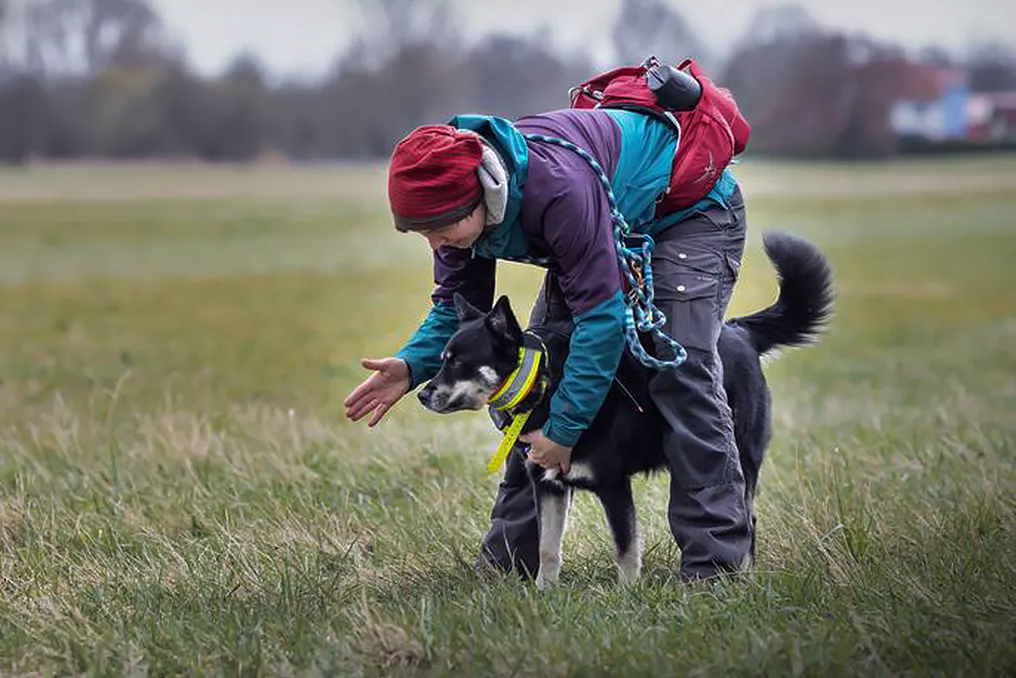
Based on this, a new study by the Helmholtz Centre for Environmental Research in Germany identified a promising strategy for detecting invasive plants: using dogs. These animals and their owners are capable of identifying such species by smell with 75% accuracy after completing training.

The results were described in detail in an article published on November 4th in the scientific journal PLOS One. The concept proposed in the study did not involve professional sniffer animals; instead, they trained ordinary dogs and their owners who sought joint outdoor activities.

A total of 31 dogs and their owners participated in the study between 2021 and 2023. They underwent online training where they studied dog behavior and procedures for identifying specific odors, as well as attended seminars and field events.

The animals were taught to detect three invasive plants: Fallopia spp., Impatiens glandulifera, and Ambrosia artemisiifolia. During the sessions, the dogs learned to recognize the characteristic scent of these species.

Performance was recorded on video, and participants also filled out questionnaires so that researchers could track the conditions of each training session. Even small factors, such as rewards for the dogs, mattered.

Ultimately, 12 teams of dogs and owners completed the training and passed a kind of 'final exam' to assess their plant detection skills. The result was positive: 11 teams were approved, with an average success rate in detecting species at the level of 75%.

Thanks to this pilot project, researchers concluded that forming voluntary groups consisting of people and their dogs can be an effective strategy for detecting invasive plants.

The study authors noted: 'The results show that it is generally possible to train voluntary groups of dogs to detect invasive plants, allowing the dogs to reliably identify target species. Participation in such projects usually provides dogs with significant mental stimulation and enrichment, thereby strengthening the bond between the dog and owner.'

Despite the positive results, the study revealed certain difficulties. One of them was the need for intensive training, which is difficult to combine with the daily schedule of many participants, leading some teams to drop out of the program.

Nevertheless, the researchers consider such projects feasible and compiled a list of recommendations for guiding future initiatives. Among the tips are informing volunteers about the required training time and selecting healthy animals motivated by rewards such as food and toys.

The researchers also stated in their statement: 'What pleases us particularly is the opportunity to turn what people already love doing—spending time outdoors with their dogs—into a meaningful contribution to biodiversity conservation. With proper training, daily walks can become an additional resource for early detection of invasive plants.'
Similar stories

Florianópolis City Hall will hold adoption fair for dogs in training on November 7th
Read more
g1.globo.com

Florianópolis City Hall will hold adoption fair for dogs in training on November 7th

The City Hall of Florianópolis, through the Animal Welfare Directorate (Dibea), will organize a new dog adoption fair on November 7th. This event aims to find homes for animals that are undergoing a training and reintegration process, specifically those with behavioral difficulties that consequently face greater barriers to adoption.

The fair will take place at the Cãofiança Training School, located at Estrada Cristóvão Machado de Campos, 6815, in the Rio Vermelho neighborhood, situated in the North of the Island. This action is part of a municipal project that sent 50 dogs from Dibea for specialized canine psychology training, with an expected duration of two years.

The animals were sent to the school in June of this year and exhibit various behavioral profiles. Among the observed difficulties are reactivity, aggression, high agitation, or problems coexisting with other animals and adapting to new environments.

The purpose of this work is to improve the socialization conditions of these dogs and thus increase the chances of responsible adoption, always respecting the individual characteristics and needs of each one.

Training aims to prepare dogs for coexistence in new homes

During the reintegration period, the animals remain at the training school full-time, receiving specialized support to develop behaviors that facilitate interaction with people and other pets.

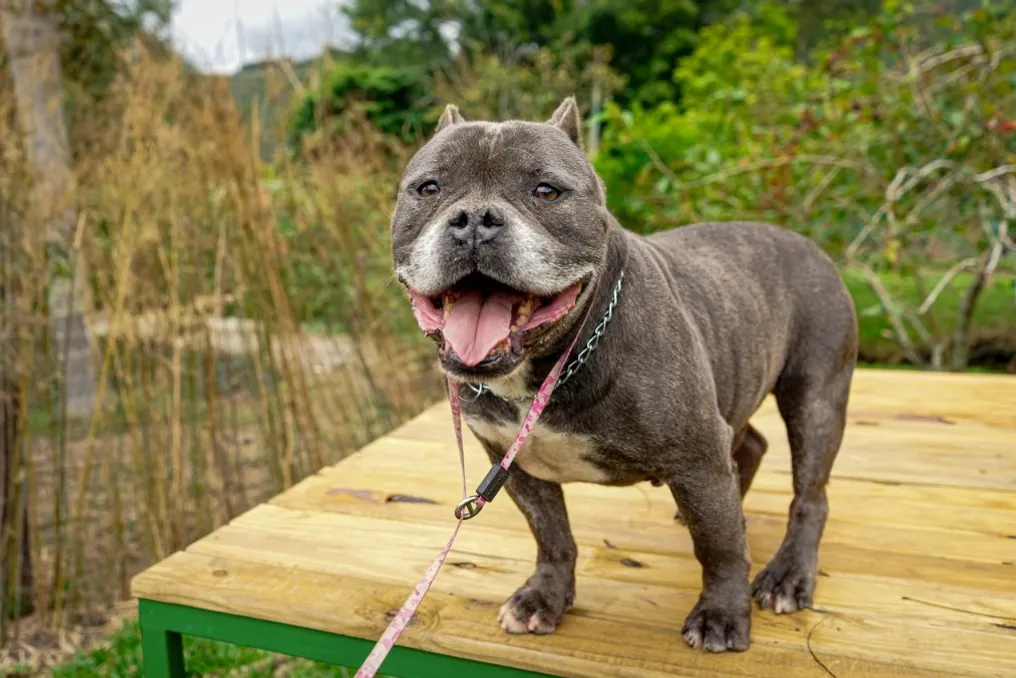
A significant portion of the dogs served by the project consists of pitbulls and similar breeds, which may exhibit reactive behaviors or require specific care. There are also more docile animals, but they need monitoring to overcome fears, agitation, or adaptation challenges.

Draco, a pitbull rescued in 2022, serves as an example of an animal with reactive behavior and socialization difficulties, joining the group that requires specialized attention to increase its chances of adoption.

Salvatore, a German Shepherd, was rescued after spending years chained, which resulted in a serious injury. Although he has recovered his physical health, he still faces difficulties related to trauma and refuses to wear collars around his neck.

Gustavo Fleury, a canine behavior specialist, states that the process requires constant monitoring and the use of specific techniques to help the animals overcome such obstacles. He explains that 'daily affectionate handling and commands are necessary with Salvatore. This dog has a strong trauma, and trauma is removed with patience and technique.'

The training is tailored according to the unique needs of each animal, taking into account its history, behavior, and ability to adapt.

Dogs for Adoption Cãofiança

Adoption can occur before the end of training

The dogs involved in the project do not need to wait for the completion of the two years of reintegration to be adopted. Interested families have the opportunity to meet the animals and participate in a compatibility assessment process, which analyzes both the dog's profile and the characteristics of the future home.

Some animals prove to be sociable and capable of living with children or other dogs. Others require more restricted environments, such as residences without other animals or families experienced in handling large dogs.

The intention is to determine the most suitable profile for each adoption, aiming to reduce adaptation problems and ensure safe and harmonious coexistence. Even after adoption, the animal may continue to receive specialized training until the stipulated period ends, according to its need, without extra costs to the adopting family.

Additionally, dogs adopted through this project are entitled to lifelong assistance at the Municipal Veterinary Hospital of Florianópolis.

Dibea also offers free spaying/neutering

In addition to adoption fairs, Dibea implements various initiatives focused on animal health and welfare in Florianópolis. Among the services offered are mass spaying/neutering campaigns held in different neighborhoods of the city, as well as free procedures conducted at the agency's headquarters and partner clinics.

These actions aim to assist in controlling the population of dogs and cats, preventing diseases, and combating animal abandonment. Citizens interested in learning more about the animals available for adoption or about Dibea's services can follow the agency's social media accounts, under the profile @Dibeapmf, or contact them via WhatsApp at (48) 93300-8202. For specific information about free spaying/neutering, contact must be made via WhatsApp at (48) 3237-6890, as this service is exclusive to residents of Florianópolis.

Service

The dog adoption fair for dogs in training and reintegration will take place on November 7, 2026 (Saturday), from 10 am to 2 pm, at the Cãofiança Training School, located at Estrada Cristóvão Machado de Campos, 6815, Rio Vermelho, Florianópolis. More details can be obtained through the @Dibeapmf profile or via WhatsApp at (48) 93300-8202.

Popular